ContemporaryScience19th CenturyClinical medicine and public health

Physician and health inspector

Trained in Madrid, he directed the Hospital de San Lázaro and worked in municipal public health. He was second vice-president and president of El Museo Canario.
Early life

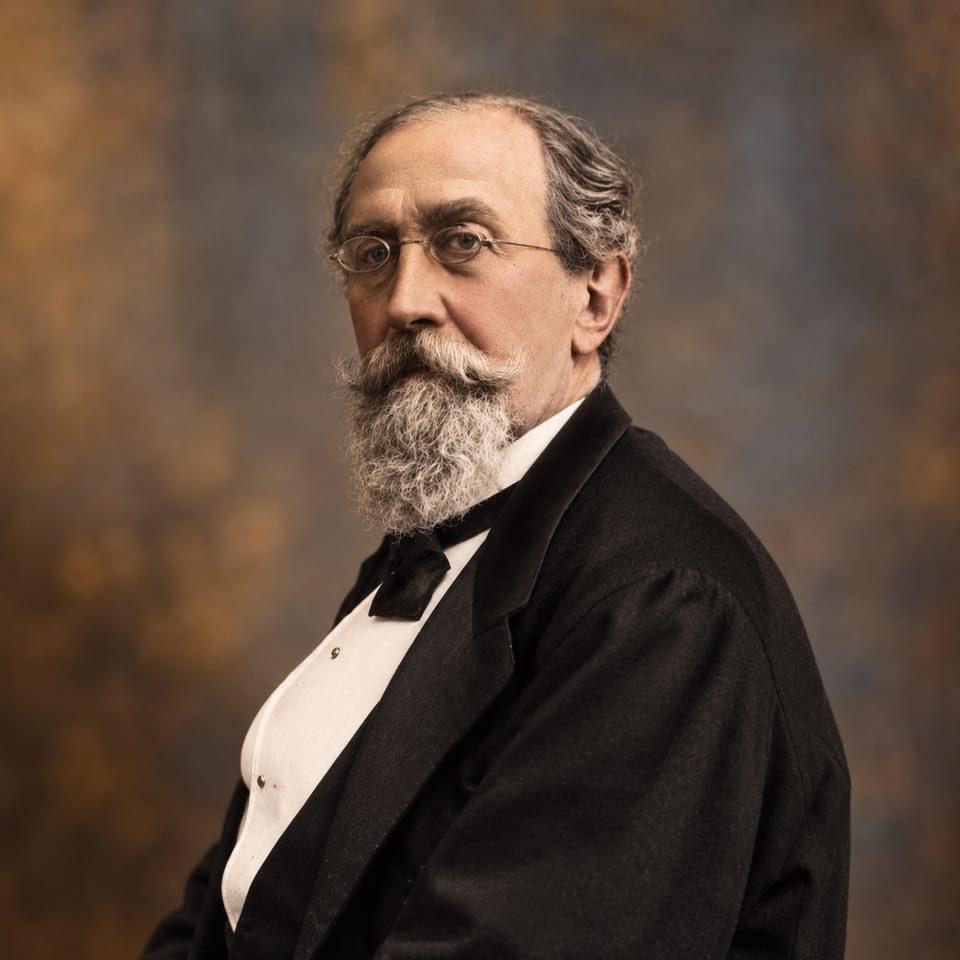
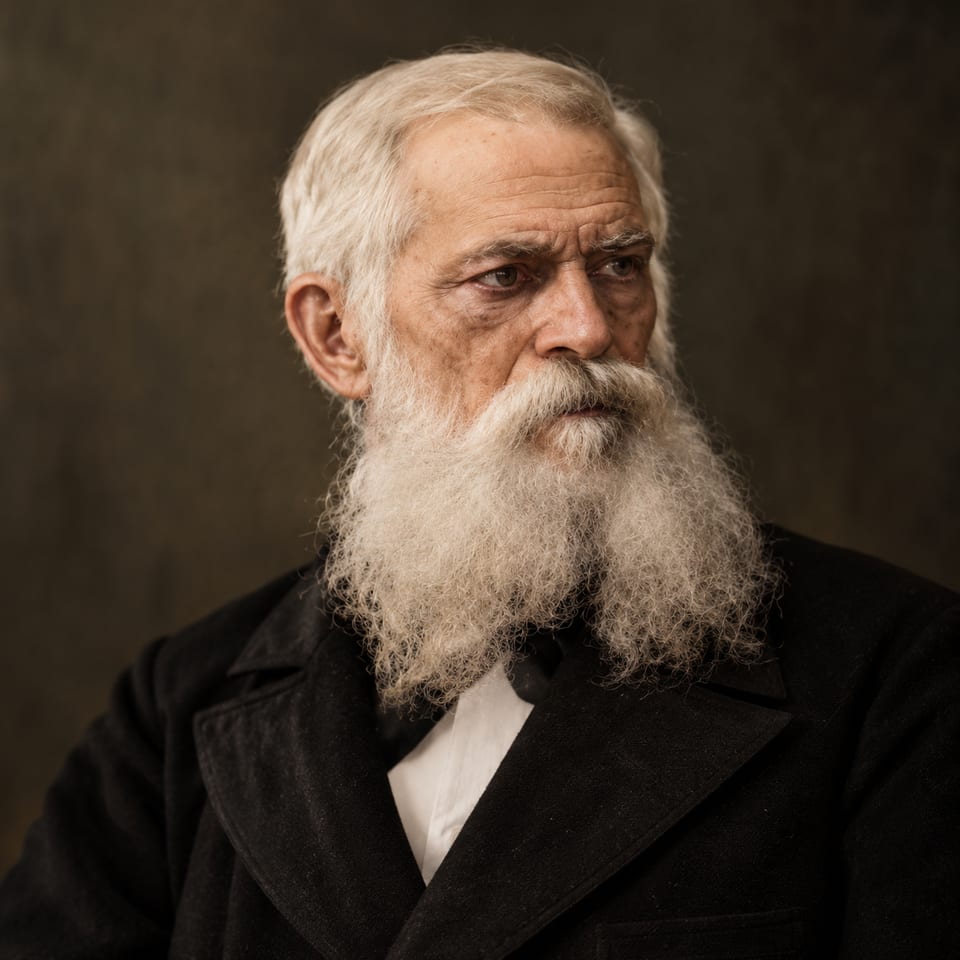
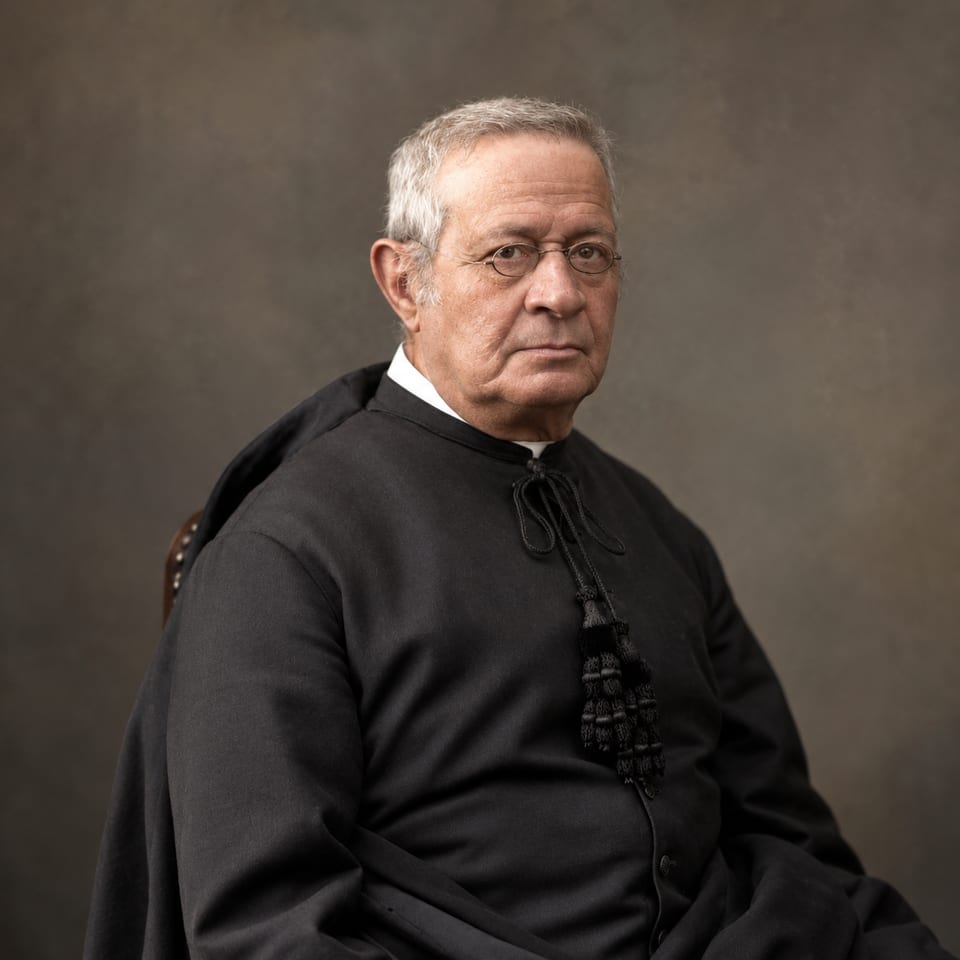
Vicente Ruano y Urquía was born in Agüimes on 3 October 1852. He died on 8 August 1924. His career brought together medical practice, public health administration and participation in Gran Canaria’s scientific and political life. He worked in Telde and Las Palmas, directed the Hospital de San Lázaro and held responsibilities at El Museo Canario. His life illustrates a period in which hospital care, municipal inspection and cultural societies were closely connected.

Historical role

He attended the San Agustín school in Las Palmas before studying medicine and surgery at the San Carlos faculty in Madrid. He subsequently developed an interest in skin diseases and continued his training with Olavide, a specialist at the Hospital de San Juan de Dios. Returning to the Canary Islands in 1877, he settled in Telde, where his father worked as a notary. He was appointed the town’s physician there. In 1884 he moved his practice to Las Palmas and continued his clinical career.

After the death of Domingo José Navarro y Pastrana, Ruano took over the position Navarro had held at the Hospital de San Lázaro. He directed this hospital for patients with leprosy for many years. Together with Dr Millares Cubas, he established a surgical clinic in some of its rooms. They performed operations including pleurotomy and suprapubic bladder surgery, publishing case histories and clinical discussions in the journal El Museo Canario. The clinic eventually closed because surgery could not be adequately combined with the care of patients with a contagious disease in the same hospital.

Ruano served as a medical subdelegate and municipal health inspector. These posts involved him in public health matters and advice to the municipal authorities. In 1923, while heading the island health administration, he became embroiled in a dispute over measures imposed following a bubonic plague outbreak at Puerto de La Luz. Councillors criticised his acceptance of decisions issued by the central administration. The disagreement, reconstructed from council records and contemporary newspapers, forced his resignation. It reveals the tensions between local authorities and the state’s health services.

He also took part in island politics, leading the Liberal Party associated with León y Castillo from April 1902 until December 1907. At El Museo Canario he served as second vice-president during the three-year period from 1905 to 1907. He also became president of the society and organised a series of lectures delivered by different personalities. The documentation consulted does not establish the complete dates of that presidency, so its limits remain unspecified here.

Legacy

Chronic rheumatism restricted his activities towards the end of his life. On his death he bequeathed his library, which included his own professional writings, to the Colegio Oficial de Médicos. This gift extended his connection with the medical profession beyond direct care for patients. His biography therefore brings together the development of clinical medicine, the difficulties of administering public health, and the circulation of knowledge through Gran Canaria’s cultural institutions.

Sources and verification