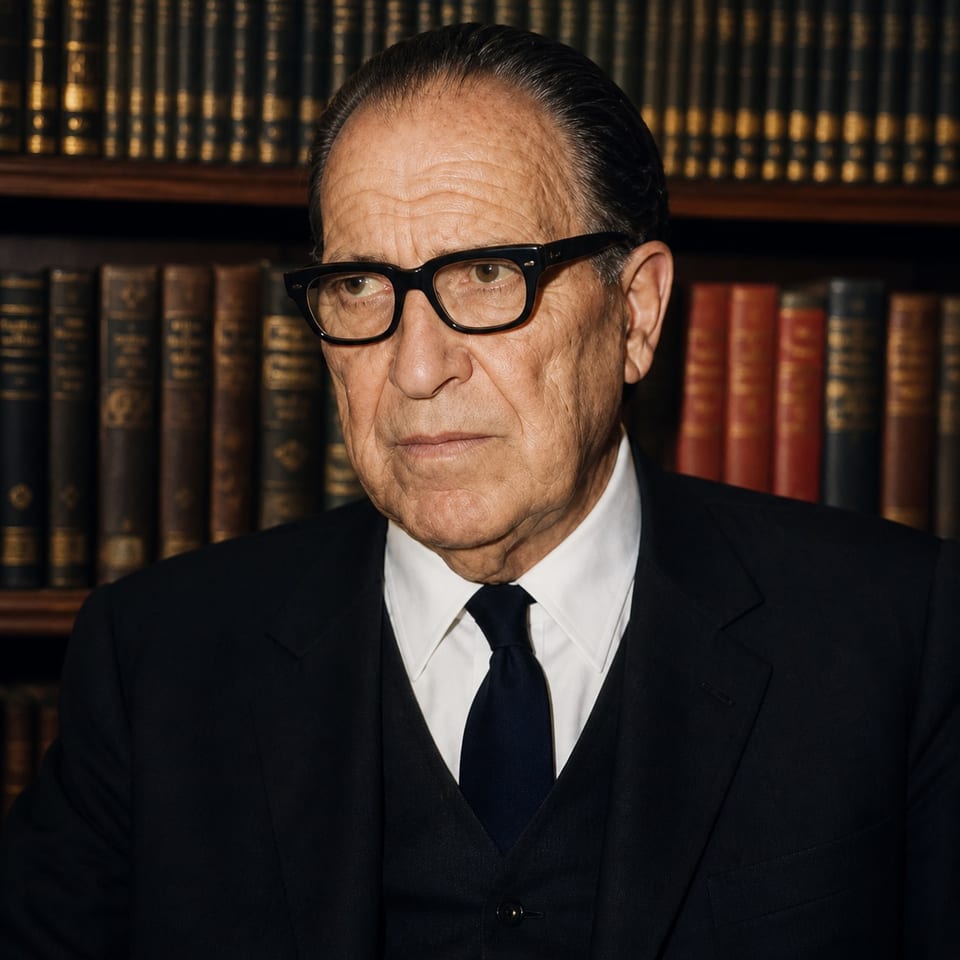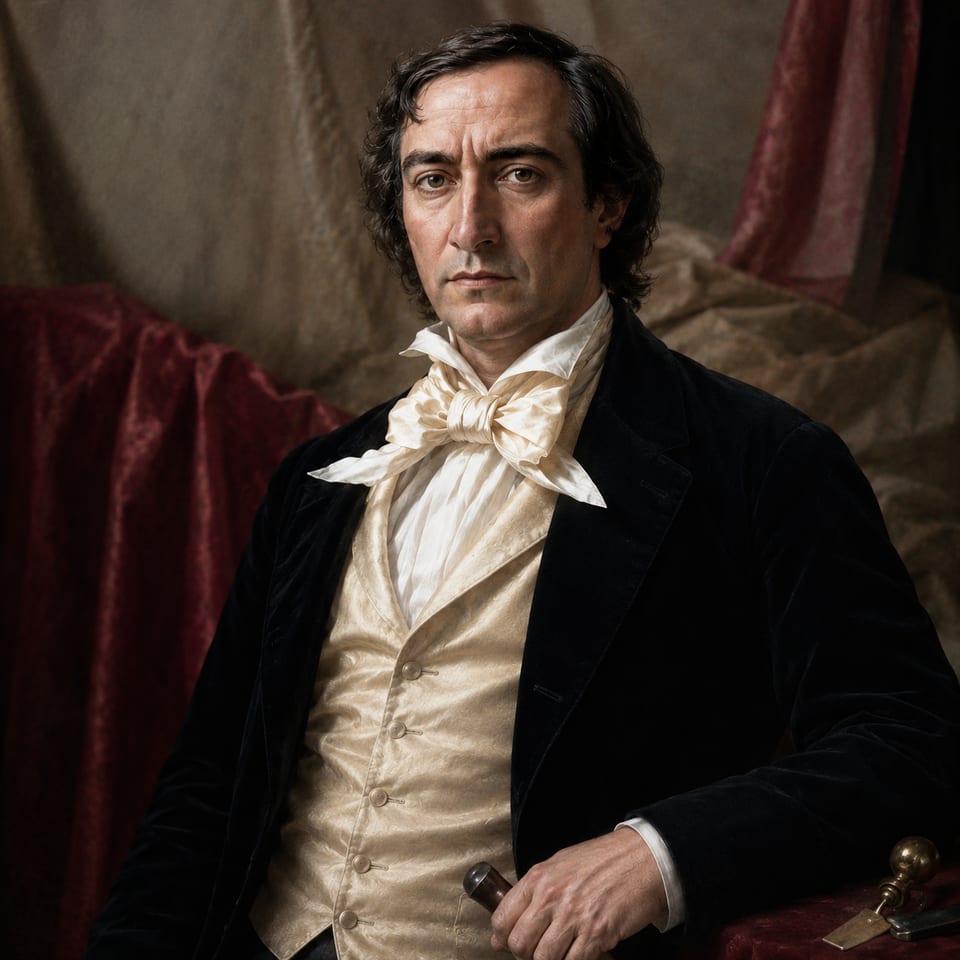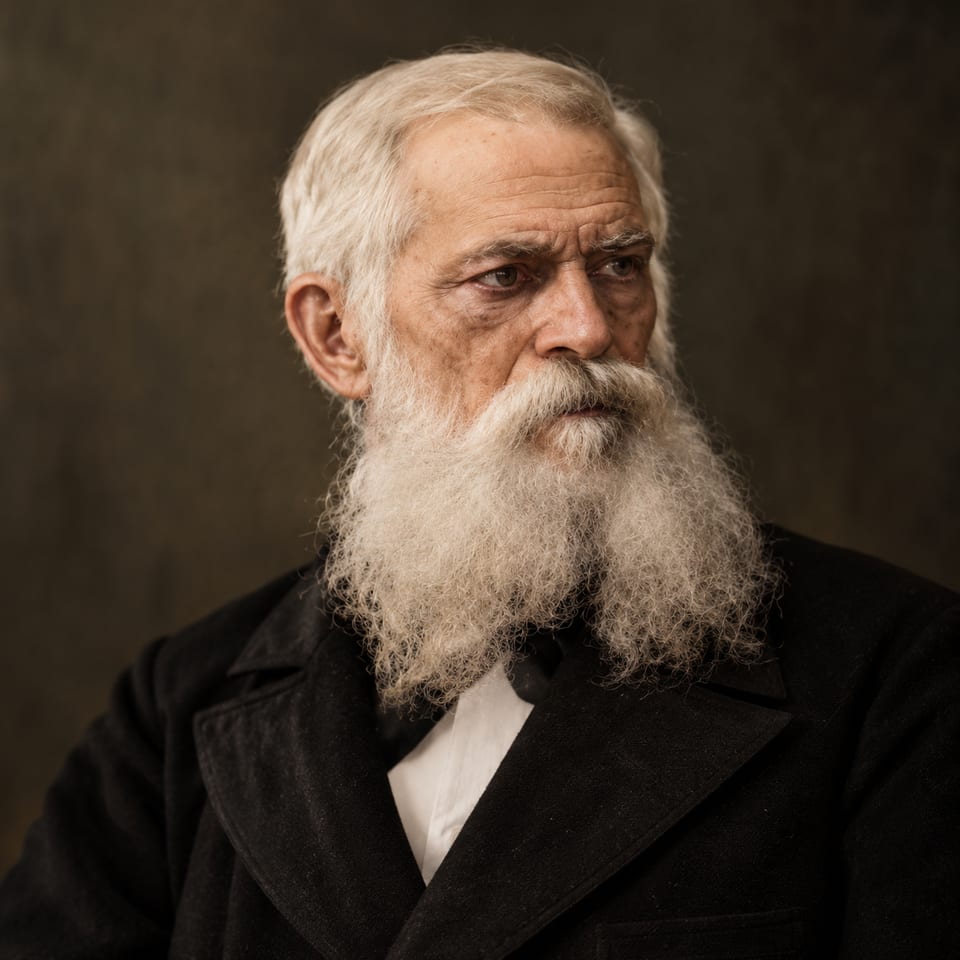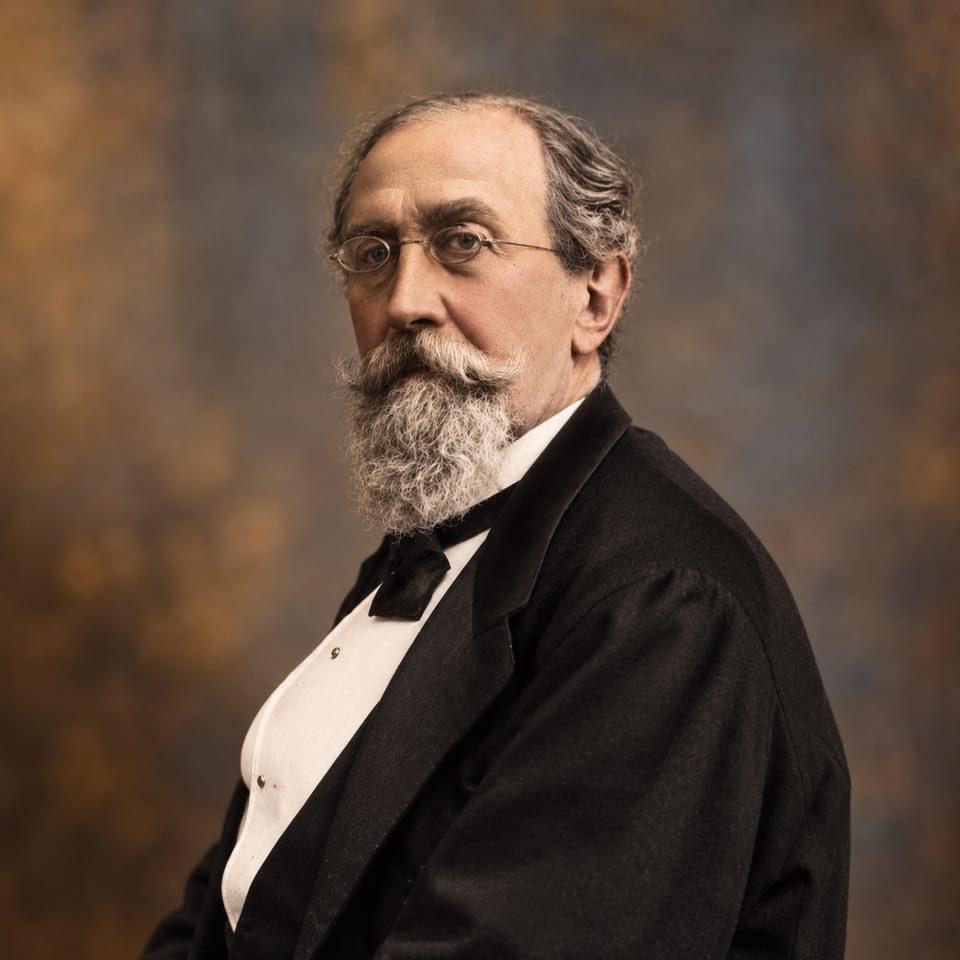
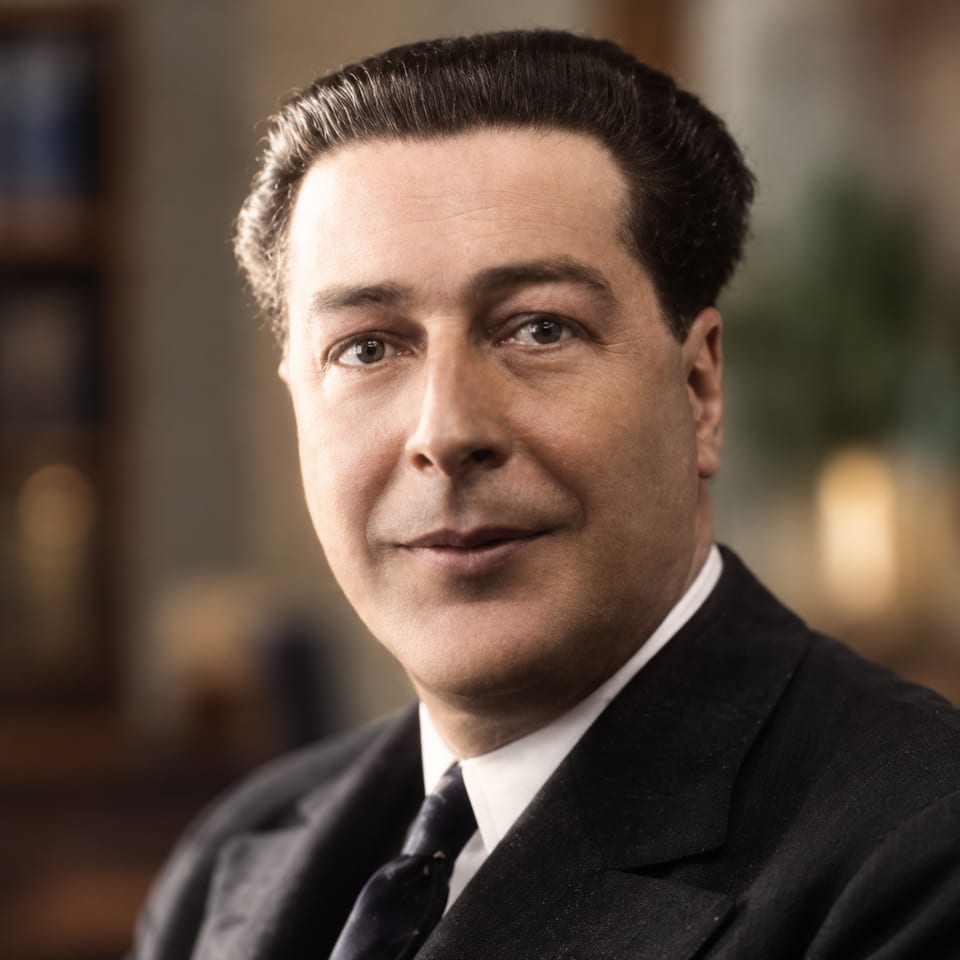
Lawyer and cultural advocate
He combined legal practice with journalism and cultural activity. He participated in the Ciudad del Mar project and presided over El Museo Canario during a period associated with the Civil War.
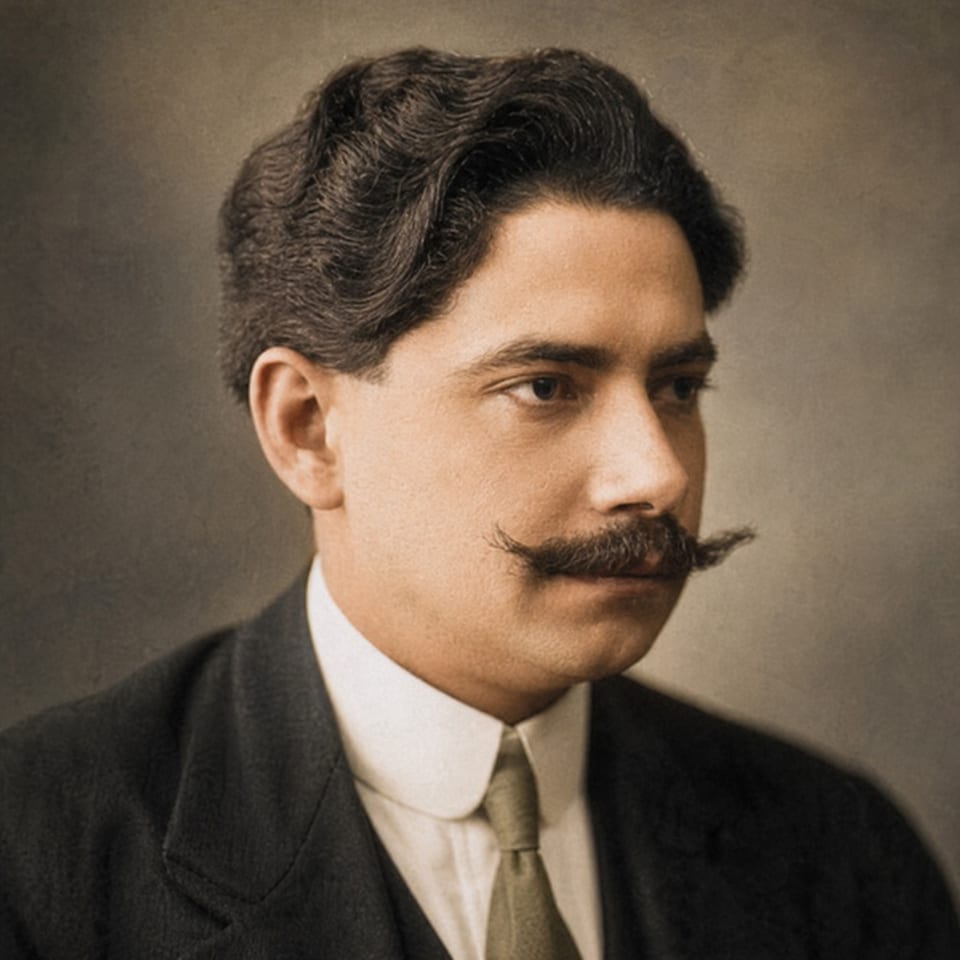
Lawyer and cultural advocate · 1893–1952

Lawyer and cultural advocate
He combined legal practice with journalism and cultural activity. He participated in the Ciudad del Mar project and presided over El Museo Canario during a period associated with the Civil War.
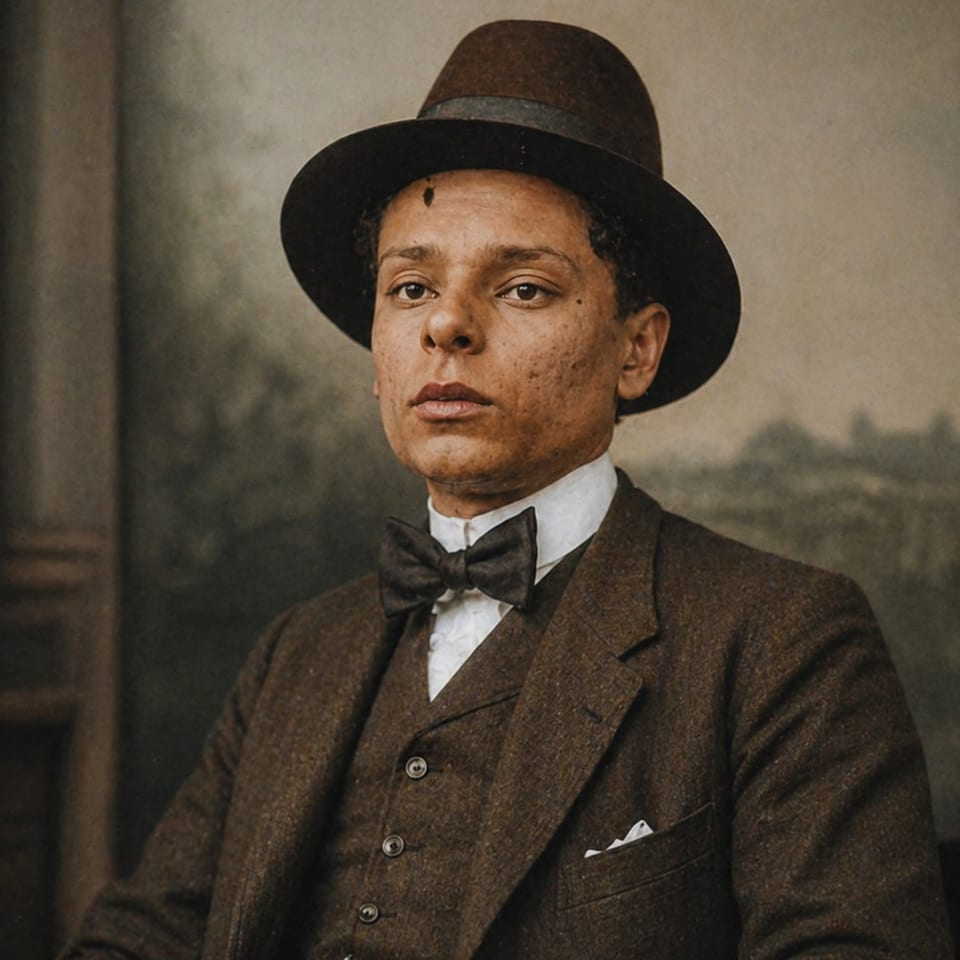
Rafael Cabrera Suárez was born in Las Palmas de Gran Canaria on 8 August 1893. He died on 19 October 1952. A lawyer and intellectual, he developed a career connecting legal practice with journalism, cultural life and the transformation of the city. His association with El Museo Canario lasted for more than thirty years. The avenue named after him also recalls his involvement in Ciudad del Mar, a project associated with the expansion of the Triana district.
He received his early education at the Colegio de San Agustín and graduated in Law from the University of Granada. He then returned to his native city and established a legal practice. He belonged to the Ilustre Colegio de Abogados de Las Palmas and advised companies. His legal work addressed matters concerning municipal electricity services, concessions at the Port of La Luz and water infrastructure. This activity brought his profession into contact with questions affecting the island's public services and public interests.
Literature and the arts occupied another part of his life. He combined legal practice with teaching university subjects and journalism. He wrote in Ecos and El espectador, publications through which he associated with writers, artists and teachers. Eduardo Falcón Marrero's biography names Tomás Morales, Alonso Quesada, Claudio de la Torre, Saulo Torón and Agustín Millares Carlo among them. These relationships form part of a cultural career extending beyond his professional work as a lawyer.
He also participated in political life. He was associated with the Unión General de Trabajadores, contributed to El socialista and briefly held municipal and island responsibilities. As his commitment to his legal practice increased, his cultural involvement became concentrated on El Museo Canario, an institution with which he had been associated since his youth. He held governing positions for almost two decades and served as president for four years. The precise dates of these responsibilities are not fixed here because they require a specific documentary reconstruction.
The institutional article places that presidency in the context of the Civil War and describes the museum as a meeting place and refuge for persecuted progressive intellectuals. This is the author's historical interpretation of the society's cultural role during that period. Cabrera remained associated with the institution until the end of his life. His contribution therefore includes the preservation of a setting for intellectual exchange, alongside the formal duties he performed in its administration.
In urban development, he played an important part in Ciudad del Mar, a project carried out by Cidelmar S. A. to reclaim land from the sea beside Triana. The initiative envisaged a coastal avenue, the Avenida Marítima, and another inland street with new buildings, today's Avenida Rafael Cabrera. The latter runs between the area of the Teatro Pérez Galdós and the former Las Palmas harbour, near San Telmo. His memory thus links the history of urban services and the city's expansion with the legal, journalistic and cultural activity of a professional involved in several institutions of Gran Canaria.