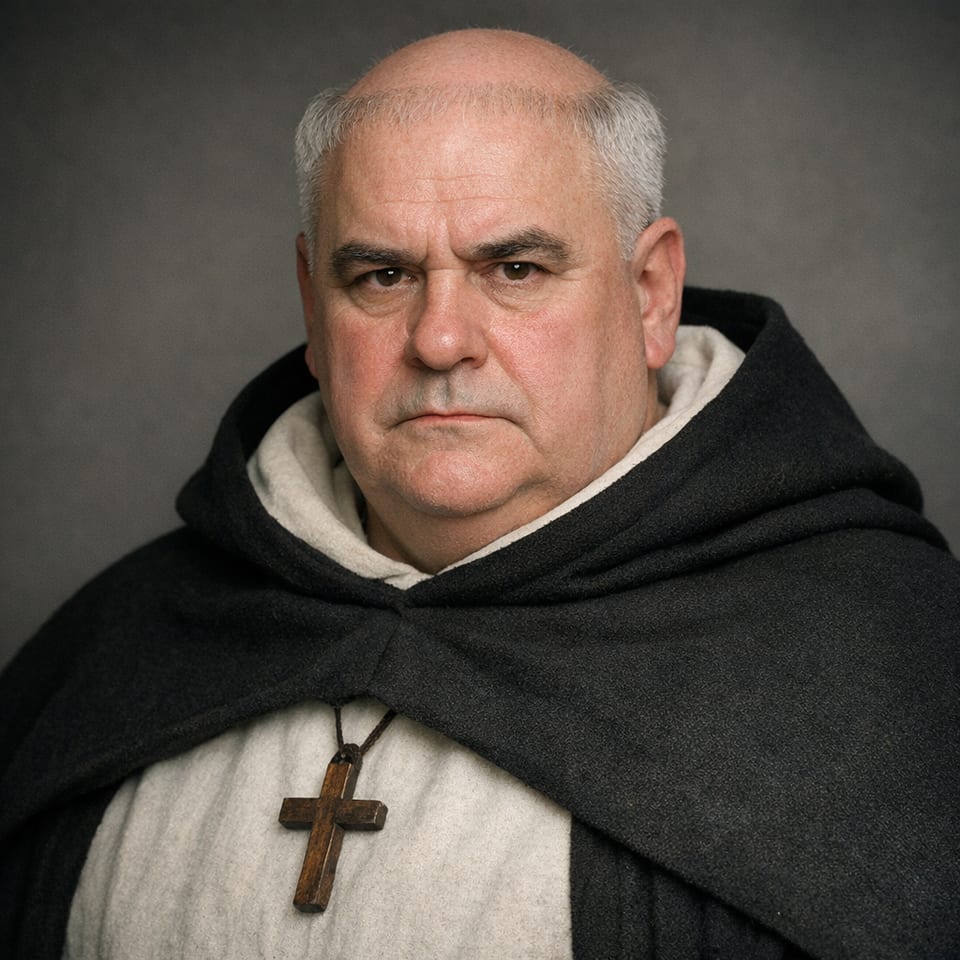

Nicoloso da Recco
Pre-HispanicHistory14th CenturyThe 1341 expedition

Genoese navigator

Genoese navigator who in 1341 led, together with the Florentine Angiolino del Tegghia de' Corbizzi, the expedition organised by Afonso IV of Portugal that explored the Canary Islands. Giovanni Boccaccio preserved the account in his De Canaria, the first systematic European description of the Canarian Indigenous societies. He was probably born in the early 14th century. He probably died in 1364.
Early life

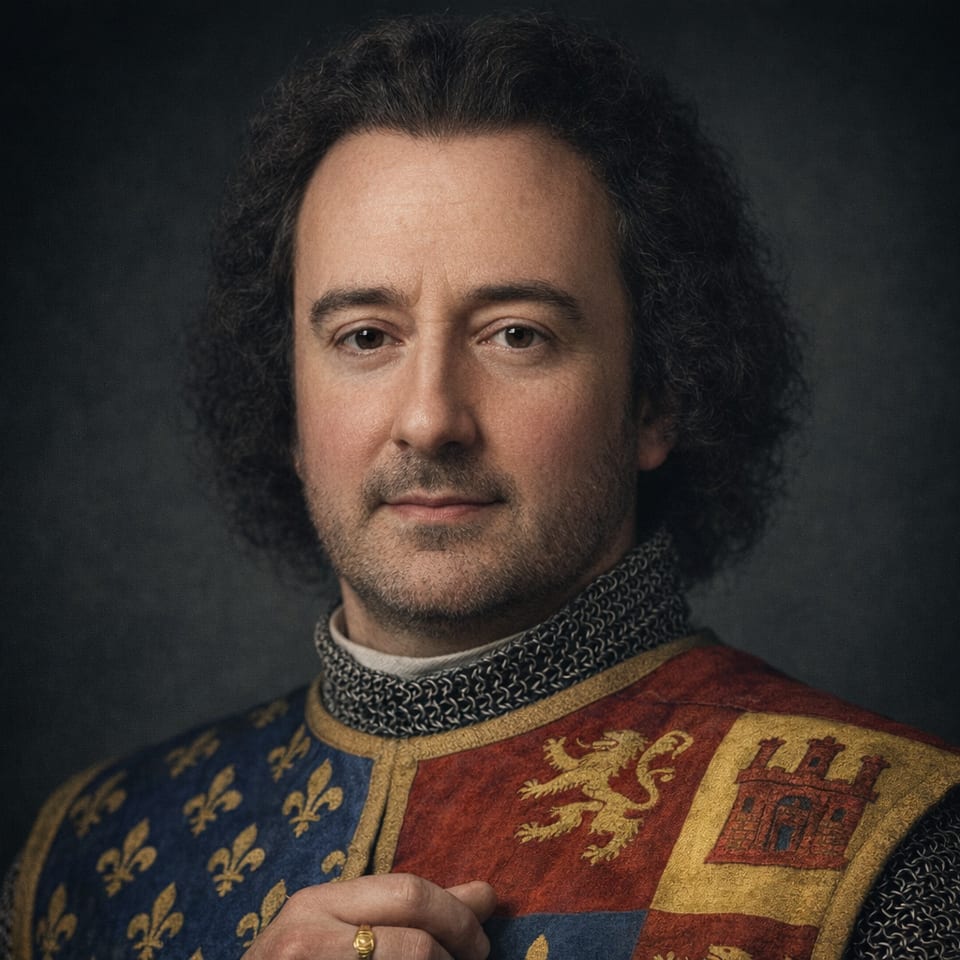
Nicoloso da Recco was a Genoese navigator and businessman, protagonist of one of the most important Atlantic enterprises of the 14th century. He was probably born in the early years of that century in Genoa, into a family originating from the town of Recco on the eastern Ligurian coast, already established in the city during the 13th century. Although historiography has attributed noble rank to him, this is not entirely secure; what the Genoese notarial records do document is his insertion into the circles of economic power of the city: he married a daughter of the noble Guglielmo Cattaneo, had a son, Michele, named as a witness in an act of 1352, and probably lived with his family near the church of Nostra Signora del Carmine in Genoa, where his funerary inscription would later be carved.

Historical role

His name was unknown to historiography until 1826, when Sebastiano Ciampi identified in the Zibaldone Magliabechiano of the Biblioteca Nazionale Centrale of Florence a minor work by Giovanni Boccaccio, the De Canaria et insulis reliquis ultra Hispaniam in Oceano noviter repertis, which recounted the expedition of 1341. That year, Nicoloso led, together with the Florentine Angiolino del Tegghia de' Corbizzi, an expedition organised by King Afonso IV of Portugal that explored the Canarian archipelago for several months, surveyed its islands and gathered detailed news of its inhabitants, some of whom were taken and transported to Lisbon. The expedition probably also reached Madeira and the Azores for the first time, and its narrative is remarkable for an almost ethnographic attention to the Guanches that anticipates the Portuguese cartas de descobrimento of later centuries.

The enterprise belongs to the Portuguese Atlantic programme begun with the Genoese admiral Manuel Pessagno, in dynastic service since 1317, and heir to the initiative of the Vivaldi brothers, lost in 1291. The silence of the Genoese archives is explained by the fact that the expedition was organised under Portuguese aegis and the Portuguese guarded the secrecy of their oceanic operations jealously. On his return, Nicoloso met in Seville with Florentine merchants, to whom he passed the news of the voyage and who forwarded to their company a letter sealed on 15 November 1341; Boccaccio recast that account into classical Latin. He may have returned to Genoa around 1344, once the Algeciras campaign was over.

Legacy

Of his death one probable clue survives: a lost inscription of the Carmine church, dated 20 December 1364, which ordered a perpetual mass for the soul of Nicolosius de Recco, transmitted by an 18th-century scholar. A 16th-century genealogical source places him in public office until 1387, dates that may belong to a namesake. His legacy is considerable: the 1341 expedition is one of the fundamental documentary milestones of contact between the Canaries and Europe before the conquest, and the De Canaria is the first systematic description of the Canarian Indigenous societies made in Europe.

Timeline

  1. siglo XIVHe was probably born in Genoa, into a family originating from the town of Recco.
  2. 1341He led, together with the Florentine Angiolino del Tegghia de' Corbizzi, the expedition organised by Afonso IV of Portugal that explored the Canarian archipelago.
  3. 1341November 15, 1341Florentine merchants established in Seville sealed the letter on which the account of the expedition is based.
  4. c. 1342Giovanni Boccaccio composed the De Canaria, a Latin recasting of the information received from the merchants.
  5. 1344He may have returned to Genoa after the conquest of Algeciras, according to the DBI hypothesis.
  6. 1364December 20, 1364A lost funerary inscription of the Carmine church in Genoa, dated 20 December, ordered a perpetual mass for his soul.

Sources and verification

  • NICOLOSO da Recco · Dizionario Biografico degli Italiani, vol. 78 (2013), Treccani
  • Monumenti d'un manoscritto autografo di Messer Gio. Boccacci da Certaldo · Florencia, 1827
  • Mallorquines y Canarias · Bierehite 6 (2019), Museo de Historia y Antropología de Tenerife