Fray Bartolomé
Pre-HispanicReligion14th CenturySecond bishop of the Islas Afortunadas

Second bishop of the Islas Afortunadas

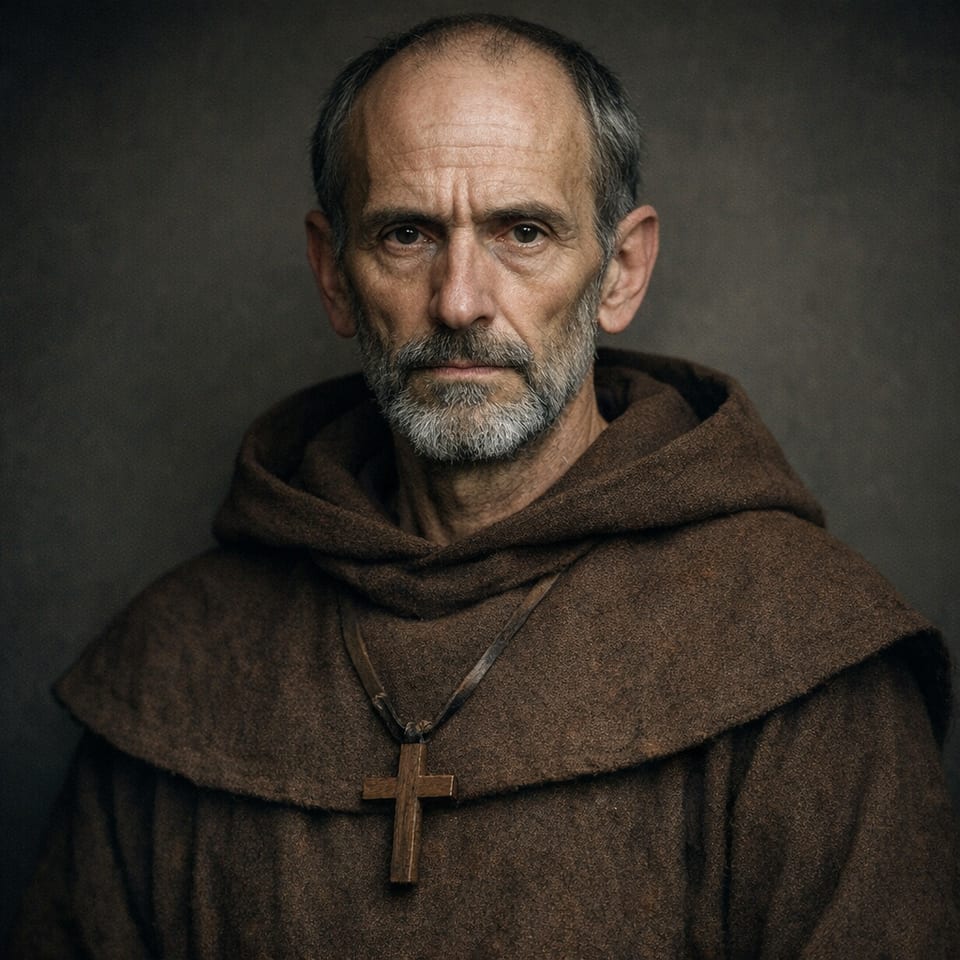
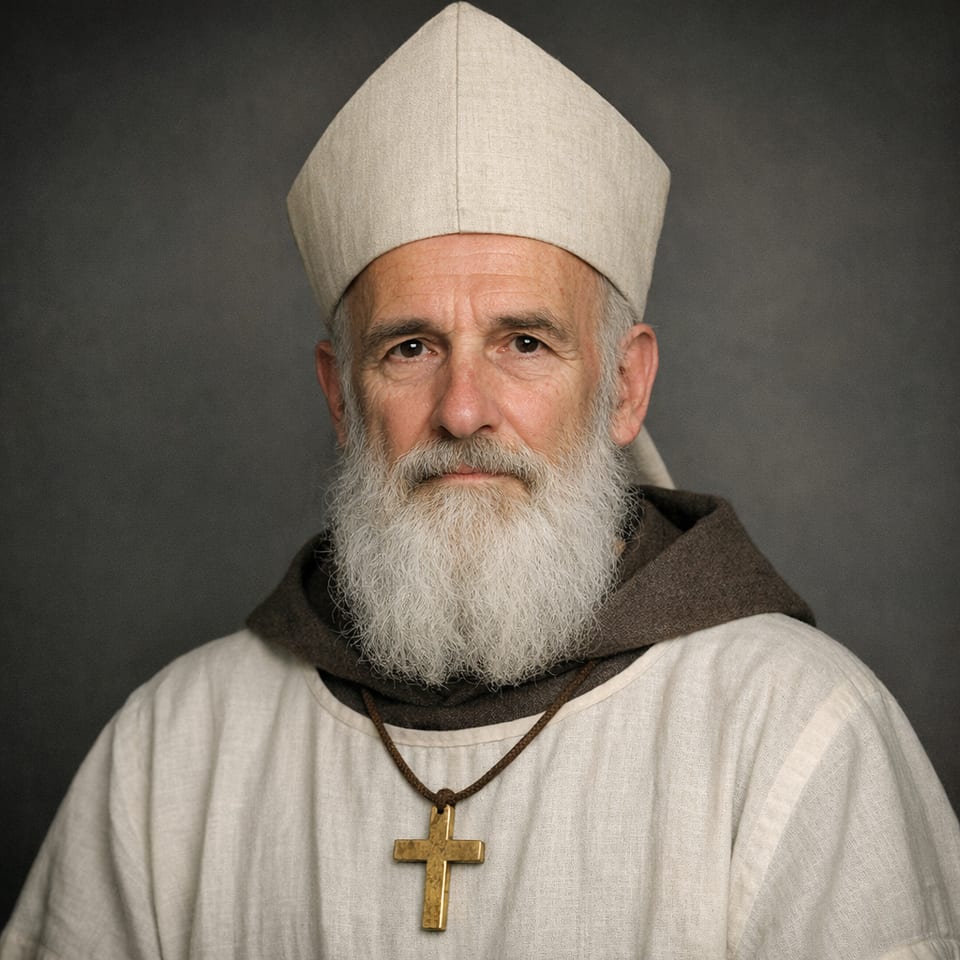
A Dominican friar of uncertain surname, second bishop of the Islas Afortunadas. Innocent VI appointed him on 2 March 1361, during the vacancy left by Bernardo Font's departure. He died around 1362, barely a year later, and probably never reached the islands; the see fell vacant again between 1362 and 1369.
Early life

Fray Bartolomé, a friar of the Order of Preachers, is the second documented bishop of the bishopric of the Islas Afortunadas, the short-lived missionary see erected for the Canaries by Clement VI in 1351. Even less is known about him than about his scarce colleagues in the see: neither his birthplace nor his year of birth is recorded, his surname is uncertain, and it is not even confirmed that he ever set foot in the archipelago. His passage through Canarian ecclesiastical history is brief and almost entirely documentary: an appointment letter and a premature death.

Historical role

The see had fallen vacant in 1354, when the first bishop, the Carmelite Bernardo Font, was transferred to Santa Giusta, in Sardinia, and it remained without a titular for seven years. On 2 March 1361, Pope Innocent VI appointed the Dominican friar Bartolomé to it. The appointment letter has been reproduced by the historian Francisco García Santos in his study of the Lullian evangelisation and the bishopric of Telde (Almogaren, 1992, pp. 81-82), the fundamental academic source for this episode. The collection Documentos episcopales canarios, preserved in the Memoria Digital de Canarias, summarises the fact thus: Innocent VI names as his successor the Dominican friar Bartolomé, in 1361.

The new bishop died around 1362, barely a year after his appointment. The speed of his disappearance, together with the silence of the sources about any activity of his in the archipelago, makes it very likely that he never effectively exercised his office in the Canaries. The see fell vacant again, this time between 1362 and 1369, prolonging an intermittency that characterised this missionary bishopric from its creation: an institution that existed in the papal documents long before it existed as a pastoral reality in the islands.

Legacy

The episcopal succession of the see can be reconstructed clearly: Bernardo Font (1351-1354), Fray Bartolomé (1361-c. 1362), Bonanat Tarí (from 1369) and Jaime Olzina (from 1392). Within that chain, Bartolomé represents the most fragile link, an appointment that illustrates the tenacity —and the limitations— of the papal project to establish an ecclesiastical hierarchy in the Canaries before the Castilian conquest. Almost nothing can be written about him beyond his appointment and his death, and that very scarcity is the relevant historiographical datum: it reflects the distance between the religious policy of the Avignon court and the actual conditions of the archipelago during the fourteenth century, where no stable Christian community yet existed to sustain a diocese. García Santos has further questioned whether the bishopric of the Islas Afortunadas of 1351-1411 really corresponded to the see of Telde in Gran Canaria or to a merely titular or projected appointment, while the traditional identification with Telde — Rumeu de Armas, Eubel, Catholic-Hierarchy — remains the most widely followed.

Timeline

  1. 1361March 2, 1361Innocent VI appointed him second bishop of the Islas Afortunadas.
  2. 1362He died barely a year after his appointment; the see remained vacant until 1369.

Sources and verification