ContemporaryCulture19th CenturyCommercial education and economic communication

Lawyer and director of the Escuela de Comercio

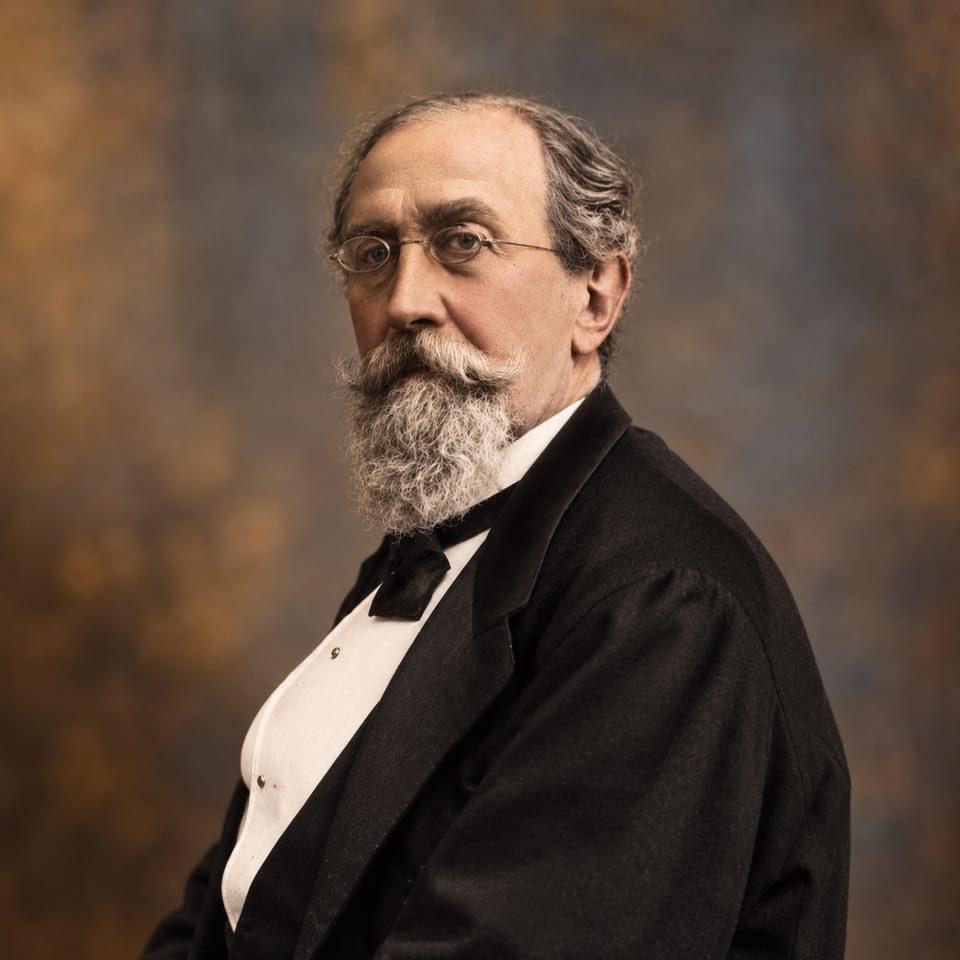
Director and professor of the Escuela de Comercio in Las Palmas, a lawyer and director of the Real Sociedad Económica de Amigos del País. He supported the sugar industry and participated in founding El Museo Canario.
Early life

Mariano Sancho y Chía was a lawyer, teacher and participant in Gran Canaria’s nineteenth-century economic debates. He directed the Escuela de Comercio in Las Palmas and the Real Sociedad Económica de Amigos del País, and belonged to the group that founded El Museo Canario. His career connects commercial education, legal practice and the promotion of economic development initiatives. His birth and death dates and the places of those events remain unverified and are omitted from this biography.

Historical role

In 1880, the journal El Museo Canario identified him as director and professor of the Escuela de Comercio, which had already been abolished. This testimony establishes an earlier teaching responsibility without determining every year of service. His knowledge of commercial matters also reached public lectures: he delivered an address about the usefulness of free-port arrangements for agriculture. The contemporary report highlighted the presentation of his economic ideas within a programme of agricultural communication.

Education was another subject of his public involvement. The Sociedad Económica’s annals for 1879 included a speech by him about freedom of teaching. The Museum’s journal reviewed it the following year, identifying him as the society’s director. That mention establishes a specific contribution to the educational debate, rather than a complete chronology of his term. He also served on a commission of the Sociedad Económica that jointly signed two reports published in Las Palmas in 1875–1876.

His involvement in the College of Lawyers provides further specific examples. In March 1880, together with Santiago Ramírez Rocha and Tomás García Guerra, he presented a report on an offer from the editors of El Foro Canario for the College to continue the journal. The commission argued that it should not become the corporation’s official publication because conflicts could arise between members’ professional cases and editorial policy. Sancho also participated in the protest by fourteen lawyers who abstained from appearing before Judge José Muñoz Gaviria while continuing to handle exceptionally urgent matters. Rafael Lorenzo y García and Felipe Massieu y Falcón were among those involved.

As director of the Real Sociedad Económica, he supported the sugar industry. In 1883 he presented it as an alternative to the crisis in cochineal, with prospects of returns and stable employment. Santiago de Luxán’s study places this position within debates about agricultural and industrial modernisation. His advocacy of the economic project is documented, without assigning him the implementation of every initiative in the sector.

Legacy

His participation in founding El Museo Canario in 1879 added another cultural dimension to these activities. The founding document includes him among those promoting a museum and library for studying the Canary Islands. Sancho’s career therefore brought commercial education and legal practice together with economic communication and the creation of cultural institutions. These documented contributions provide the basis for assessing his historical significance beyond a single institutional office.

Sources and verification