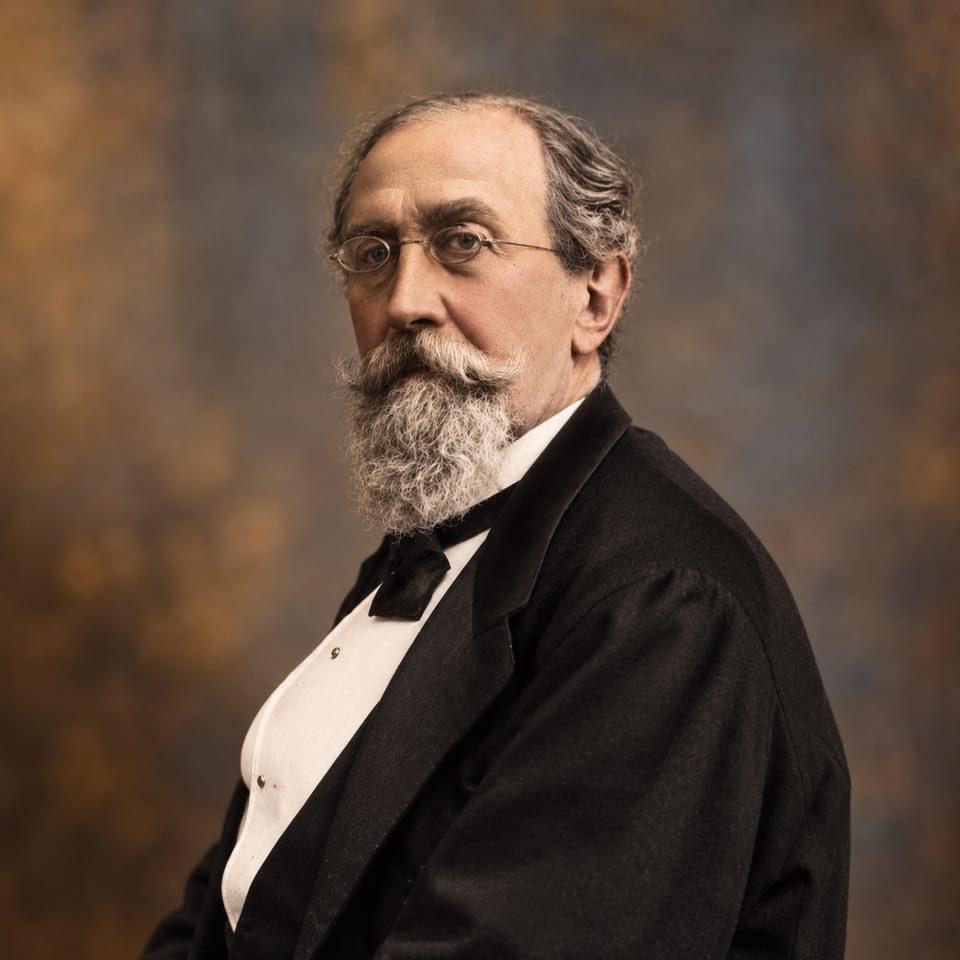
Lawyer, deputy, poet and essayist
A lawyer and deputy for Las Palmas, poet and essayist. He contributed to legal debates on university reorganisation and to Gran Canaria’s cultural institutions.
Lawyer, deputy, poet and essayist · 1933–2021
Lawyer, deputy, poet and essayist
A lawyer and deputy for Las Palmas, poet and essayist. He contributed to legal debates on university reorganisation and to Gran Canaria’s cultural institutions.
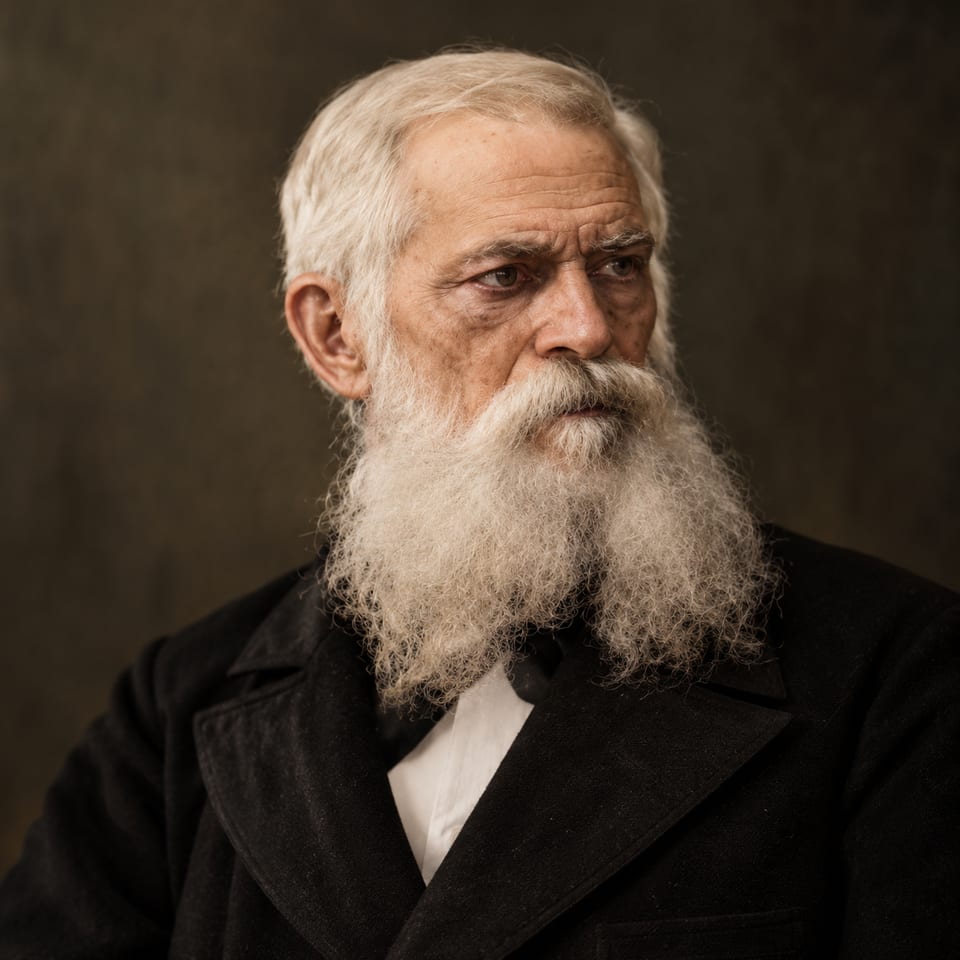
Felipe Baeza Betancort was born in Las Palmas de Gran Canaria in 1933. He died in the same city on 16 October 2021. A lawyer, member of parliament, poet and essayist, he combined public activity with reflection on the political organisation of the Canary Islands and participation in Gran Canaria’s cultural life. His career encompassed legal practice, parliamentary work and a literary output that began within the poetic circles of the 1950s.
Jorge Rodríguez Padrón places him among the writers of the mid-century generation, in contact with Manuel González Sosa, Arturo Maccanti and Antonio García Ysábal. His poems appeared in Gánigo and the San Borondón poetry publications. He also contributed to Nosotros, a university magazine in La Laguna, where he published illustrations. In 1963 he debated Pedro Lezcano about the continuing relevance and crisis of socially engaged poetry through Cartel de las Artes y las Letras, the cultural supplement of Diario de Las Palmas.
Literary criticism and translation broadened these interests. In 1967 he published La amada más distante, an essay on Pedro Salinas’s poetry. His translated collections included Diez poetas checoslovacos in 1969 and 50 poemas ingleses in 1970. The profile issued by the arbitration tribunal of the Real Sociedad Económica de Amigos del País de Gran Canaria also identifies him as an official translator of English, French and German. This engagement with languages accompanied a professional legal career involving several bar associations.
The same profile records his admission to the Las Palmas bar in 1961, Madrid in 1972 and Santa Cruz de Tenerife in 1982. He chaired the Economic Society’s arbitration tribunal and served on governing boards of the Las Palmas bar association, El Museo Canario and the Economic Society itself. In politics, he held a leadership role in Alianza Popular and represented Las Palmas as a Partido Popular deputy between 1989 and 1993. During the fourth parliamentary term he belonged to the Constitutional and Foreign Affairs committees of the Congress of Deputies.
An important legal contribution concerned the reorganisation of universities in the Canary Islands. In a testimony published by the Economic Society, Antonio Núñez describes Baeza’s work through the Fundación Universitaria de Las Palmas in developing arguments concerning regional powers and the basic structures of universities. The dispute reached the Constitutional Court. Its judgment 106/1990, delivered on 6 June, found that the challenged provisions of Law 5/1989 did not breach university autonomy. Baeza’s contribution formed part of a collective undertaking involving public institutions and other legal specialists.
His essays included Ensayo de organización de la región Canaria, Aproximación jurídica al contencioso de Gibraltar and Canarias y el principio archipielágico. In 2011 El Museo Canario unanimously approved his appointment as an honorary member, recognising his legal and literary achievements and his service to the institution. His biography consequently connects political and university debate with literature and the cultural associations of Gran Canaria.