ContemporaryPolitics19th CenturyRepublicanism and cultural life

Republican politician, musician and journalist

Senator for Canarias, deputy during the First Republic and founder of El Museo Canario. His musical activity in Guía and Las Palmas and newspaper leadership accompanied a long career in public life.
Early life

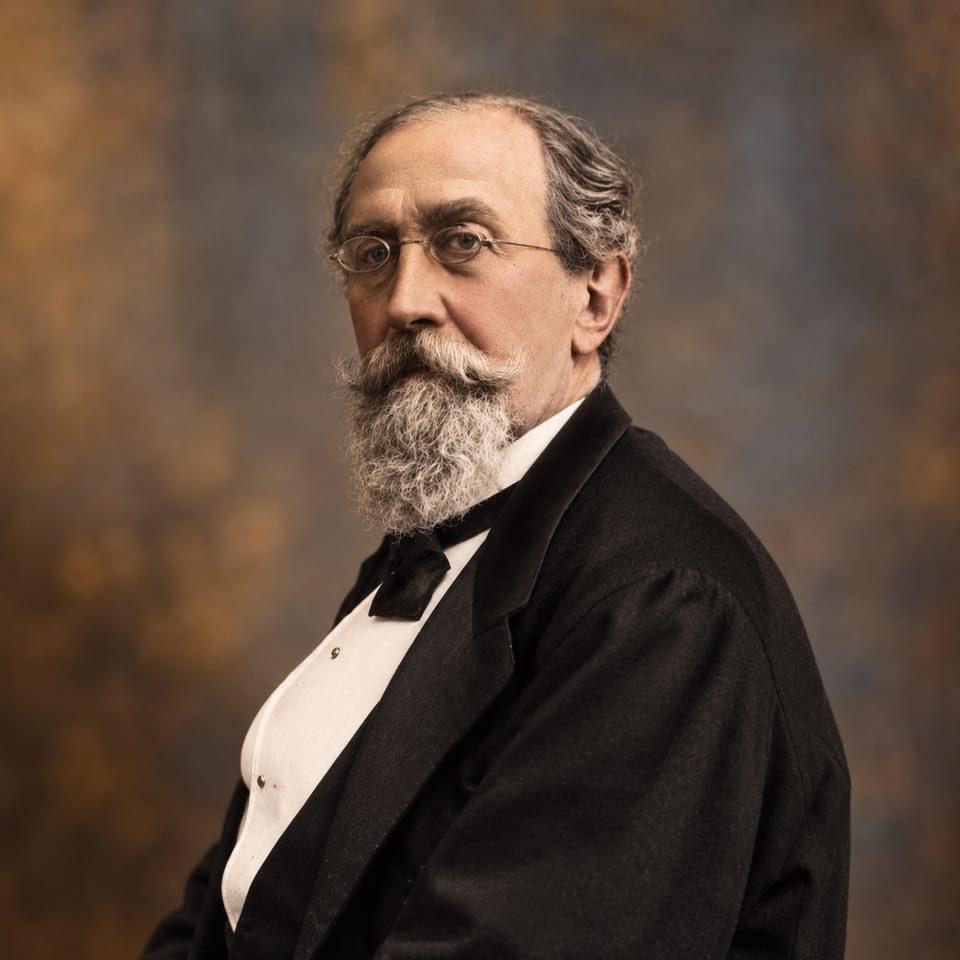
Eufemiano Jurado Domínguez was a republican politician, musician and journalist who became firmly established in Gran Canaria. His career combined parliamentary activity with organising concerts, directing newspapers and supporting cultural associations. He participated in the founding of El Museo Canario and in public life during the Sexenio Democrático. His biography reveals the connection between musical and cultural initiatives and the political debates of nineteenth-century Gran Canaria.

Historical role

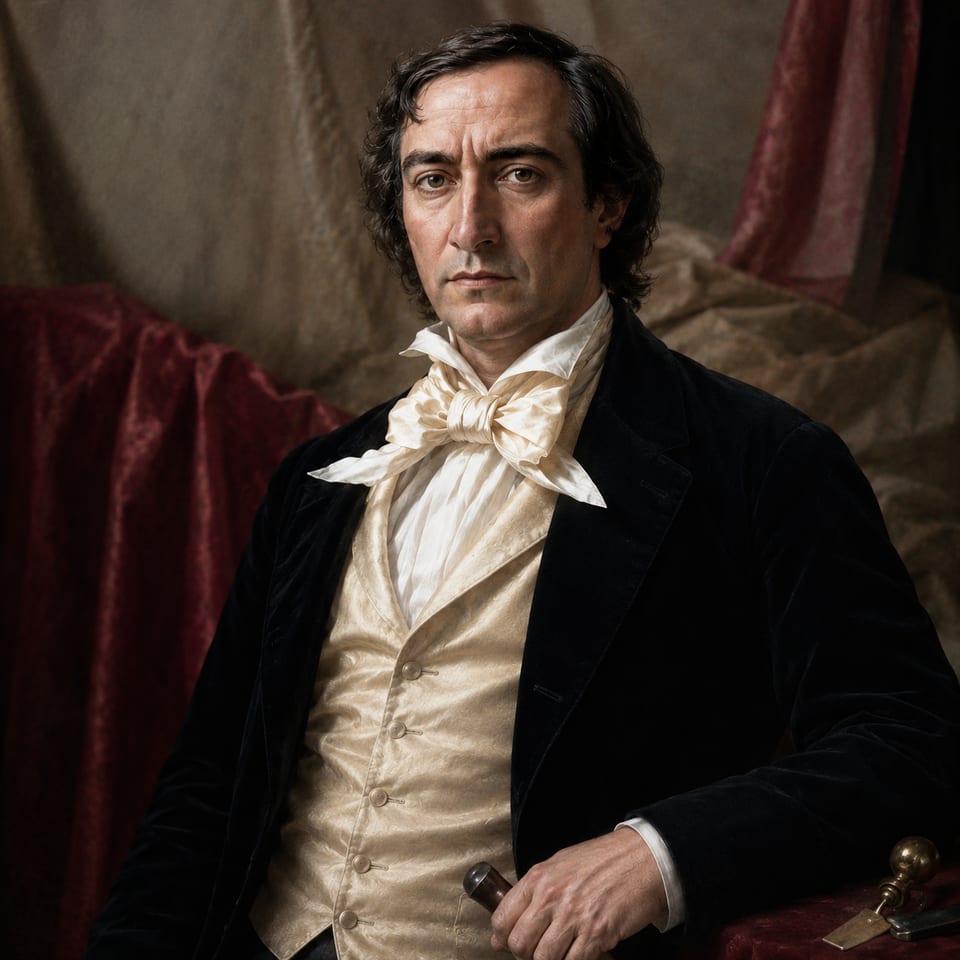
He was born in Antequera into a family associated with music. His father, Miguel Jurado Bustamante, was a chapel master. Eufemiano spent part of his youth in Guía, where he promoted a music band and organised theatrical performances and concerts. Francisco González Díaz’s portrait of him, published in 1901, recalled this work and his participation as a singer. He subsequently settled in Las Palmas, established the musical society La Unión and became a founder, conductor and honorary member of the Sociedad Filarmónica.

His musical activities included composition and vocal performance. El Museo Canario documents the anthem first performed in 1852, with words by Carlos Grandy Caviedes and music by Jurado. It also records a mass and a cornet solo presented at the cathedral in 1867. His career extended beyond individual performance: he helped organise settings where others could hear music and participate in cultural life.

Newspapers offered another means of intervention. He wrote for El Ómnibus and directed El Eco de Gran Canaria, La Moralidad and El Pueblo. González Díaz, who knew him, recalled his measured manner of speaking at public gatherings and described his republicanism as moderate and doctrinal. This testimony offers a contemporary interpretation of his political style, rather than an independent assessment of every action he took.

In 1841 he was elected a provincial deputy for Gáldar. During the revolution of 1868 he served as secretary of Gran Canaria’s Revolutionary Junta and interim civil governor of the eastern group of islands. He was elected senator for Canarias in 1872. His Senate file preserves descriptions of the electoral record from September and the admission approved in October. In 1873 he secured a seat in the constituent Cortes of the First Republic, where he helped defend a territorial arrangement addressing the interests of the two main islands.

Legacy

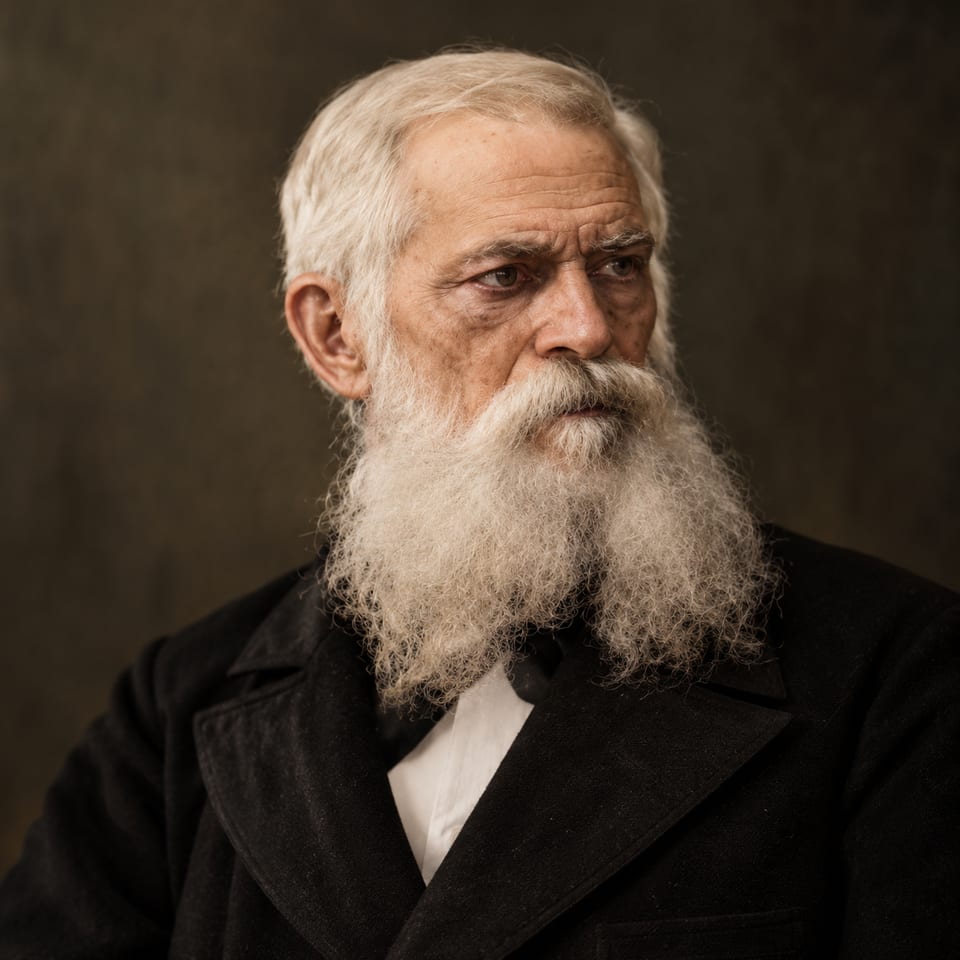
Jurado also belonged to Freemasonry, under the name Guiniguada, and held responsibilities in the Afortunada lodge. He was one of the seventeen signatories to the constitution of El Museo Canario and continued collaborating with the society. In 1881 he chaired the board organising the bicentenary of Calderón de la Barca’s death, an initiative supported by the Museum. He died in Las Palmas de Gran Canaria on 29 April 1888. His legacy brings together political representation, journalism, music and participation in cultural institutions.

Sources and verification