ContemporáneaLiterature20th CenturyCanarian poetry of the second half of the 20th century

Poet, writer and journalist

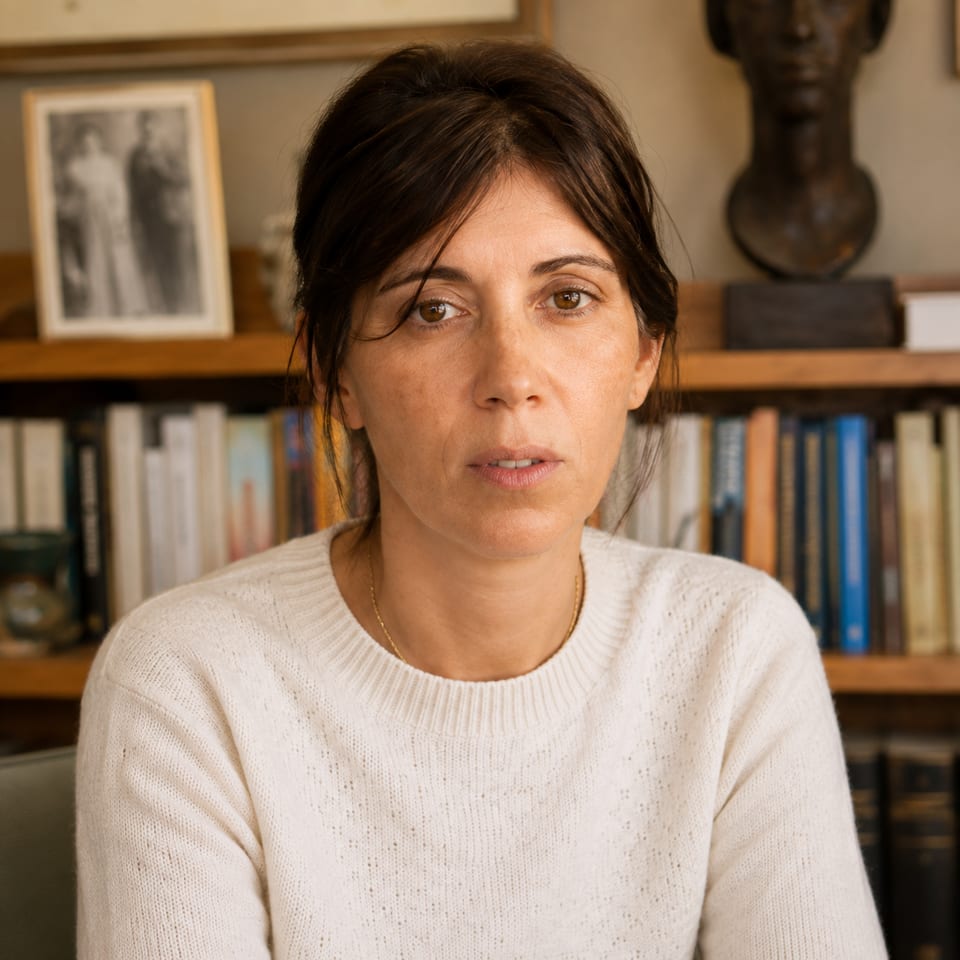
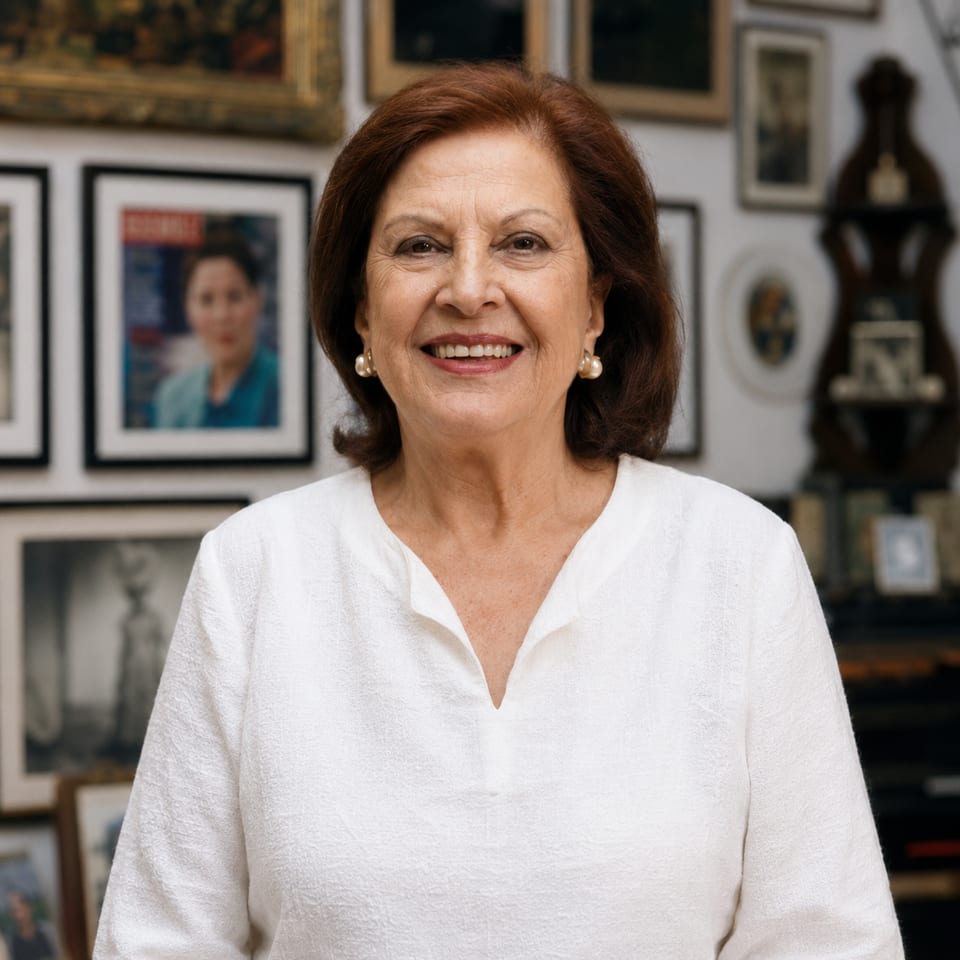
Natalia Sosa Ayala was a poet, writer and journalist born in Las Palmas de Gran Canaria on 27 March 1938 and deceased in the same city in 2000. Her writing, marked by intimacy, desire, solitude and social critique, holds a distinctive place in Canarian literature of the second half of the 20th century.
Early life

The daughter of poet Juan Sosa Suárez, she grew up in a family environment of reading and literary gatherings that encouraged an early entry into writing. At seventeen she published the novel Stefanía and, from the mid-1950s, contributed poetry, stories, criticism and opinion pieces to journals and newspapers such as Guiniguada and Mujeres en la isla.

Historical role

Her prose includes Stefanía, Cartas en el crepúsculo and Desde mi desván y otros artículos. Neurosis. Cartas. Her poetry was established with Muchacha sin nombre (1980), Autorretrato (1981), Diciembre (1992) and Cuando es sombra la tarde (1999). Critics have noted in these books the tension between autobiographical voice, desire, incomprehension, the search for refuge and observation of the social norms of her time.

Legacy

After the hemiplegia she suffered in 1989, her output was interrupted. The later recovery of her work has been decisive: Los poemas de una mujer apátrida appeared in 2003, while No soy Natalia (2018) and Soy éxodo y llegada (2021) brought together scattered texts and poetry collections. The Government of the Canary Islands dedicated the 2021 Day of Canarian Letters to her, broadening public reading of an author long relegated.

Timeline

  1. 1938Born in Las Palmas de Gran Canaria.
  2. 1959Publishes Stefanía, her first novel.
  3. 1981Publishes Autorretrato.
  4. 2000Dies in Las Palmas de Gran Canaria.
  5. 2021The Day of Canarian Letters is dedicated to her; Soy éxodo y llegada is published.

Sources and verification