Agricultural technician, environmental educator and photographer
An Island Council technician who contributed to reforestation and the botanical garden; his photographic archive preserves the island’s environmental history.
Agricultural technician, environmental educator and photographer · 1921–2010
Agricultural technician, environmental educator and photographer
An Island Council technician who contributed to reforestation and the botanical garden; his photographic archive preserves the island’s environmental history.
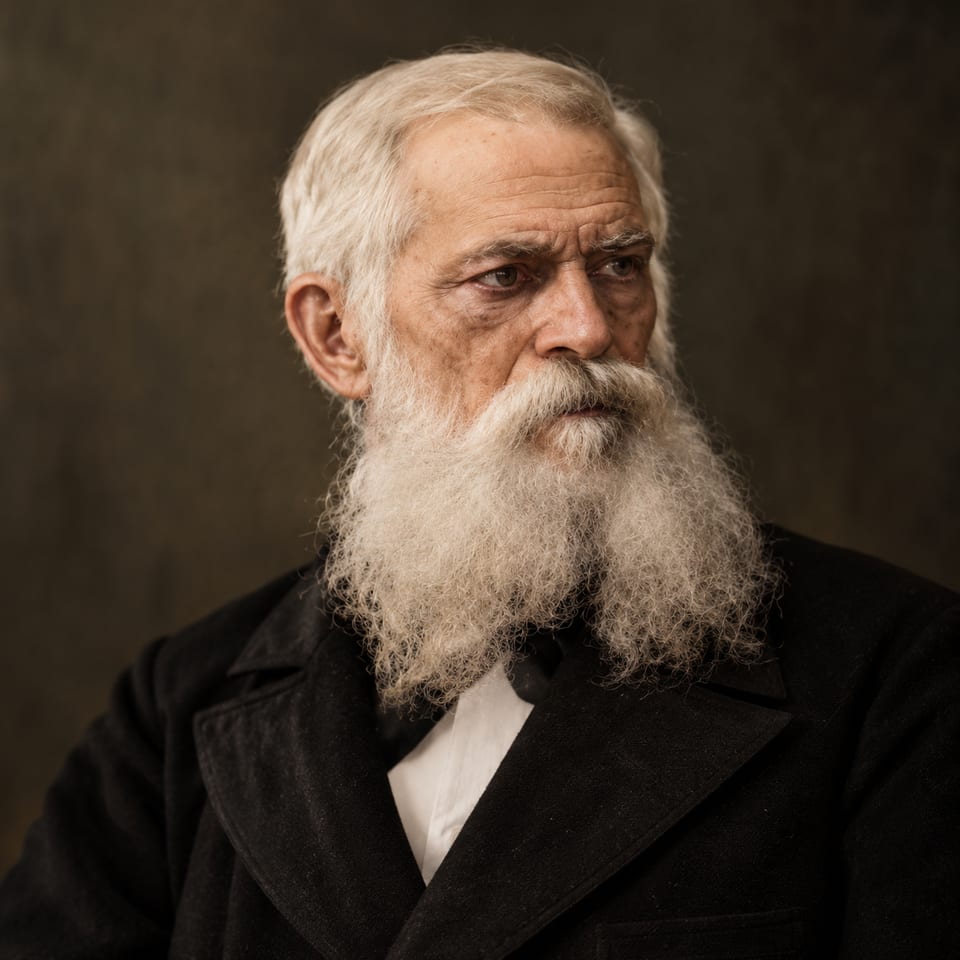
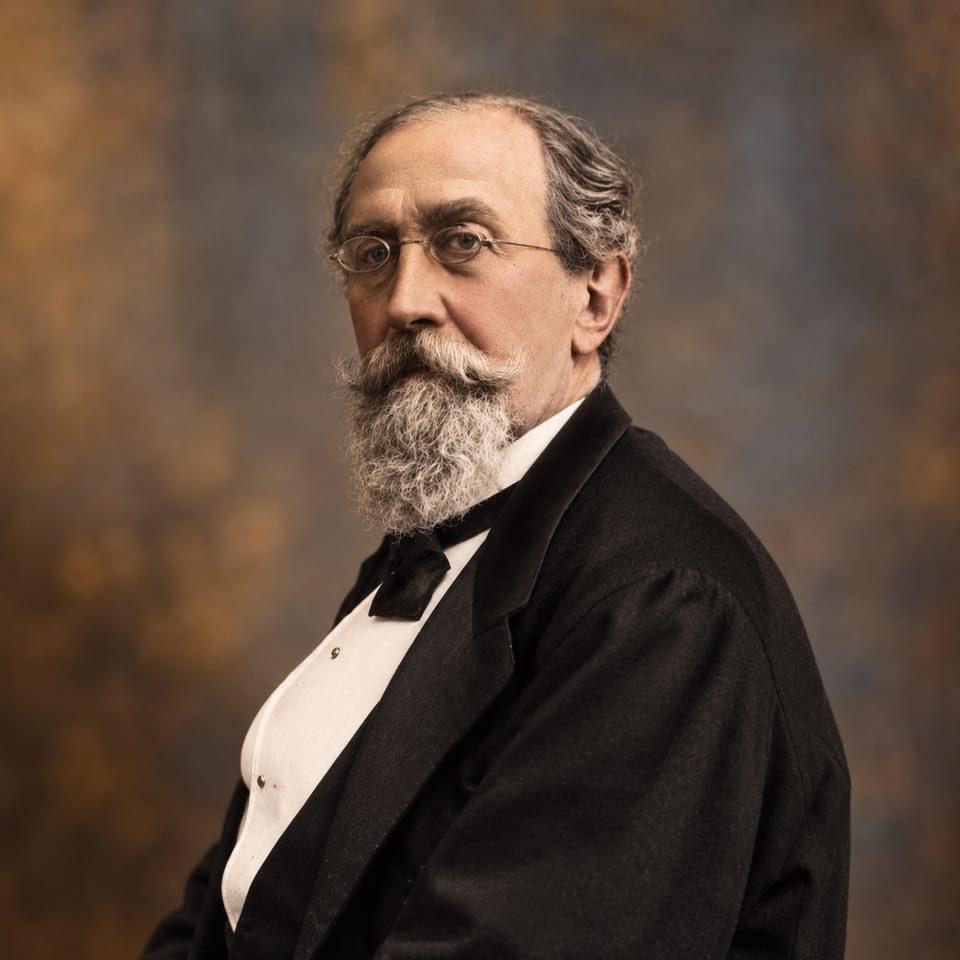
Jaime O’Shanahan Bravo de Laguna was born in Las Palmas de Gran Canaria on 24 February 1921. He died in the same city on 19 June 2010. An agricultural technician, environmental educator and photographer, he spent an important part of his professional career working for the Gran Canaria Island Council. He participated in the island’s reforestation and in establishing the Viera y Clavijo Canary Islands Botanical Garden. His work brought together the care of trees, teaching and photographic documentation of changes in the landscape.
He trained as an agricultural technician and joined the Island Council in 1948, also teaching at its agricultural training school. In the early 1950s he took charge of the Forestry Section and became responsible for plant nurseries. His involvement in planting the island’s uplands extended to trees along roads and rural tracks. He also worked with Enrique Sventenius during the establishment and development of the botanical garden. The University of Las Palmas de Gran Canaria identifies this collaboration as one of the central elements of his environmental career and his sustained commitment to the island’s natural heritage.
In interviews conducted by the journalist Yuri Millares in 2002, he recalled practical details of these activities. He explained how small pine seedlings were transported by mule and how other specimens were grown on in the council nursery, then located on Paseo Tomás Morales. His recollections included planting in the Llanos de la Pez and around the Cruz de Tejeda, as well as chestnut trees along upland roads. He described the size of planting holes, methods of watering and difficulties in negotiating tree planting beside private properties. These accounts preserve information about the physical work and decisions involved in reshaping the island’s wooded landscape.
Photography was another part of his work. He compiled an album devoted to the Forestry Section, recording reforestation projects, which was kept in the botanical garden’s library. In 2004 he donated his photographic archive to the university. It contained tens of thousands of paper photographs, slides and negatives. He and his wife Mercedes helped describe the documents. The collection records agriculture, botany and environmental subjects, the construction of the botanical garden, changes in the Guiniguada ravine and journeys outside the islands. Its inclusion in the university’s Memoria Digital de Canarias made this visual record accessible for public consultation.
He served as an environmental adviser to the university and shared his knowledge with schoolchildren and wider audiences. The university named a nature education centre and a vocational workshop school after him; the latter was dedicated to managing the ecological reserve on the Tafira campus. He received the César Manrique Environment Award in 1997, as well as distinctions from El Museo Canario and the botanical garden. His legacy combines practical work on the land with environmental education and the preservation of photographs documenting Gran Canaria’s agricultural and forestry history.