

Cultural heritage
Tangible and intangible assets that document the history of the archipelago through everyday life.
Talking about heritage in the Canary Islands means going beyond isolated monuments. Cultural value also appears in paths, historic quarters, silos, rituals, music, agrarian landscapes and knowledge passed between generations.
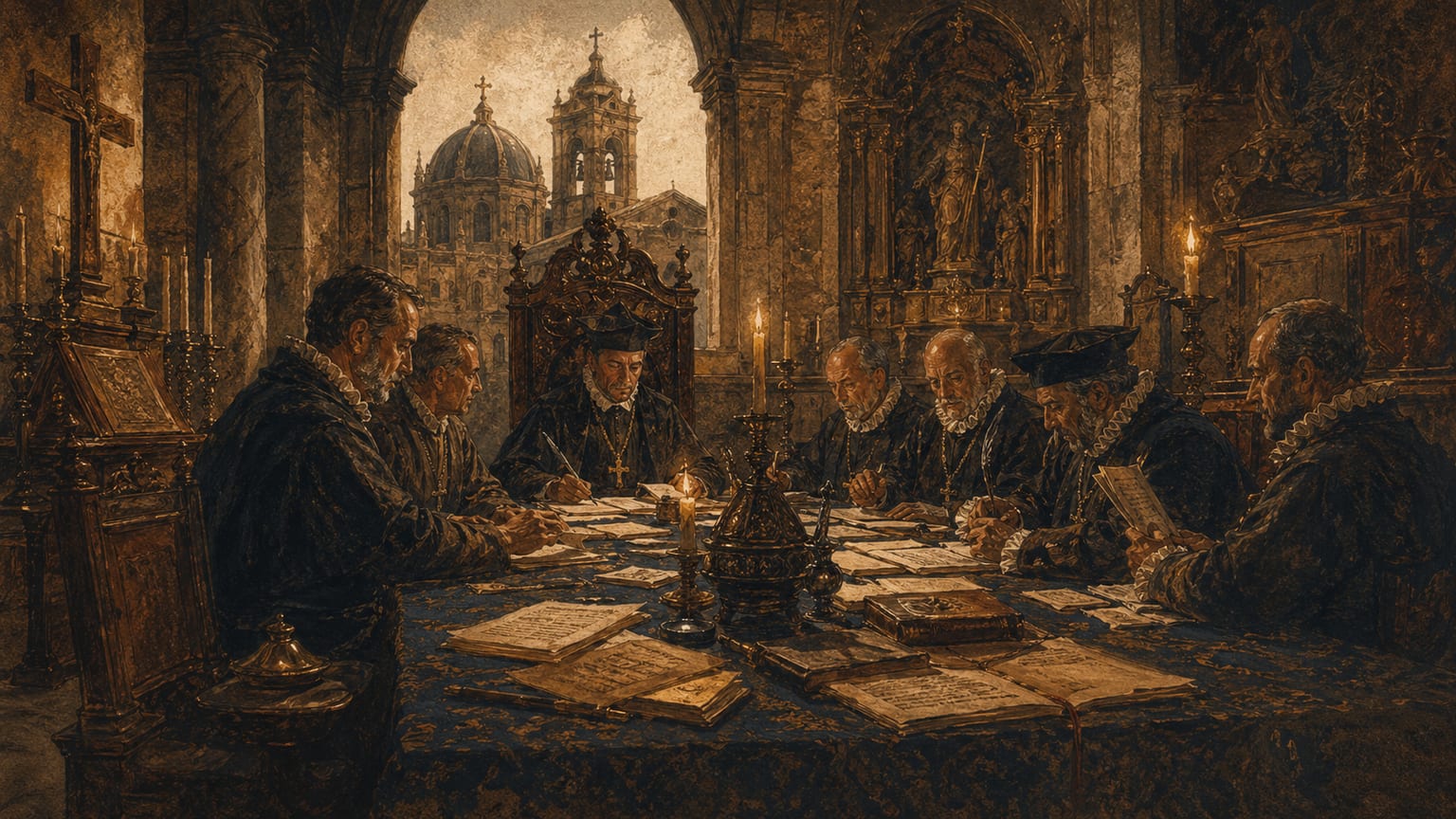
Intangible heritage
Silbo Gomero, romerías, dances and traditional crafts are manifestations that UNESCO and local communities themselves recognise as living parts of identity. Their conservation depends on intergenerational transmission and institutional recognition.
Tangible heritage
Rural architecture, royal paths, mills, almogarén sites, rock art and historic centres such as San Cristóbal de La Laguna —a World Heritage Site— shape a cultural landscape that blends indigenous, colonial and contemporary elements.
Related reading
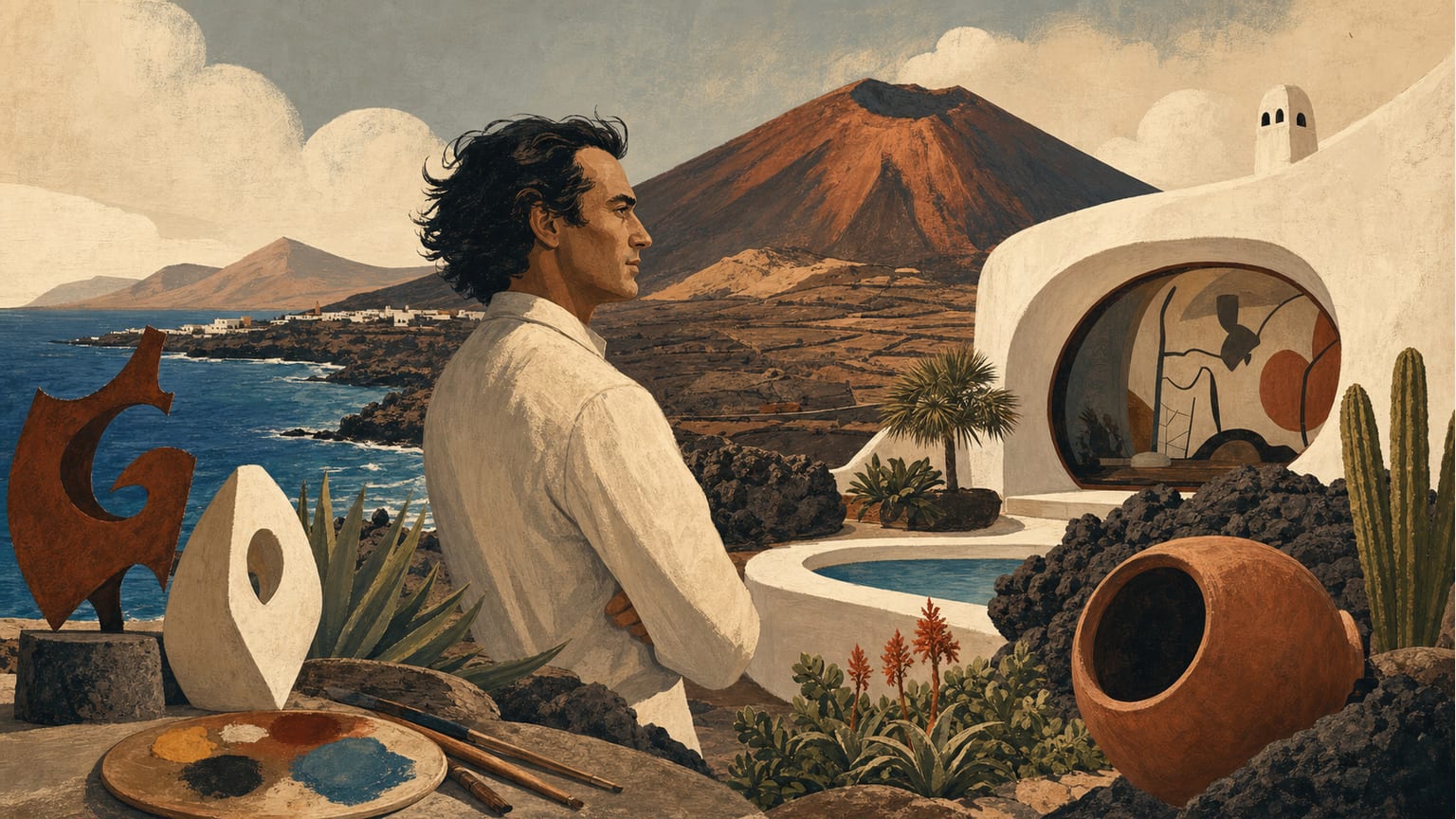
César Manrique’s Art: Lanzarote, Where Nature and Creativity Unite
César Manrique transformed Lanzarote into a global model of art and sustainability, blending his creations seamlessly with the island’s volcanic landscape.
Read more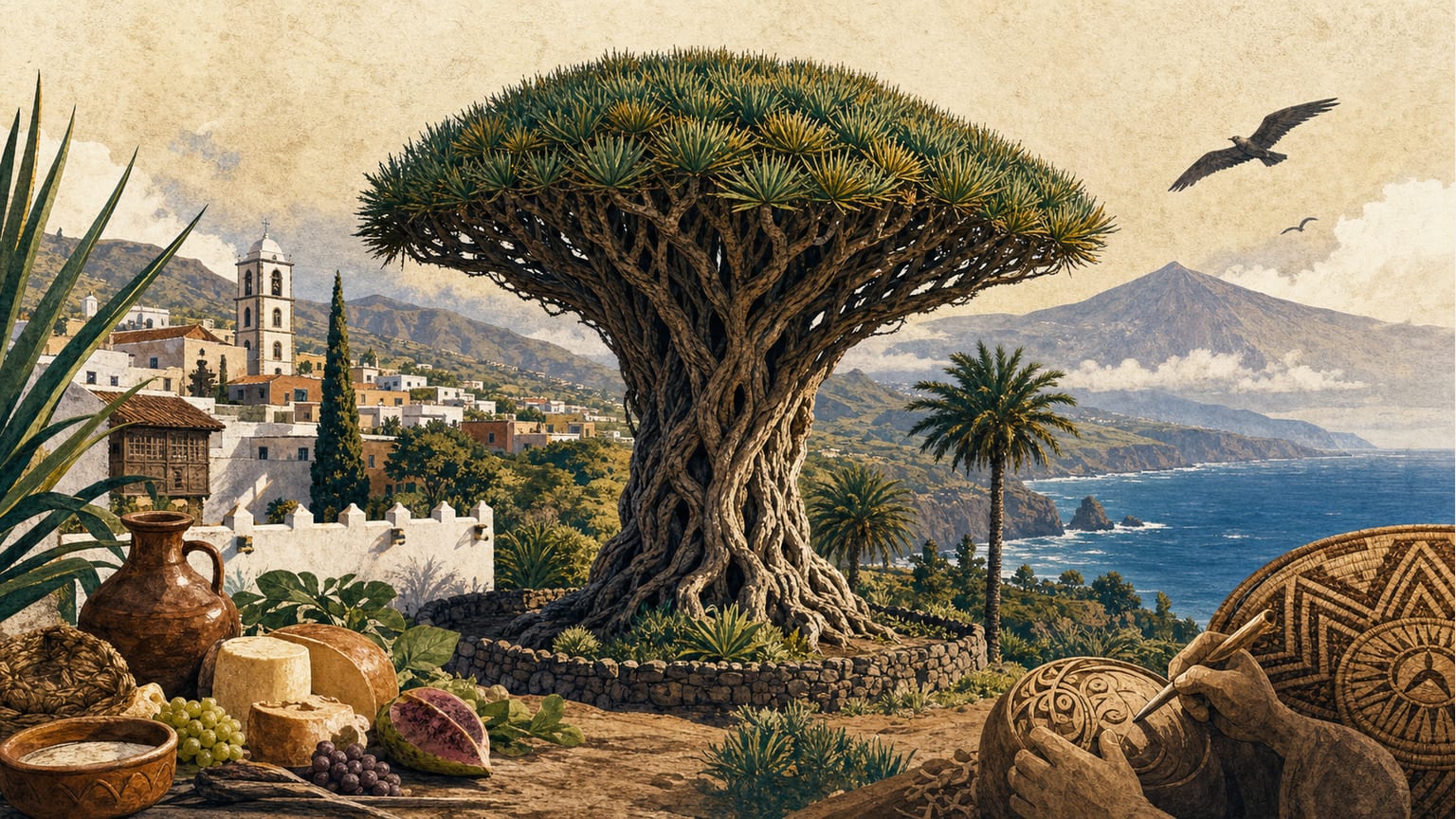
The Millennial Dragon Tree of Icod de los Vinos: Tenerife’s Living Symbol
Explore the history and cultural significance of the Millennial Dragon Tree in Icod de los Vinos, one of the most iconic plants of the Canary Islands.
Read more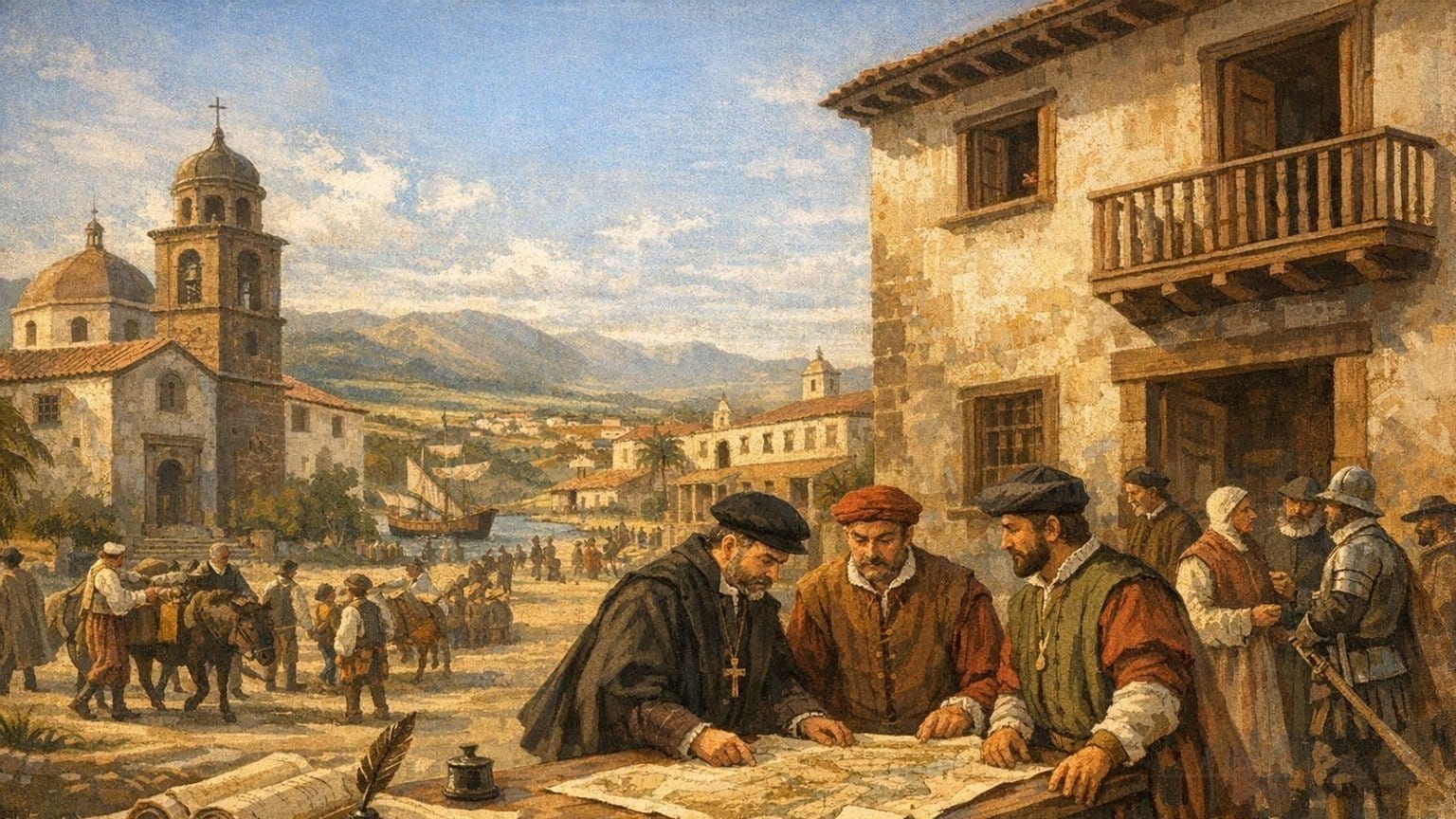
In Tenerife, the city that taught Latin America how to build itself
San Cristóbal de La Laguna was an open, planned Atlantic city that anticipated decisive features of Spanish-American colonial urbanism.
Read moreExplore in depth
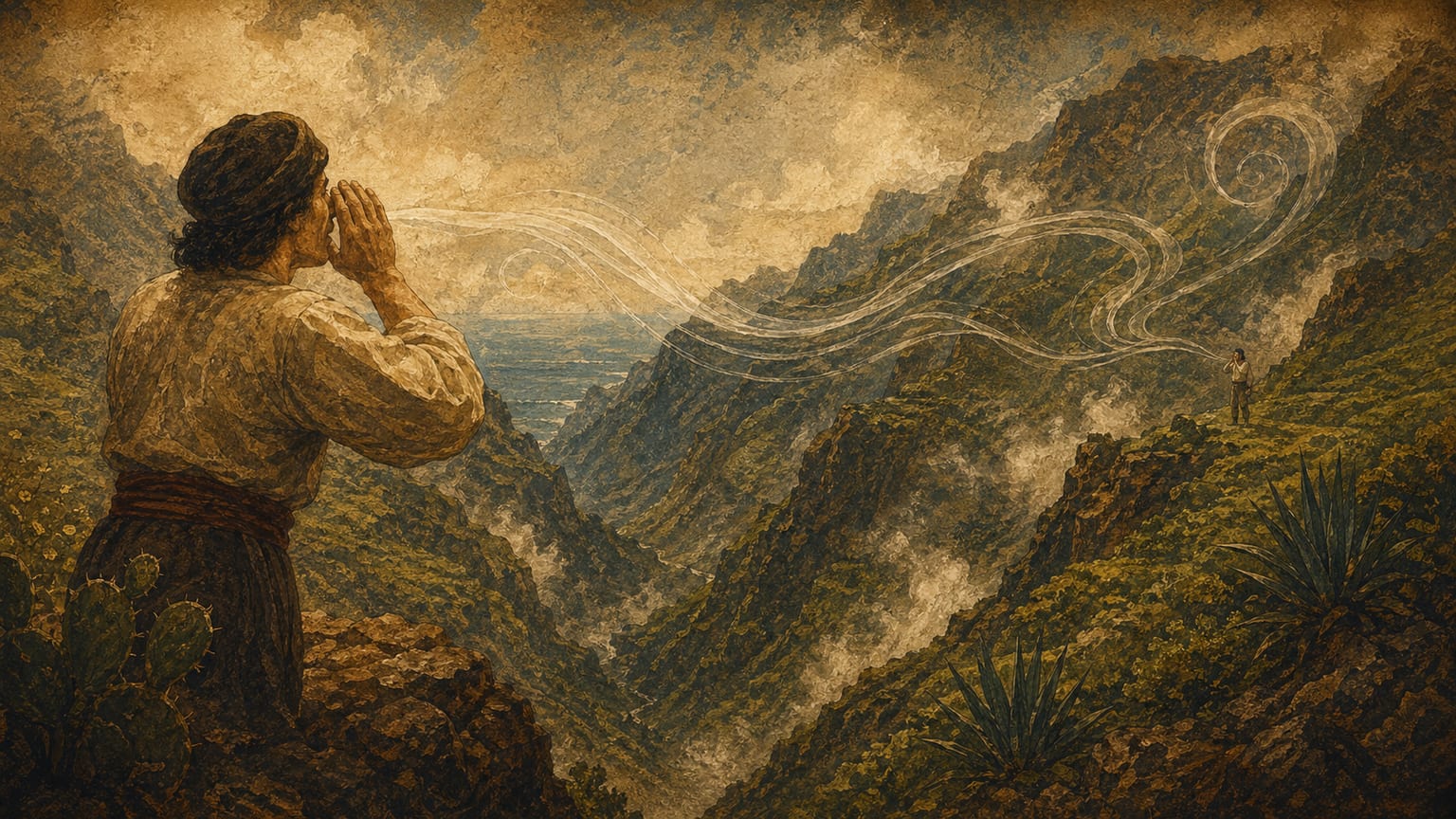
Intangible heritage
Silbo, folklore, romerías, traditional sports and knowledge handed down from generation to generation in the Canary Islands.
Read more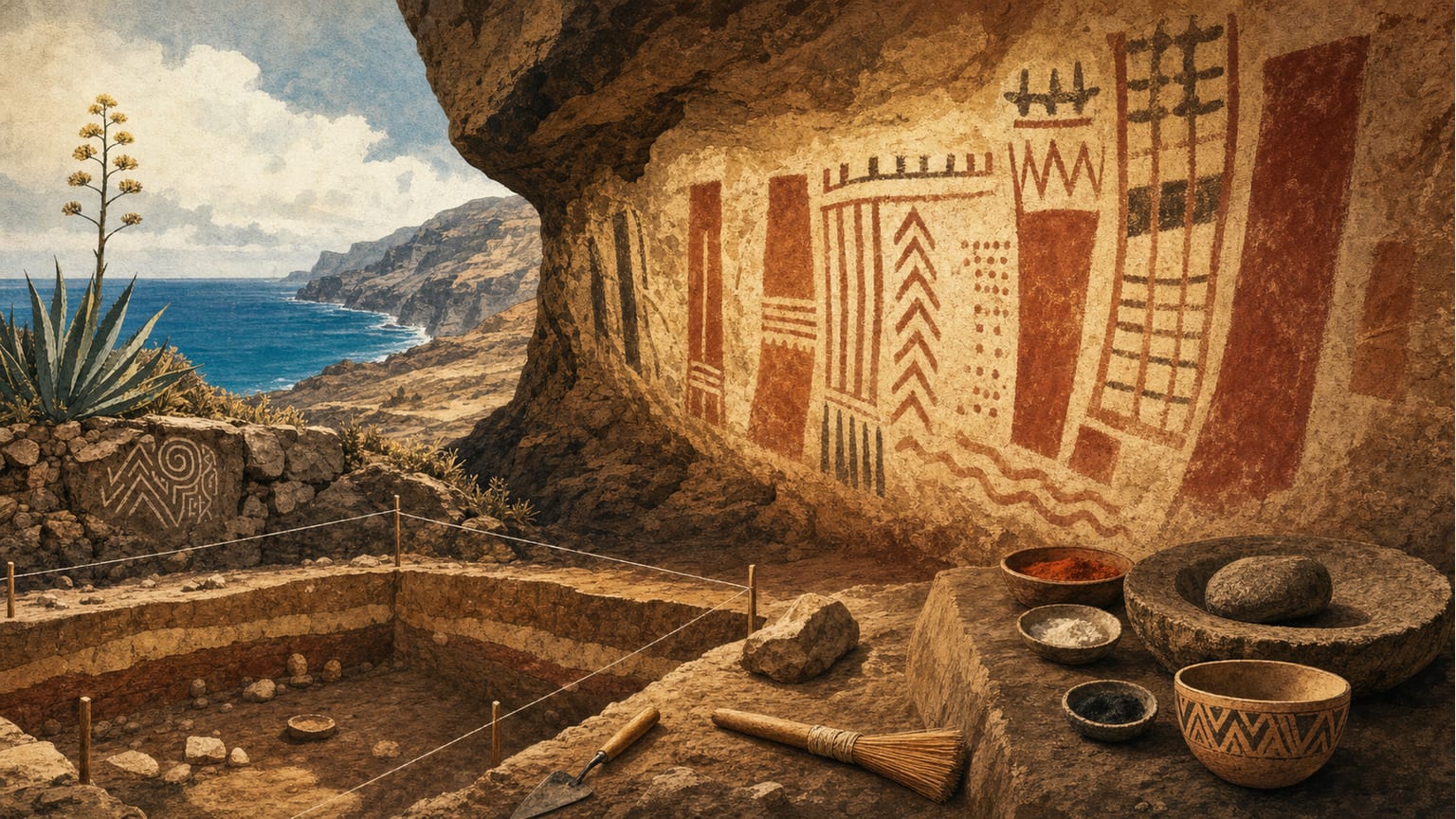
Tangible heritage
Archaeological sites, painted caves, traditional pottery and architecture that materialise the history of the Canary Islands.
Read moreSources used
- Arianna Ancarani — El silbo gomero. Medio de comunicación (2008)View reference
- View reference
- Turespaña (Ministerio de Industria y Turismo) — Islas Canarias (2018)View reference
- Rodríguez Santana, Carmen Gloria — Cueva Pintada. Gáldar, Gran Canaria. Museo y Parque arqueológico: visitors guide (2008), pp. 49 p. Memoria Digital de Canarias — ULPGCView reference
- Romero Roque, Francisco — Moya, alfarería popular de tradición aborigen (2010), pp. 53 p. Memoria Digital de Canarias — ULPGCView reference
- Ayuntamiento de Telde — El patrimonio arqueológico de Telde (1988), pp. 24 p. Memoria Digital de Canarias — ULPGCView reference
- Zebensui López Trujillo (coord.) — Historia y Patrimonio de Canarias, Vol. 1: Las primeras poblaciones de Canarias (ESO y Bachillerato) (2020)View reference