Historian and emeritus professor
A researcher of Canary Islands and Atlantic history, he has studied slavery, trade and island society. He was rector of the ULPGC and has directed historical journals.
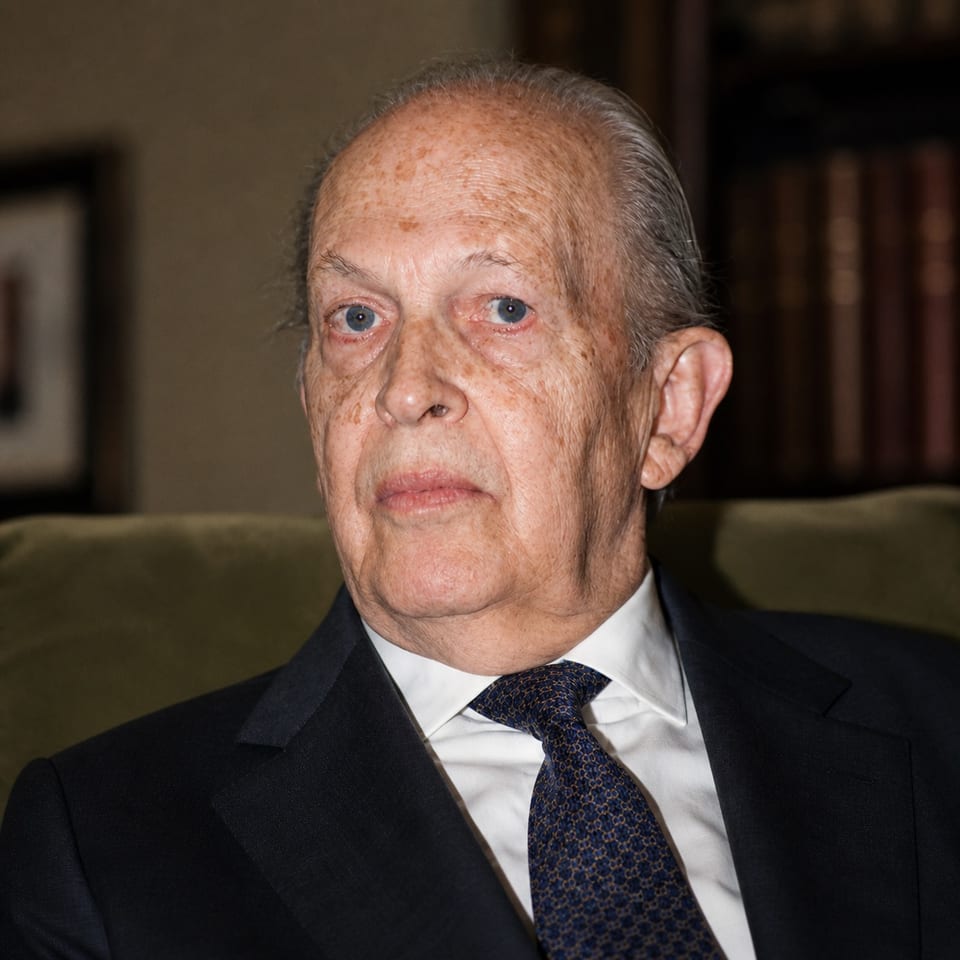
Historian and emeritus professor · 1950–Present

Historian and emeritus professor
A researcher of Canary Islands and Atlantic history, he has studied slavery, trade and island society. He was rector of the ULPGC and has directed historical journals.
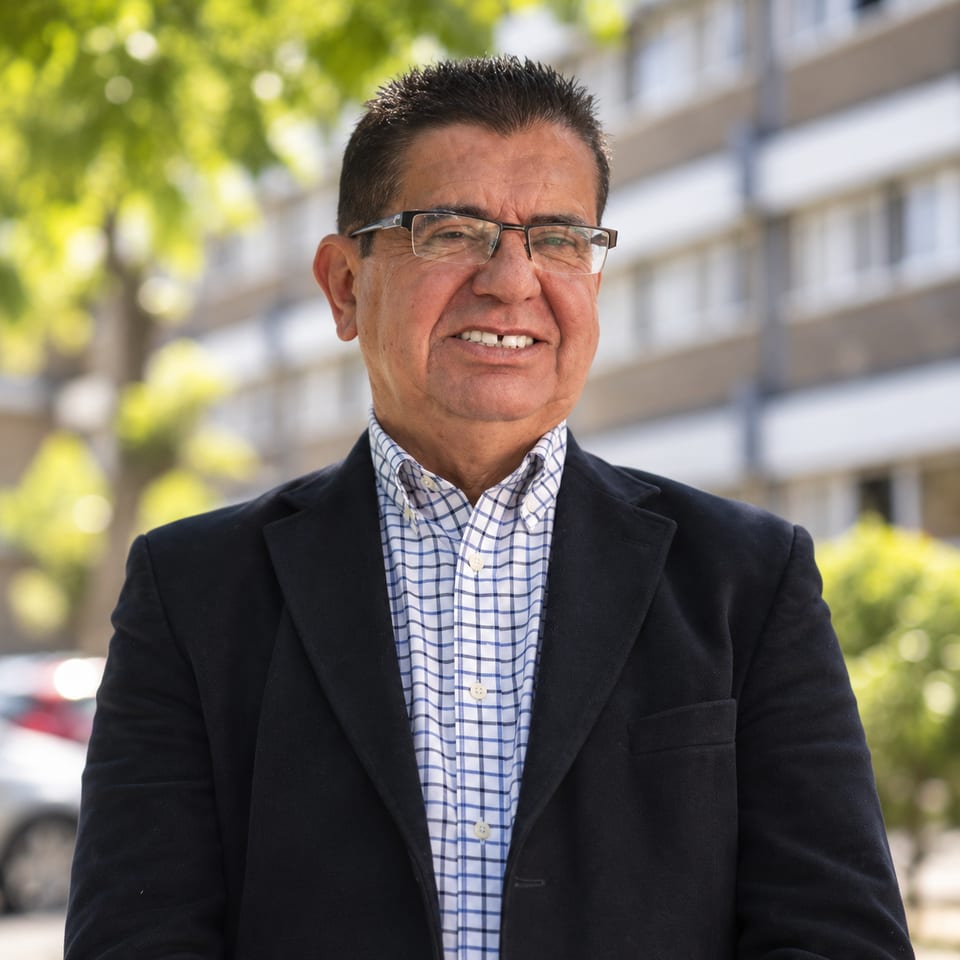
Manuel Lobo Cabrera was born in Las Palmas de Gran Canaria on 31 December 1950. A historian and emeritus professor of Modern History, his research focuses on the Canary Islands and the Atlantic, particularly their economic, social and cultural history. He has combined university teaching, documentary research and academic administration. His career includes the rectorship of the University of Las Palmas de Gran Canaria and the direction of journals disseminating historical scholarship about the archipelago.
He graduated in Philosophy and Letters, specialising in History, at the University of La Laguna in 1975. He obtained his doctorate at the same university in 1979. From 1975 he taught at the teacher training school and the university college in Las Palmas, before continuing his career at the University of Las Palmas de Gran Canaria. He progressed through several academic ranks and became a university professor in 1990. His teaching career has therefore been connected with both Canary Islands universities.
Administrative responsibilities accompanied that work. He was vice-rector for Campus at the University of La Laguna and vice-rector for Research at the ULPGC. He served as rector of the latter from 1998 to 2007. These positions form part of an institutional biography that developed alongside continuing historical research. His publications include individual and collaborative studies, articles and conference papers addressing different aspects of the islands' past and their wider Atlantic connections.
His books include La esclavitud en las Canarias Orientales en el siglo XVI, El comercio canario europeo en el reinado de Felipe II, Gran Canaria e Indias bajo los Austrias and Los moriscos en Canarias, de esclavos a naturales. These titles illustrate an interest in economic relationships and the legal and social circumstances of island populations. He has also explored Spanish history with Fernando Bruquetas, co-author of Don Carlos, príncipe de las Españas. His work thus connects island subjects with broader settings within the monarchy and the Atlantic world.
He was elected to the Academia Canaria de la Lengua on 22 January 2001 and delivered his admission address on 14 December that year. He is a corresponding member of the Real Academia de la Historia, the Academia Sevillana de Buenas Letras and the Academia Portuguesa de la Historia. He has directed the journal El Museo Canario and was appointed director of the Anuario de Estudios Atlánticos in 2017, following the publication's earlier directors Antonio Rumeu de Armas and Antonio de Béthencourt Massieu.
Urban history is another strand of his research. In July 2026 the Casa de Colón announced the presentation of La ciudad de Las Palmas en el siglo XVIII: una ciudad ilustrada. The book examines urban, economic and social change, everyday life, and the effects of wars, epidemics and subsistence crises. It continues a career combining documentary history, scholarly publishing and the public communication of the Canary Islands' past.