

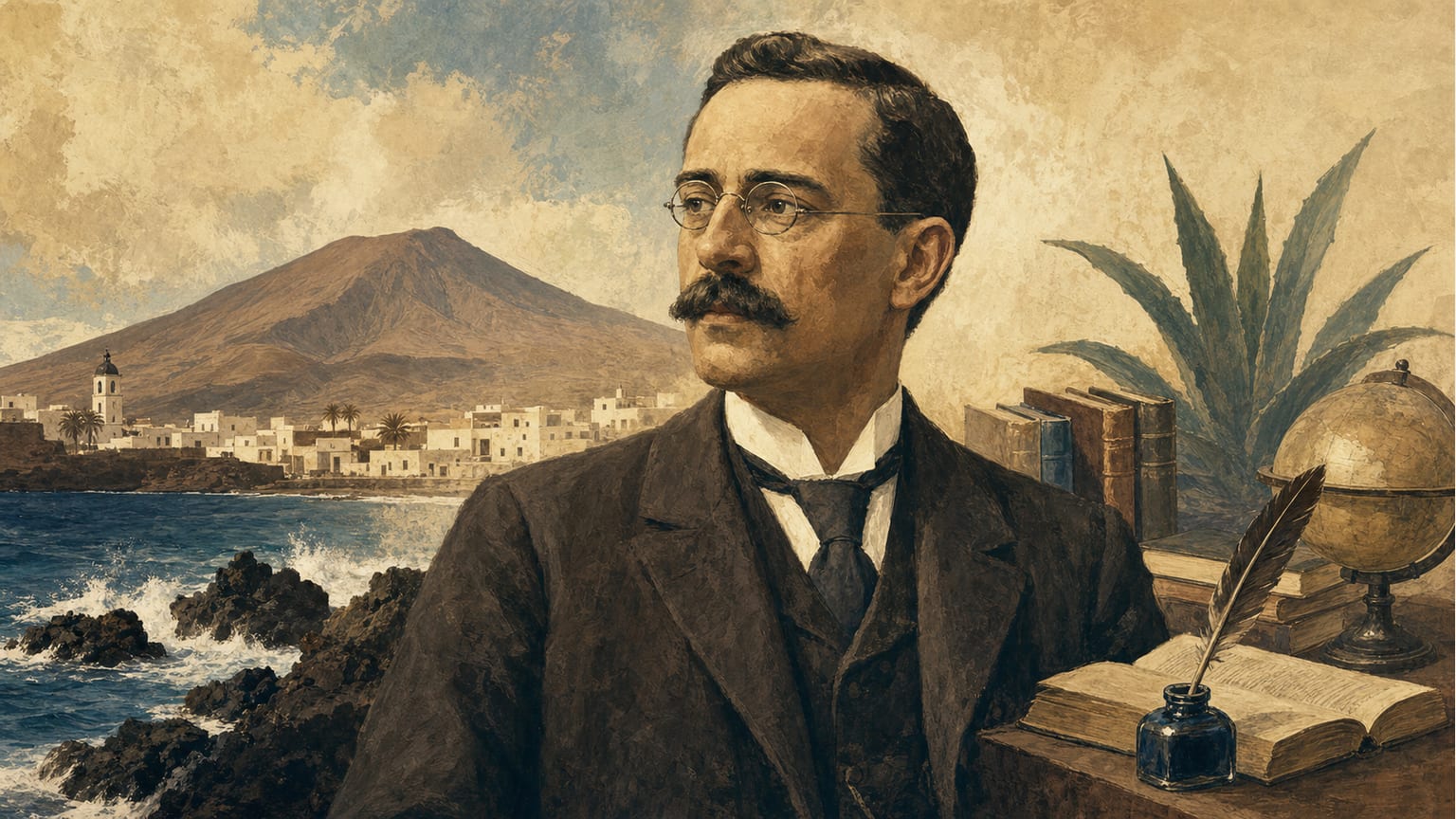
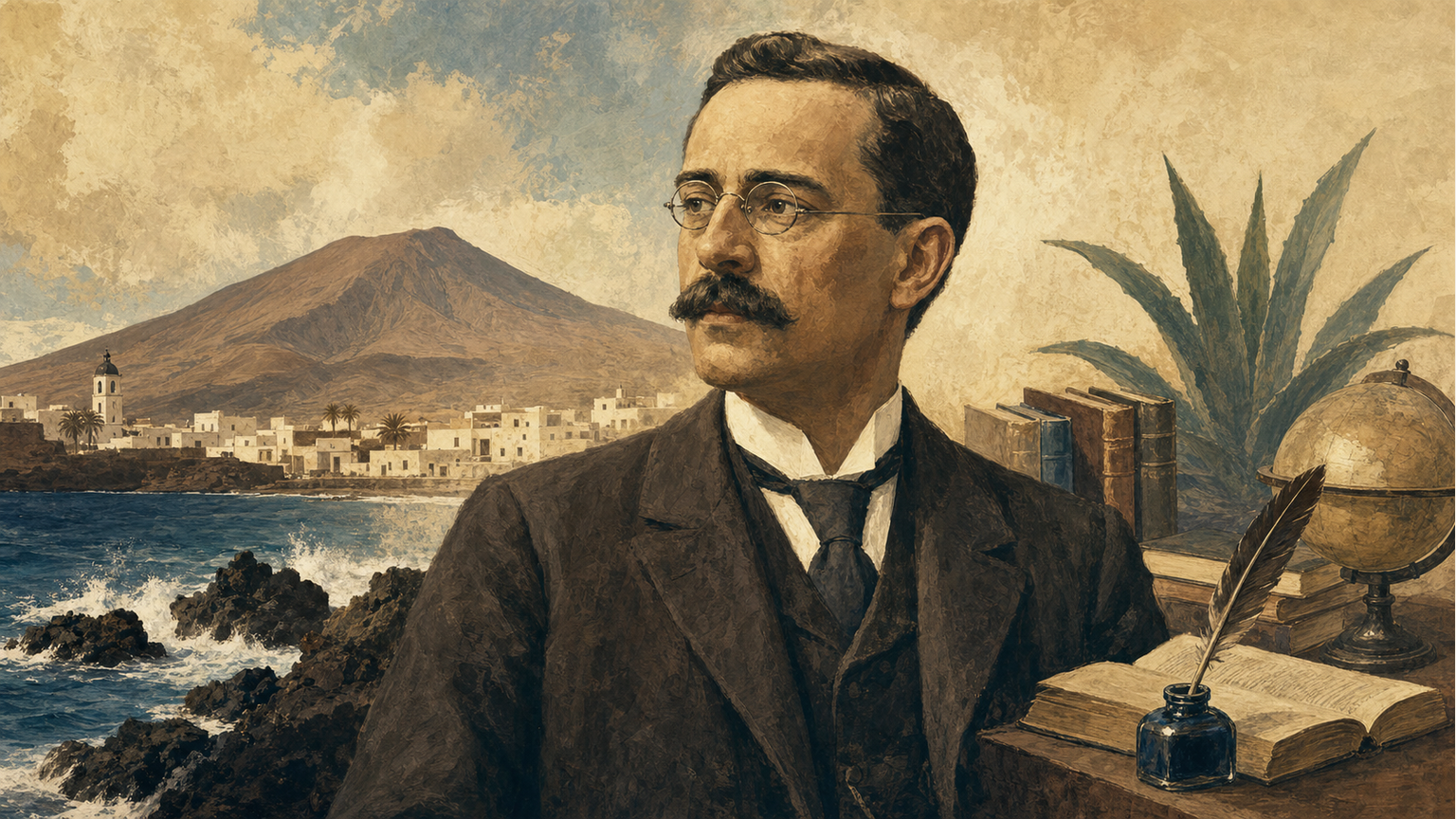
The recovery of historical figures from Lanzarote is a central aim of Canarian historical memory, as outlined by Nicolás Reyes González in his study of significant personalities from the archipelago[1]. Among these, Isaac Viera y Viera stands out as an intellectual born in Lanzarote in the 19th century and deceased in the 20th, whose career contributed to the cultural and social life of the Canary Islands during a period of profound transformation[1].
According to the source, the selection of figures like Viera y Viera is intended to counteract the neglect and manipulation of historical biographies, which have sometimes been distorted by the interests of local oligarchies[1]. Reyes González proposes a methodology based on collaboration among researchers from different islands, aiming to reconstruct the life stories and contributions of figures such as Isaac Viera y Viera, who have left their mark on collective memory[1].
Isaac Viera y Viera is mentioned alongside other notable Lanzarote figures who influenced contemporary Canarian history, such as José Betancort Cabrera (Ángel Guerra), Manuel Déniz Caraballo, Benito Pérez Armas, the Zerolo Herrera brothers, and Francisco Fernández de Bethencourt[1]. All were born in the 19th century and died in the 20th, some remaining on the island and others emigrating to destinations mainly in Europe or America in search of new cultural experiences[1].
The source notes that, while there is no detailed analysis of Viera y Viera’s private life or works, his inclusion in historical memory is justified by his participation in the intellectual and cultural life of the Canary Islands during a period marked by debates on regionalism, autonomy, and Canarian identity[1]. This context was characterized by the influence of movements such as Canarian regionalism, nationalism, Africanism, and autonomism, which shaped the transition from the 19th to the 20th century in the archipelago[1].
The emigration of figures like Isaac Viera y Viera did not mean a break with their homeland; according to the source, many maintained vivid memories and connections with Lanzarote, enriching its cultural and social development upon their return[1]. The collective memory of Lanzarote and the Canary Islands has thus been nourished by the contributions of intellectuals like Viera y Viera, who actively participated in shaping insular and regional identity[1].
In conclusion, Isaac Viera y Viera represents, according to Nicolás Reyes González, an example of a Lanzarote intellectual whose career deserves to be recovered and valued within the framework of Canarian historical memory, contributing to the understanding of the cultural and social processes that defined the islands’ contemporary era[1].