

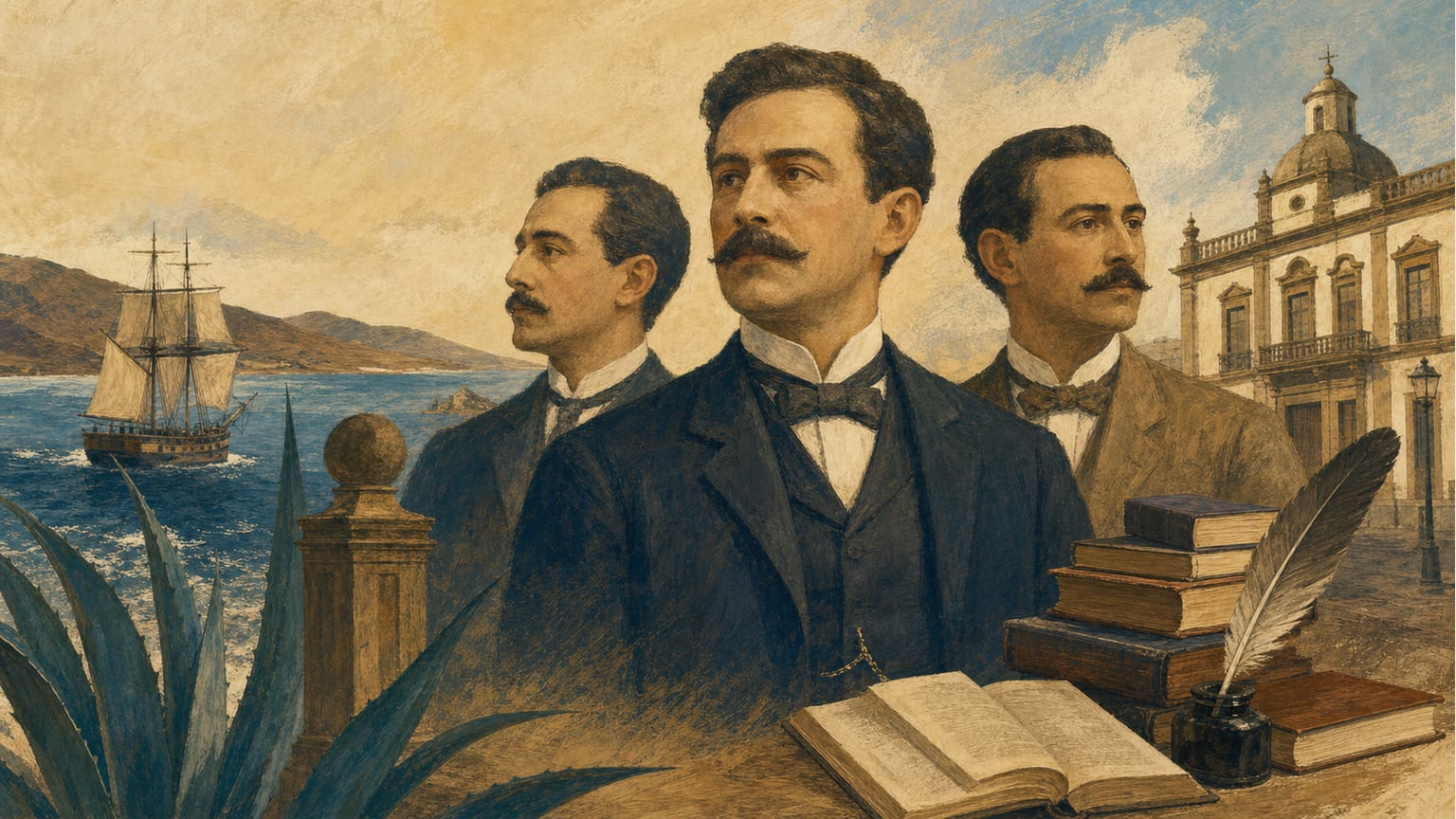
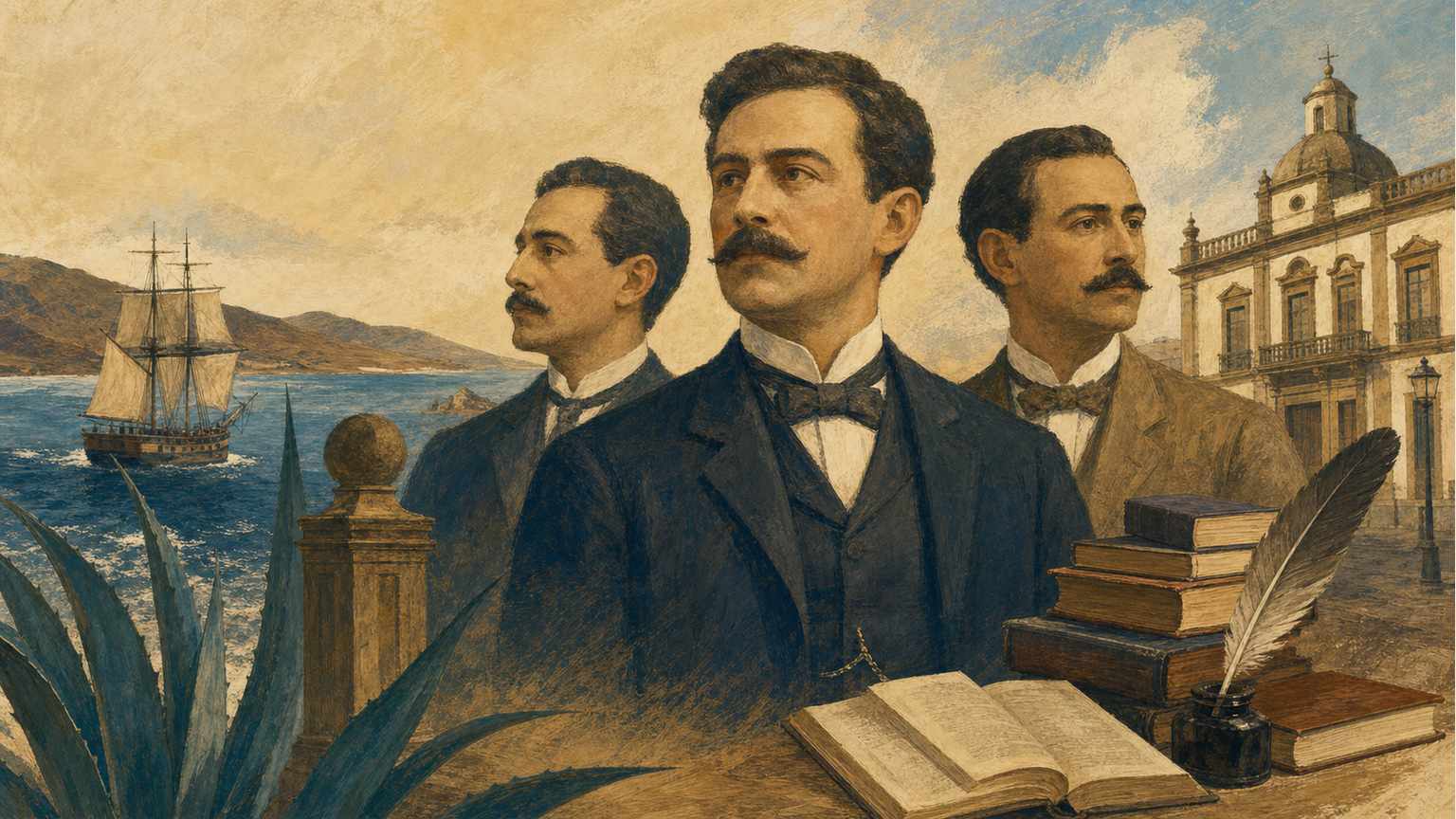
Canarian historical memory has, in recent decades, brought to light important figures whose contributions were long overlooked or even manipulated by insular interests. Among these, according to the research of Nicolás Reyes González, are the Zerolo Herrera brothers—Elías, Antonio, and Tomás—natives of Lanzarote who were born in the 19th century and died in the 20th, leaving their mark both on their home island and beyond[1].
The selection of these brothers as a subject of study is part of a methodological approach that seeks to analyze historical biographies which contributed to shaping Canarian identity, especially in the context of Canarian regionalism and the political debates of the era[1]. Reyes González emphasizes that the lives and works of the Zerolo Herrera brothers must be understood in their historical context, avoiding the blending of fiction and reality that often characterizes literary or journalistic biographies[1].
The author notes that the Zerolo Herrera brothers were part of a generation of Lanzarote natives who influenced contemporary Canarian history through their contributions to politics, culture, and journalism. Their activity took place during a period of intense debate about regionalism, autonomy, and insular identity, in which the participation of figures like the Zerolo Herrera brothers was fundamental for articulating proposals and defending Canarian interests within the framework of late 19th- and early 20th-century Spain[1].
According to the source, the trajectory of the Zerolo Herrera brothers is representative of a frequent phenomenon in Lanzarote’s history: some figures remained on the island, while others emigrated to other islands or abroad in search of new cultural experiences. In all cases, they maintained emotional and cultural ties with their homeland, and their contributions enriched both Lanzarote and the Canarian archipelago as a whole[1].
Reyes González’s research highlights the importance of collaboration among researchers from different islands to recover collective memory and recognize the role of figures such as the Zerolo Herrera brothers. The author proposes that combining individual contributions and teamwork is essential for reconstructing insular history from a broader and more plural perspective[1].
In summary, the figure of the Zerolo Herrera brothers, according to the source, illustrates the complexity of Canarian identity and the need to continue deepening the study of biographies that have shaped the contemporary history of the islands, especially during times of political and social transformation between the 19th and 20th centuries[1].