

Hermógenes Afonso de la Cruz, known as Hupalupa, was born on December 11, 1945, in Garachico (Tenerife), where he spent his childhood before moving with his family to the island’s capital[1]. He studied Agricultural Technical Engineering at the University of La Laguna and, concerned about the political future of the Canary Islands, began active involvement in the Canarian Nationalist movement[1]. Under the pseudonym Hupalupa, the name of a legendary warrior from La Gomera, he embarked on a path of study, preservation, and dissemination of Canarian history[1].
According to González Antón, Rafael; Rosario Adrián, Mª Candelaria; Arco Aguilar, Mª Mercedes del, Hermógenes Afonso wrote numerous articles in the local press and published the “Notes on the History of the Canary Islands,” of which only three booklets were released, notably “List of Guanche Names,” which achieved significant circulation[1]. His book “Magos, Maúros, Mahoreros o Amasikes” is considered his most mature work and was widely recognized in Canarian society[1].
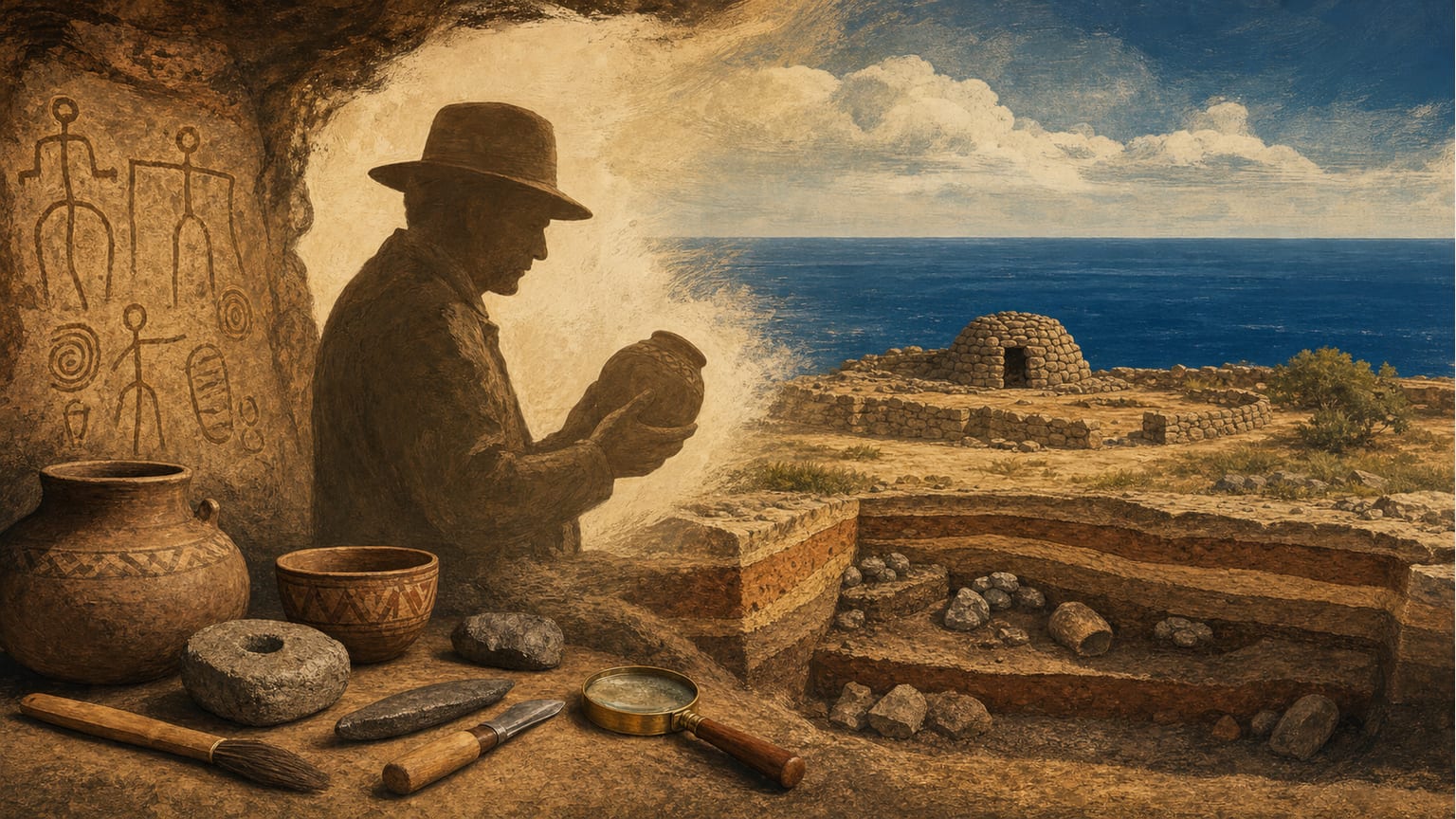
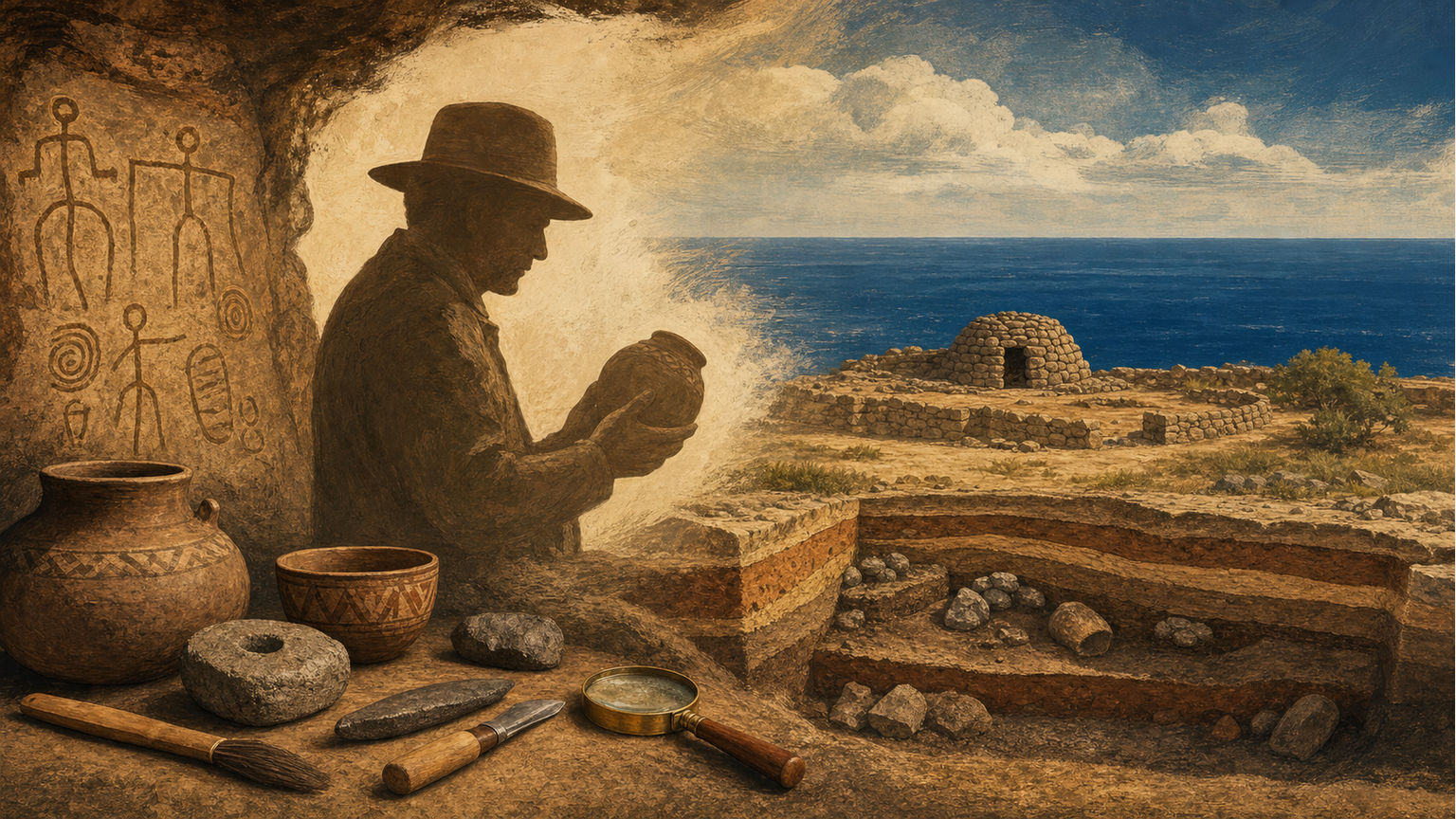
Hupalupa’s passion for the aboriginal past led him to assemble an important archaeological collection, mainly consisting of ceramics from Tenerife and materials from Fuerteventura, some of which are of exceptional typology[1]. In March 1994, he donated a wooden fire-making piece to the Archaeological Museum, and in June of the same year, the General Directorate of Historical Heritage of the Government of the Canary Islands received the rest of the collection[1].
The process of delivering the collection was complex and, according to the authors, initially made it difficult to gather data to complete the catalogue. Nevertheless, Hermógenes Afonso actively collaborated with museum staff until his death, providing information about the sites and context of the finds[1].
The Hupalupa collection stands out for its quantitative and qualitative value, and its integration into the public heritage has allowed researchers and Canarian society to access these material testimonies of pre-Hispanic culture[1]. According to the source, examples like Hupalupa’s are essential to encourage the donation of private collections and enrich collective knowledge about the history of the Canary Islands[1].