Juan Álvarez Delgado
ContemporaryScience19th CenturyPhilology

Philologist, linguist and university professor

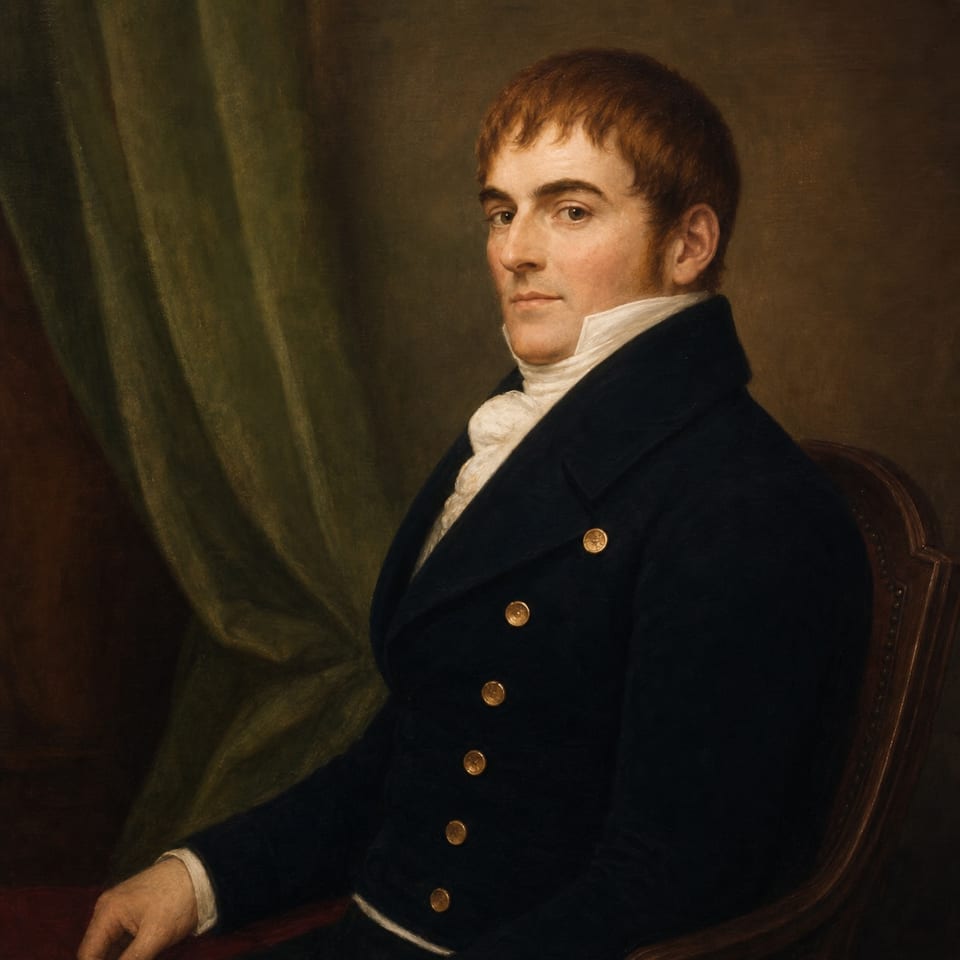
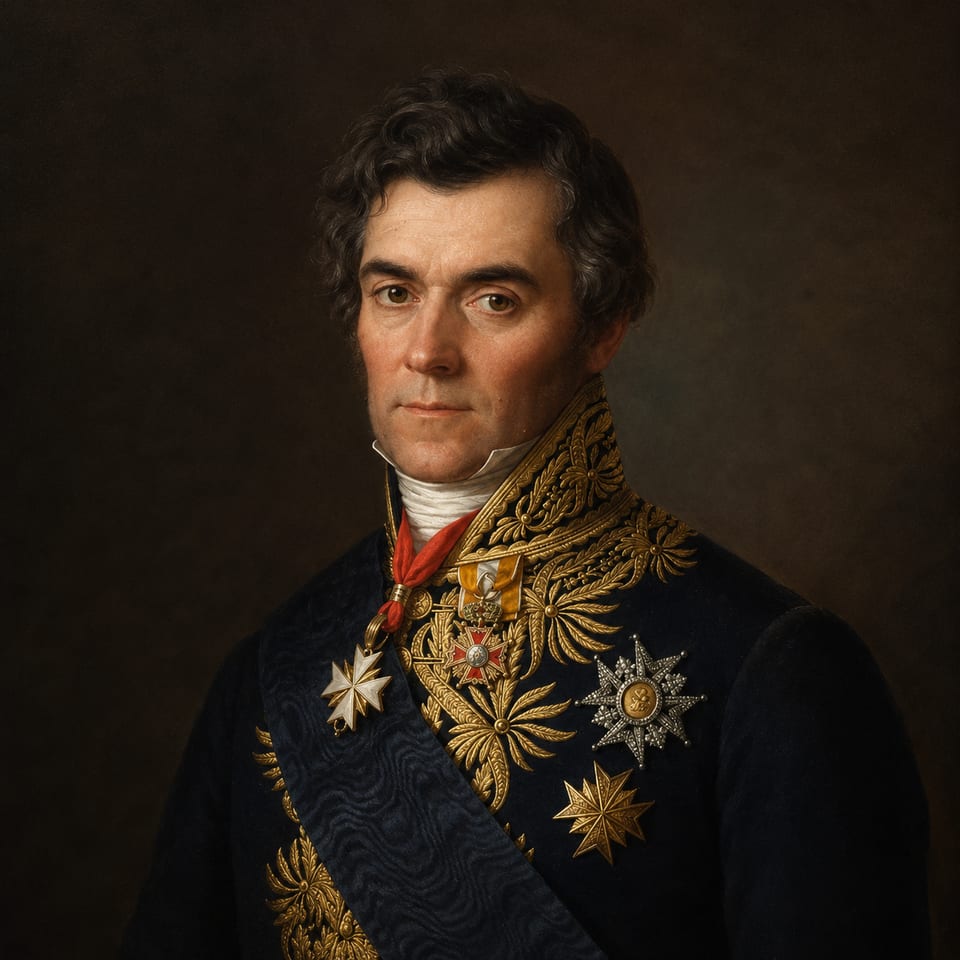
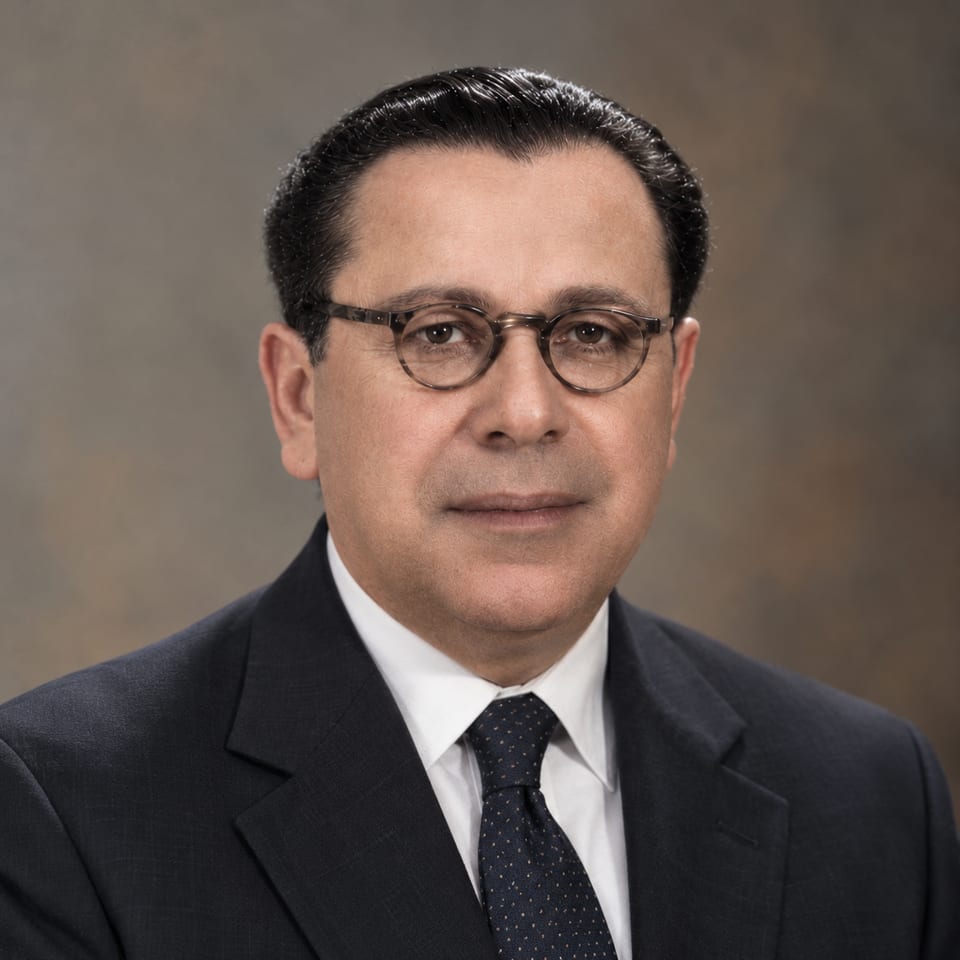
Philologist from Güímar and professor of Latin Philology at the University of La Laguna. He researched Indigenous languages and Canarian Spanish. His academic career also included documented involvement with Falange.
Early life

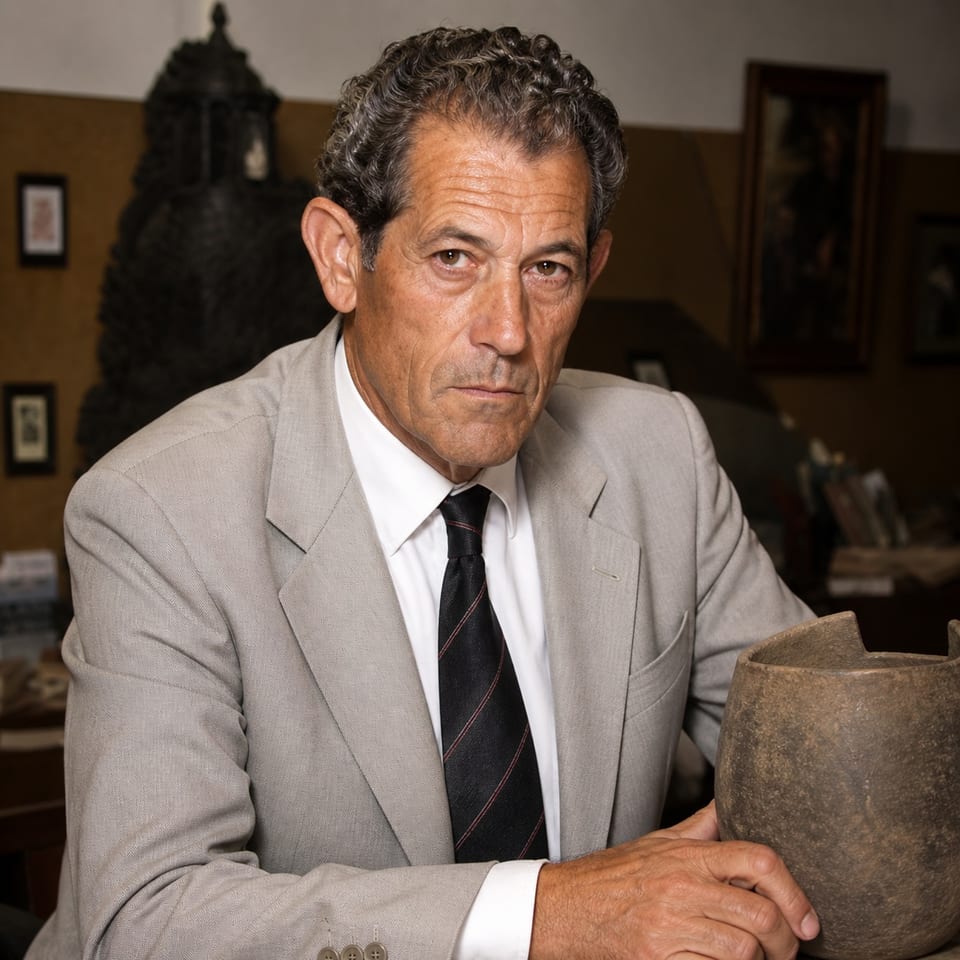
Juan Álvarez Delgado was born in Güímar, Tenerife, on 4 September 1900. His early education took place in Comillas, where he studied Latin, humanities and philosophy between 1914 and 1922. After leaving ecclesiastical training, he completed secondary education at the Instituto de Canarias in La Laguna and studied Philosophy and Letters at the University of Granada between 1927 and 1930. During part of this period he combined study with employment at Güímar town council. In 1932 he obtained a secondary-school professorship in Latin and began teaching in Santa Cruz de La Palma.

Historical role

His teaching career combined secondary education with university work. Alongside Elías Serra Ráfols and the rector of La Laguna, he helped establish Philosophy and Letters studies in 1940. That year he submitted a historical and philological thesis on Saint Eugenius of Toledo at the University of Madrid. In 1949 he secured the chair of Latin Philology at the University of La Laguna, continuing university teaching until retirement in 1970. His classical education was central both to his research and to his work as a teacher.

Indigenous Canarian languages occupied a substantial part of his scholarly output. In 1941 he published Puesto de Canarias en la investigación lingüística and Miscelánea guanche: I Benahoare. Ensayos de lingüística canaria. These were followed by Teide. Ensayo de filología tinerfeña in 1945 and Inscripciones líbicas de Canarias in 1967. His interests encompassed linguistic evidence from before the conquest and its relationship to historical interpretations of the archipelago. He also researched Canarian Spanish, writing on regional vocabulary and Hispanic place names.

Between 1942 and 1951 he served as provincial commissioner for archaeological excavations in Santa Cruz de Tenerife. He worked with Luis Diego Cuscoy, with whom he published Excavaciones arqueológicas en Tenerife in 1947. A. José Farrujia de la Rosa’s research analyses this period and Álvarez Delgado’s settlement theories within the administrative and ideological framework of Franco’s dictatorship. It distinguishes the philologist’s institutional role from Cuscoy’s fieldwork, rather than treating the two responsibilities as an identical professional practice.

His political involvement is also part of his biography. Manuel Ferraz Lorenzo documents his connection with Falange while directing the secondary school on La Palma, recording his position as a delegate of Falange Española’s second line. The study places this activity within the context of education under Francoism. The role is retained in the terms documented by the research, without extending it to personal responsibility for particular acts of repression that have not been specifically established.

Legacy

He died in Santa Cruz de Tenerife on Christmas Day 1987. His legacy encompasses philological research, teaching and participation in academic and archaeological institutions. Assessing his work requires separating the evidence he assembled from his interpretations of settlement. Farrujia’s historiographical analysis demonstrates the importance of examining the theoretical and ideological assumptions behind those interpretations alongside his contributions to the study of the Indigenous history of the Canary Islands.

Timeline

  1. 1932Obtains a secondary-school professorship in Latin and begins teaching in Santa Cruz de La Palma.
  2. 1942December 1, 1942Appointed provincial commissioner for archaeological excavations in Santa Cruz de Tenerife.
  3. 1949Secures the chair of Latin Philology at the University of La Laguna.
  4. 1967Publishes Inscripciones líbicas de Canarias.

Sources and verification