
ContemporaryPolitics20th CenturyPolitics
Former president of the Junta de Canarias
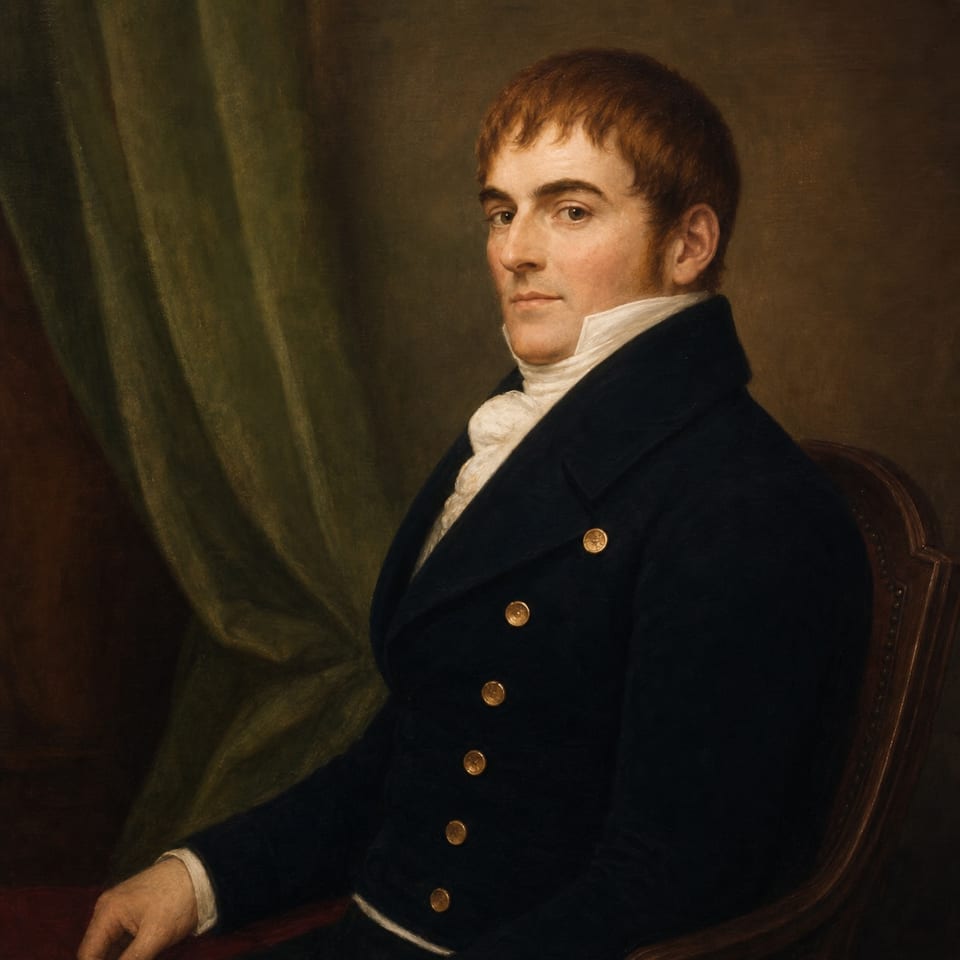
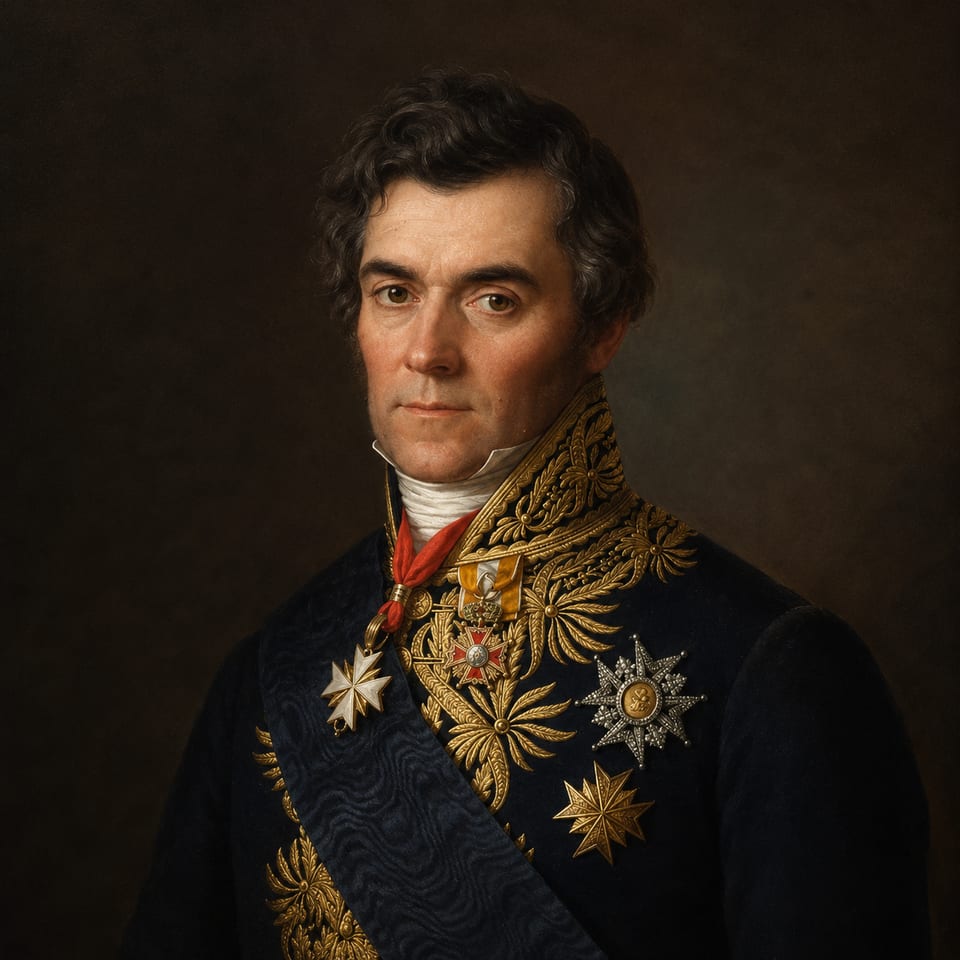
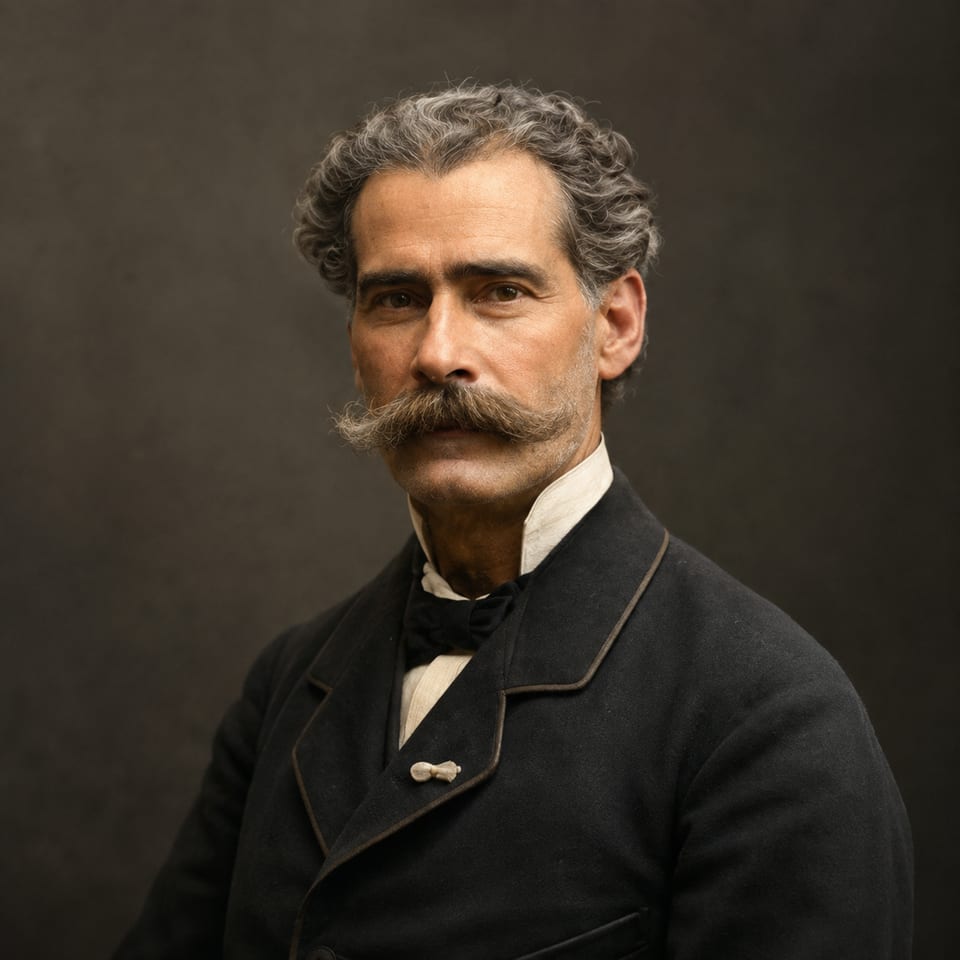
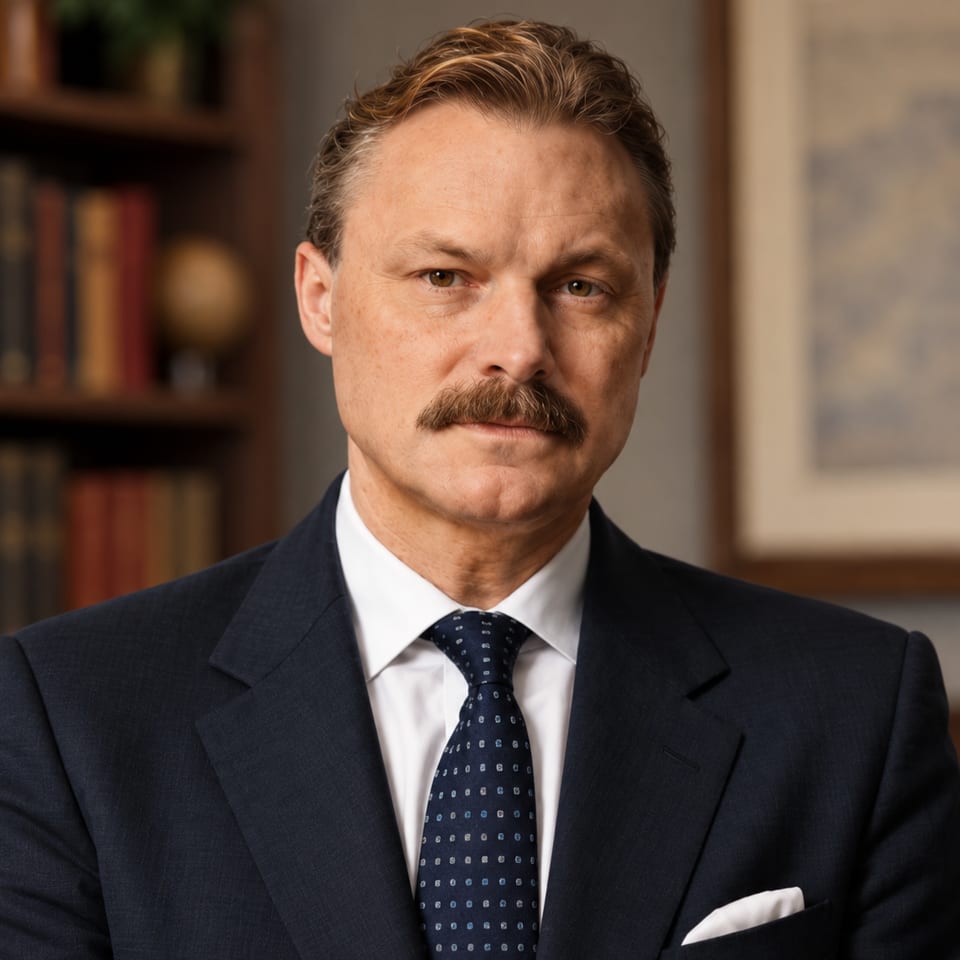
Francisco Javier Ucelay Sabina chaired the Junta de Canarias from June to December 1982, during the transition to autonomy.
Former president of the Junta de Canarias · 1943–2001
Former president of the Junta de Canarias
Francisco Javier Ucelay Sabina chaired the Junta de Canarias from June to December 1982, during the transition to autonomy.
Francisco Javier Ucelay Sabina was born in La Laguna in 1943, and his public career was closely linked to the institutional development of the Canary Islands during the transition to autonomy. His involvement in regional institutions became prominent in 1981, when he was appointed vice president of both the Plenary and the Permanent Council of the Junta de Canarias. The Junta, a pre-autonomous body established on 14 April 1978 following the approval of the pre-autonomous regime by Royal Decree-Law 9/1978, was responsible for internal organization, management of transferred services, administration of the region’s specific interests, and proposing measures to the national government. The president of the Junta was elected by the Plenary, and the institution functioned as a provisional self-government body, not yet the government of an autonomous community, with limited powers focused on regional management and dialogue with the central state.
In June 1982, Ucelay Sabina assumed the presidency of the Junta de Canarias, a position he held until December of the same year. During this period, on 9 October 1982, he signed, on behalf of the Junta, an agreement with MERCASA and MERCORSA, following its approval by the Permanent Council on 6 September. The purpose of this agreement was to improve the marketing of Canarian agricultural products, addressing challenges arising from the islands’ remoteness, territorial fragmentation, and supply needs. Oversight of the agreement was entrusted to a Joint Commission, reflecting institutional concern for the agricultural economy and food supply in the archipelago. Ucelay Sabina’s presidency coincided with the entry into force of the Statute of Autonomy of the Canary Islands (Organic Law 10/1982) on 16 August 1982, which established new autonomous institutions: Parliament, Government, and President, each with distinct powers and procedures from those of the pre-autonomous Junta. The transitional provisions of the Statute stipulated that pre-autonomous institutions would be dissolved upon the election of the new autonomous bodies. Jerónimo Saavedra was elected by the provisional parliament on 29 December 1982 and appointed president of the government in January 1983, before the first regional elections.
After his time in the Junta, Francisco Javier Ucelay Sabina continued his political activity in the Parliament of the Canary Islands. From 14 July 1987, he served as a deputy for Tenerife, representing the Agrupaciones Independientes de Canarias (AIC) group. His parliamentary work took place within the framework of the legislative and oversight powers of the autonomous Parliament, which is responsible for lawmaking and supervising the regional government. Ucelay Sabina died in 2001. In 2010, the Parliament of the Canary Islands posthumously awarded him its Gold Medal, recognizing his participation in Canarian institutions during the period of transition and consolidation of autonomy.