

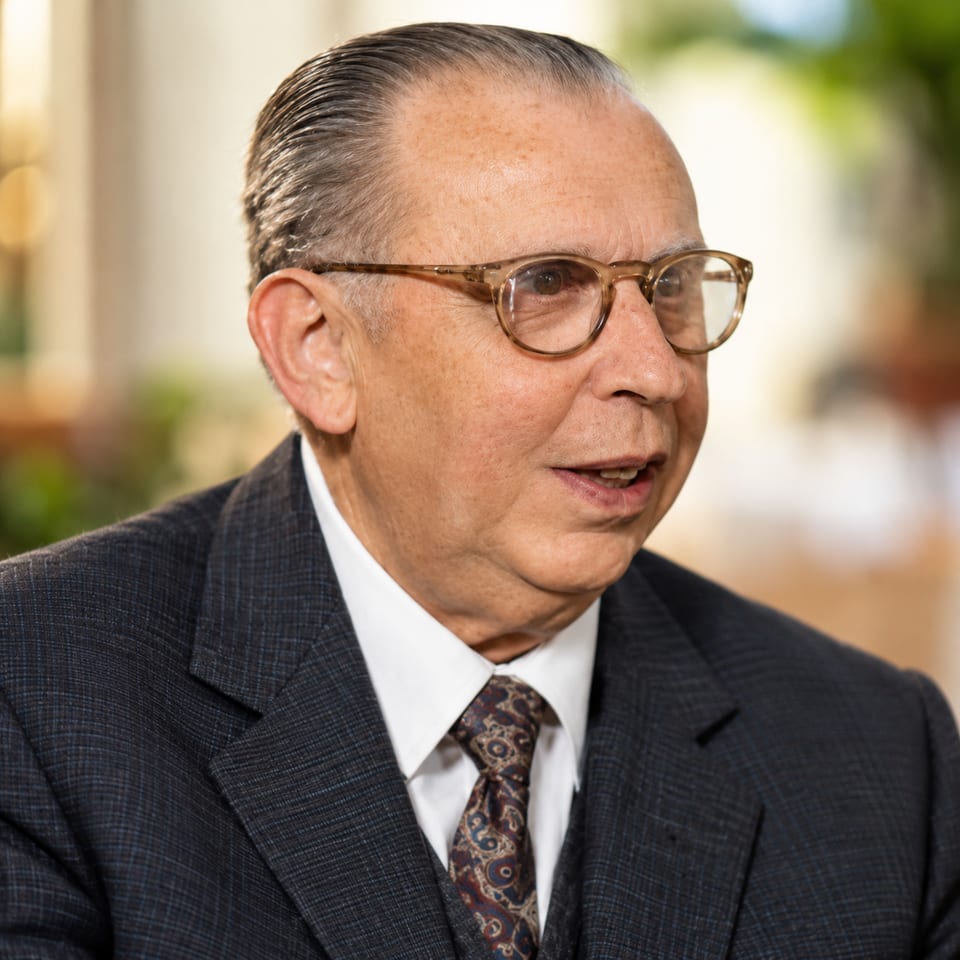
ContemporaryHistory19th CenturyRenewal of Canarian historiography
Historian and archaeologist
Professor of Spanish history at La Laguna who promoted the publication of primary sources and the training of historians of the Canary Islands.
Historian and archaeologist · 1898–1972
Historian and archaeologist
Professor of Spanish history at La Laguna who promoted the publication of primary sources and the training of historians of the Canary Islands.
Elías Serra Ràfols was born in Maó, Menorca, on 20 July 1898. He died in San Cristóbal de La Laguna on 27 July 1972. A historian and archaeologist, he developed his career at the University of La Laguna and contributed to the professionalisation of historical studies in the Canary Islands. His work encompassed teaching, documentary editions, archaeological research and the leadership of scientific initiatives through which he trained new generations of researchers.
He completed secondary school in Girona in 1915 and graduated in philosophy and letters from the University of Barcelona in 1919. There he trained in the intellectual setting of Pere Bosch Gimpera, whose teaching influenced his archaeological preparation. He earned his doctorate in Madrid in 1925 and obtained the chair of Spanish history at La Laguna in February 1926. He remained at the Canarian university until retiring in 1968, teaching history, palaeography and other humanities subjects.
Following the political purge he experienced under Franco’s regime, he returned to academic life and served as dean of philosophy and letters from 1940 to 1958. He also held the vice-rectorship and directed the Revista de Historia Canaria. He helped establish the Instituto de Estudios Canarios and served as its president. These university and editorial responsibilities accompanied his research and supported the creation of a lasting institutional setting for historical studies of the islands.
A central part of his work involved collecting, transcribing and publishing primary sources. With collaborators including Manuela Marrero Rodríguez, María Rosa Alonso and Emma González, he contributed to projects concerning the proceedings of Tenerife’s Cabildo, land grants, conquest chronicles and documents about disputes and distributions of land. He also worked on the edition of Le Canarien. His research explored Atlantic expansion, the conquest and colonisation of the islands, slavery and the indigenous population that survived the conquest.
In archaeology he investigated San Marcial del Rubicón in Lanzarote with his brother José de Calasanz. Preliminary documentary research guided the search for the site and the use of stratigraphic methods. In his historical work he advocated critical comparison of sources and a distinction between documented actions and motives attributed to historical figures. Assessment of this methodological contribution should place it within the intellectual circumstances of his time.
He delivered his final lecture in La Laguna’s Paraninfo on 29 May 1968. The university honoured him with four volumes published from 1970 to 1973. In 2019 the Instituto de Estudios Canarios collected his Obras canarias in five volumes, extending the availability of a body of work that combined research, bibliographical criticism and attention to cultural heritage.