

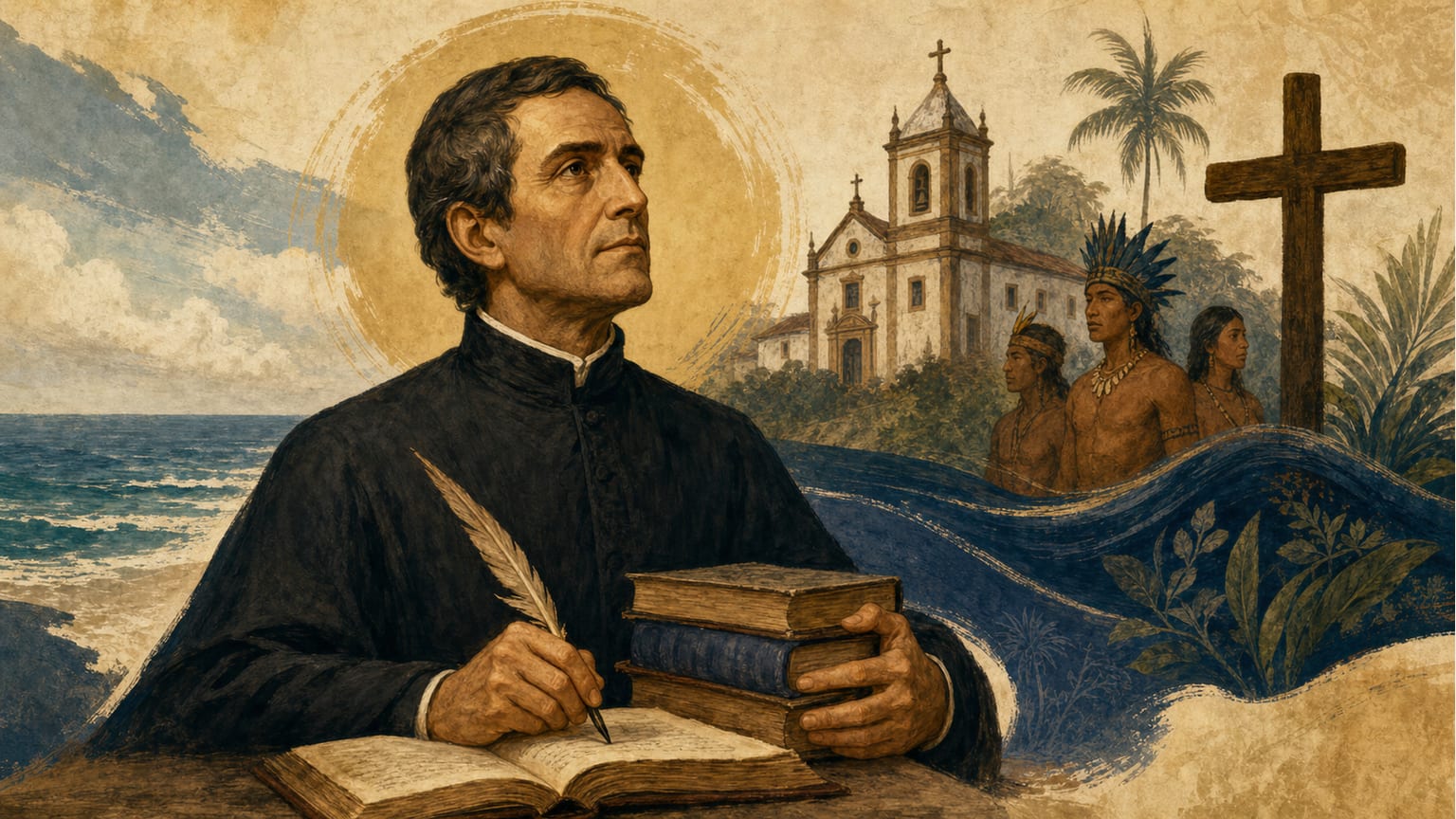
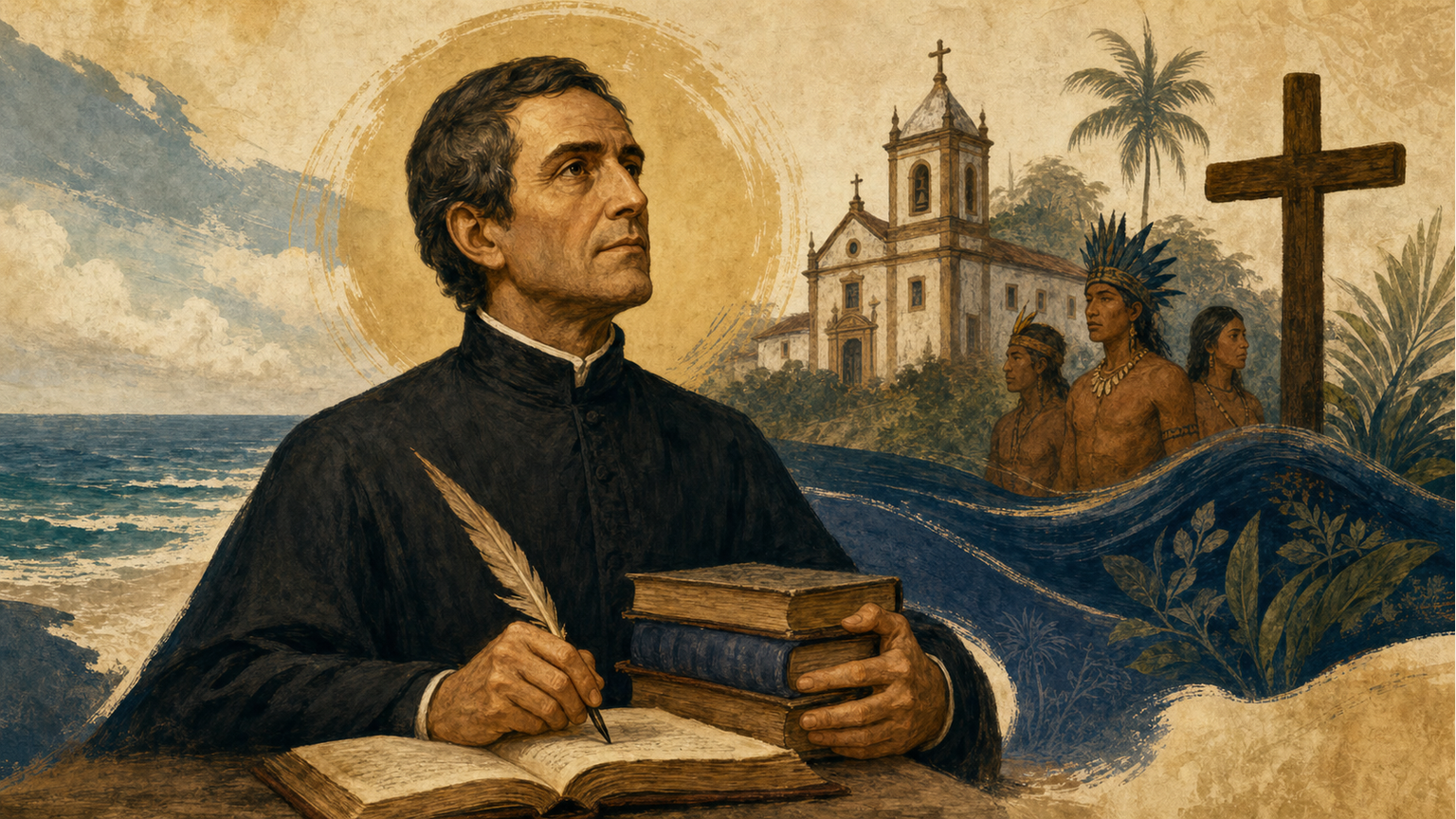
José de Anchieta, born in La Laguna in 1534, is recognized not only for his missionary work in Brazil but also for the multilingual nature of his literary output, according to Cioranescu, Alejandro[1]. The source notes that Anchieta wrote in Spanish, Portuguese, Latin, and Tupi, reflecting both his education and his adaptation to the cultural and linguistic contexts in which he worked[1].
According to the source, approximately 45% of Anchieta’s poetic compositions are in Spanish, 18% in Portuguese, 26% in Tupi, 4% in Latin, and 7% in all three modern languages[1]. This linguistic distribution demonstrates not only the author’s versatility but also his intention to reach diverse audiences: Portuguese settlers, Spaniards, converted indigenous people, and indigenous students[1].
Cioranescu, Alejandro, points out that Anchieta’s preference for Spanish may be explained by his origins, although he left the Canary Islands at a young age[1]. However, the use of Tupi is particularly significant, as the source states that there is no evidence of poetry being written in Tupi before Anchieta[1]. Creating poetry in Tupi meant developing a poetic language from a lexicon that had never before served literary purposes[1].
The source emphasizes that Anchieta’s poetry had a didactic and catechetical purpose, adapting popular songs to religious themes to prevent the singing of profane lyrics[1]. The variety of languages used was intended to instruct both Europeans and indigenous people, employing the most suitable language for each group[1].
In theater, Cioranescu, Alejandro, notes that Anchieta also employed multilingualism in his dramatic works, alternating Tupi, Spanish, and Portuguese according to character and situation[1]. For example, in the “Auto de San Lorenzo,” the demons speak in Tupi and the emperors in Spanish, placing each intervention at a different cultural and symbolic level[1].
In summary, multilingualism in José de Anchieta’s work, according to Cioranescu, Alejandro, not only reflects his biography and context but was also a fundamental tool for his educational and missionary work in colonial Brazil[1].