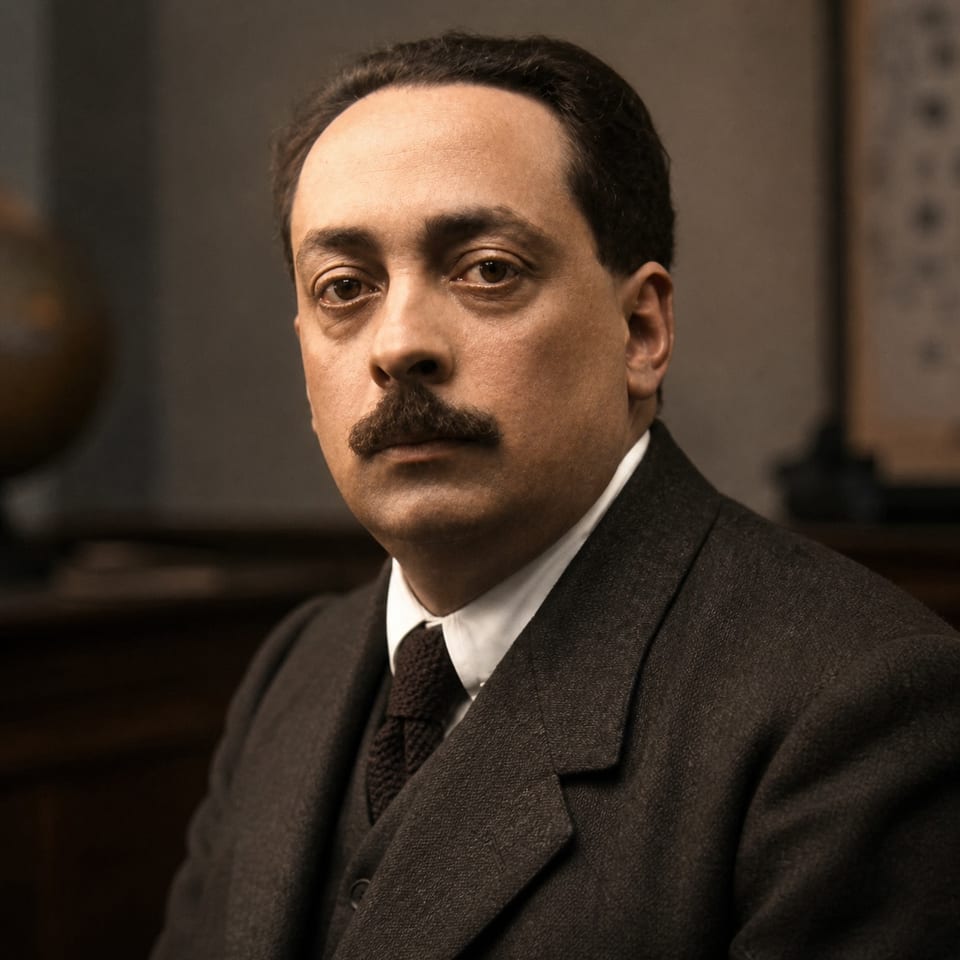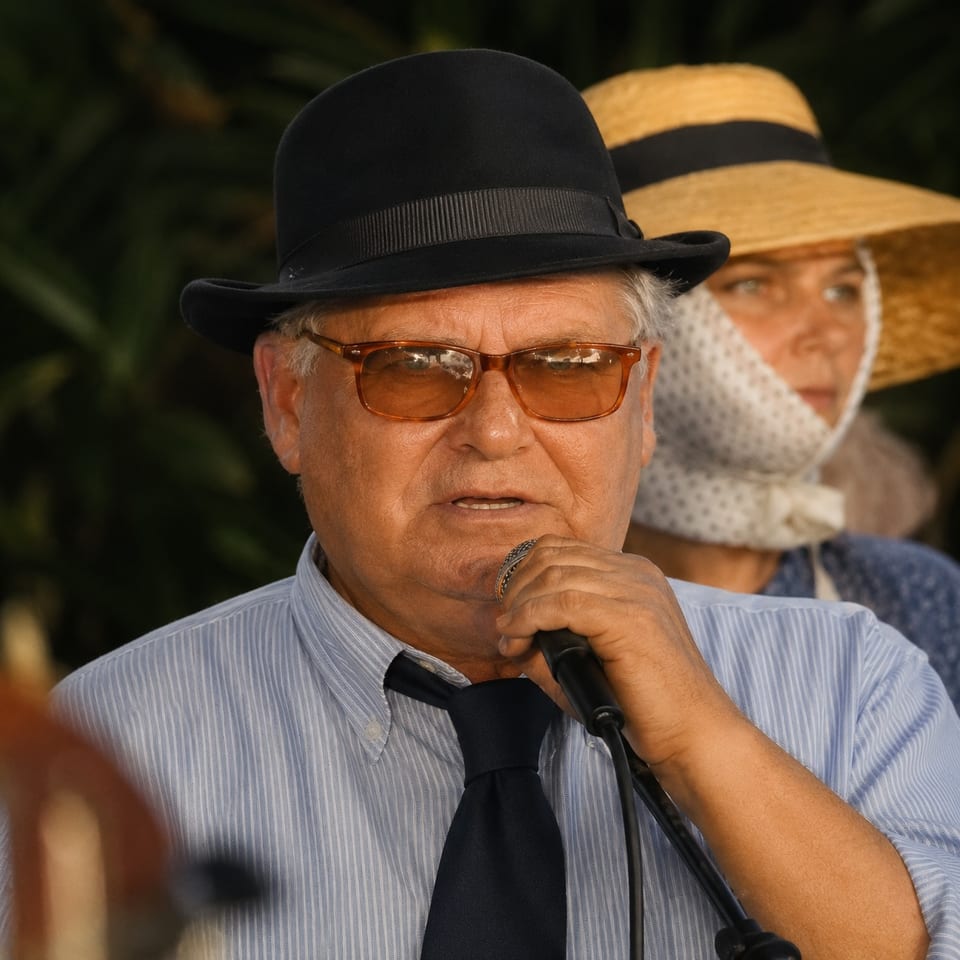
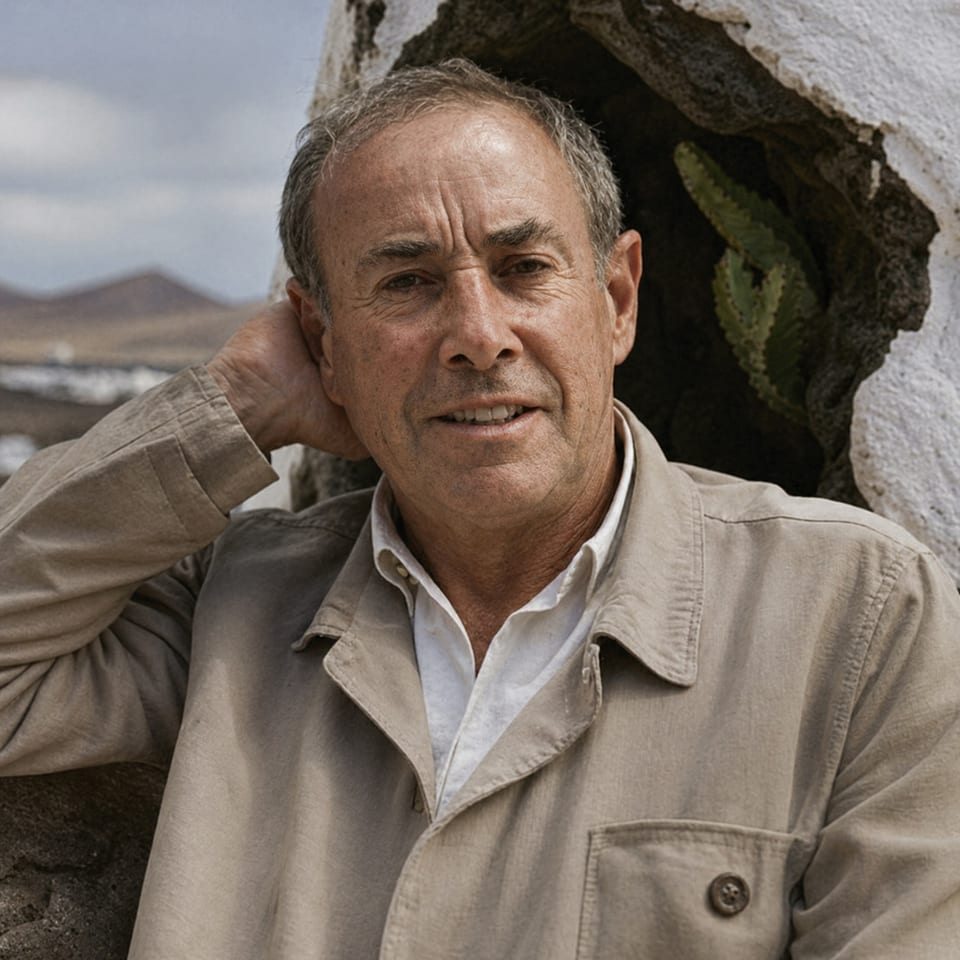
César Manrique
ContemporáneaArt20th CenturyVisionary of art and ecology

Visual artist and landscape activist

Lanzarote visual artist and landscape activist. He developed public work that integrated art, tourism and volcanic landscape, and defended a respectful approach to Lanzarote's territory.
Early life

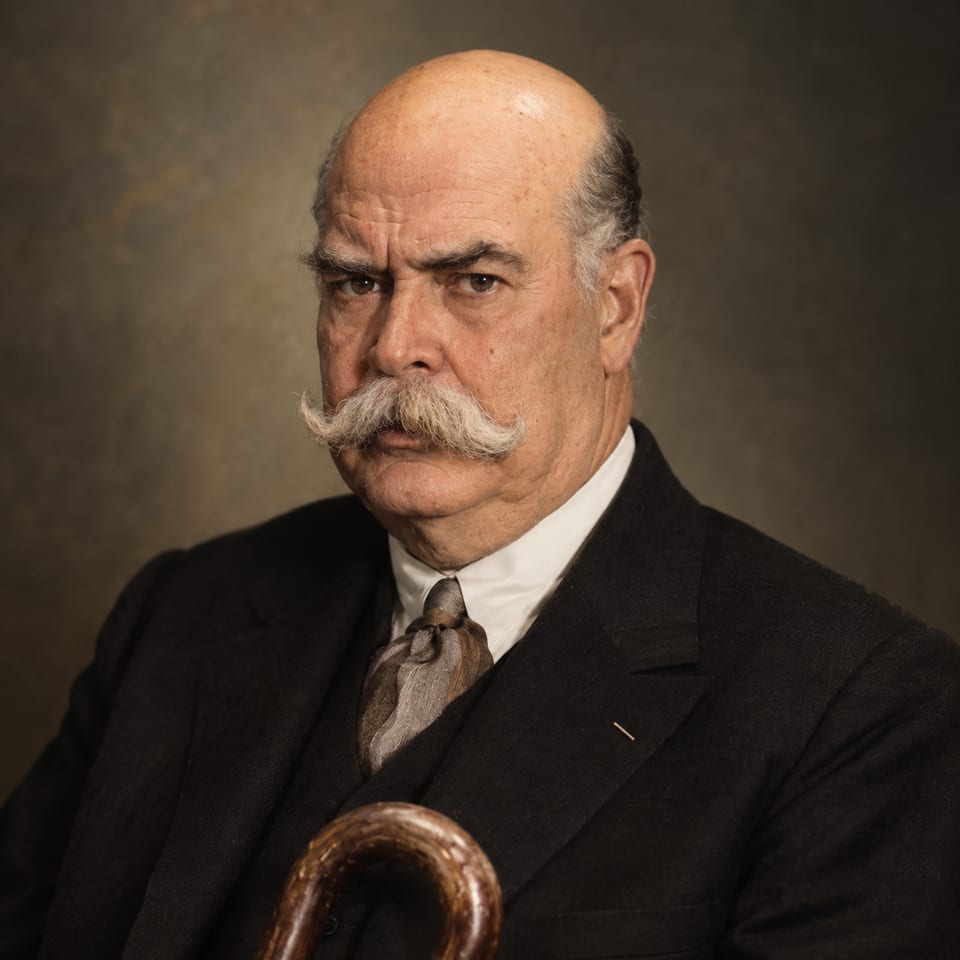
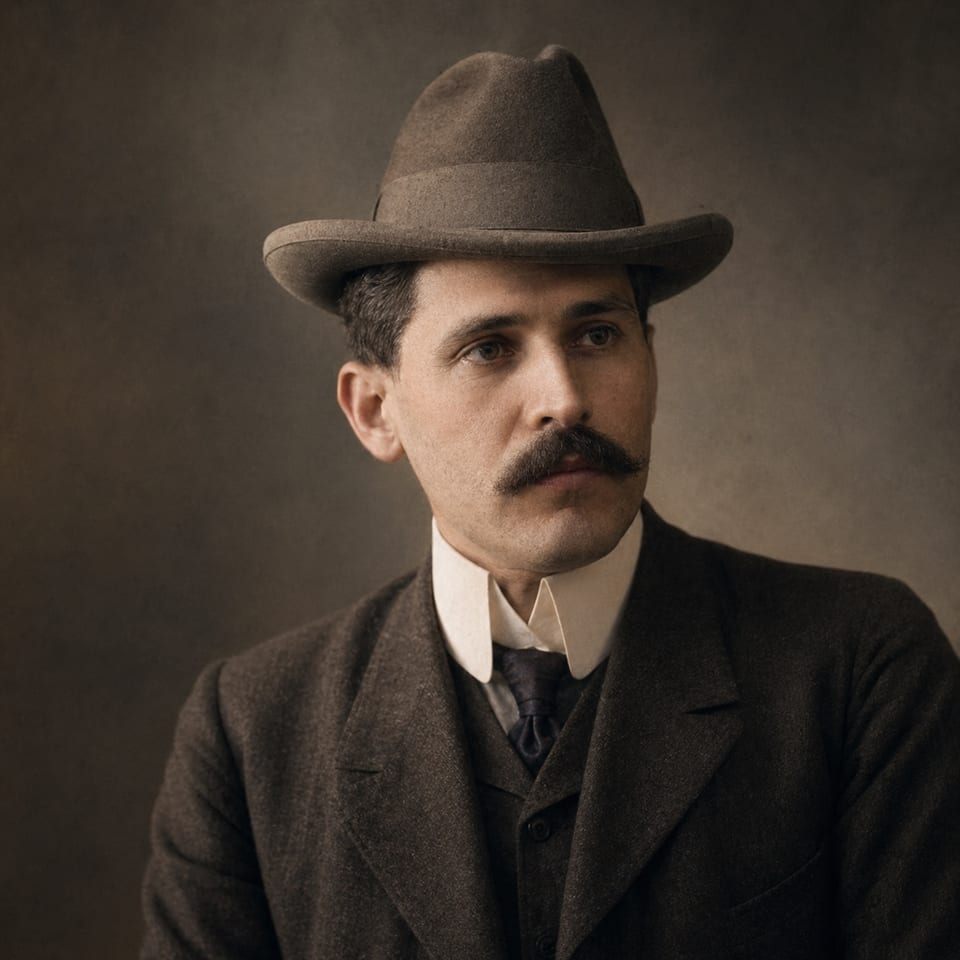
César Manrique was born in Arrecife, Lanzarote, in 1919. He trained at the San Fernando Academy of Fine Arts and lived in Madrid between 1945 and 1964 before moving to New York, where he exhibited at the Catherine Viviano Gallery and came into contact with American art movements.

Historical role

In the mid-1960s he returned to Lanzarote and developed public work based on the relationship between art and nature. Jameos del Agua, Mirador del Río, the Cactus Garden and his interventions in Timanfaya show that integration of artistic creation, tourism and volcanic landscape.

Legacy

His public activity included defending the landscape against tourism growth and collaborating with island institutions. The Taro de Tahíche house, built on a lava flow and inhabited by Manrique between 1968 and 1988, is now the headquarters of the César Manrique Foundation. Lanzarote was declared a UNESCO Biosphere Reserve in 1993, one year after his death.

Timeline

  1. 1919César Manrique is born in Arrecife, Lanzarote.
  2. 1964He moved to New York, where he came into contact with American art movements.
  3. 1968He built his Taro de Tahíche house on a lava flow, now the headquarters of the César Manrique Foundation.
  4. 1992César Manrique dies in Lanzarote.

Sources and verification