Agustín Espinosa
ContemporaryLiterature19th CenturyAvant-garde and surrealist

Poet and writer

Tenerife surrealist writer and poet, a central figure of the Canarian avant-garde. He founded the magazine La Rosa de los Vientos, contributed to Gaceta de Arte and co-organised the first Surrealist Exhibition held in Spain in 1935. His novel Crimen (1934) and his avant-garde guide Lancelot, 28º-7º (1929) are landmarks of island literary modernity.
Early life

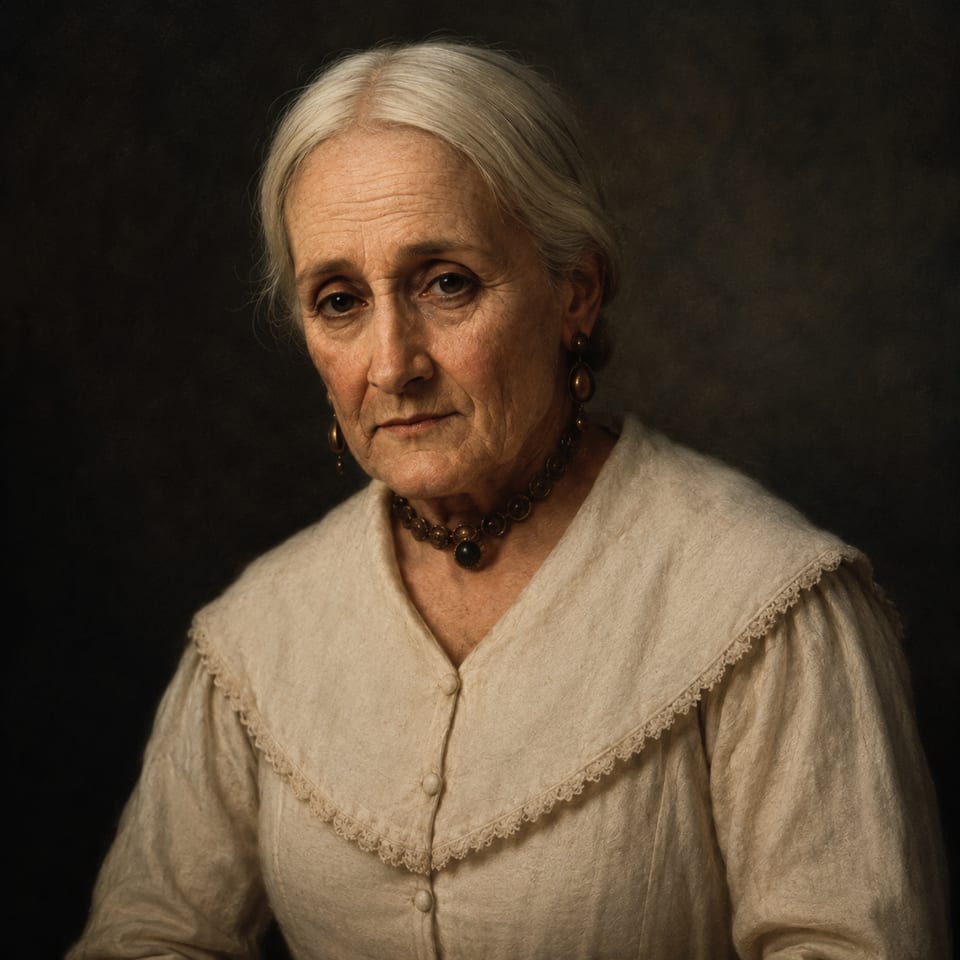
Agustín de Espinosa García Estrada was born on 23 March 1897 in Iriarte street, Puerto de la Cruz, into a well-off family that also owned property in Los Realejos. He studied for his baccalaureate in San Cristóbal de La Laguna between 1911 and 1917, where he discovered Rubén Darío and Juan Ramón Jiménez and published his first poem, Noche de Polichinela, in the modernist magazine Castalia in 1917.

Historical role

He read Philosophy and Letters at the University of Granada, where he coincided with Federico García Lorca, and continued his training in Madrid, at the Centro de Estudios Históricos and in the Residencia de Estudiantes circle of Salvador Dalí and Luis Buñuel. In 1924 he earned his doctorate with top marks with a thesis on the Lanzarote Enlightenment figure José Clavijo y Fajardo, published in full in 1970.

Back in the Canary Islands he devoted himself to teaching: he was an assistant lecturer at the University of La Laguna, first headmaster of the Colegio Tomás de Iriarte in Puerto de la Cruz and professor of Language and Literature. In 1927, together with Juan Manuel Trujillo and Ángel Valbuena Prat, he launched the magazine La Rosa de los Vientos, a generational manifesto of island modernity. Posted in 1928 as the first head of the Arrecife secondary school, he turned his experience of Lanzarote into Lancelot, 28º-7º. Guía integral de una isla atlántica (1929), an unclassifiable book between travel guide and poetic invention.

Settled in Las Palmas as a professor at the Pérez Galdós secondary school, he contributed to La Gaceta Literaria and the Tenerife-based Gaceta de Arte, and in 1932 married Josefina Boissier Castellanos, with whom he had three children. His commitment to surrealism culminated in Crimen (1934), a novel with a cover by Óscar Domínguez that led to a complaint before the Ministry of Public Instruction and whose copies were publicly burned; it was not republished until 1974. In 1935, as head of the first Santa Cruz de Tenerife secondary school and president of its Athenaeum, he co-organised with Eduardo Westerdahl, the Gaceta de Arte team and the mediation of Óscar Domínguez the Exposición Surrealista, the first held in Spain, which brought André Breton, Benjamin Péret and works by Picasso, Miró, Ernst and Dalí to the island.

Legacy

After the 1936 coup he was dismissed from his chair and subjected to a purge proceeding from which he was acquitted; reinstated in 1938, he was posted for health reasons to the Santa Cruz de La Palma secondary school. Suffering from a duodenal ulcer, he travelled to Tenerife for surgery and died at his family home in Los Realejos on 28 January 1939, aged 41. In 2008 the Government of the Canary Islands awarded him, posthumously, the Gold Medal of the Canary Islands.

Timeline

  1. 1897March 23, 1897Born in Iriarte street, Puerto de la Cruz, Tenerife.
  2. 1917Publishes his first poem, Noche de Polichinela, in the modernist magazine Castalia.
  3. 1924June 10, 1924Earns his doctorate in Madrid with top marks with a thesis on José Clavijo y Fajardo.
  4. 1927Co-founds the magazine La Rosa de los Vientos, a manifesto of Canarian literary modernity.
  5. 1929Publishes Lancelot, 28º-7º, his avant-garde guide to Lanzarote, after heading the new Arrecife secondary school.
  6. 1934Publishes the surrealist novel Crimen, denounced and publicly burned; it will not be republished until 1974.
  7. 1935May 11, 1935Co-organises the Tenerife Surrealist Exhibition, the first held in Spain, with André Breton and Benjamin Péret.
  8. 1936September 16, 1936Dismissed from his chair after the coup d'état; he will be reinstated in 1938 and posted to Santa Cruz de La Palma.
  9. 1939January 28, 1939Dies in Los Realejos, Tenerife, after surgery for a duodenal ulcer.
  10. 1974His novel Crimen was reprinted, beginning the recovery of his work after decades of silence.
  11. 2008The Government of the Canary Islands posthumously awards him the Gold Medal of the Canary Islands.

Sources and verification