Sabinosa
Download original image
Island
El Hierro
Career
Re-founded in 1945

In brief

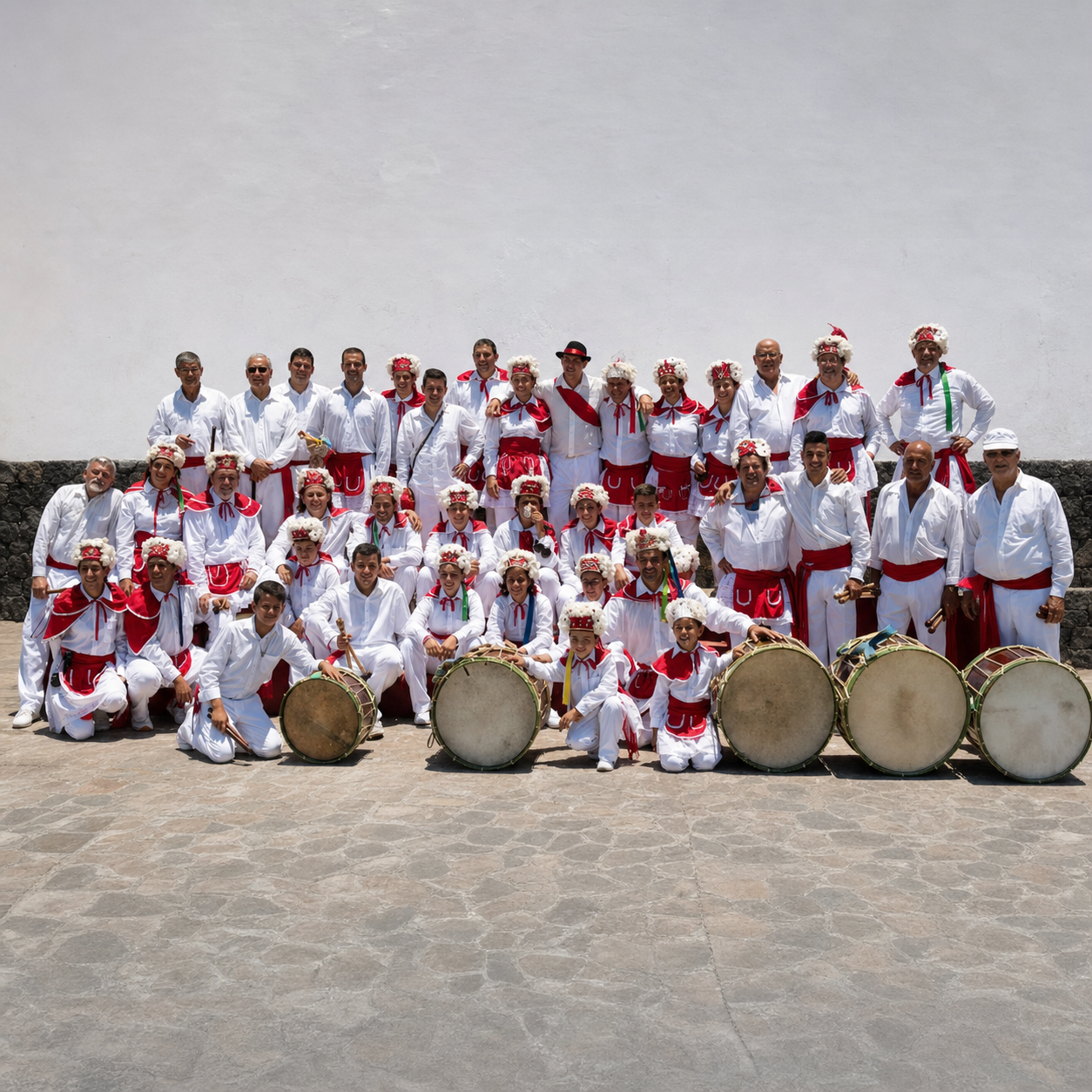
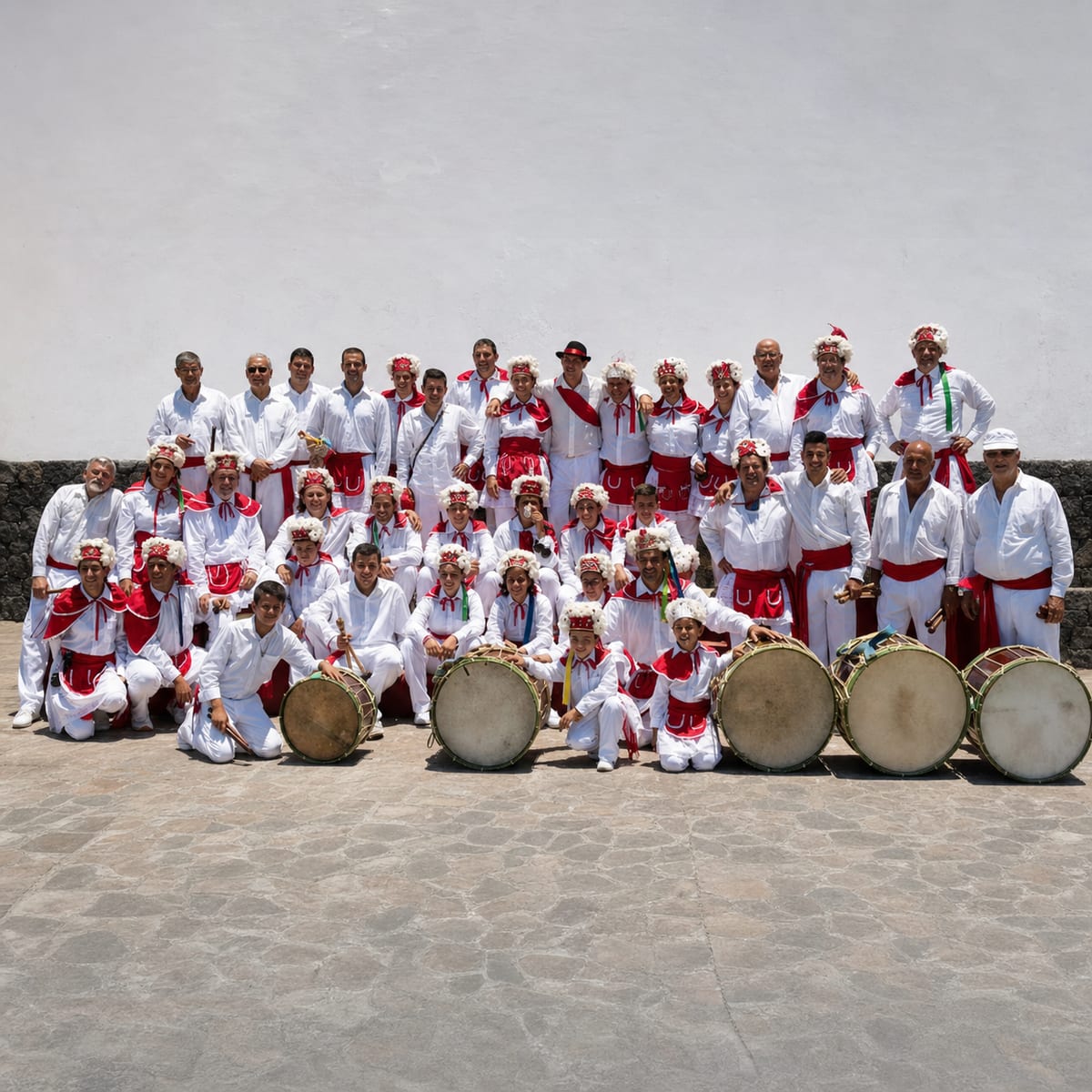
The Agrupación Folclórica de Sabinosa is regarded as the cradle of El Hierro folklore. Its spontaneous gatherings date back to the late 1920s, but activity was interrupted during the Spanish Civil War, and the group was formally re-founded in 1945 by Benigno Hernández, Felipe León and Valentina Hernández, "Valentina la de Sabinosa".

Related figures

  • Valentina Hernández Rodríguez «La de Sabinosa»
  • Benigno Hernández
  • Felipe León

Works and repertoire

  • Arrorró
  • El Vivo
  • Tango Herreño
  • La Meda

Group history

The origins of the Agrupación Folclórica de Sabinosa trace back to spontaneous neighbourhood gatherings in the late 1920s in the village of Sabinosa (La Frontera, El Hierro). Activity was interrupted during the Spanish Civil War, and the group was re-founded in 1945 by Benigno Hernández, Felipe León and Valentina Hernández Rodríguez, known as "Valentina la de Sabinosa", who became its defining voice and figure. RTVC presents it as the first folk ensemble formally constituted on the island. Valentina died in 1976, and that same year a group of Valle de El Golfo residents founded Tejeguate to keep the musical legacy she represented from disappearing.
Why it matters

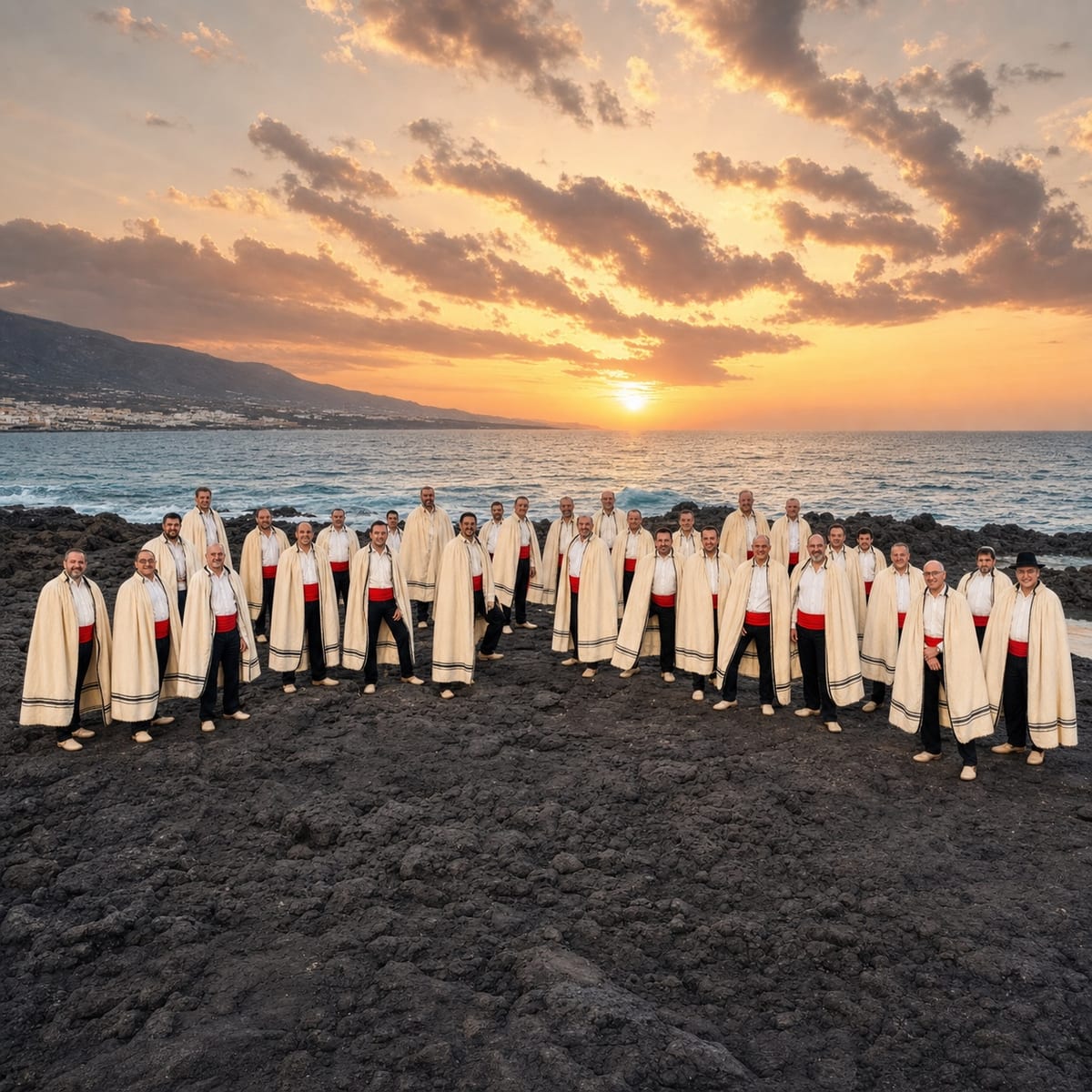
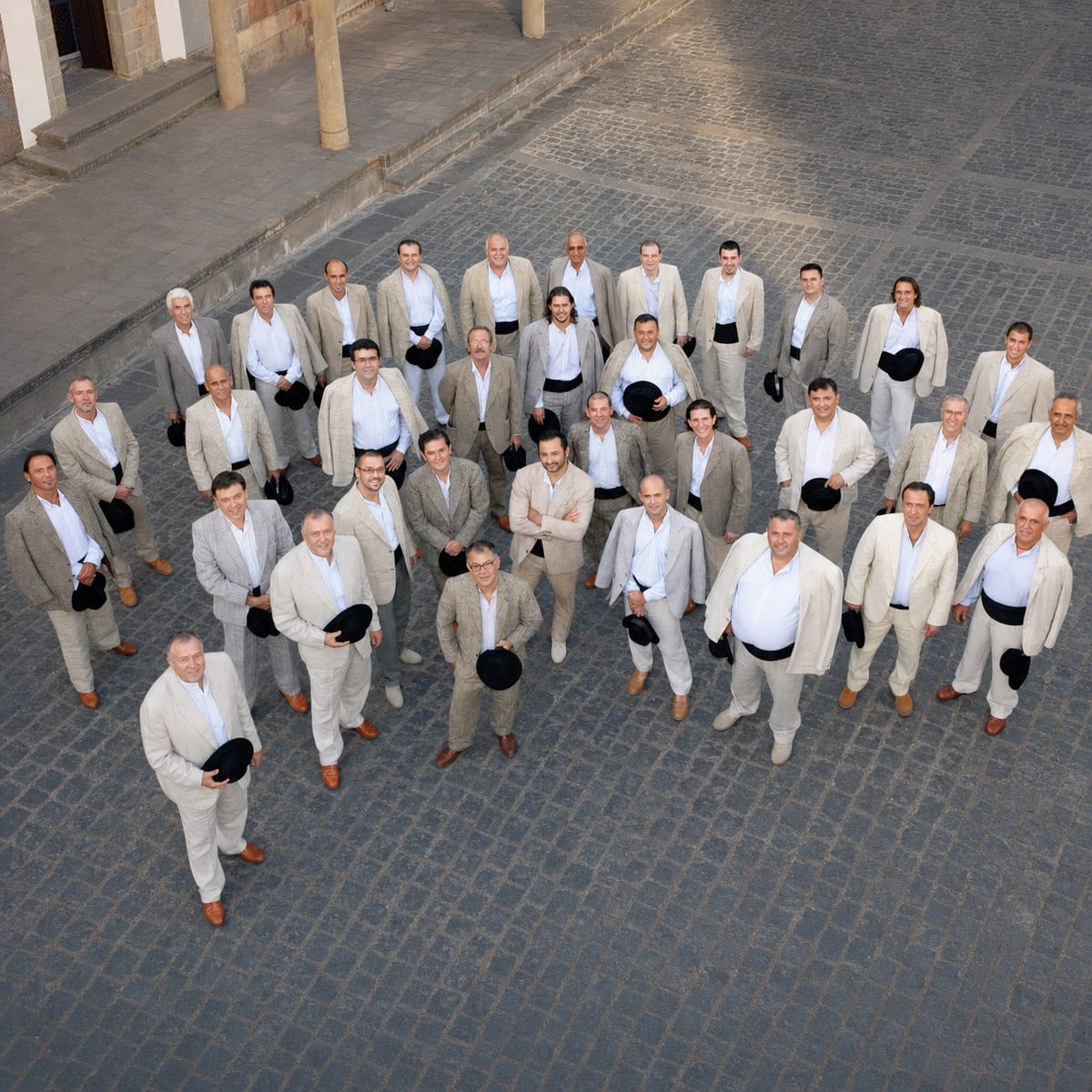
Sabinosa is regarded as the cradle of El Hierro folklore and the island’s oldest ensemble, a direct precedent for later formations such as Tejeguate (1976) and Joapira (1989). Its importance rests above all on Valentina la de Sabinosa, whose voice was documented in reference recordings of Canarian folklore and helped project El Hierro’s musical heritage within and beyond the archipelago.

Style and repertoire

Sabinosa’s repertoire centres on genres native to El Hierro: the Baile del Vivo, the Tango Herreño and La Meda, alongside folías, isas, seguidillas, mazurkas and berlinas, performed with the pito herreño whistle, drum, chácaras and guitars. Two pieces associated with Valentina, "Arrorró" and "El Vivo", were included in 1960 in Manuel García Matos’s Antología del Folklore Musical de España (Hispavox), one of the major sound collections of Spanish folklore.

Transmission and legacy

Transmission of Sabinosa’s legacy relies on Valentina’s historic recordings — the album "Cantos y Bailes Herreños. Folklore de las Islas Canarias" (1972, Estudios Aries, Santa Cruz de Tenerife, musical supervision by Elfidio Alonso) and her inclusion in García Matos’s 1960 Antología — as well as later publications such as "El folclore en Sabinosa" (2017) by Venancio Acosta Padrón. The Canary Islands Government devoted an educational documentary to Valentina within its "enSeñas" collection, featuring philologist Maximiano Trapero, which has helped keep her memory alive among new generations.

Key milestones

  1. Spontaneous gatherings in Sabinosa

    Sabinosa residents keep the village’s traditional dances and songs alive through spontaneous gatherings, the seed of the future ensemble.

  2. Re-founding of the ensemble

    After the interruption caused by the Civil War, Benigno Hernández, Felipe León and Valentina Hernández formally re-found the Agrupación Folclórica de Sabinosa.

  3. Antología del Folklore Musical de España

    Manuel García Matos includes "Arrorró" and "El Vivo", performed by Valentina, in his Antología del Folklore Musical de España (Hispavox).

  4. "Cantos y Bailes Herreños" recording

    Valentina records the album "Cantos y Bailes Herreños. Folklore de las Islas Canarias" at Estudios Aries in Santa Cruz de Tenerife, with musical supervision by Elfidio Alonso.

  5. Death of Valentina la de Sabinosa

    Valentina Hernández Rodríguez dies in 1976; that same year the Tejeguate ensemble is founded in La Frontera to keep the musical legacy she represented from disappearing.
  6. "El folclore en Sabinosa" is published

    Venancio Acosta Padrón publishes "El folclore en Sabinosa" (VeredaLibros), a reference work on the ensemble’s history and repertoire.

Sources and links