
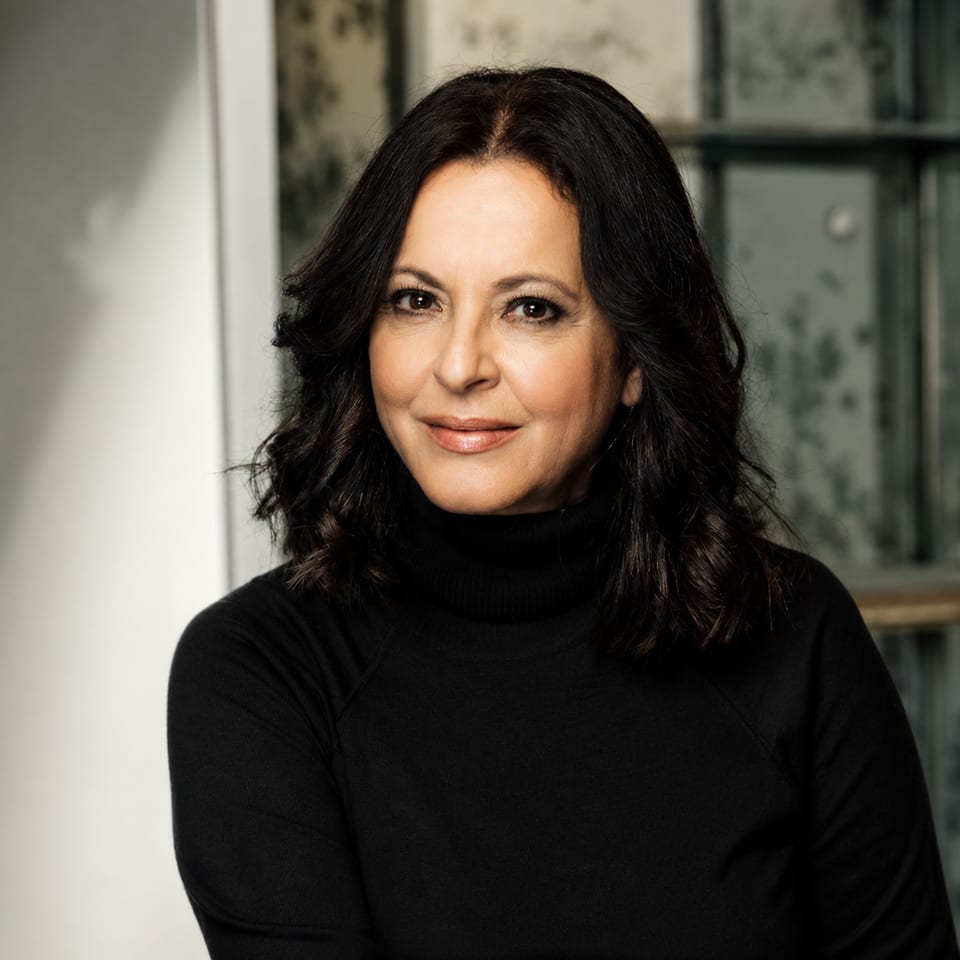
Olga Cerpa
Roles
Singer · Roots-music performer · World-music artist
Genres
Canarian roots music · World music · Fado · Bolero and Latin American song
Instruments
Voz
Activity
1986

Music career

Institutional sources document Olga Cerpa’s public career from her joining Mestisay in 1986. With that project, created by Manuel González in Las Palmas de Gran Canaria, she has developed recordings, concerts and productions crossing Canarian song, Portuguese fado, bolero and Atlantic repertories. The Canary Islands Government recorded the 2009 presentation of Pequeño fado y otras canciones de amor and a career across stages in more than a dozen countries; in 2011 it placed Mestisay on a tour of Albuquerque and Miami; and in 2026 it presented Canarii within the Canary Islands Music Festival.

Contribution

Her contribution lies in giving Mestisay a recognisable lead voice for contemporary Canarian music open to the Atlantic. Canary Islands Government sources present her as a world-music singer with performances on three continents and two Latin Grammy nominations, while Palosanto and Canarii show a production line that turns island identity into musical dialogue with guitarists, choirs, authors and performers from varied backgrounds.

Style

The documented style combines lead voice, timples, guitars, bass, choirs and percussion with arrangements that change from project to project. Pequeño fado and Romántico bring Latin American bolero close to Portuguese fado; Palosanto focuses the sound on voice and seventeen guitarists from different countries; and Canarii works through a mixed Canarian identity using traditional music, original composition and contemporary stage language.

Repertoire

The verified repertory includes El cantar viene de viejo, documented by the Spanish National Library in 1992 with popular pieces and songs listing Olga Cerpa; Pequeño fado y otras canciones de amor, presented by institutional sources in 2009; Palosanto, recorded with seventeen guitarists; and Canarii, a stage and concert production described by the Canary Islands Government in 2026. This selection does not aim to close a complete Olga Cerpa and Mestisay discography.

Legacy

Her legacy is transmitted through Mestisay’s continuity and through a way of interpreting Canarian identity as an Atlantic crossing. Rather than presenting tradition as a closed repertory, her projects connect it with Portugal, Latin America, Africa, Eastern European choirs, guitarists from many countries and staged narratives about landscape and island identity.

Canary Islands connection

Her career starts from Gran Canaria and projects, through Mestisay, a contemporary reading of Canarian music, with documented biographical links to Las Palmas de Gran Canaria and Moya and stage activity across several islands.

Works and recordings

1992

Arrorró

Tema documentado por BNE en El cantar viene de viejo con participación y arreglos asociados a Olga Cerpa.

Palosanto

Proyecto con diecisiete guitarristas grabado y presentado internacionalmente según fuente institucional.

2026

Canarii

Producción escénica y versión de concierto sobre identidad canaria presentada en el Festival de Música de Canarias.

Timeline

  1. Entrada en Mestisay

    Olga Cerpa se incorpora a Mestisay, según fuente institucional del Gobierno de Canarias.

  2. El cantar viene de viejo

    BNE documenta este disco de Mestisay con repertorio popular y créditos de Olga Cerpa.

  3. Pequeño fado

    Olga Cerpa y Mestisay presentan Pequeño fado y otras canciones de amor en Madrid.

  4. Gira por Estados Unidos

    Mestisay lleva música canaria a Albuquerque y Miami dentro de Canarias Crea.

  5. Voz y diecisiete guitarras

    El proyecto reúne la voz de Olga Cerpa con guitarristas de distintas nacionalidades.

  6. Canarii

    La versión en concierto de Canarii se integra en el Festival de Música de Canarias.

Sources