
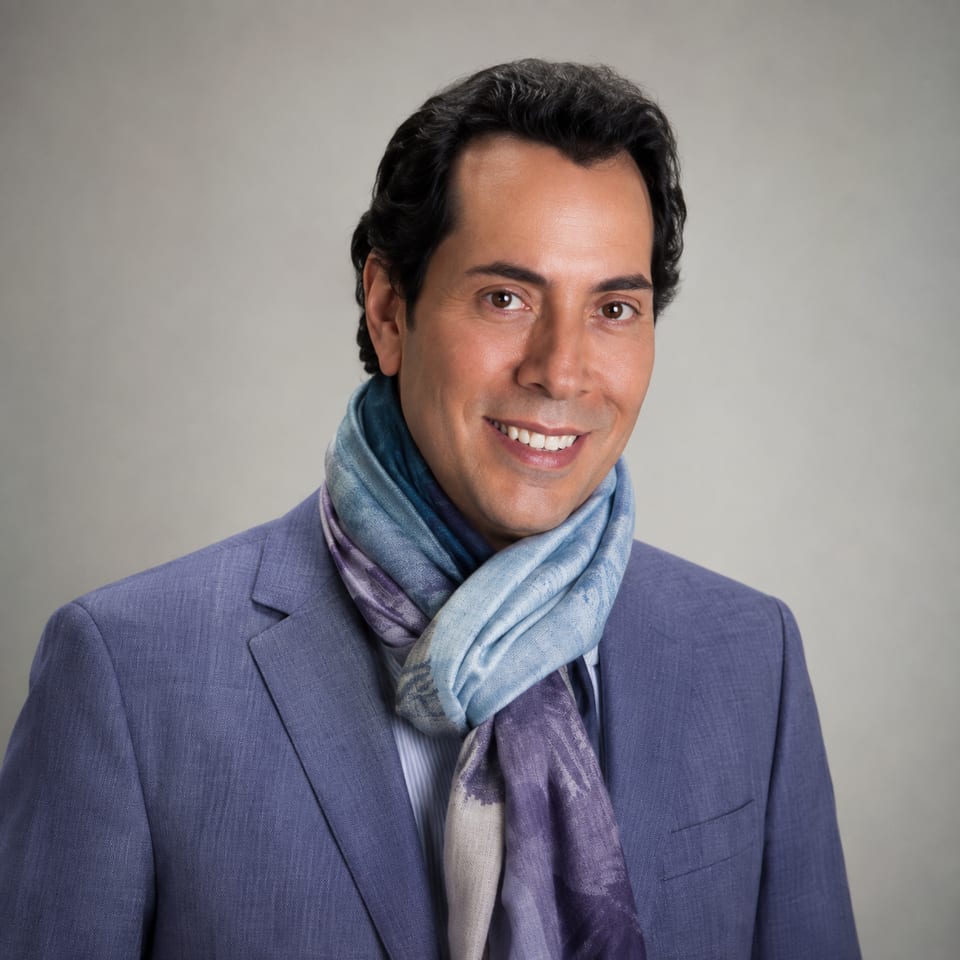
José Vélez
Roles
Singer · Composer · Vocal soloist
Genres
Melodic ballad · Melodic pop · Spanish-language popular song
Instruments
Voice
Activity
1974

Music career

CanariWiki documents his beginnings in Telde as a child singer at family events, neighbourhood festivities and with Trío Maravillas, followed by a later period in Gran Canaria hotels and venues. In the late 1960s he moved to Madrid to try to enter popular song. His recording career is associated with the success of Vino griego and the television circuit of the 1970s, and RTVE preserves the performance with which he represented Spain at Eurovision 1978 with Bailemos un vals.

Contribution

His contribution to the Canary Islands music catalogue lies in representing a Gran Canaria path of melodic song with television, festival and Latin American circulation. Unlike profiles centred on folklore, timple or singer-songwriter music, José Vélez documents a Canarian presence in the Spanish popular industry of the 1970s and an outward projection built through romantic repertory and television.

Style

The consulted sources place him within melodic song, ballad and Spanish-language popular pop. His most visible repertory rests on solo voice, orchestral or light-song arrangements, memorable choruses and a direct performance style aimed at television, festivals and large audiences. The composer label is retained because sources identify him as such, although the main works verified here include songs by other authors.

Repertoire

The verified repertory for this profile includes Vino griego as the axis of public consolidation, Bailemos un vals as the 1978 Eurovision song, and later circulating titles such as Romántica and Confidencias. The discography remains selective because the located open sources do not allow every album, reissue and compilation published in Spain and the Americas to be closed with the same reliability.

Legacy

His legacy rests on a popular memory closely linked to Telde and on a career that connected Spanish melodic song with Latin American audiences. His appointment as Hijo Predilecto of Telde in 2010 reinforces that local reading: it recognises not only a music career, but also the circulation of Telde and Gran Canaria’s name on external stages.

Canary Islands connection

The Canarian connection is documented by his birth in Telde, his early performances in Gran Canaria, the public use of the nickname “canarito” recorded by biographical sources and the municipal recognition as Hijo Predilecto of Telde.

Works and recordings

1975

Vino griego

Canción identificada por CanariWiki como el éxito que consolidó su proyección internacional tras su aparición en Directísimo.

1978

Bailemos un vals

Canción con la que representó a España en Eurovisión 1978, documentada por RTVE y la EBU con noveno puesto.

2003

Canario Latinoamericano

Tema citado por CanariWiki dentro de la etapa que refuerza su vínculo simbólico entre Canarias e Hispanoamérica.

Timeline

  1. Nacimiento

    Nace en Telde, Gran Canaria; la fecha exacta de noviembre se mantiene abierta por conflicto entre fuentes.

  2. Trío Maravillas

    CanariWiki sitúa sus primeros años de canto como solista infantil en el Trío Maravillas.

  3. Madrid

    Se traslada a Madrid tras una primera etapa de actuaciones en Gran Canaria.

  4. Vino griego

    Vino griego se convierte en el eje de su consolidación pública e internacional.

  5. Eurovisión

    Representa a España en París con Bailemos un vals y queda en noveno lugar.

  6. Hijo Predilecto de Telde

    El Ayuntamiento de Telde acuerda nombrarlo Hijo Predilecto de la ciudad.

Sources