Verode
Download original image
Island
Tenerife
Career
Founded in 1977

In brief

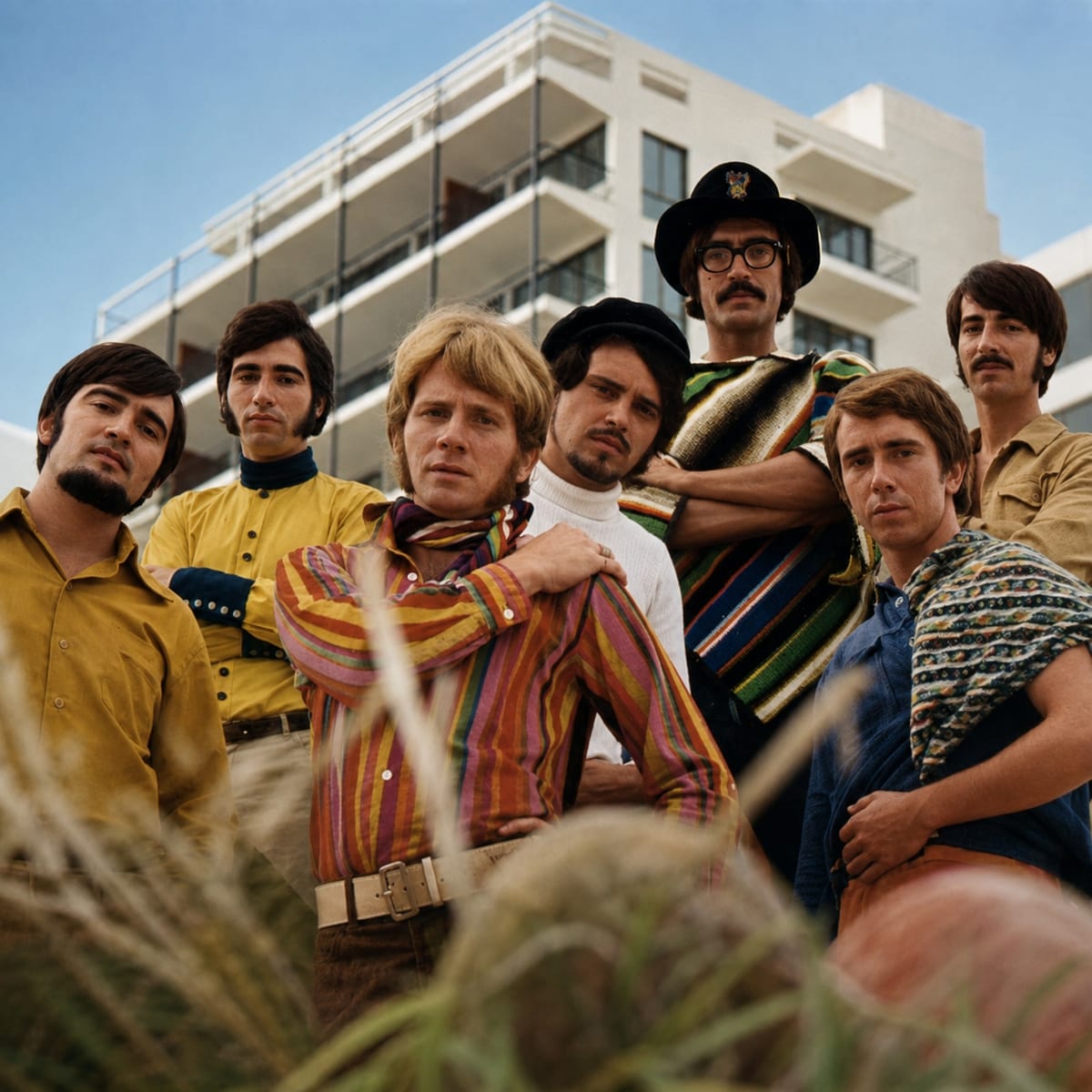
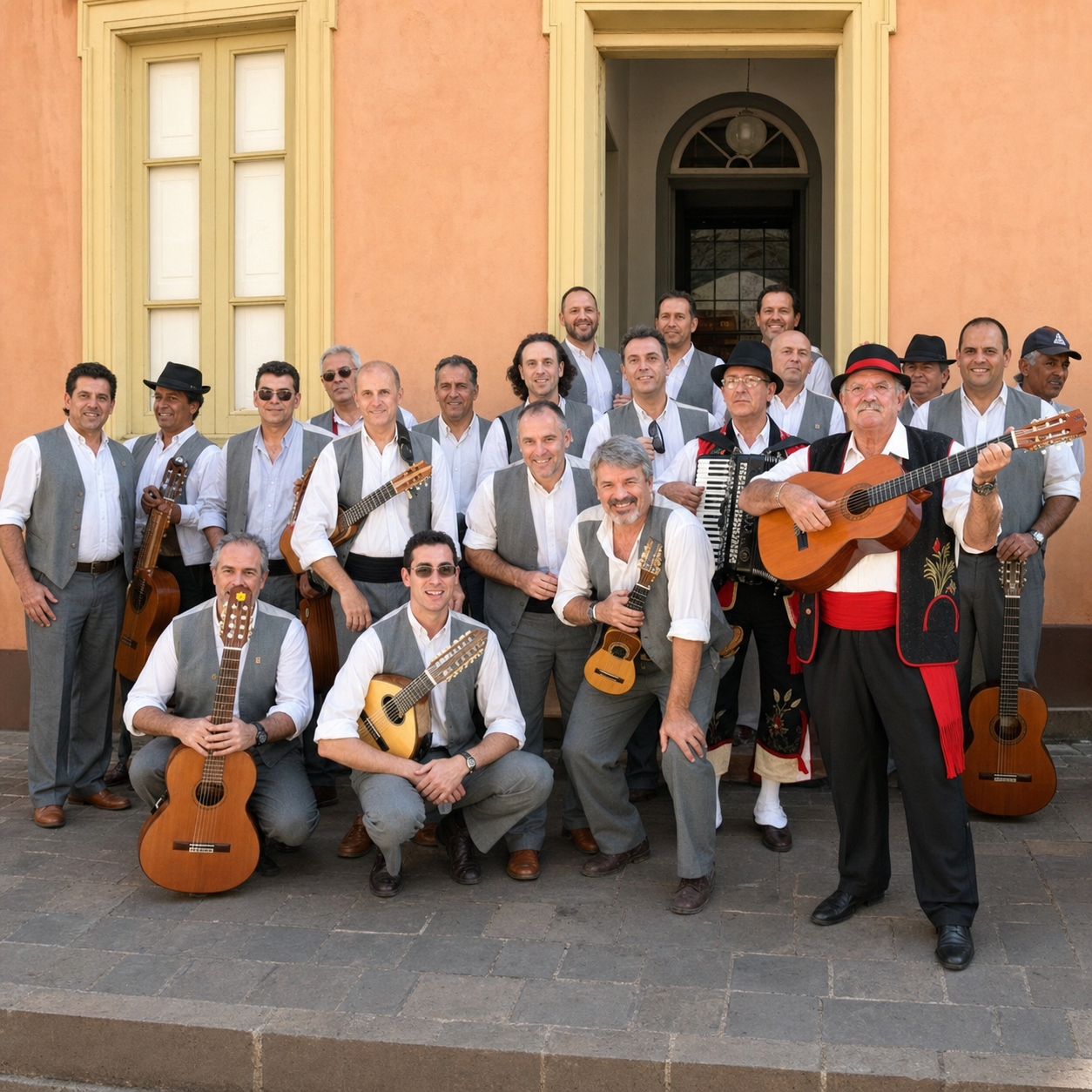
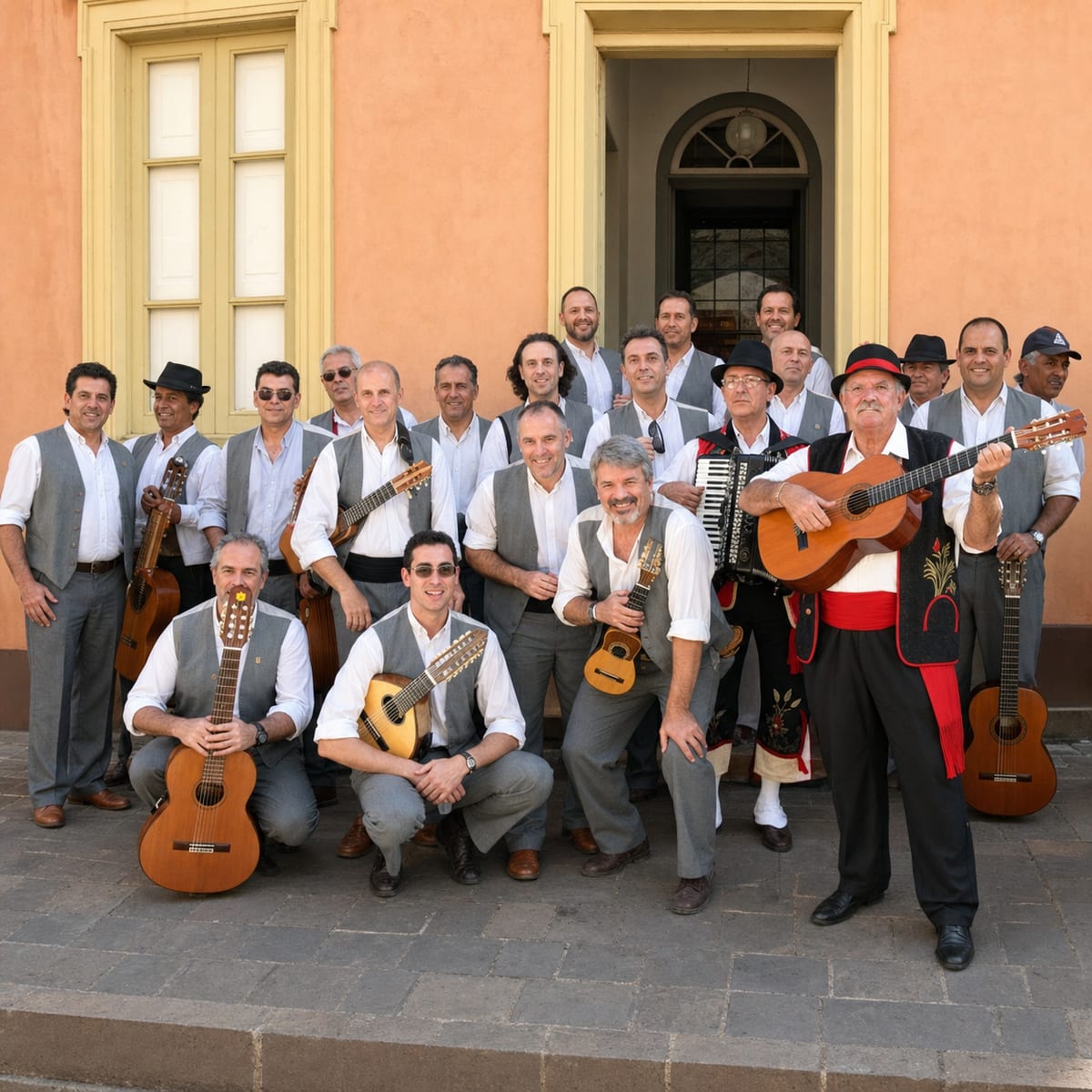
Verode is one of the Canary Islands’ longest-running folk ensembles, founded in Santa Cruz de Tenerife in 1977 to research and spread the archipelago’s traditional music. With more than four decades of activity and an extensive discography, it has become a benchmark of Canarian popular song and a training ground for new generations of performers.

Related figures

  • Jaime Hamad
  • Nanino Díaz Cutillas
  • Pepe Fernández

Works and repertoire

  • De las Islas
  • Ser Canario
  • Décimas del Garafiano
  • El Parrandero
  • En Concierto (25 años cantando a Canarias)
  • Estampas sonoras
  • Simiente

Group history

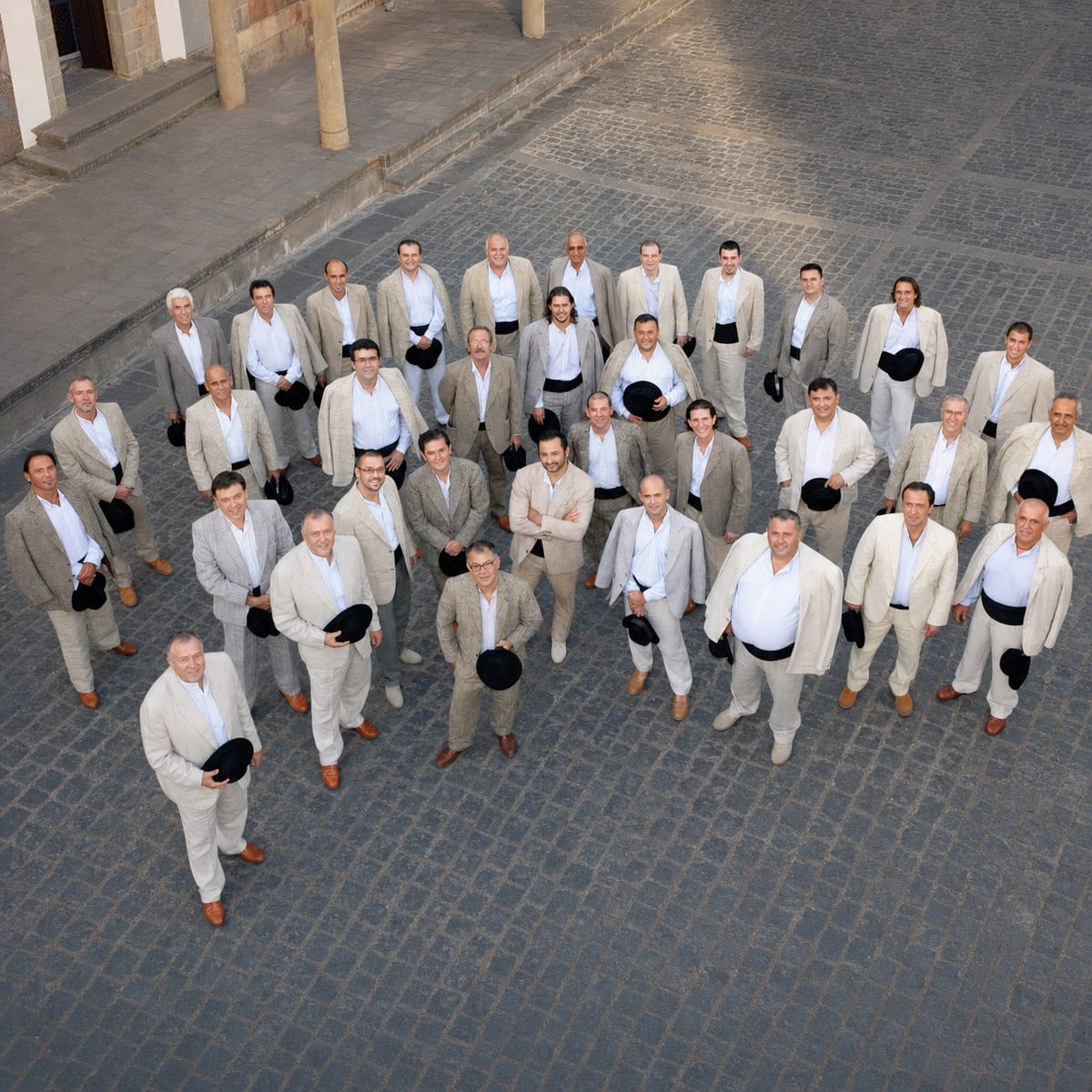
Grupo Verode was born in 1977 in Santa Cruz de Tenerife, when a group of young enthusiasts of Canarian music and tradition set up an ensemble devoted to researching and spreading island folklore, under the direction of folklorist Jaime Hamad. Its name comes from the verode (Kleinia neriifolia), a native plant able to take root in arid ground, adopted as a symbol of resilience and attachment to Canarian soil. Its first records, “De las Islas” and “Ser Canario”, were cut at Estudios Aries in Santa Cruz de Tenerife, then run by Pepe Fernández. The group reached a wider audience through folklore television programmes such as “Tenderete”, hosted by Fernando “Nanino” Díaz Cutillas, and has kept up a steady presence on stages across the islands and in the Canarian diaspora ever since.
Why it matters

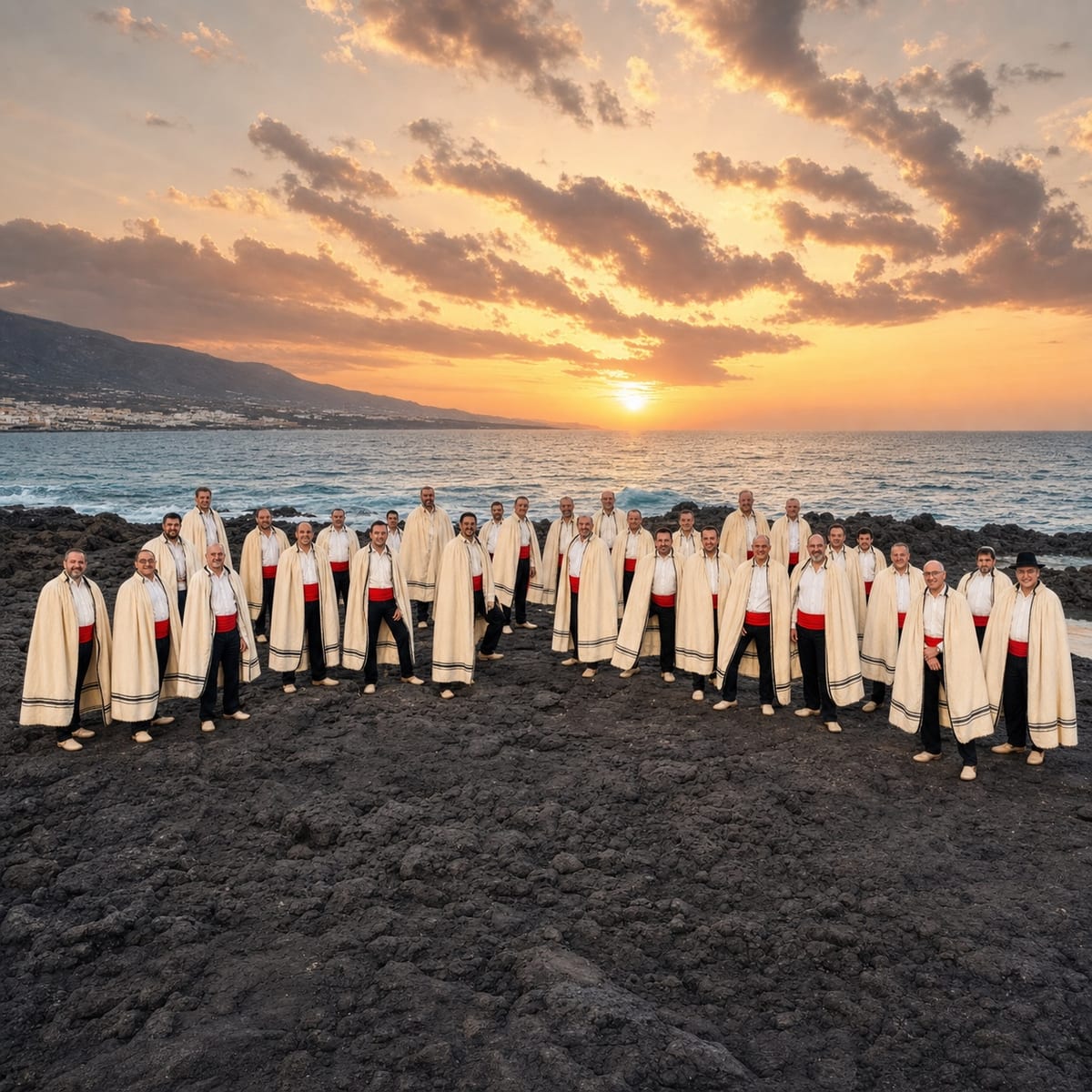
With nearly half a century of activity and one of the most extensive discographies in Canarian folklore, Verode has played a decisive role in recovering traditional pieces and genres at risk of disappearing. Its participation in folklore gatherings, institutional appearances —including its presence at the 1992 Seville World’s Fair— and awards such as the San Borondón Prize (2011) confirm its standing as a cultural benchmark. It has also served as a training ground for performers who have carried Canarian popular song forward into later generations.

Style and repertoire

Verode’s repertoire spans isas, folías, malagueñas, seguidillas, polcas and tajarastes, as well as décimas, traditional villancicos and sea-faring song, with vocal and instrumental arrangements —timple, guitar, lute and percussion— that stay close to traditional Canarian sonority while also including the group’s own compositions within Canarian popular song.

Transmission and legacy

Transmission of the repertoire rests on Jaime Hamad’s direct ethnographic research and on the group’s early exposure through television and radio, especially folklore programmes like “Tenderete”. This has been reinforced by more than a dozen albums, regular performances at theatres and island festivities, and the incorporation of new voices over the decades, which has kept the recovered repertoire alive through successive generations of members.

Key milestones

  1. Founding in Santa Cruz de Tenerife

    A group of young enthusiasts of Canarian music and tradition set up Verode under the direction of folklorist Jaime Hamad, aiming to research and spread the traditional folklore of the archipelago.

  2. “De las Islas” and “Ser Canario”

    The group recorded its first albums at Estudios Aries in Santa Cruz de Tenerife, then run by Pepe Fernández, launching what would become an extensive discography.

  3. Performance at the Seville Universal Exposition

    Verode performs at Seville’s Expo ’92 on World Tourism Day, representing Canarian folklore before an international audience.

  4. “En Concierto”, 25th-anniversary album

    The group releases the live album “En Concierto”, subtitled “25 años cantando a Canarias”, to mark its first quarter-century.

  5. San Borondón Prize

    The Centro de la Cultura Popular Canaria honours Verode with the San Borondón Prize for its ongoing work researching and promoting Canarian folklore.

  6. 45th anniversary

    Verode marks 45 years of uninterrupted activity with a commemorative concert, still active under Jaime Hamad’s direction and with a discography of nearly twenty recordings.

Sources and links