Tetir
Download original image
Island
Fuerteventura
Career
Founded in 1973

In brief

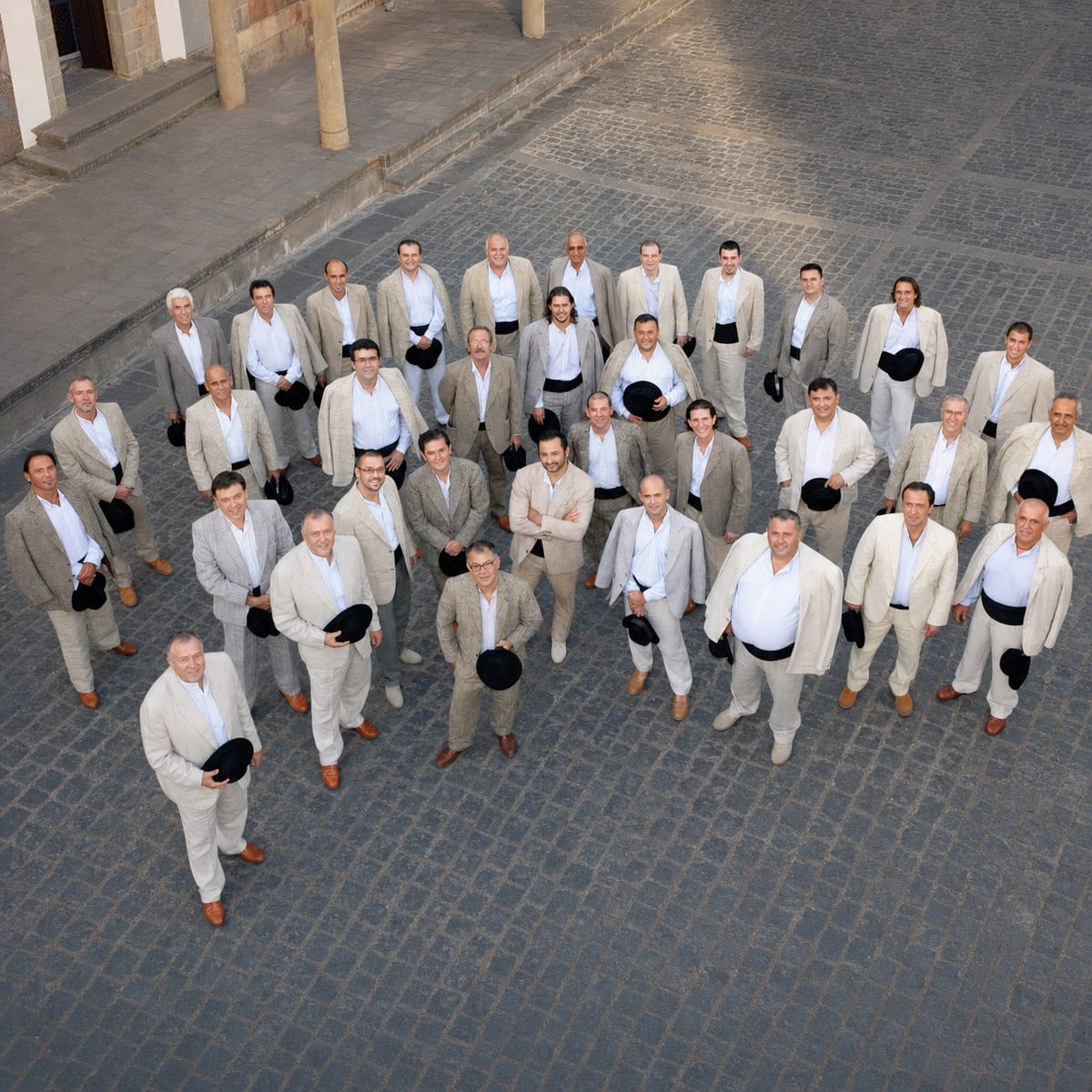
Founded in 1973, the Tetir Folk Ensemble combines the recovery of Fuerteventura folklore with research into traditional clothing, community celebrations and educational outreach.

Works and repertoire

  • Folclore majorero
  • Rancho de Pascuas de Tetir
  • Festival de Solistas de Tetir

Group history

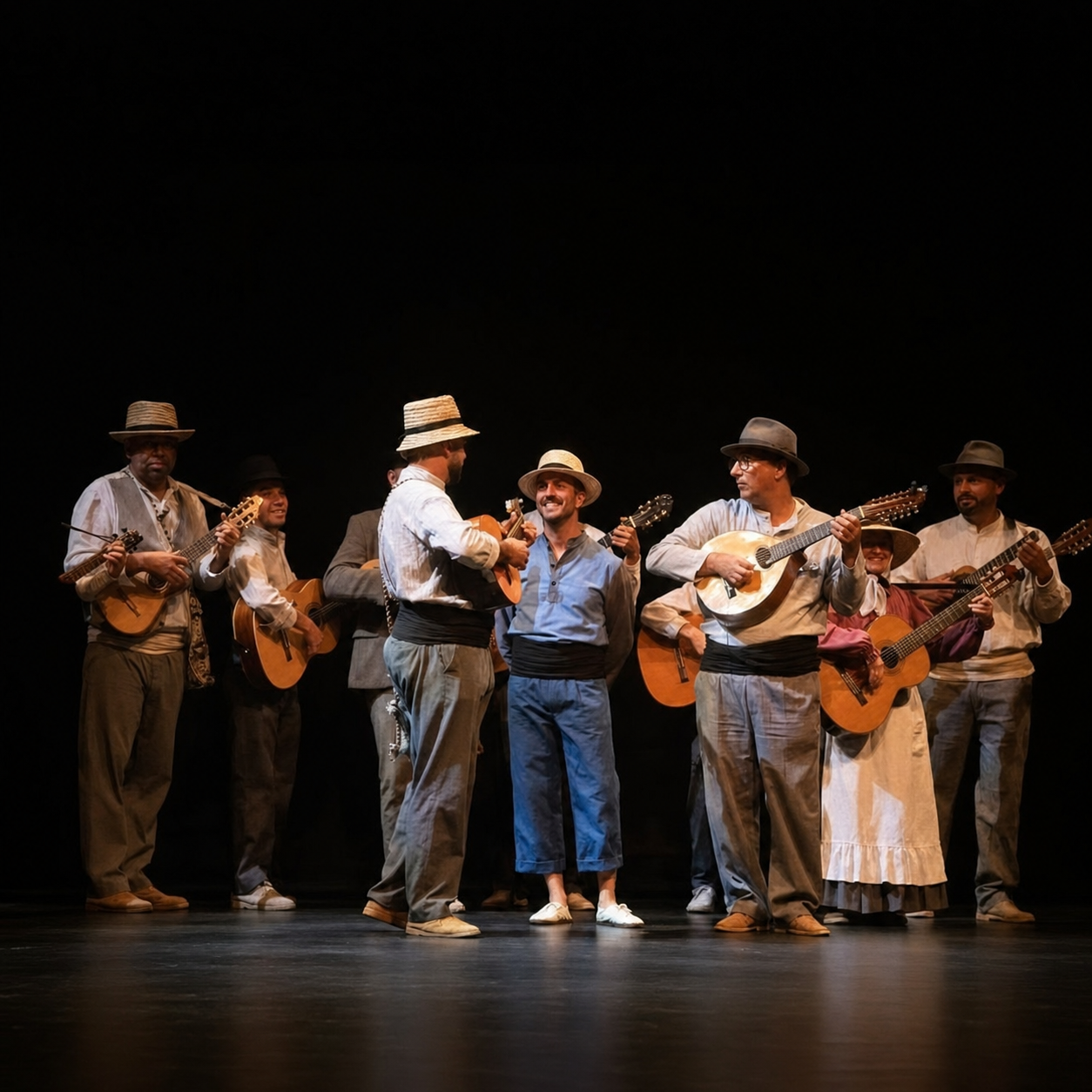
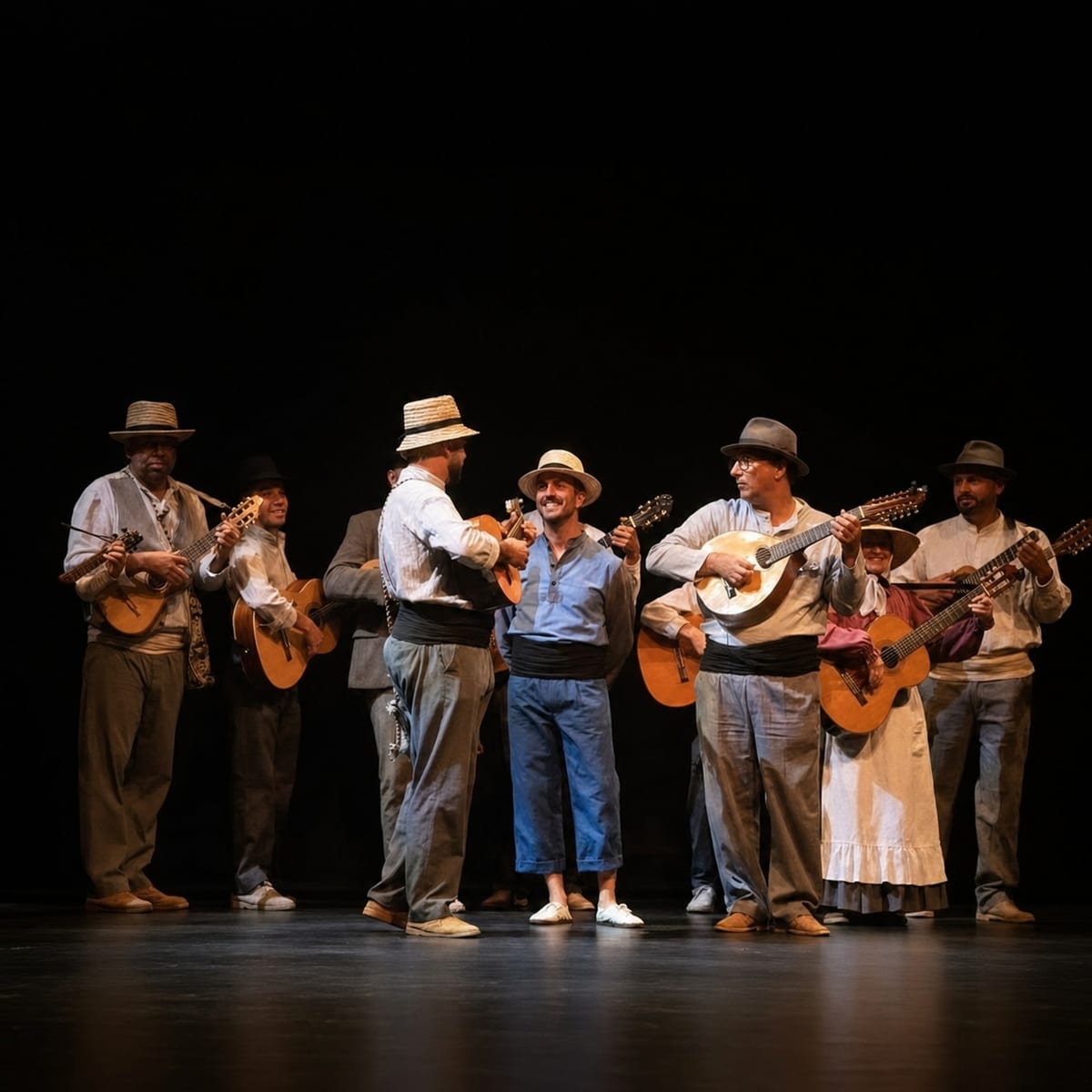
The ensemble grew from a parranda that performed at festivals across Fuerteventura. On 4 August 1973, during the Santo Domingo de Guzmán festivities, it formally began performing with a dance section under the encouragement of teacher Luis Vila. In the 1980s and 1990s, Domingo Rodríguez el Colorao and dance director Pedro José steered its work towards a rigorous recovery of Fuerteventura’s roots.
Why it matters

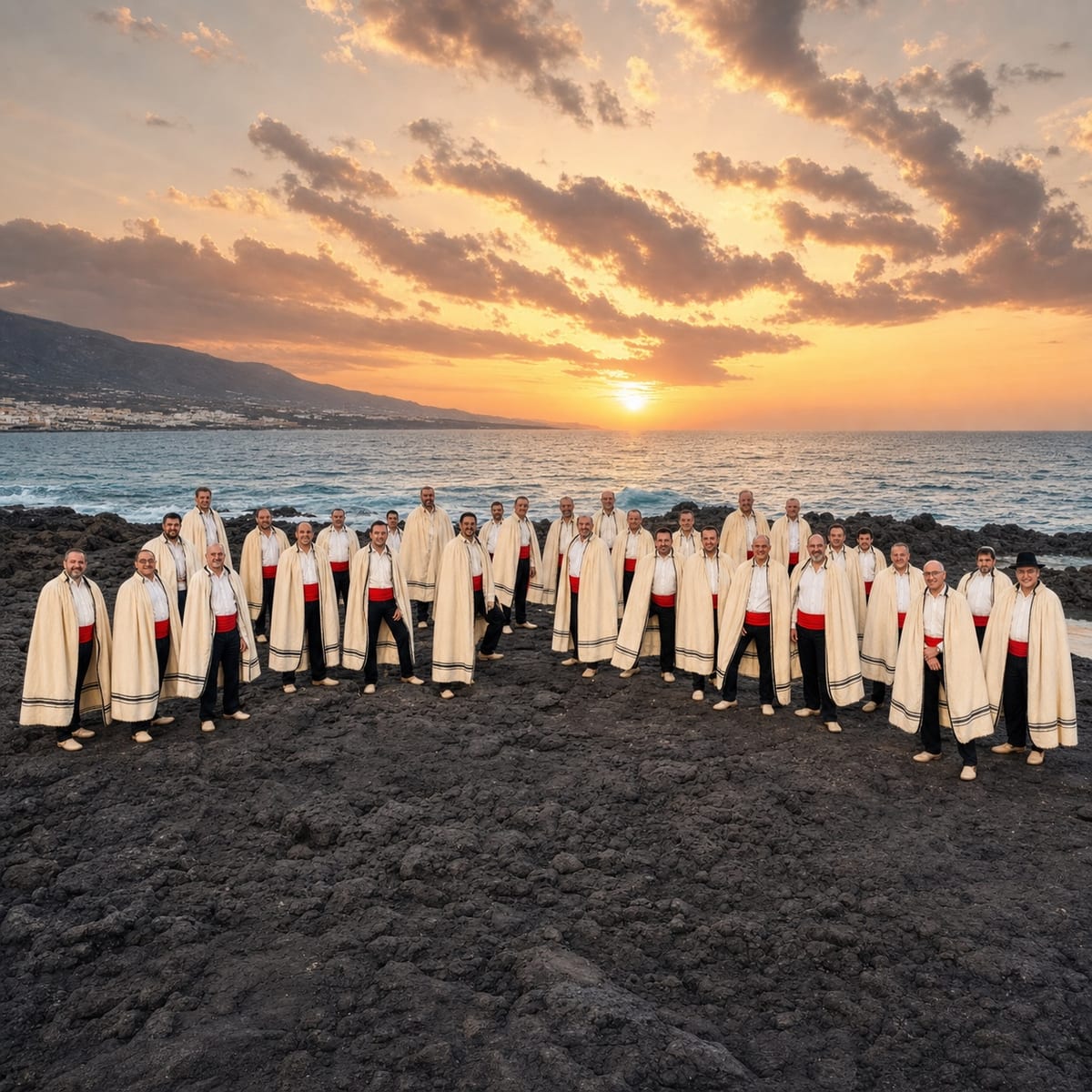
Tetir has turned folklore into a practice that connects the village. The ensemble researched oral testimony, photographs and parish archives to recover repertories and clothing from the eighteenth to the twentieth centuries. Several family generations have performed together, taking Fuerteventura folklore across the islands, mainland Spain and Slovakia.

Style and repertoire

Its approach presents Fuerteventura playing and dancing without choral devices or choreography foreign to the researched tradition. Repertory and performance draw on documented instruments, pieces and dance forms, while everyday rural clothing appears alongside eighteenth-century reconstructions for specific occasions.

Transmission and legacy

Transmission takes place through the Tetir Soloists Festival, the San Andrés pilgrimage, the Christmas Ranch and workshops in Fuerteventura schools. These activities teach instruments, pieces, dances, clothing and practices such as playing limpets, maintaining a direct relationship between ensemble, school and community.

Key milestones

  1. Fundación oficial

    The parranda adds a dance section and becomes a formal ensemble.

  2. Fuerteventura revival

    Research into repertory and clothing reshapes the group’s identity.

  3. Soloists Festival

    The gathering brings together representative voices from every island.

  4. Fifty years

    The ensemble reviews half a century of music, dance and community work.

Sources and links