Tejeguate
Download original image
Island
El Hierro
Career
Founded in 1976

In brief

Founded in 1976 in La Frontera after the death of singer Valentina la de Sabinosa, Tejeguate is the second-longest continuously active folk ensemble on El Hierro. Half a century on, it still recovers the island’s traditional songs, dances and instruments and passes them to new generations through its Tejeguatito school.

Related figures

  • Ramón Padrón
  • Valentina la de Sabinosa

Works and repertoire

  • Herreño meda chant
  • Tango herreño

Group history

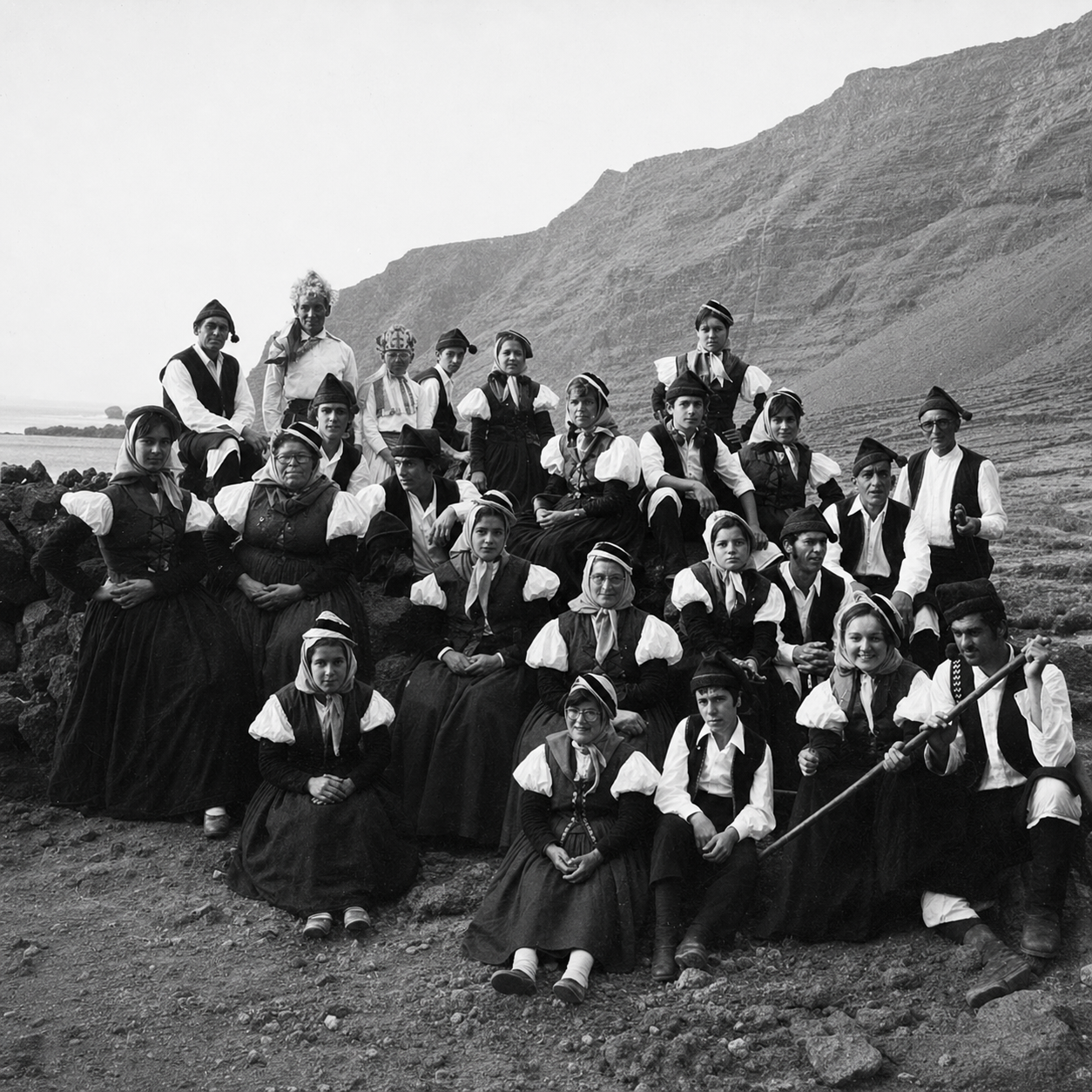
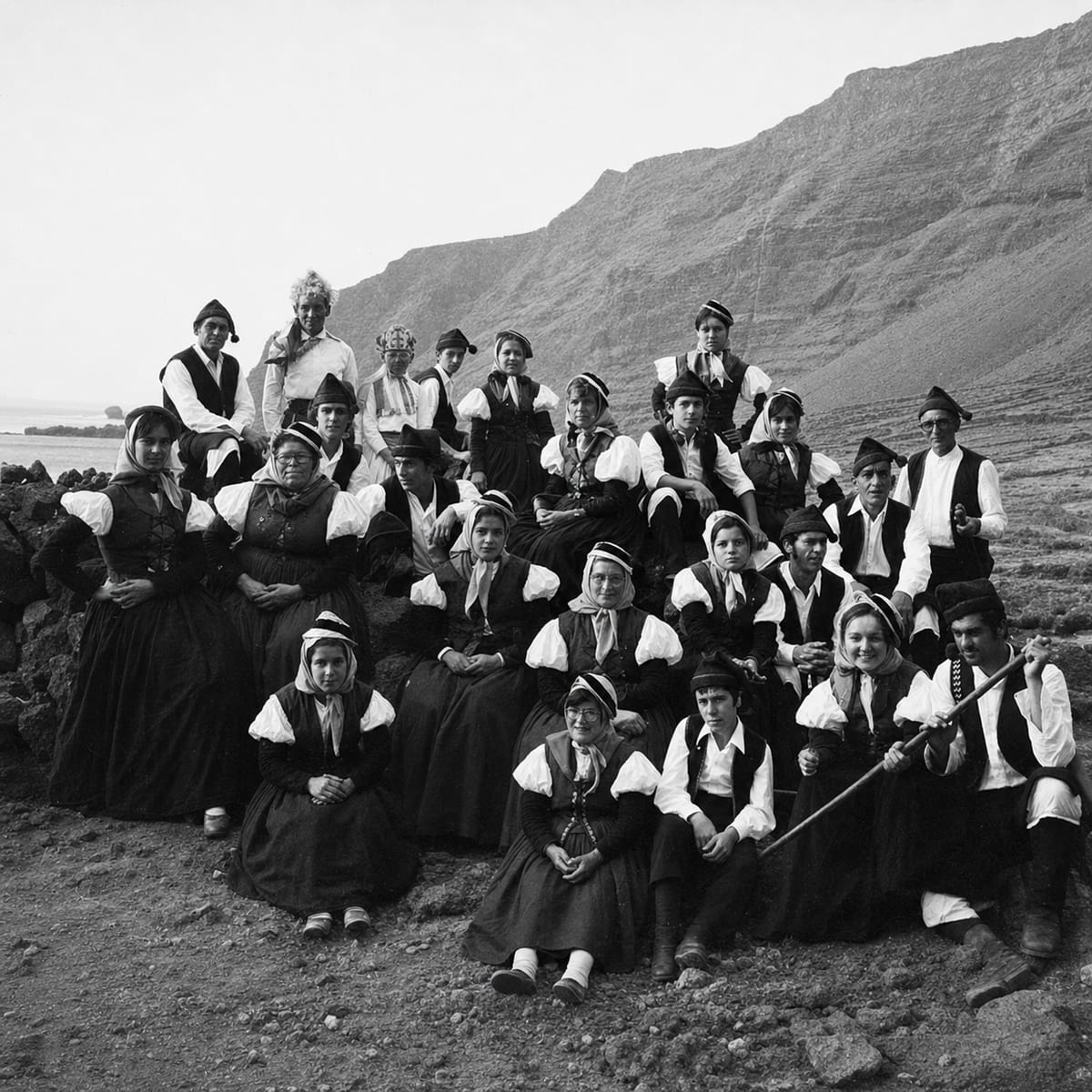
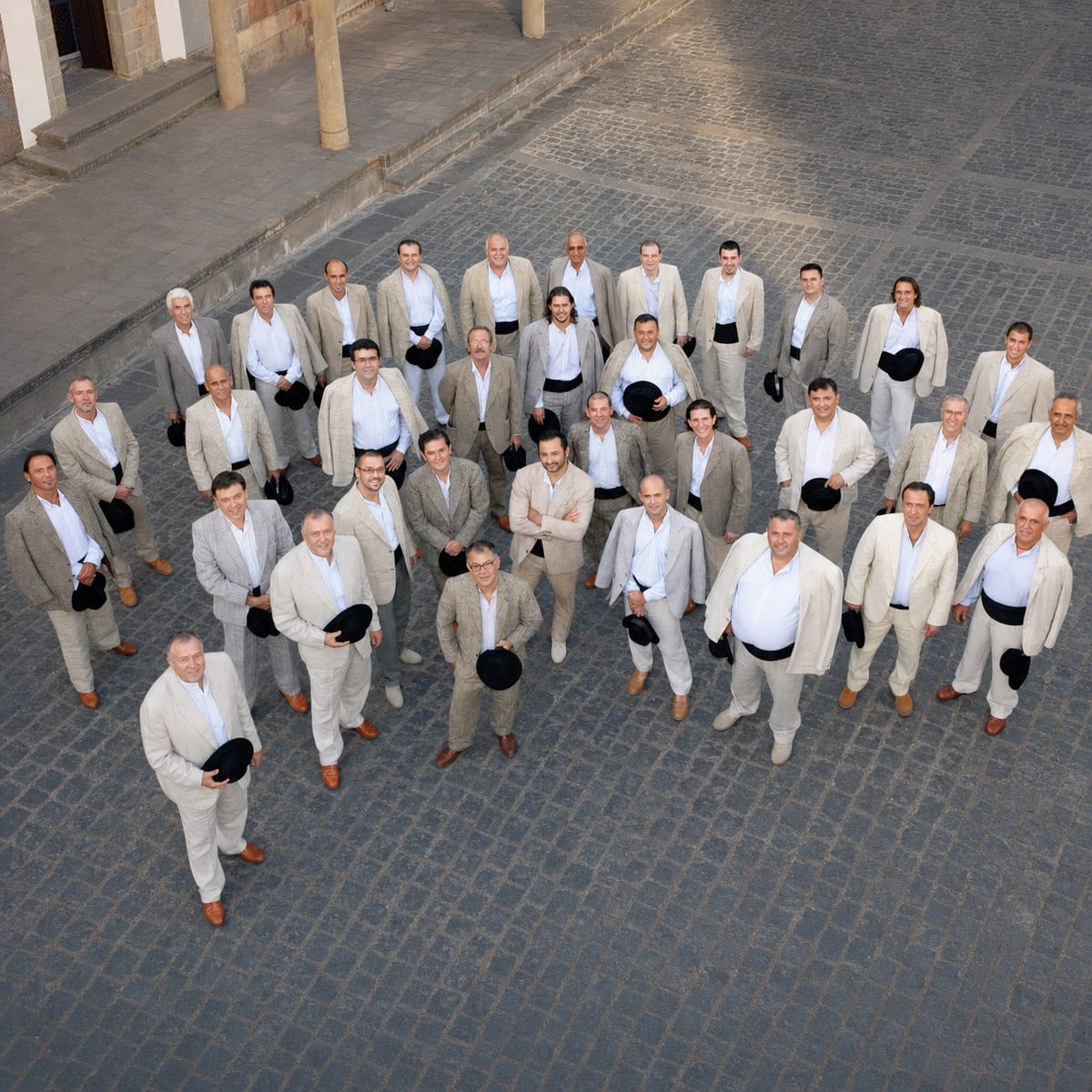
The Agrupación Folclórica Tejeguate was founded in 1976 in La Frontera, El Hierro, when residents of the Valle de El Golfo, led by Ramón Padrón, set out to keep the island’s traditional songs, dances and instruments from disappearing after the death of singer Valentina la de Sabinosa. The group’s name comes from Tejeguate, a since-vanished hamlet in the lower part of Tigaday and Merese, in the Valle de El Golfo. From its earliest days it gathered material directly from the island’s elders, and in 1977 it revived El Golfo’s participation — the so-called “raya de El Golfo” — in the Bajada de la Virgen de los Reyes procession. The group has also been central to preserving the Carneros de Tigaday, declared a Canarian Cultural Heritage Asset in 2018.
Why it matters

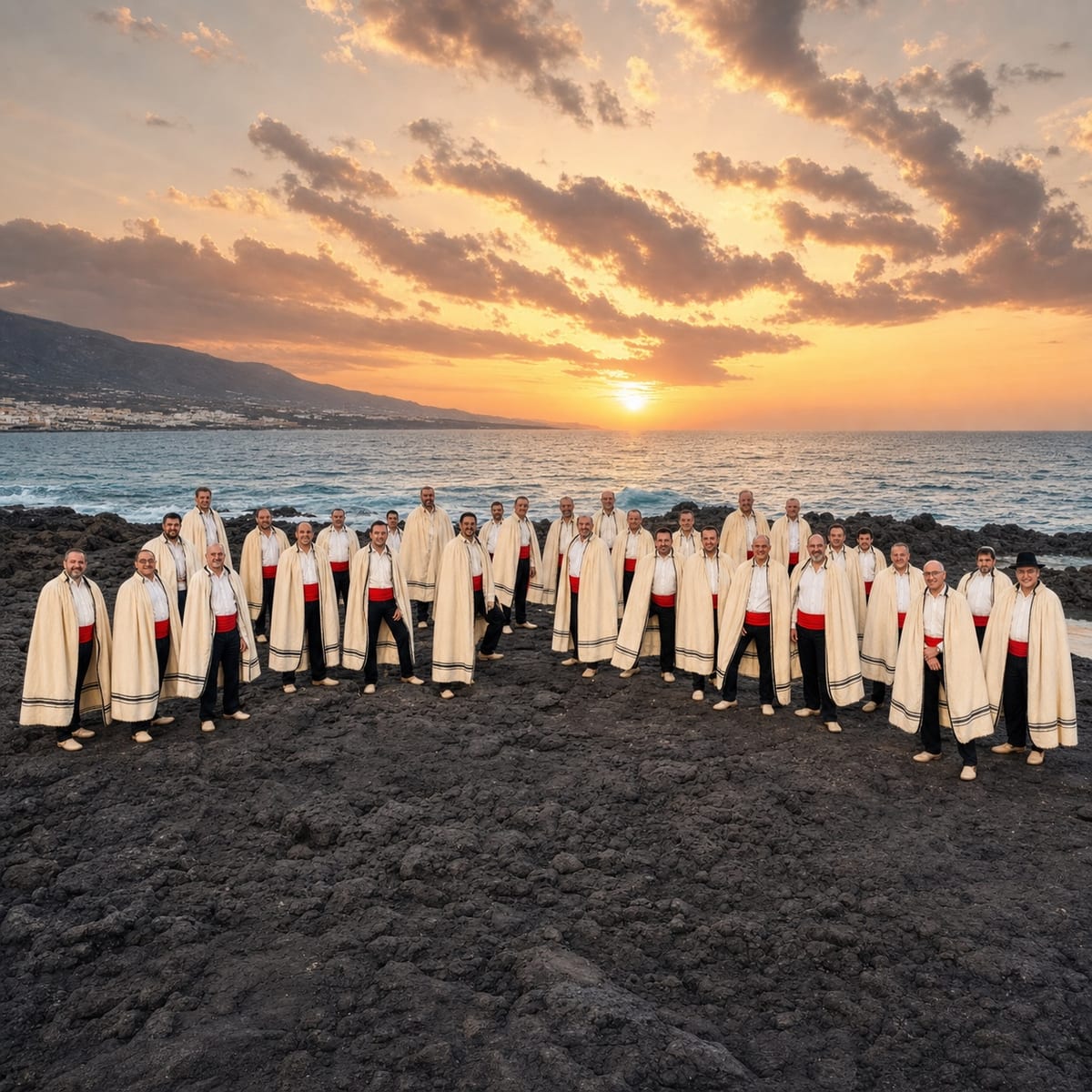
Tejeguate is regarded as the second-longest continuously active folk ensemble on El Hierro, behind only the Sabinosa folk group. Half a century of uninterrupted work has made it a reference point for preserving the musical and ethnographic heritage of the municipality of La Frontera and of the island as a whole. Ethnographer Ricardo Fajardo Hernández devoted the book “Tejeguate, 20 años al son del tambor” (Cabildo Insular de El Hierro, 1997) to the group, documenting its first two decades of activity.

Style and repertoire

Tejeguate’s repertoire preserves El Hierro’s traditional dances: medas, vivos, tangos herreños, berlinas, santos and mazurkas, alongside folías, isas and seguidillas from the wider Canarian tradition. Its characteristic instruments are the drum and the Herreño whistle (pito herreño), accompanied by chácaras and guitars, with traditional dress featuring tall hats and brightly coloured sashes. The meda, a romance-style chant sung to drumbeat, holds a central place in its repertoire.

Transmission and legacy

Generational transmission has been one of Tejeguate’s pillars since 2010, when it launched Tejeguatito, a meeting space and activity programme for the island’s children that was formally constituted as a folklore school in 2013. Based in Tigaday (La Frontera), Tejeguatito teaches new generations the group’s traditional songs, dances and instruments, alongside values of respect, equality and collaboration, ensuring the continuity of the group’s legacy.

Key milestones

  1. Tejeguate is founded

    Residents of the Valle de El Golfo, led by Ramón Padrón, found the ensemble in La Frontera after the death of singer Valentina la de Sabinosa, to prevent the loss of the island’s traditional songs and dances.

  2. Revival of the raya de El Golfo

    The group revives El Golfo’s participation, known as the “raya de El Golfo”, in the Bajada de la Virgen de los Reyes procession.

  3. Ricardo Fajardo’s book is published

    The Cabildo Insular de El Hierro publishes “Tejeguate, 20 años al son del tambor” by ethnographer Ricardo Fajardo Hernández, covering the group’s first two decades.

  4. The Tejeguatito school is created

    In 2010 the group launches Tejeguatito, a learning space for the island’s children, which is formally constituted as a folklore school in 2013.

  5. Pregón at the Tegueste festivities

    Tejeguate delivers the opening address for the 50th anniversary of the Romería in honour of San Evangelista in Tegueste (Tenerife), at the Teatro Príncipe Felipe.

  6. 50th anniversary and La Frontera Gold Medal

    On 18 April 2026 the Ayuntamiento de La Frontera presents Tejeguate with the municipality’s Gold Medal at an official ceremony at the Espacio Cultural El Cine, marking its 50th anniversary.

Sources and links