Los Granjeros
Download original image
Island
Gran Canaria
Career
Founded in 1970

In brief

Founded in Montaña de Cardones, Arucas, around 1969–1970, Los Granjeros made original songwriting and social criticism two of the most recognisable features of Canarian popular music.

Related figures

  • Antonio Padrón
  • Manolo Morales
  • Sindo Saavedra
  • Antonio González “Antoñín”
  • Pedro García
  • Manolo Padrón

Works and repertoire

  • Voces del pueblo canario
  • Pena vieja
  • Si pudiera nacer
  • Opresión
  • Canto al Guinigüada
  • A Veneguera
  • Cruzar el mar
  • 25 años de canción popular

Group history

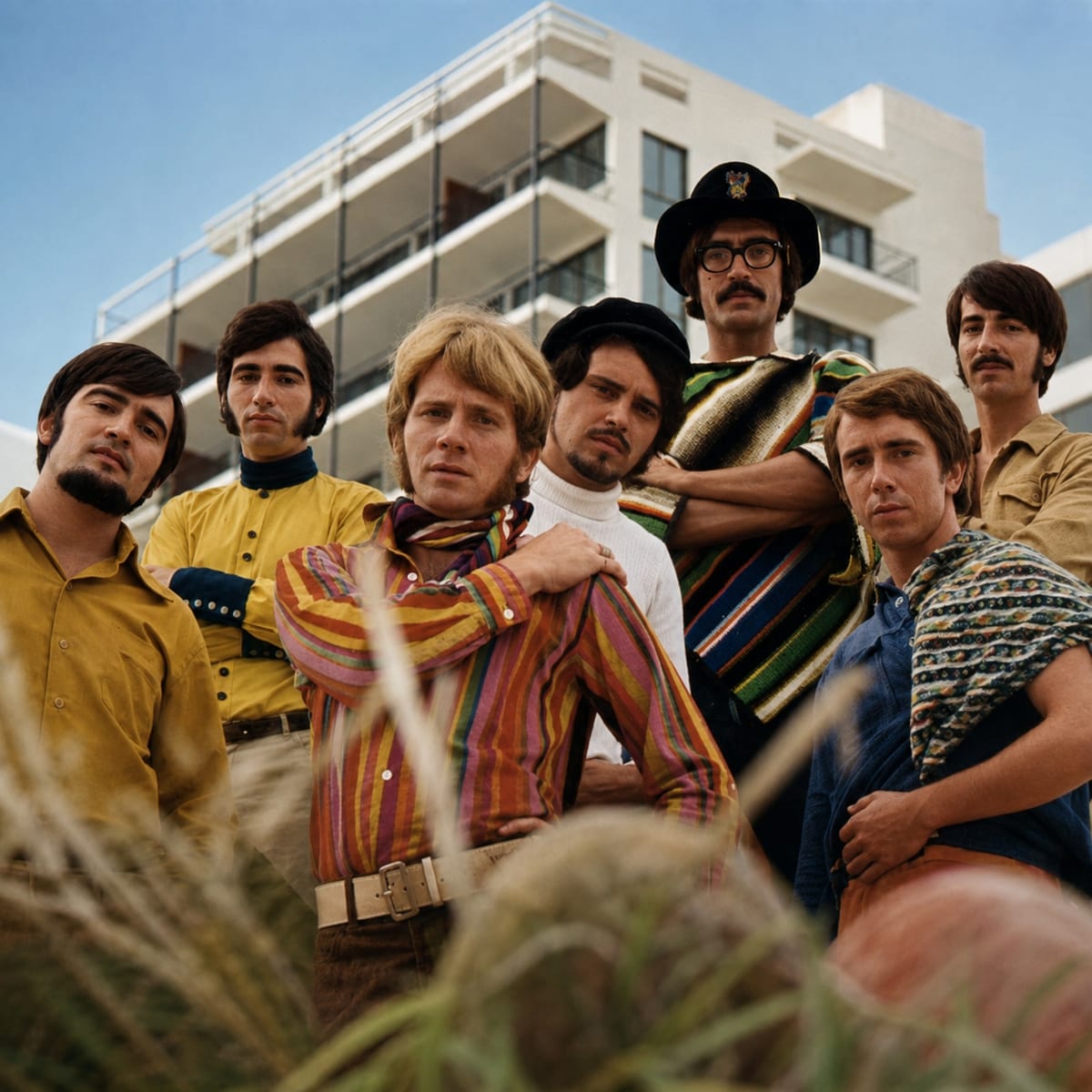
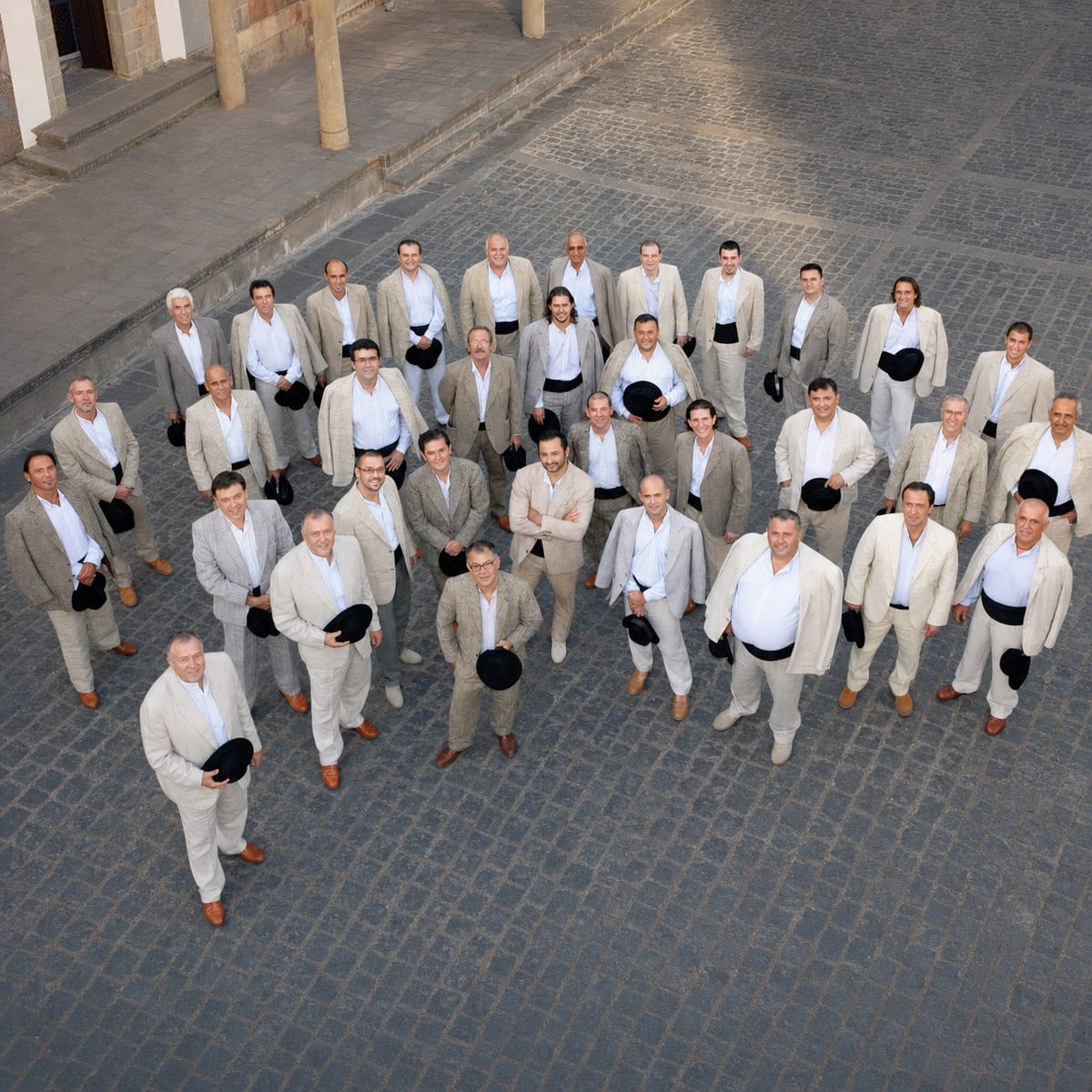
Los Granjeros was formed in Montaña de Cardones, in the municipality of Arucas, from a cultural movement that emerged around 1969–1970 through the Club La Amistad and local musicians. Antonio Padrón became its first director and Manolo Morales took over after Padrón’s death. The arrival of composer Sindo Saavedra in 1973 opened a decisive period in which the group consolidated a folk-rooted popular song style with a strong social focus.
Why it matters

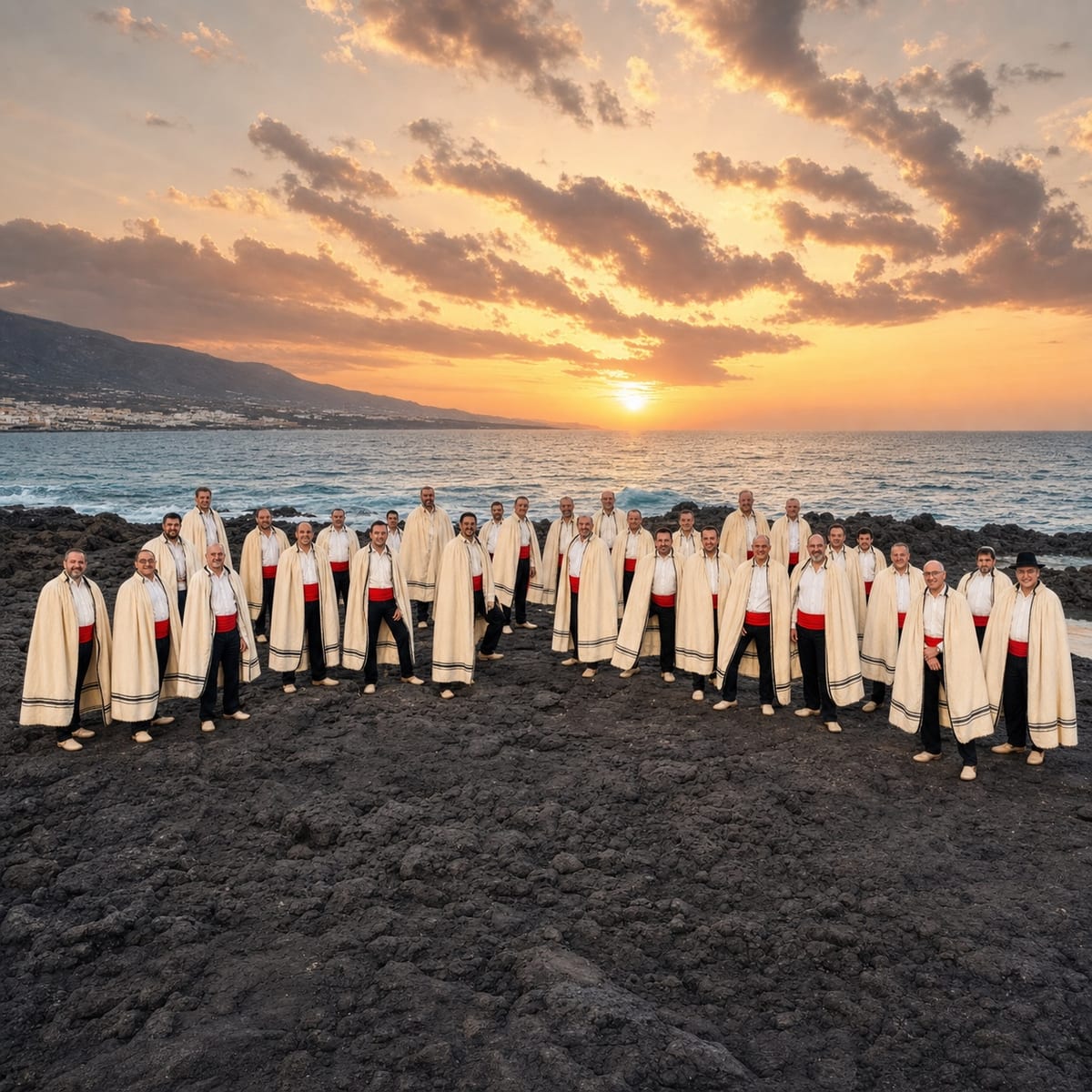
The group brought inequality, emigration, defence of the land, memory and everyday Canarian experience into popular song. Its first two albums established a critical voice that continued in later recordings through new writers and concerns, including the protection of pre-Hispanic heritage and the environment. Its official website describes this identity as a commitment to original creation and social criticism.

Style and repertoire

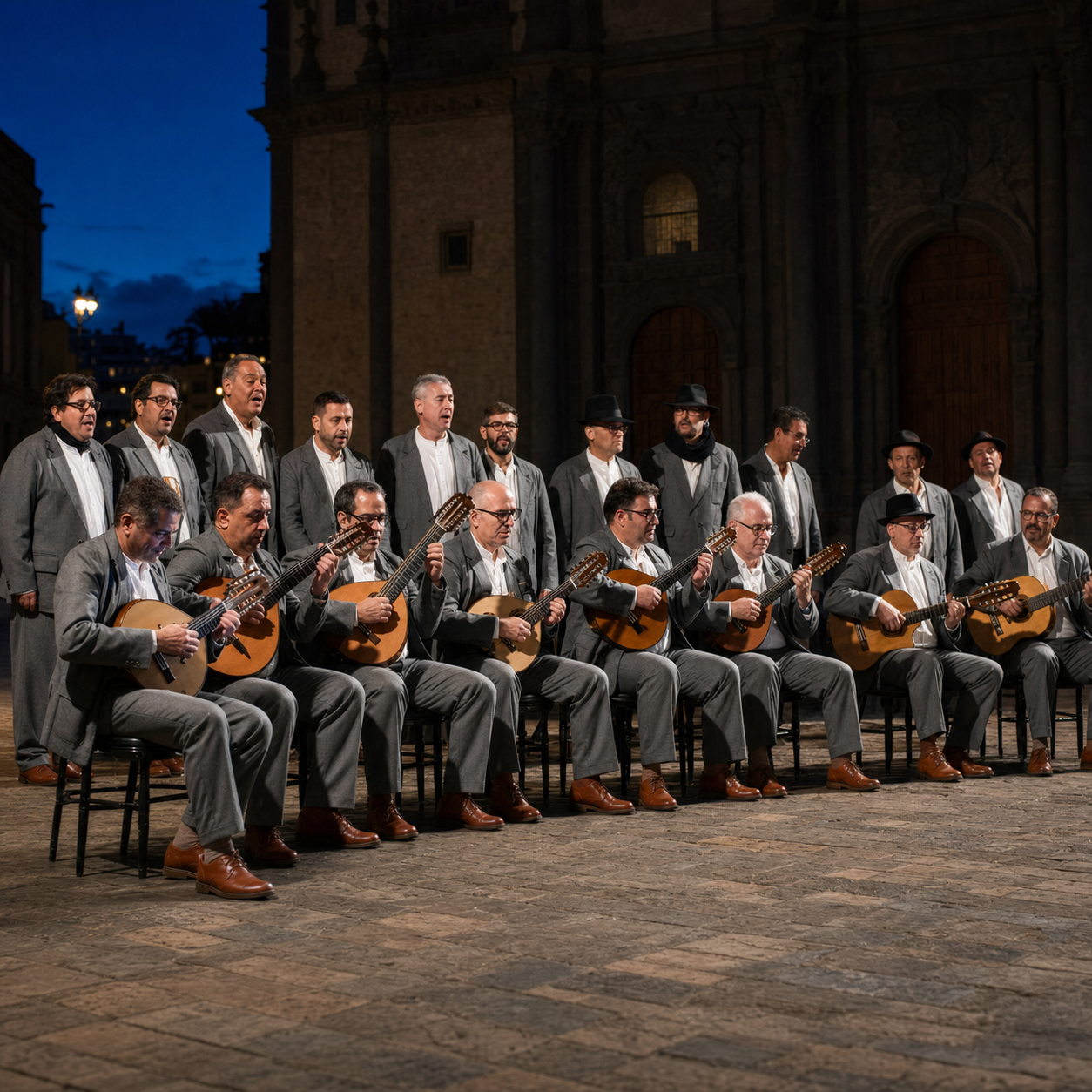
Los Granjeros links traditional Canarian genres with folk-rooted songwriting and, during specific periods, Latin American repertories. Voices, strings and percussion support original compositions in which words and music carry strong narrative weight. Sindo Saavedra shaped the first recording period; later, writers connected with the group, including Pedro García and Manolo Padrón, broadened its themes and musical language.

Transmission and legacy

More than five decades of concerts, festivals, television appearances and recordings have kept its songbook active across generations. The National Library of Spain documents works from 1976 onwards, while the group reports eight released albums. Its fiftieth-anniversary programme culminated in 2021 with a shared concert featuring Los Sabandeños and Los Gofiones at the Alfredo Kraus Auditorium, conceived as a meeting of three historic ensembles.

Key milestones

  1. Origins in Montaña de Cardones

    The neighbourhood cultural movement becomes a popular music group.

  2. First socially engaged albums

    It releases Voces del pueblo canario and Los Granjeros de Montaña Cardones.

  3. New writers and repertories

    Canto al Guinigüada, A Veneguera and Cruzar el mar broaden the group’s themes.

  4. 25 años de canción popular

    The compilation marks its first quarter-century and brings together key pieces from its repertory.

  5. Fiftieth-anniversary finale

    It shares the 150 años de canariedad concert with Los Sabandeños and Los Gofiones.

Sources and links