Los Campesinos
Download original image
Island
Lanzarote
Career
More than 60 years according to institutional source

In brief

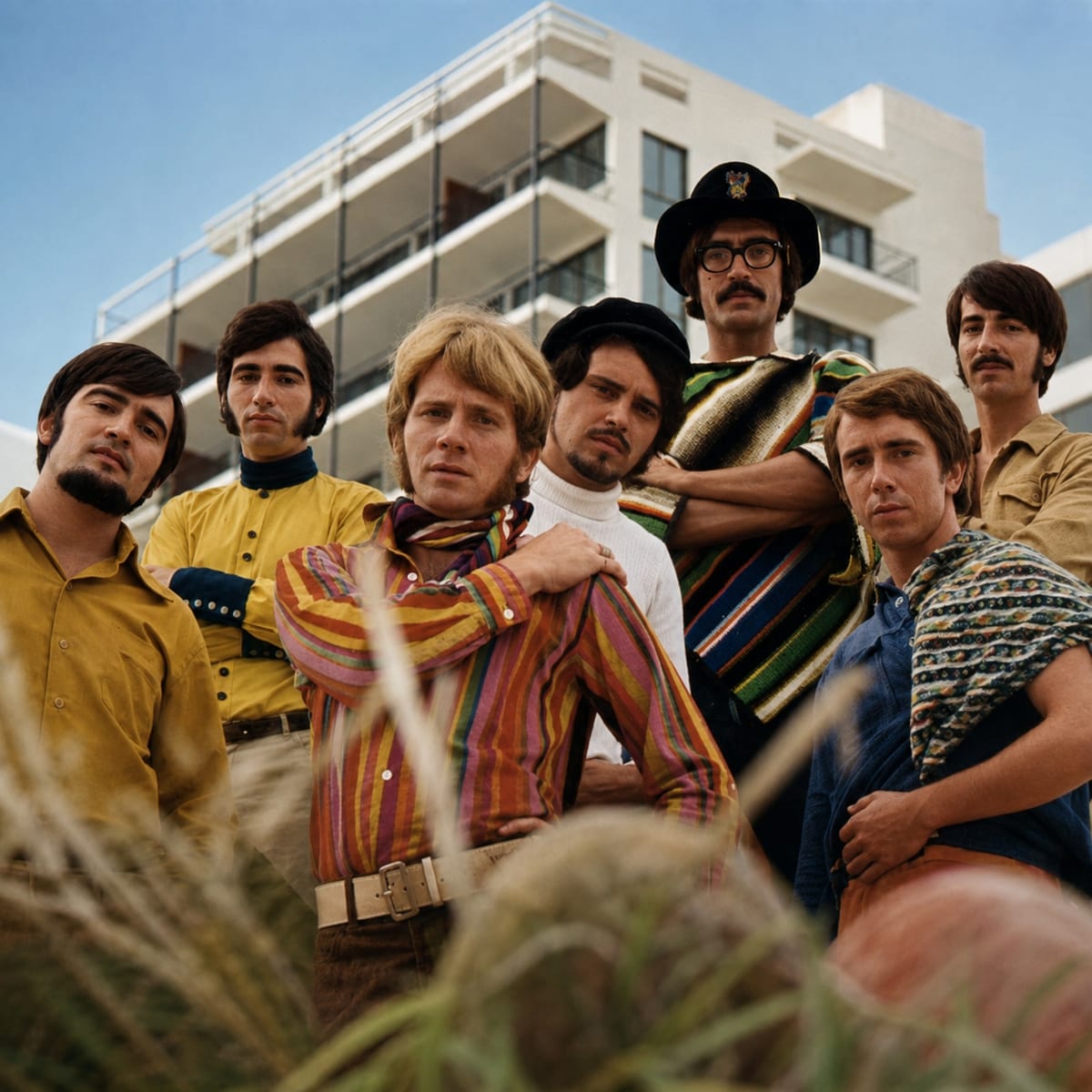
Founded in 1964, Los Campesinos have turned Lanzarote’s rural music, dance and clothing into a living heritage that brings together research, performance and transmission between generations.

Works and repertoire

  • Zaranda
  • Isa del Uno
  • Sorondongo
  • Malagueñas

Group history

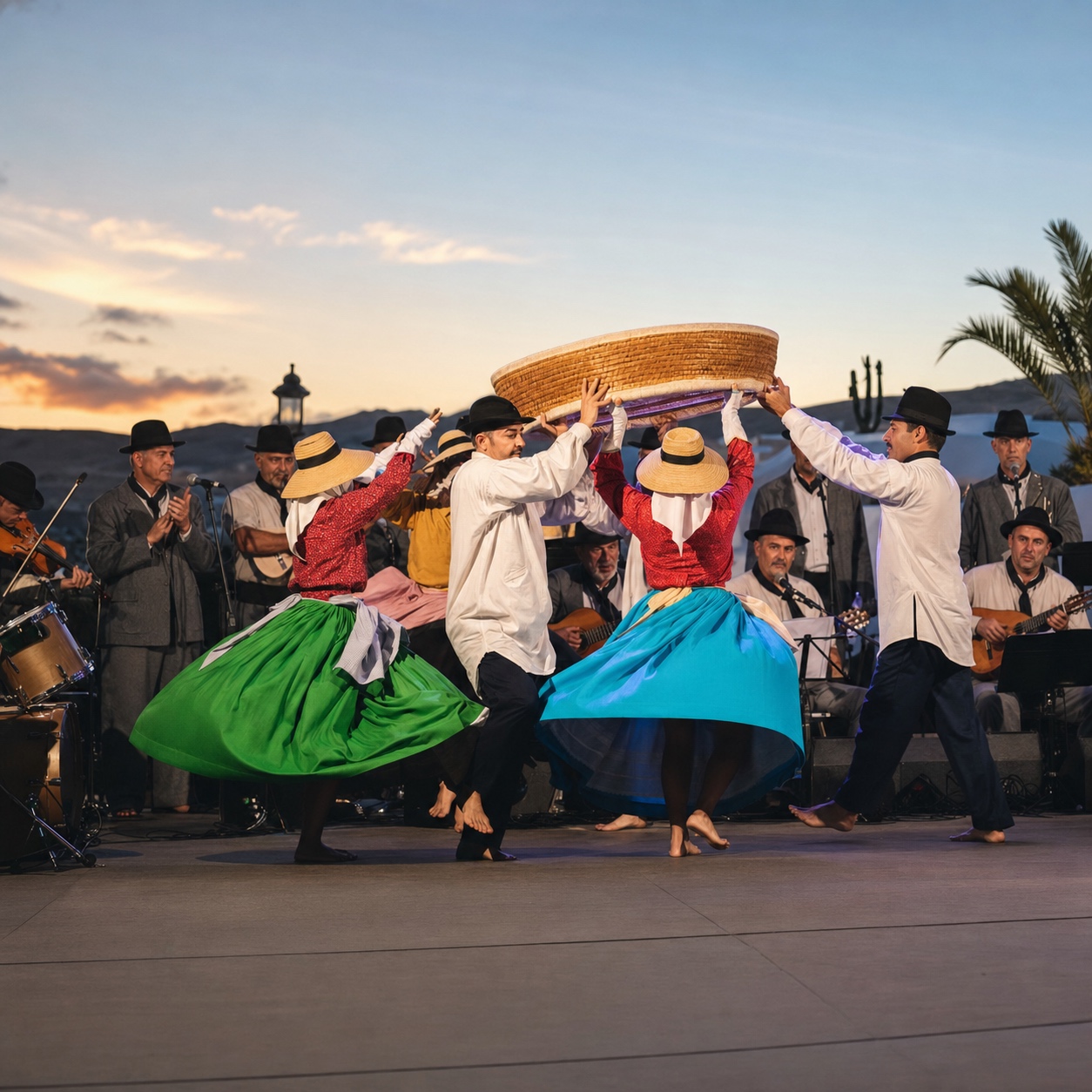
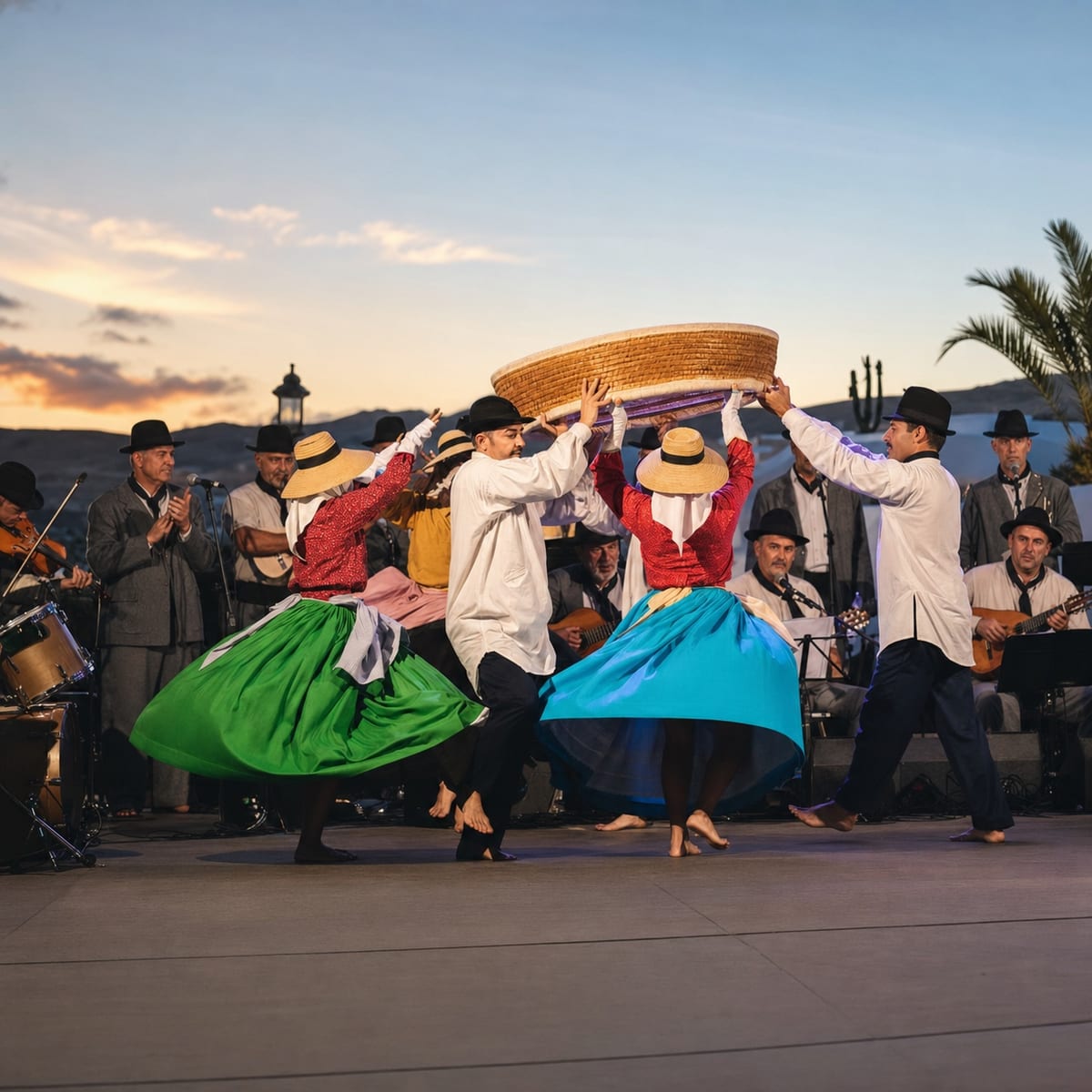
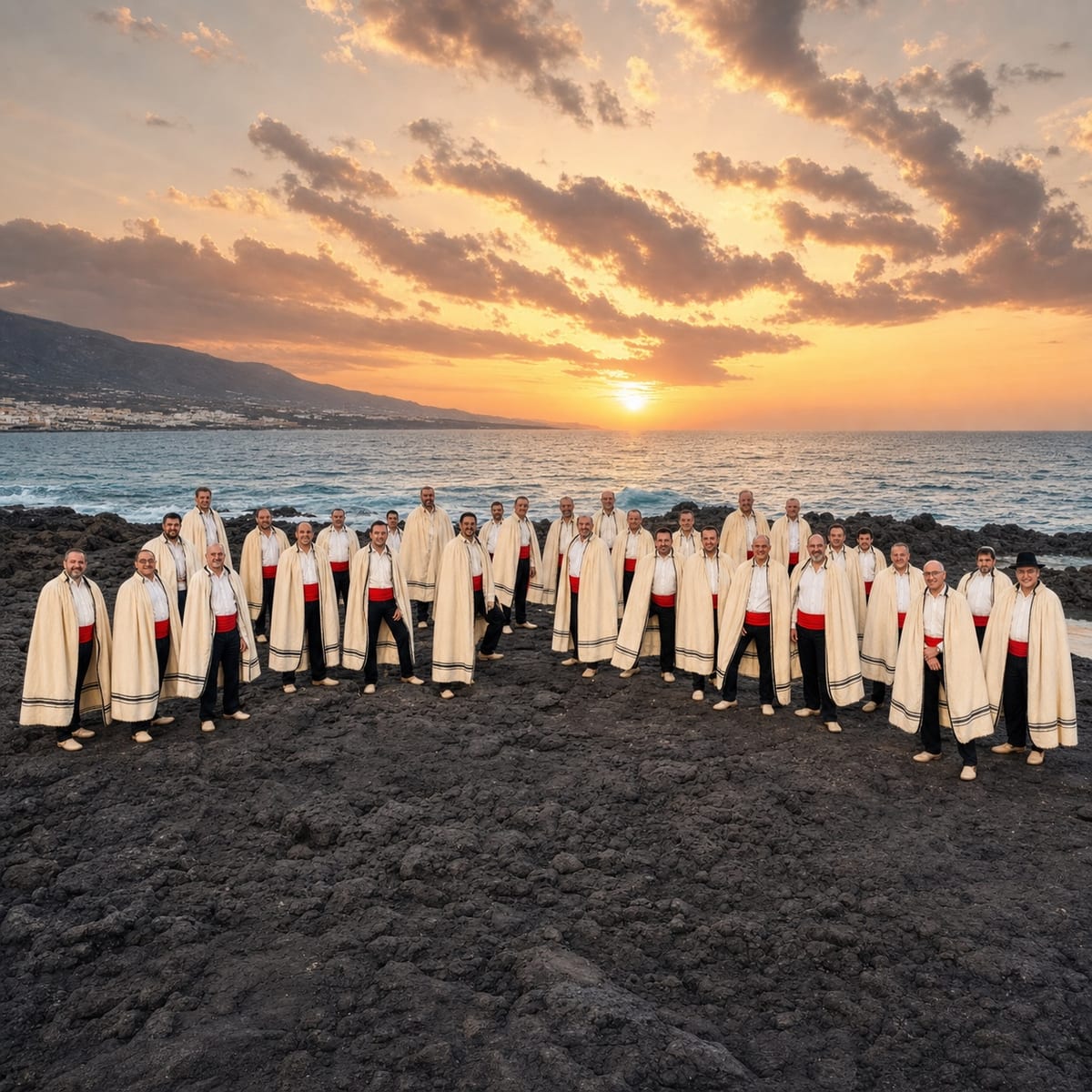
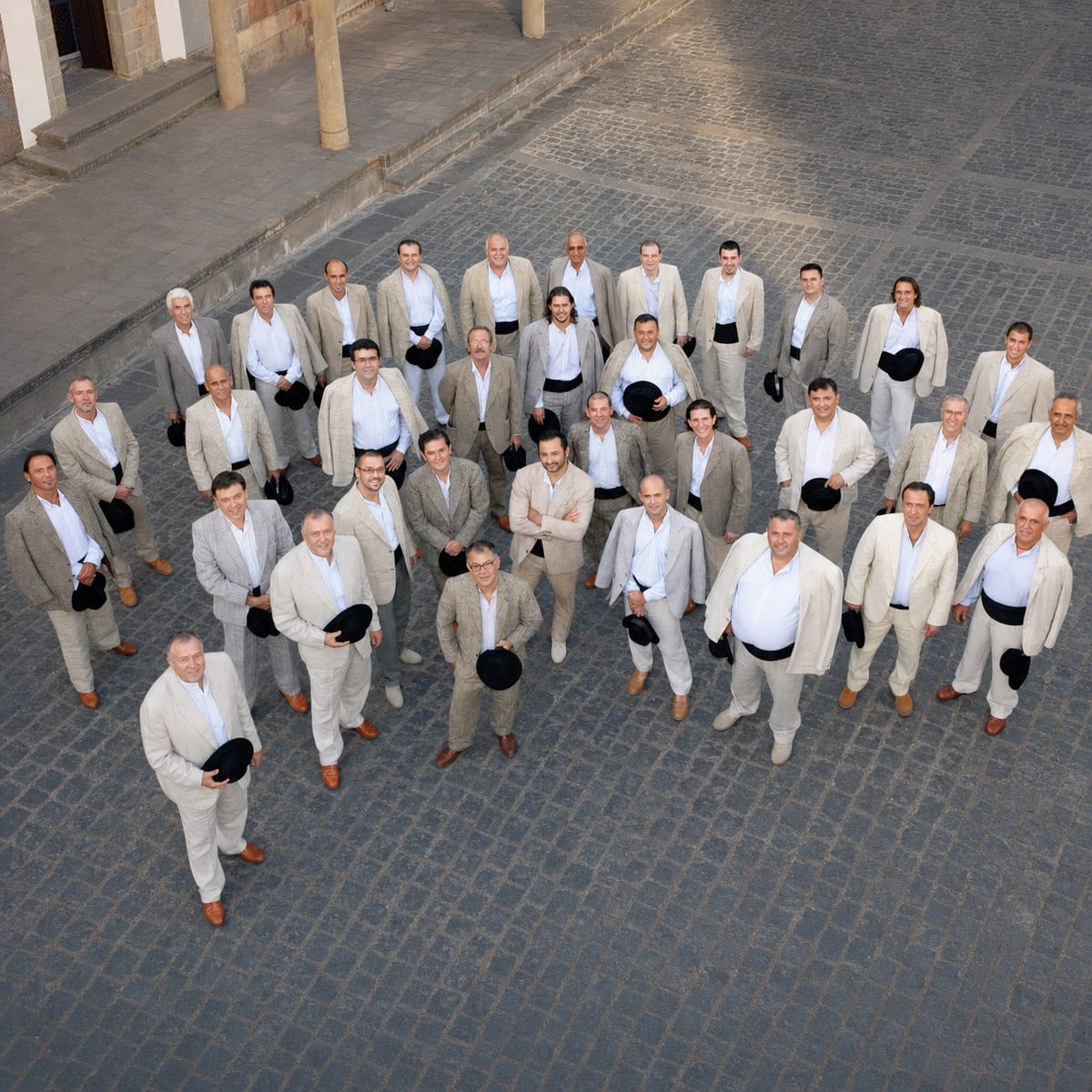
Los Campesinos was founded in Lanzarote in 1964 with an aim that went beyond performing folklore: to preserve the island’s traditions, research them and create from that knowledge. Its work drew on everyday rural life in Lanzarote. The music evokes work tools and farming and pastoral settings; the dances incorporate agricultural implements and movements connected with labour; and the clothing recreates the practical garments worn by rural men and women during the twentieth century in response to the island’s sun and wind.
Why it matters

Their importance lies in treating popular culture as a living practice rather than a museum piece. The 2003 decree awarding them the Canary Islands Gold Medal highlighted decades of research and dissemination of Lanzarote’s popular music, the recovery of airs that were close to disappearing, and the quality with which they represented the Canary Islands abroad. The coexistence of veteran and younger members has enabled techniques, repertories and experience to pass between generations.

Style and repertoire

The repertory is distinguished by an interpretation closely tied to Lanzarote’s ways of singing and dancing. Zaranda is an emblematic piece; Isa del Uno retains Juan Quintero’s stylistic imprint; Sorondongo is associated with the voice of Perico Luzardo; and the malagueñas reflect the individual style of successive soloists. On stage, singing, playing and dance form a visual and musical whole: dancers perform barefoot, clothing avoids ornamental luxury, and agricultural implements turn rural labour into choreographic language.

Transmission and legacy

Los Campesinos has extended its work beyond concerts and recordings. The Festival Campesino, created in 1990, established a continuing meeting place for ensembles and discussion of popular culture; the Saranda de Oro, created in 1992, recognises people and institutions that defend Canarian heritage. More recently, the Memorias de la Tierra project has added workshops in dance, music and traditional clothing, bringing performers, craftspeople and new audiences together.

Key milestones

  1. Founded in Lanzarote

    A project begins to research, preserve and represent the island’s rural culture.

  2. First album

    They record Los Campesinos de Lanzarote in Madrid, their first full-length release.

  3. Festival and Saranda de Oro

    They create Festival Campesino as a meeting place and, two years later, an award devoted to defending Canarian popular heritage.

  4. Isla con Viento

    They release their second work and present it at the Jameos del Agua Auditorium before touring it across the archipelago.

  5. Canary Islands Gold Medal

    The Canary Islands Government recognises their research, dissemination and recovery of Lanzarote’s popular music.

  6. Desde Lanzarote

    They mark fifty years with a new work conceived as renewal from within tradition.

Sources and links