Añoranza
Download original image
Island
Tenerife
Career
Founded in 1976

In brief

Formed in Santa Cruz de Tenerife in 1976 by former members of the Real Hespérides de La Laguna, Añoranza set out to renew Canarian folk music at a time of decline, introducing elaborate multi-part vocal arrangements and female choruses uncommon in traditional parrandas.

Related figures

  • María del Carmen Mulet
  • Julio Tejera
  • Fernando García Ramos

Works and repertoire

  • Añoranza
  • Añoranza canta a Fernando García Ramos
  • Añoranza canta a Hispanoamérica
  • Arrorró de las flores
  • Vivan las folías
  • Un minuto de tu amor
  • Siete Rosas

Group history

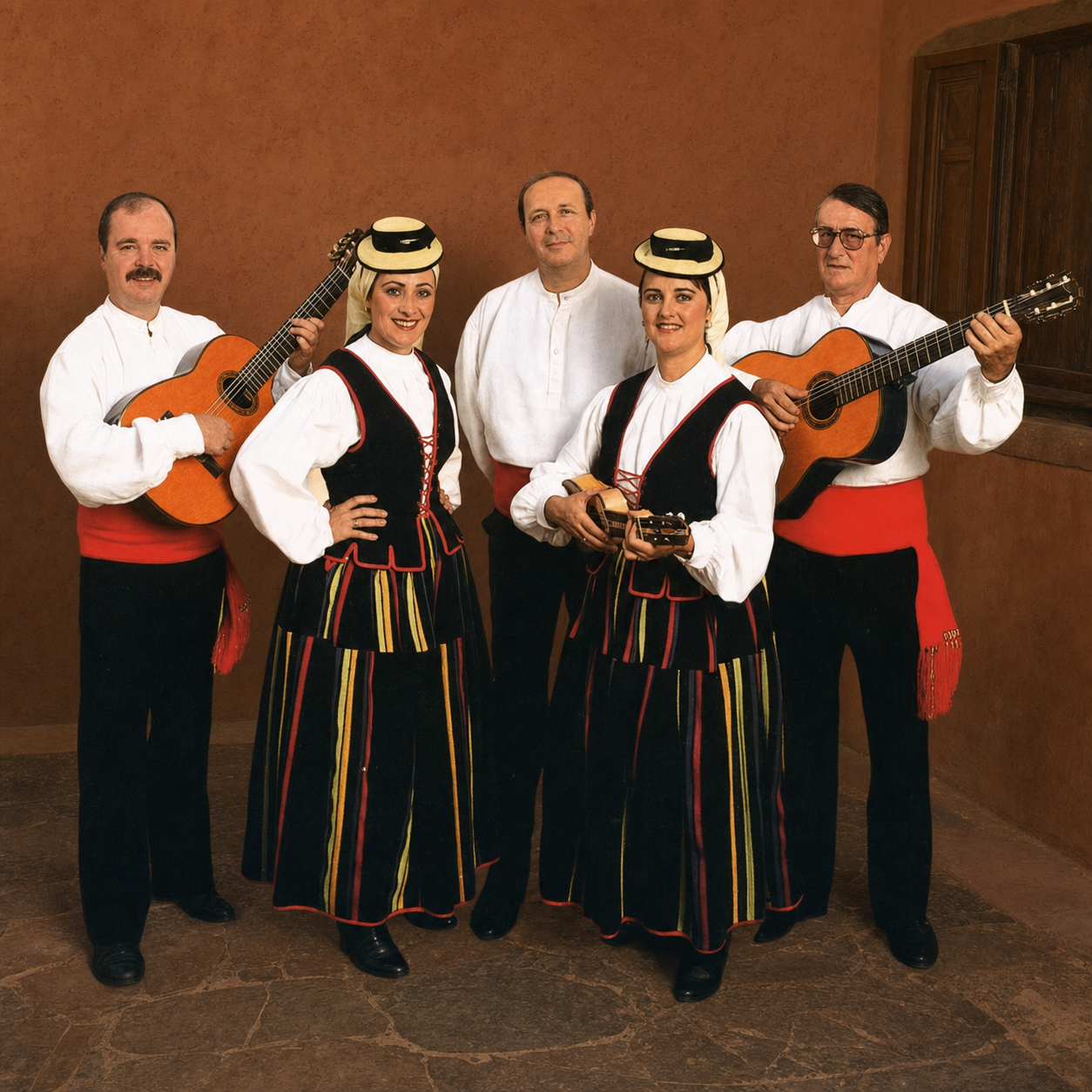
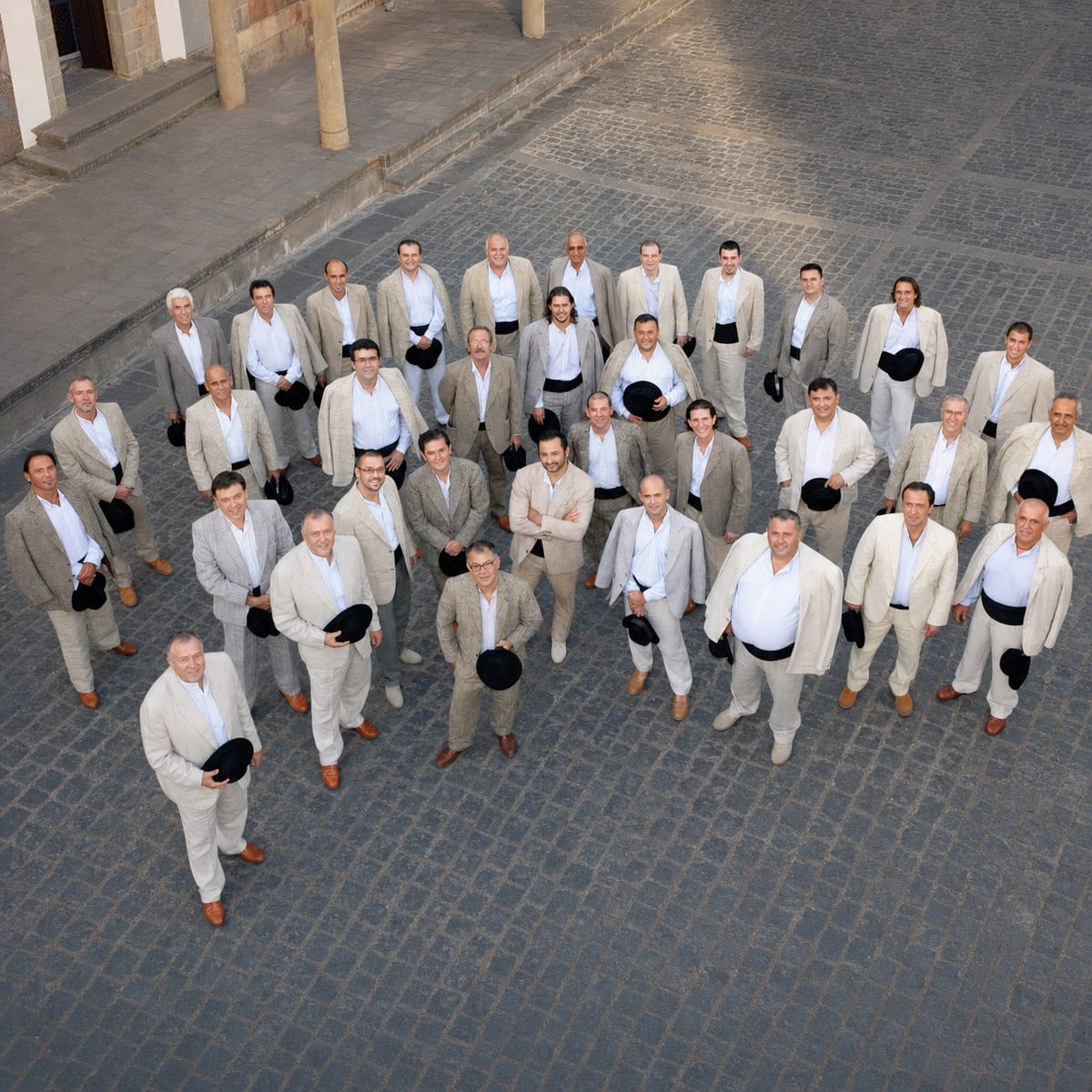
The group Añoranza was formed in 1976 in Santa Cruz de Tenerife by four former members of the Real Hespérides de La Laguna ensemble: Juan Manuel González, Luciano González Reyes, María del Cristo Cruz and María del Carmen Mulet. The name expressed the need to renew Canarian folklore at a time of decline, and that same year the group released its debut record. In 1979 musician Julio Tejera joined as second male voice and arranger, marking a turning point: under his musical direction the group developed a style built on elaborate multi-part vocal arrangements, departing from the pattern of many traditional parrandas where only the choruses were polyphonic. In 1989 Juan Manuel González left to found the group Garoé and was replaced by Alfonso Prendes; in 1997 trained musician and rondalla director Cristóbal García took over musical direction. María del Carmen Mulet, lead vocalist since the founding, remained with the group until 1999, when she began a solo career.
Why it matters

Añoranza is recognised as one of the pioneering groups to introduce new polyphonies and harmonies into Canarian popular music, adding female choruses to coplas at a time when this device was practically absent from traditional parrandas. Its repertoire of more than seventy original compositions — thirty-five of them dedicated specifically to the Canary Islands — helped expand the body of authored song within island folklore.

Style and repertoire

Añoranza’s distinctive mark is the multi-part vocal arrangement developed under Julio Tejera’s direction, which broke with the usual pattern of many Canarian parrandas where only the choruses were polyphonic. The group combined genres native to the archipelago — isas, folías, malagueñas, seguidillas and sirinoques — with Latin American popular music, particularly boleros and Argentine and Venezuelan rhythms, reflecting its founding aim of renewing Canarian folklore.

Transmission and legacy

Añoranza’s legacy has been passed on mainly through its recordings and through the group’s successive musical directors, first Julio Tejera and later Alfonso Prendes and Cristóbal García, the latter a trained musician and rondalla director. Canarian radio and television programmes devoted to folklore have helped keep alive the memory of its career and of figures such as María del Carmen Mulet.

Key milestones

  1. Founding and debut record

    Four former members of the Real Hespérides de La Laguna found Añoranza in Santa Cruz de Tenerife and release their self-titled debut record.

  2. Julio Tejera joins the group

    Musician Julio Tejera joins as second male voice and arranger, giving a decisive turn to the group’s vocal style.

  3. Añoranza canta a Fernando García Ramos

    The group releases a record dedicated to the compositions of poet and lyricist Fernando García Ramos.

  4. “Añoranza canta a Hispanoamérica” and “Arrorró de las flores”

    The group releases “Añoranza canta a Hispanoamérica” (1984) and “Arrorró de las flores” (1985), the latter featuring the well-known title lullaby composed by Fernando García Ramos and Julio Tejera.

  5. Line-up change: Garoé and Alfonso Prendes

    Juan Manuel González leaves the group to found Garoé and is replaced by Alfonso Prendes, the same year “Vivan las folías” is released.

  6. María del Carmen Mulet leaves the group

    Lead vocalist since the group’s founding, María del Carmen Mulet, leaves Añoranza after recording eight albums with the group, to begin a solo career.

Sources and links