Achamán
Download original image
Island
Tenerife
Career
Founded in 1976

In brief

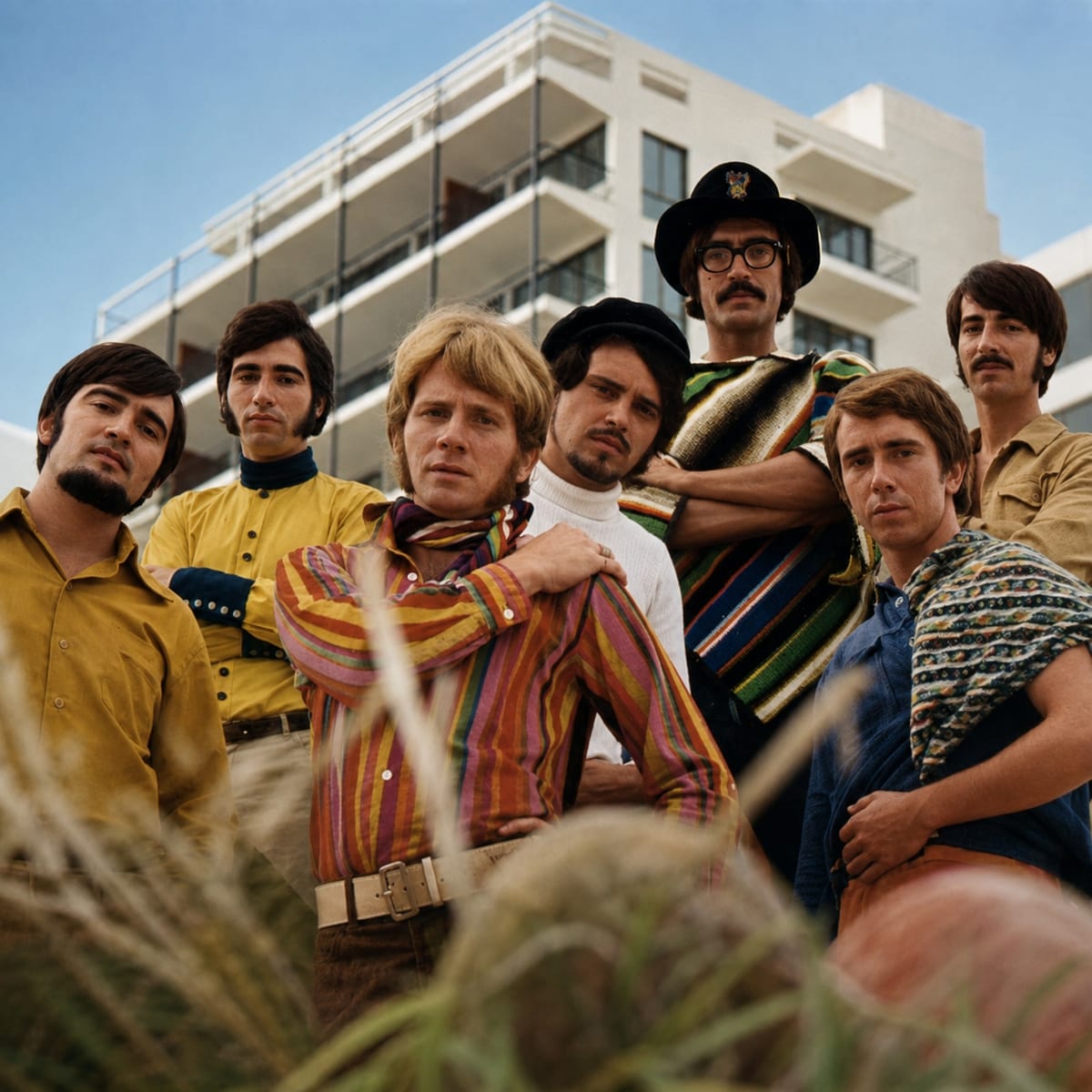
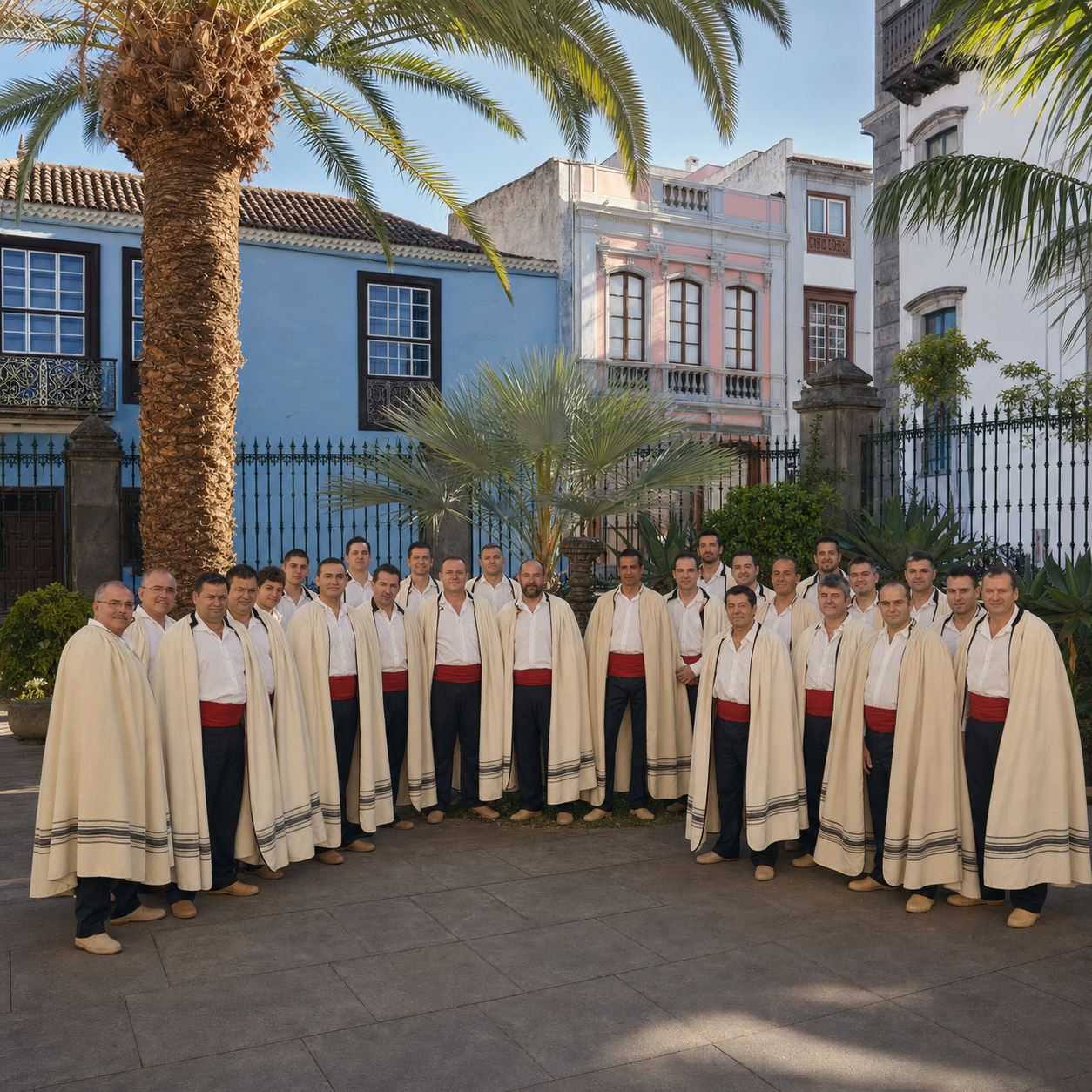
Achamán is a popular-music group formed in 1976 in the Barrio Nuevo district of San Cristóbal de La Laguna (Tenerife), initially mentored by Los Sabandeños, from whom it took the nickname "Jóvenes Sabandeños" (Young Sabandeños). With half a century of activity, it blends Canarian and Ibero-American folklore and was awarded the Gold Medal of La Laguna (2012).

Related figures

  • Héctor González
  • Luis Morera
  • Elfidio Alonso Quintero

Works and repertoire

  • "Achamán" (1981) — the group’s debut album
  • "De Parranda" (1985) — the first live-recorded album in the Canary Islands

Group history

The group was formed in 1976 in the Barrio Nuevo district of La Laguna, when a circle of friends began performing Canarian and Latin American music. Los Sabandeños lent them their rehearsal space and their first Esperanza-style shawls, earning them the nickname "Jóvenes Sabandeños" (Young Sabandeños). Their official presentation took place at the Teatro Guimerá in Santa Cruz de Tenerife, during the Carnival Queen gala, performing the "Himno a la Lucha Canaria" alongside Los Sabandeños (sources place this debut in either 1977 or 1978). In 1980 they won first prize at the San Benito Coplas y Parrandas contest, and in 1981 released their debut album, "Achamán". Since late 2012, maestro Héctor González has served as musical director.
Why it matters

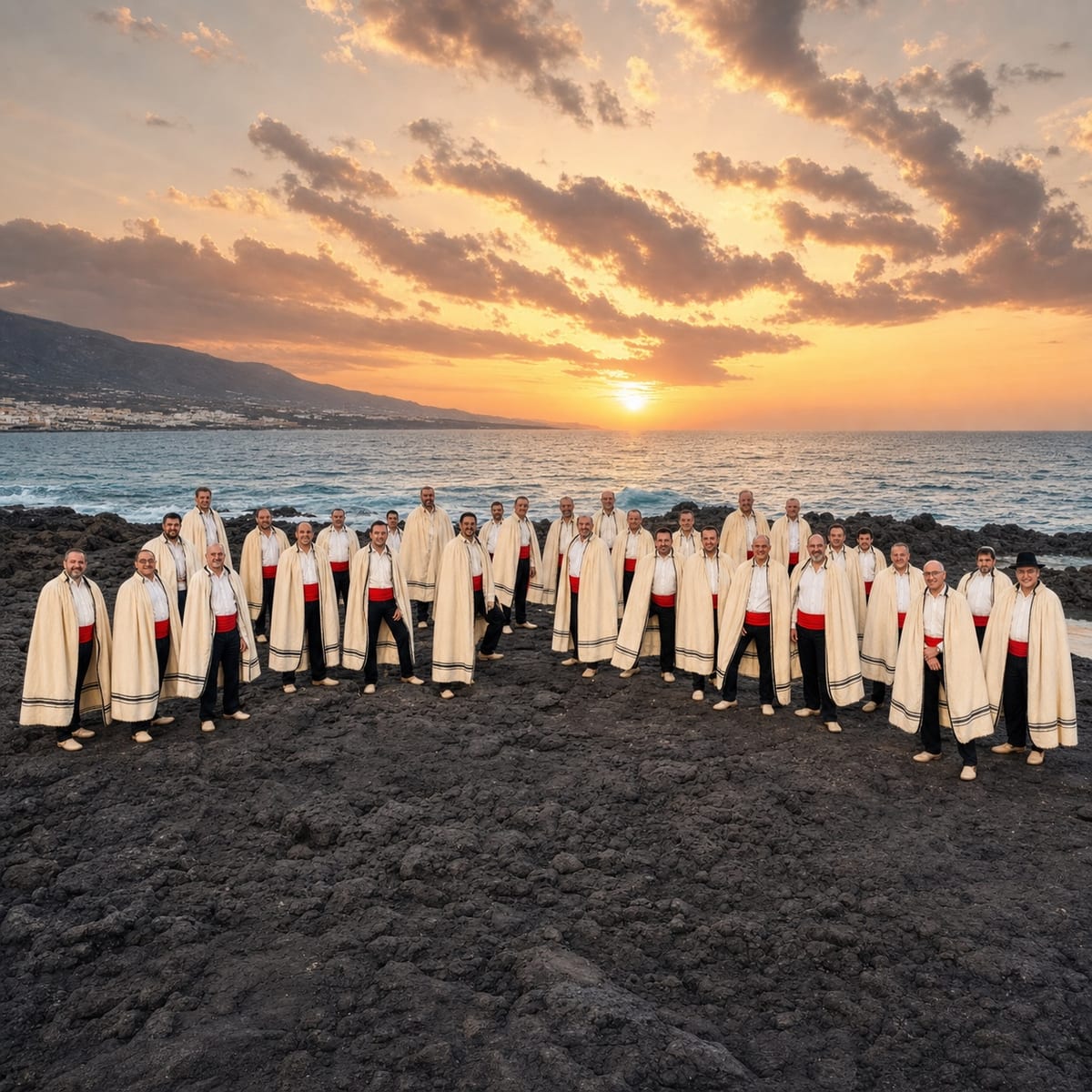
Achamán is a founding member of the Centro de la Cultura Popular Canaria and one of the longest-running folk ensembles in the Canary Islands, with nearly fifty years of continuous activity. In 2012 it received the Gold Medal of San Cristóbal de La Laguna for its musical career. Since 2013 it has organised the Festival Achamán and, since 2014, presents the Galardón Achamán to notable figures of Canarian popular culture, including songwriter Luis Morera (2016) and Elfidio Alonso Quintero, founder of Los Sabandeños (2017).

Style and repertoire

Achamán’s repertoire combines traditional Canarian music (isas, folías, malagueñas, seguidillas and popular airs, including religious songs) with Latin American popular music from countries such as Cuba, Venezuela, Mexico and Argentina, reflecting the historical ties between the Canary Islands and the Americas.

Transmission and legacy

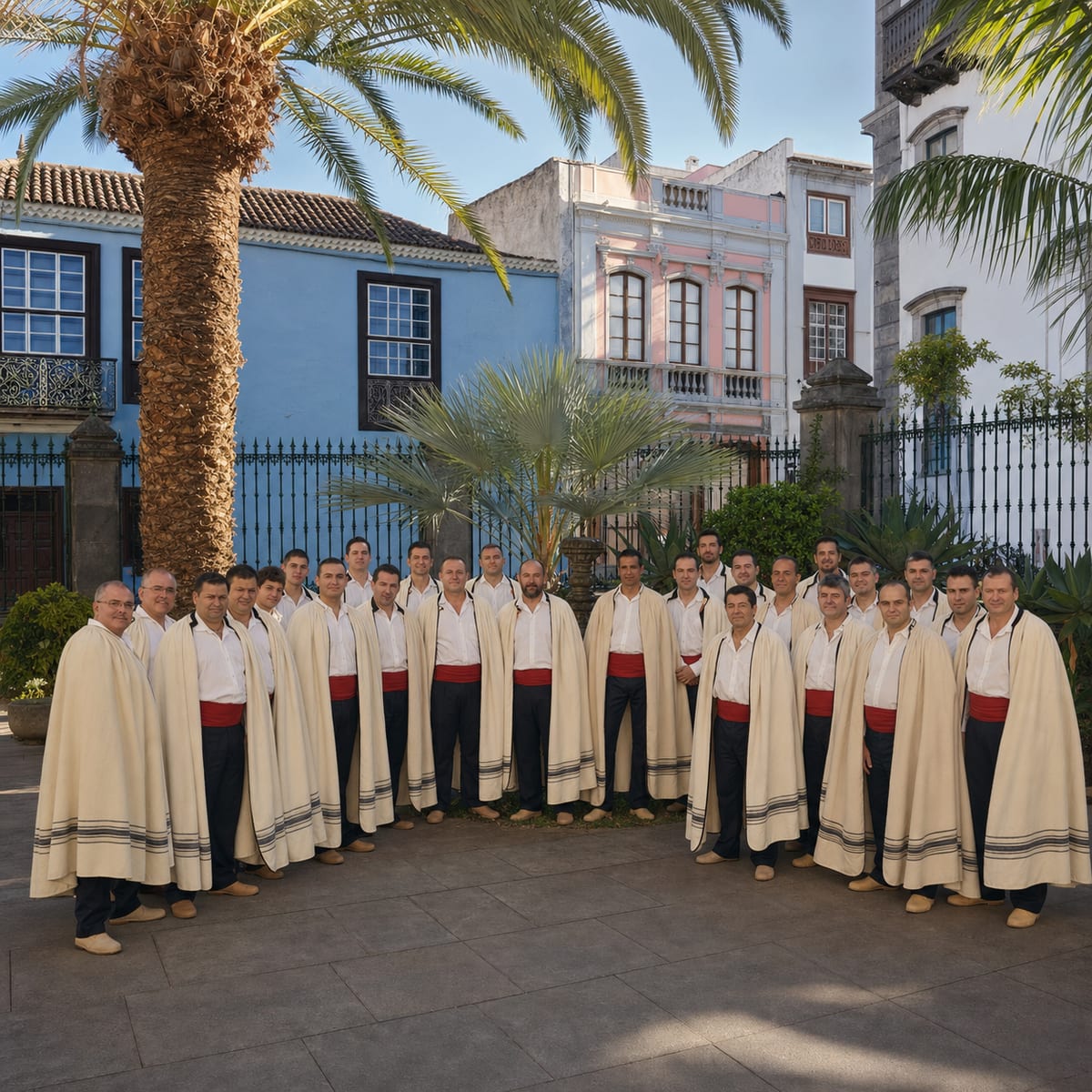
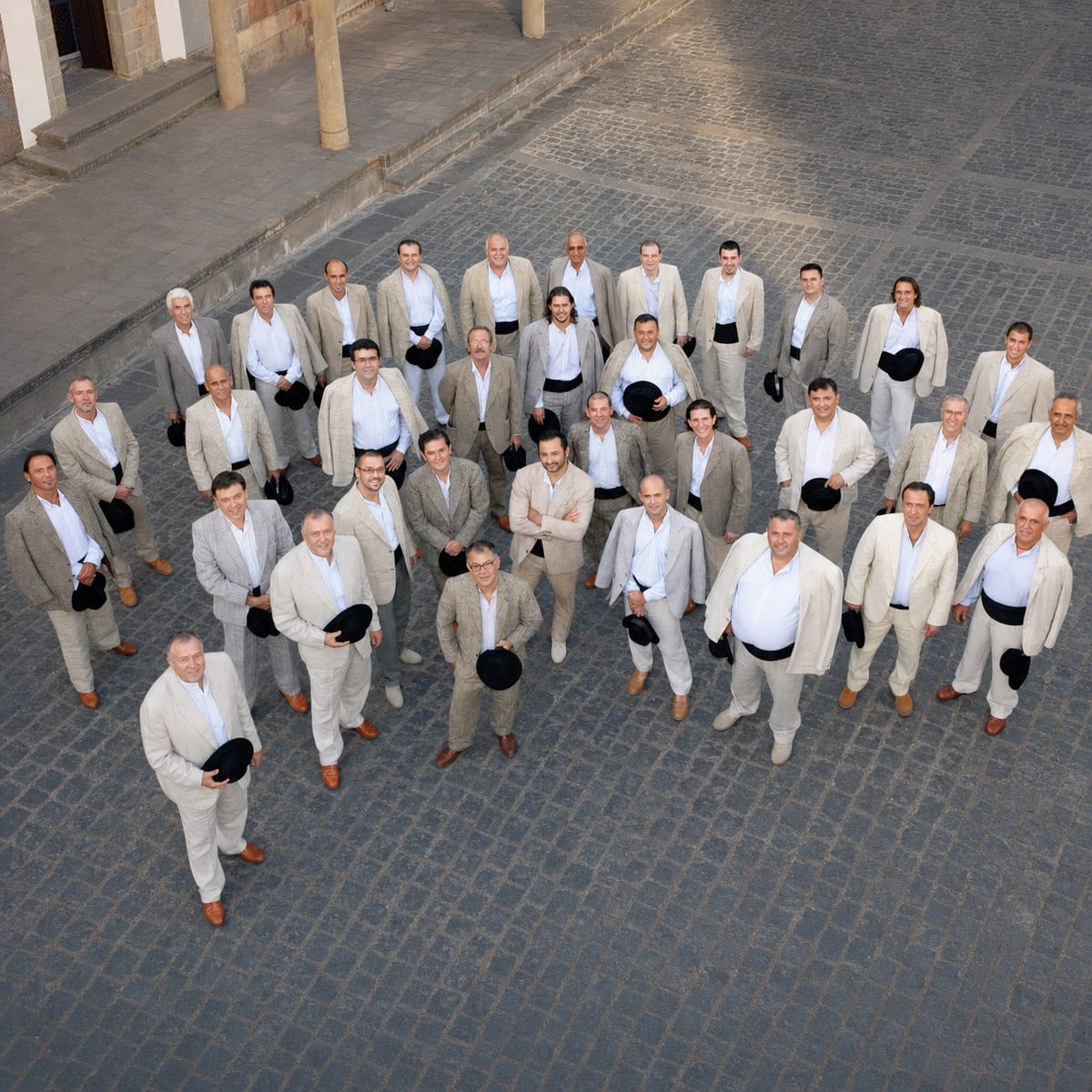
Achamán passes on its repertoire through a large ensemble (over thirty members according to its official site) and through its own initiatives such as the Festival Achamán and the Galardón Achamán, which spread and honour Canarian popular culture among new generations of musicians and performers.

Key milestones

  1. Founded in the Barrio Nuevo district of La Laguna

    A circle of friends begins performing Canarian and Latin American music; Los Sabandeños mentor them and lend them their rehearsal space.

  2. Official presentation at the Teatro Guimerá

    They debut alongside Los Sabandeños at the Carnival Queen gala in Santa Cruz de Tenerife, performing the "Himno a la Lucha Canaria" (some sources, including the group’s own website, date this debut to 1978).

  3. First prize at the San Benito Coplas y Parrandas contest

    They earn their first major competitive recognition at this popular Canarian contest.

  4. "De Parranda", the first live recording made in the Canary Islands

    They release "De Parranda", presented as the first live-recorded album by a folk group in the Canary Islands.

  5. Gold Medal of San Cristóbal de La Laguna

    The La Laguna city council awards them its Gold Medal for their musical career; late this year Héctor González takes over as the group’s musical director.

  6. Creation of the Festival Achamán

    On 24 May they organise the 1st edition of the Festival Achamán at the Pabellón de Las Mercedes, alongside Atlantes and Jóvenes Cantadores.

  7. 50th anniversary with the show "Alma y fuego"

    On 9 July they celebrate their 50th anniversary with the show "Alma y fuego. 50 años" at Plaza de San Benito in La Laguna, as part of the Fiestas de San Benito.

Sources and links