

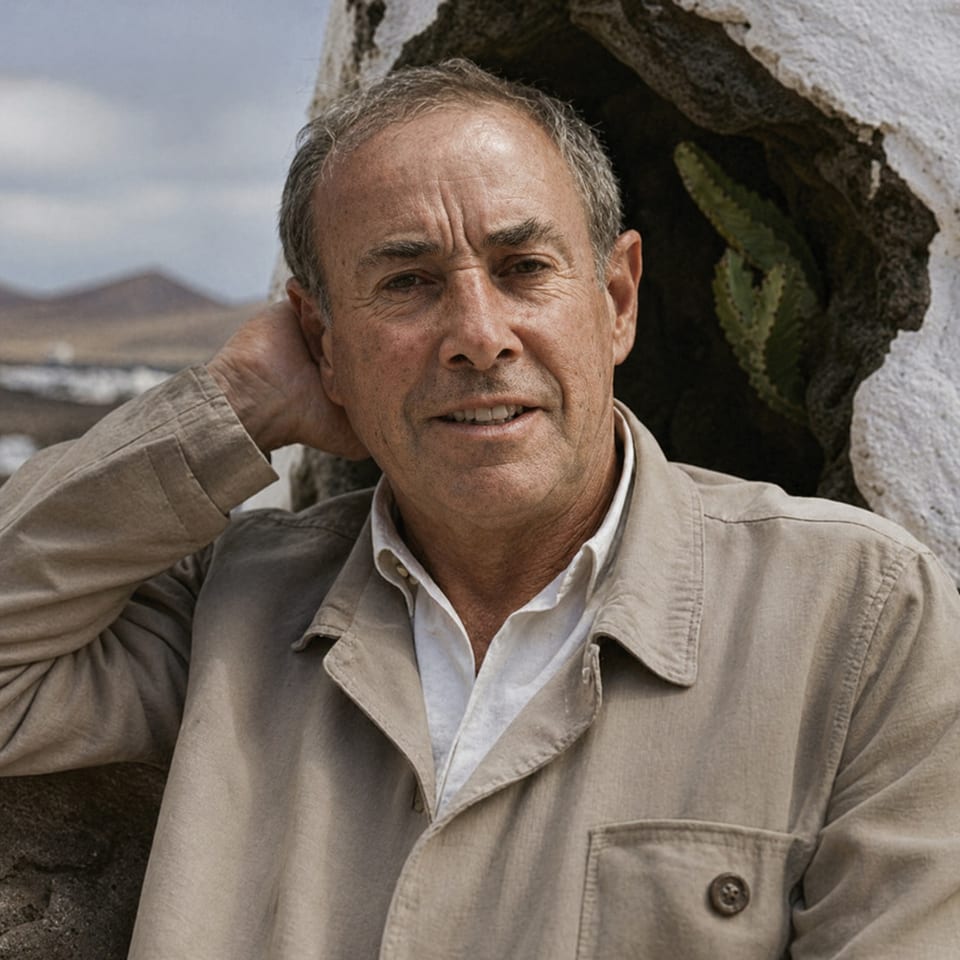
Contemporánea Art 20th Century Visionary of art and ecology
Artist and ecologist
Artist, architect and ecologist from Lanzarote. He transformed Lanzarote into a model of sustainable development, fusing art, nature and architecture.
Artist and ecologist · 1919–1992
Artist and ecologist
Artist, architect and ecologist from Lanzarote. He transformed Lanzarote into a model of sustainable development, fusing art, nature and architecture.
César Manrique was born in Arrecife de Lanzarote in 1919. He studied at the San Fernando Royal Academy of Fine Arts in Madrid and had a brilliant career as an avant-garde painter in the Spanish capital. In the mid-1960s he lived in New York, where he encountered artists such as Andy Warhol and rubbed shoulders with the international art world. But in 1966 he made a decision that would change his life and that of Lanzarote: to return to his home island.
While mass tourism was devastating the coastlines of other islands with concrete blocks and neon highways, Manrique became the guardian of Lanzarote. He worked side by side with the island council to establish building codes that banned tall structures, regulated colours (white, blue, green and volcanic black) and protected the landscape. At the same time he created art spaces integrated into the volcanic scenery: the Cactus Garden, the Jameos del Agua, the Mirador del Río, the Jameos del Fuego. Each work was simultaneously art, architecture and ecology.
Manrique died in a road accident in 1992, just a few kilometres from his home in Haría. Lanzarote was declared a UNESCO Biosphere Reserve in 1993, a recognition he had pursued for decades. The César Manrique Foundation, installed in his former home built over five volcanic bubbles, preserves his legacy and works. His influence extends beyond Lanzarote: he is the global model of how tourism can coexist with landscape authenticity.
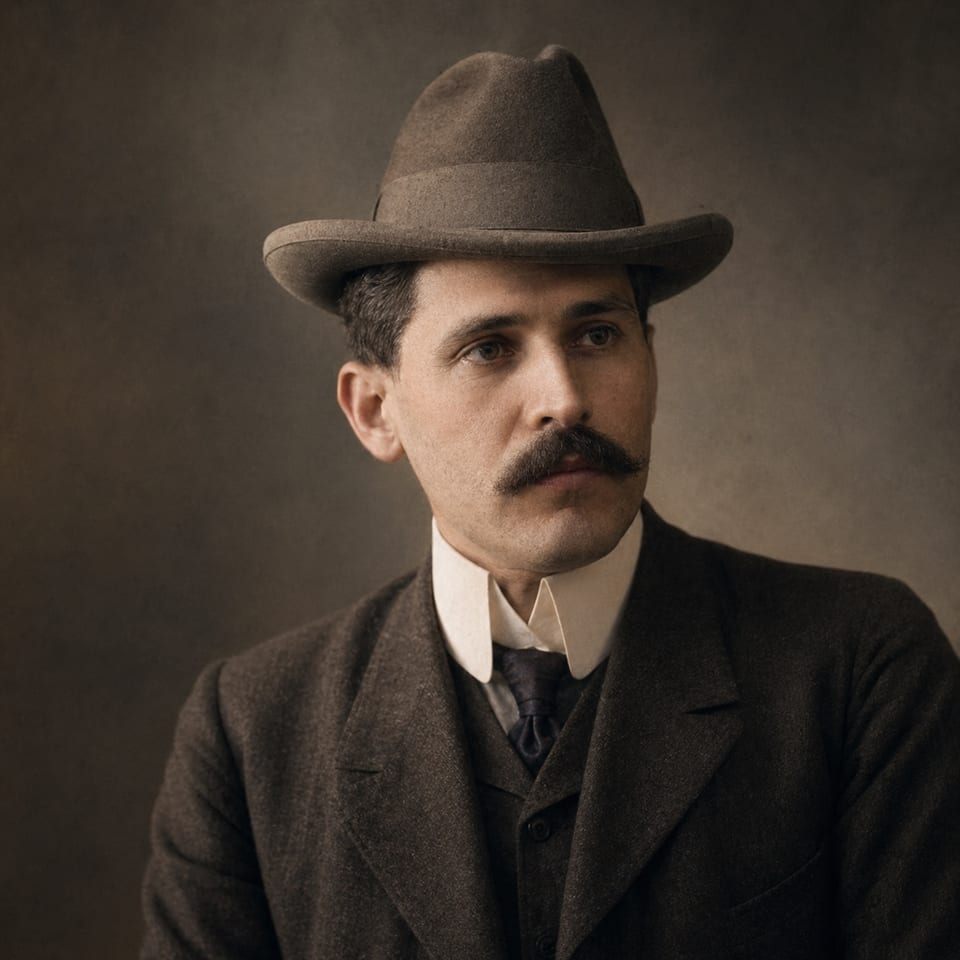
Writer, politician
1874 - 1950
Meet figures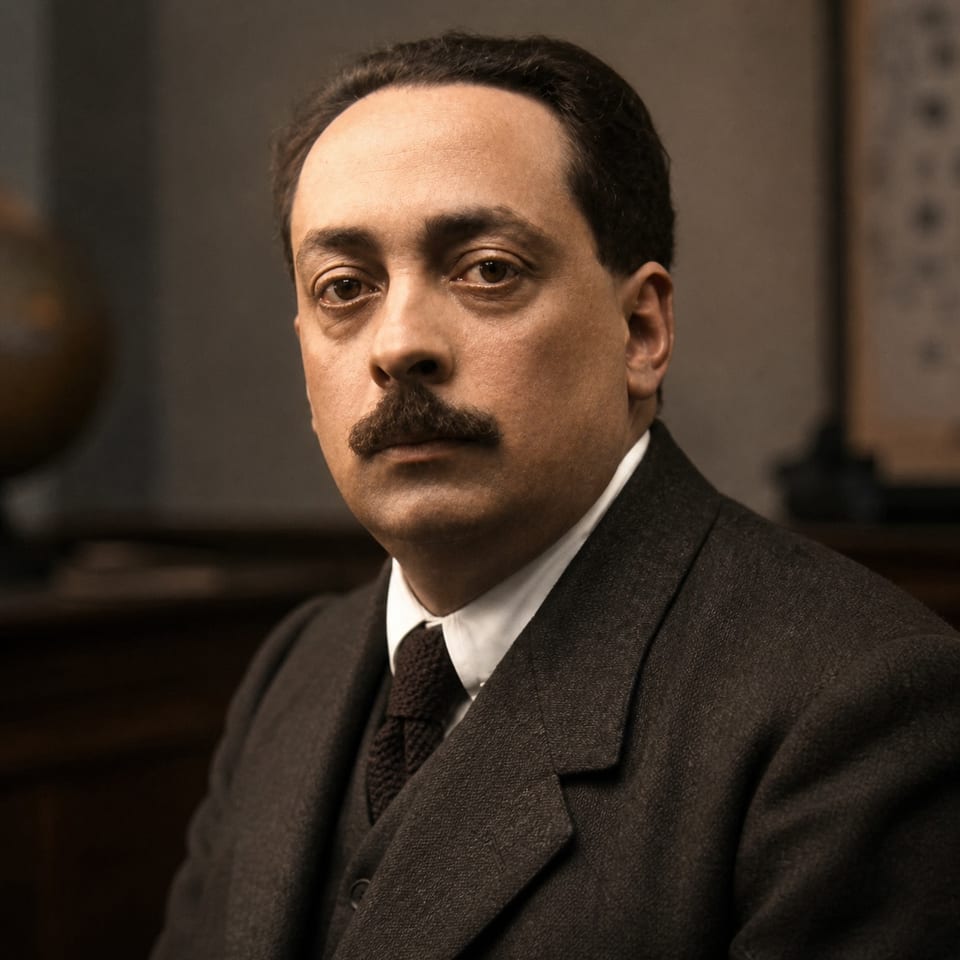
Physicist
1878 - 1945
Meet figures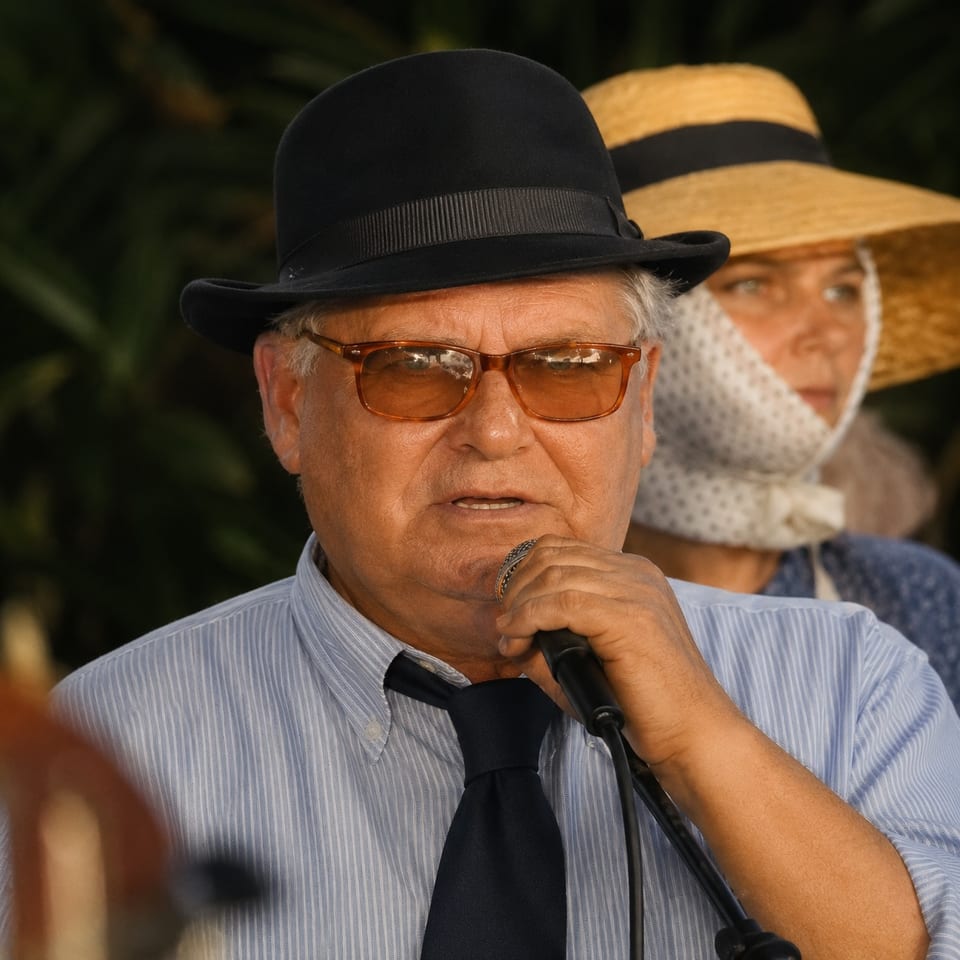
Singer and founder of Los Campesinos
1918 - 2012
Meet figures
Artist and Photographer
1945 - Present
Meet figures