Historical Figures
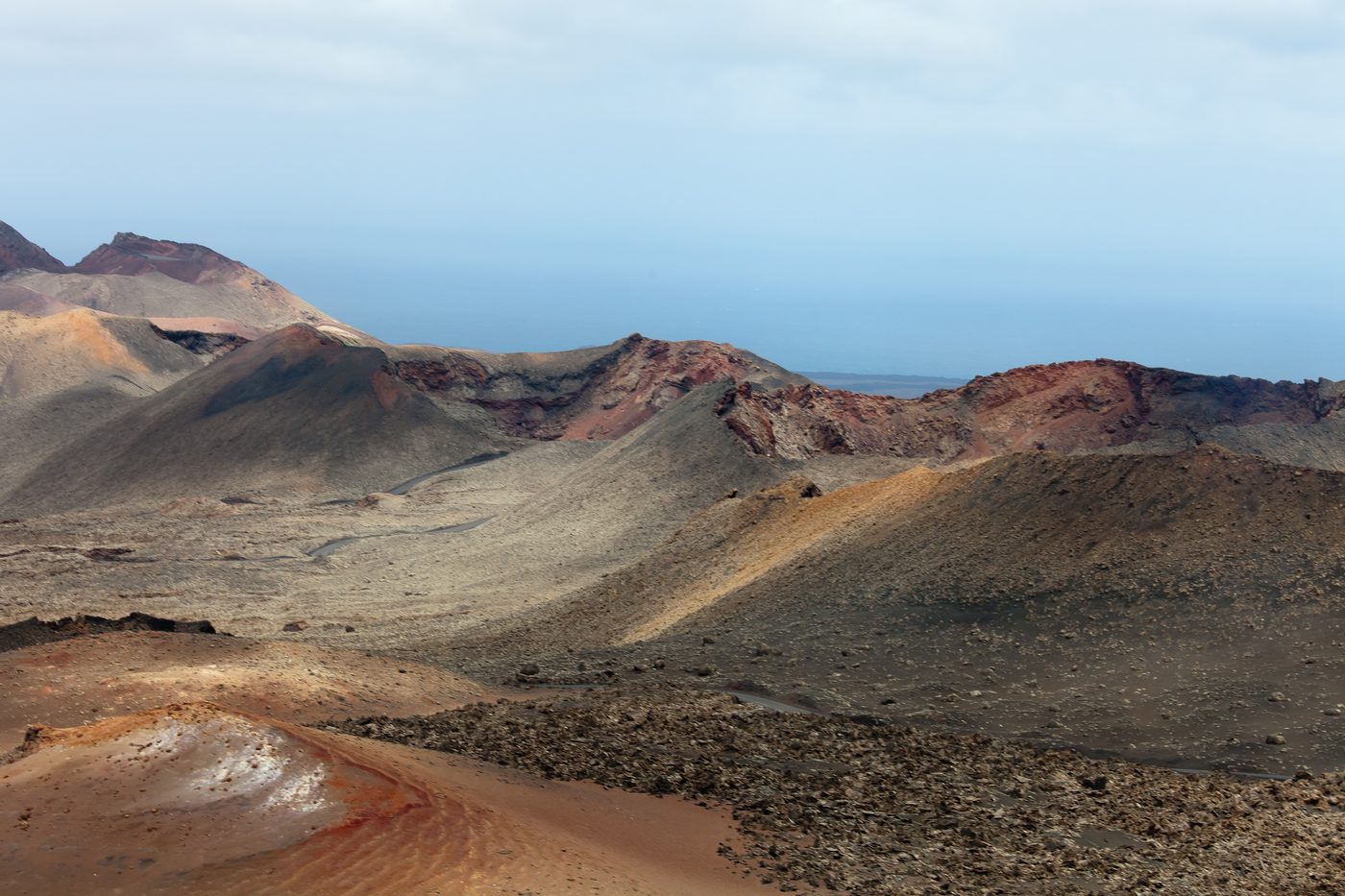
In 1964, the Timanfaya National Park was established on the island of Lanzarote, marking a milestone in the conservation of the Canary Islands' natural heritage. This park covers a vast area of volcanic terrain, the result of eruptions that occurred between 1730 and 1736. The creation of the park was a response to the growing environmental awareness and the need to protect Lanzarote's unique landscapes. Timanfaya became a symbol of the interaction between volcanic activity and human life, highlighting the adaptability of local communities. Furthermore, its designation as a national park promoted sustainable tourism, attracting visitors interested in geology and biodiversity. This event underscored the importance of preserving natural environments at a time when economic development was beginning to intensify in the islands.