Historical Figures
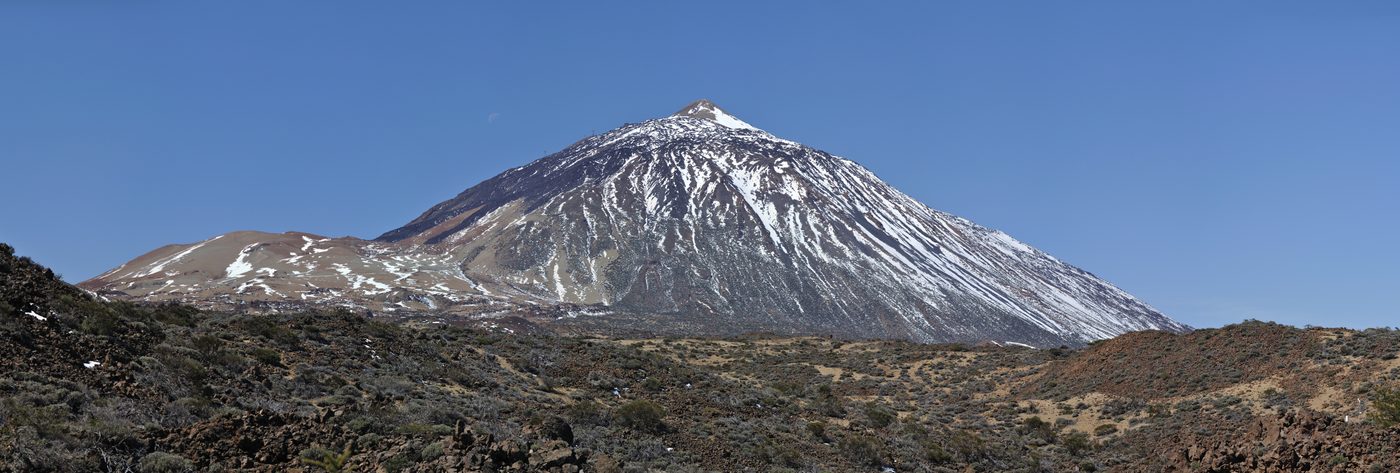
In 1982, the Teide National Park was established on the island of Tenerife, marking a significant milestone in the conservation of the Canary Islands' natural heritage. This park, encompassing the majestic Teide volcano, Spain's highest peak, became a symbol of the region's unique biodiversity and geodiversity. The historical context of its creation is set against a backdrop of growing global environmental awareness, where protecting natural spaces became a priority. The park's declaration not only preserved an impressive volcanic landscape but also promoted sustainable tourism, becoming a key attraction for visitors worldwide. Additionally, the park has been crucial for scientific research, providing a natural setting for geological and biological studies. Its creation has had a lasting impact on the local economy and in promoting Canarian cultural identity.