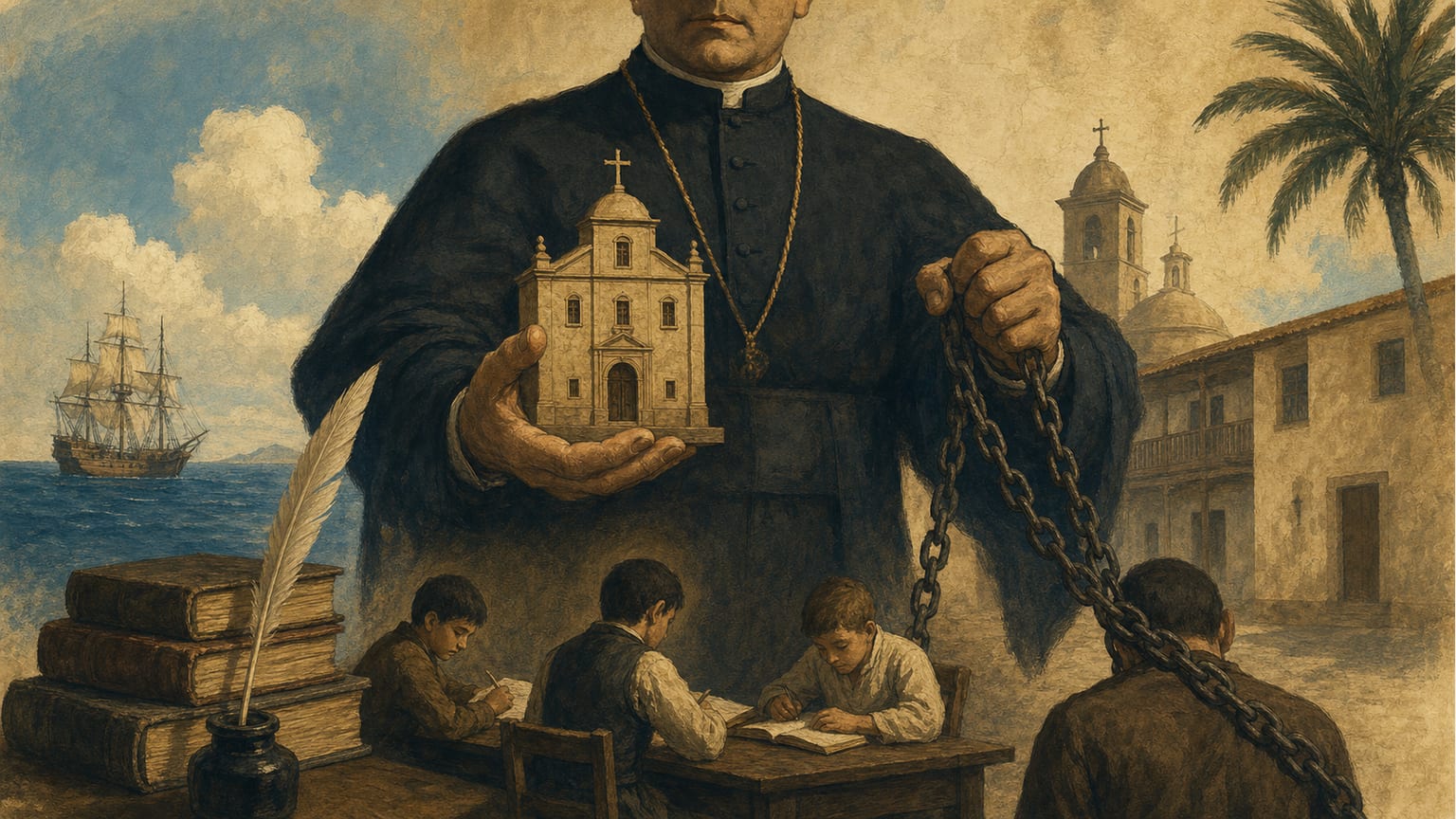
Agustín Millares Torres details how the clergy dominated education, censorship, and intellectual life in the Canary Islands during the 17th and 18th centuries.
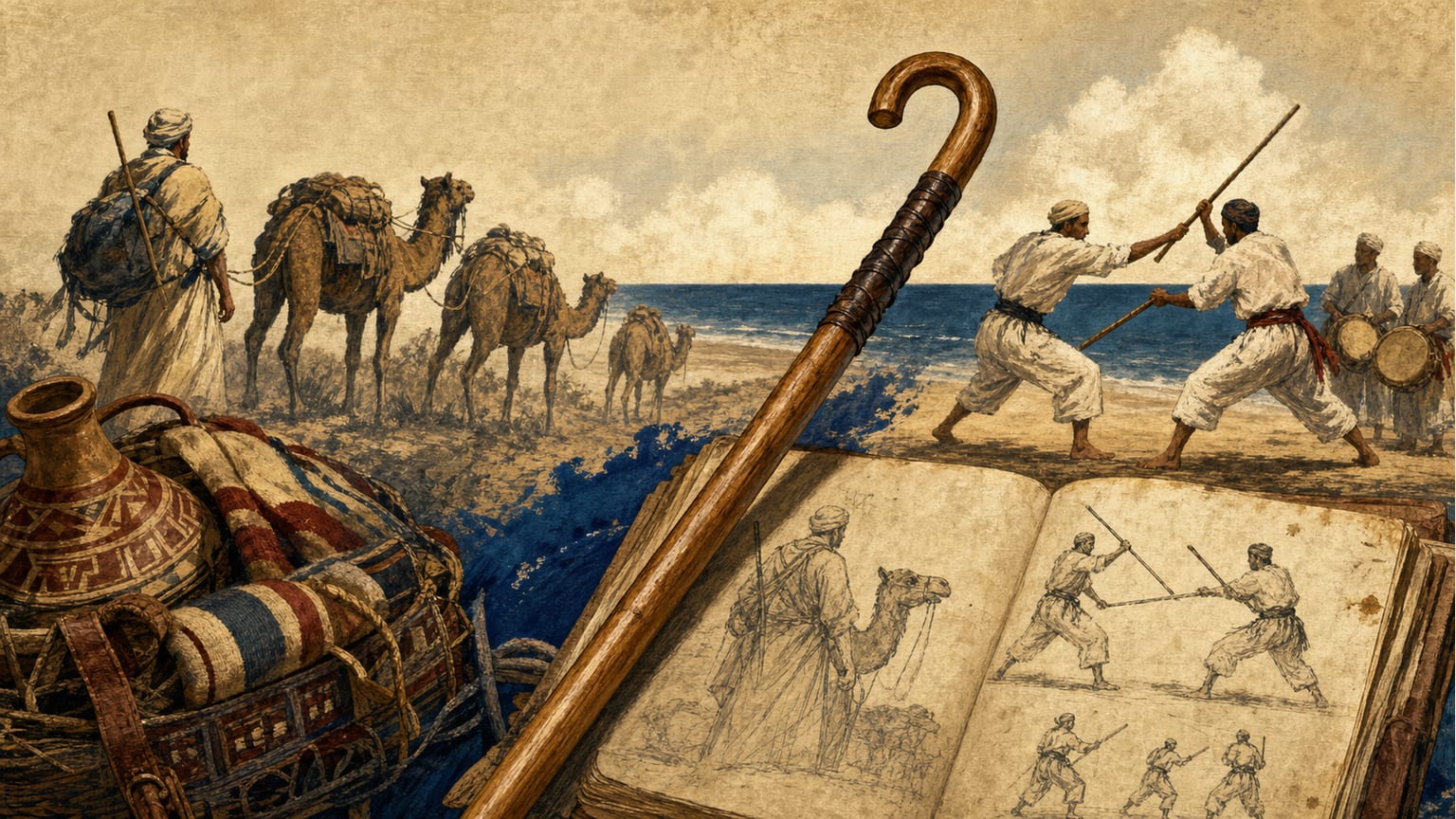
A detailed examination of the theory connecting the camel driver's stick to the origin of Juego del Palo, with Morales Magyín arguing that this link lacks documentary support.
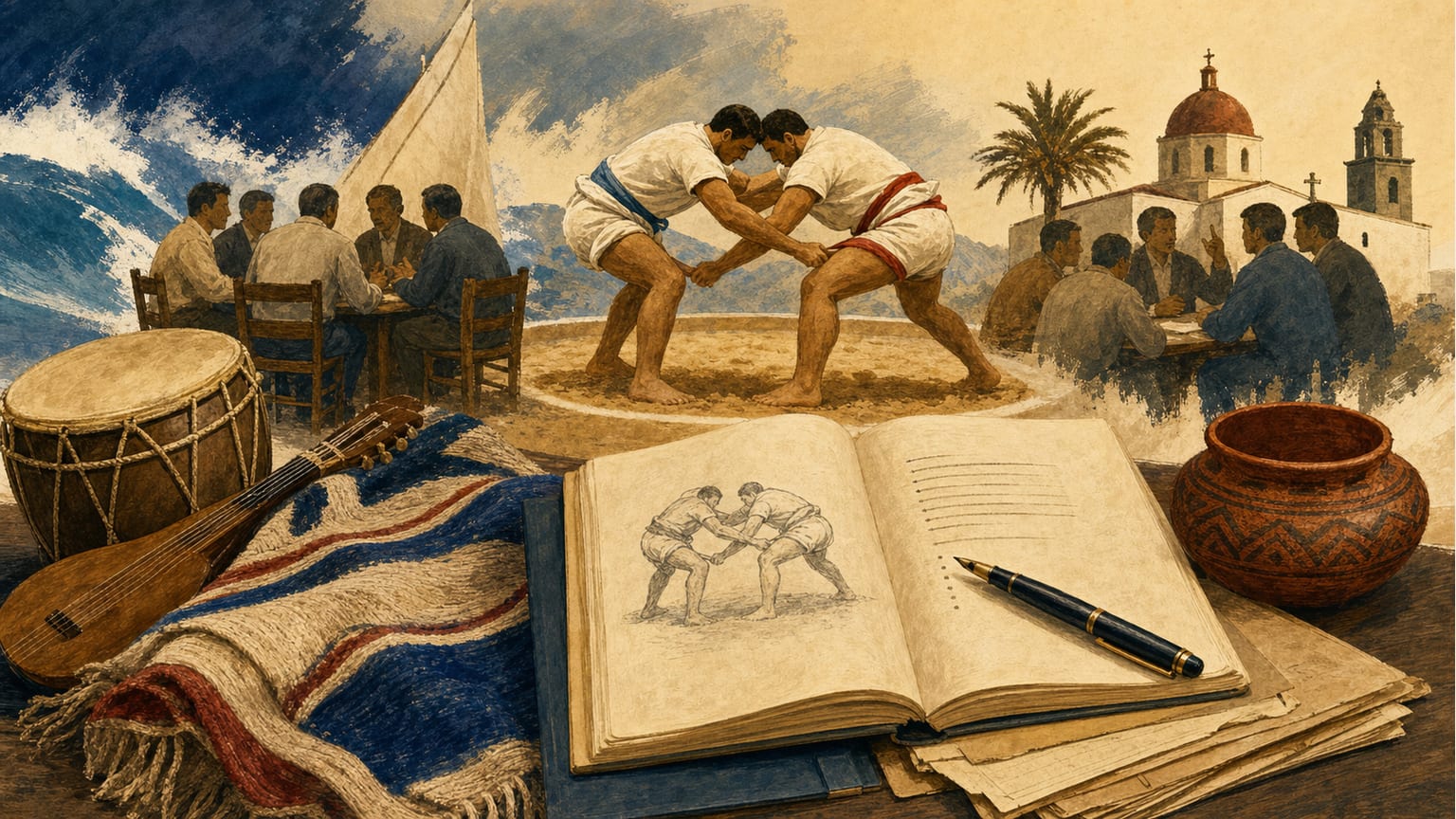
The first Technical Regulations for Canarian wrestling emerged after years of debate and disagreement between island federations, finally being approved in 1960 after complex negotiations over the unification of rules.
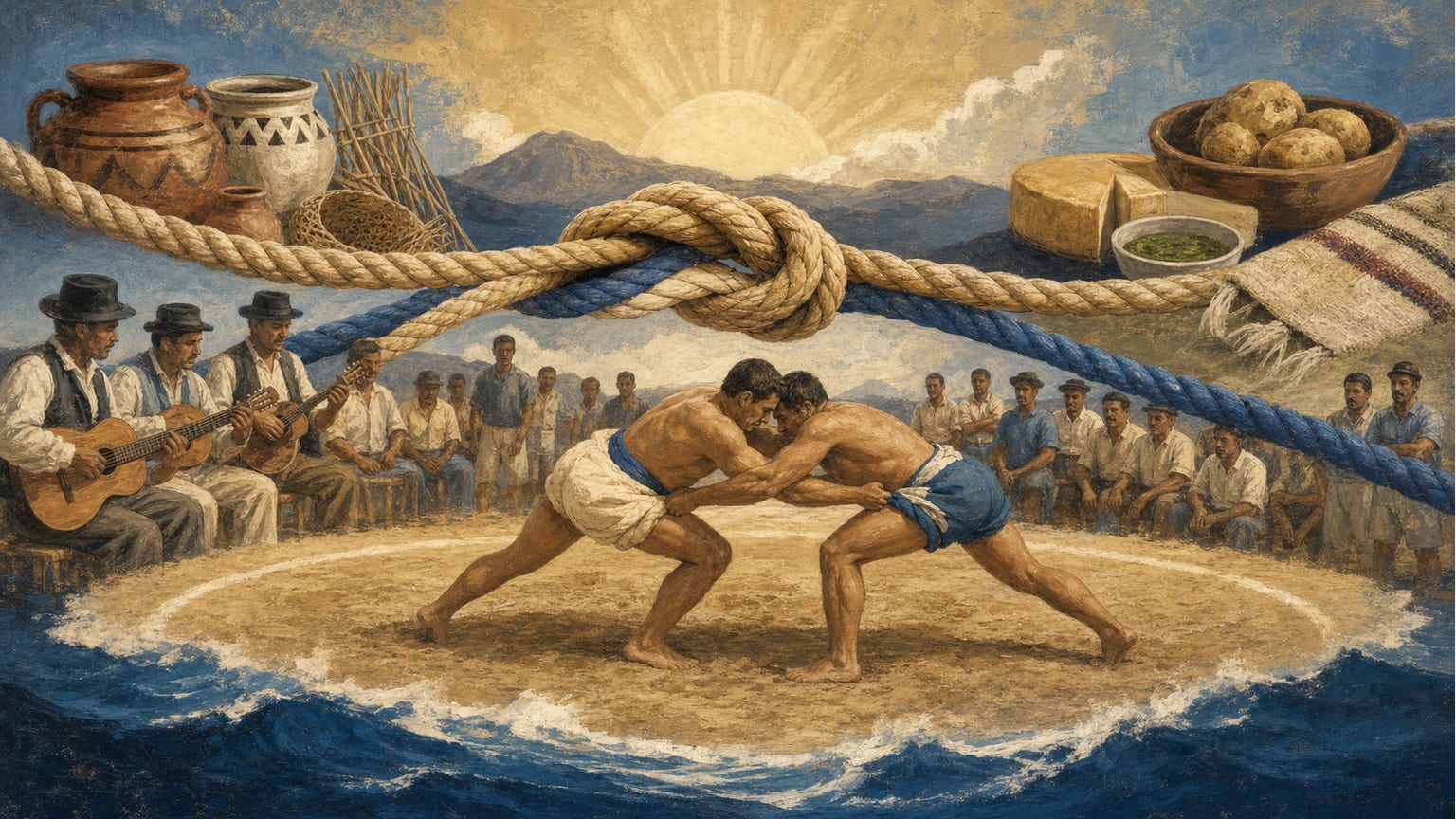
The Inter-Island League was a key effort to unify Canarian wrestling between islands, facing organizational challenges and insular rivalries according to Ayala, Antonio (1977).
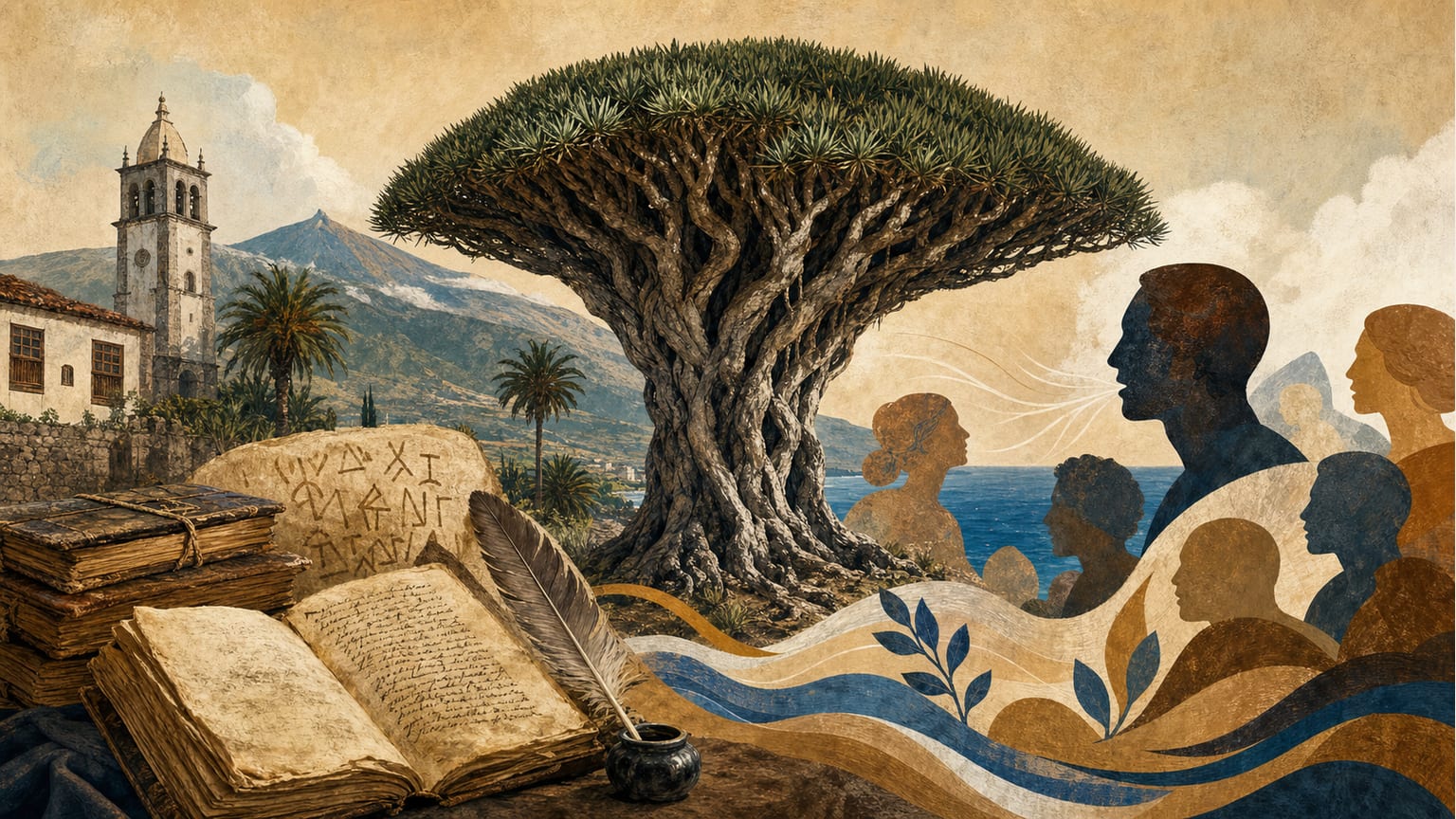
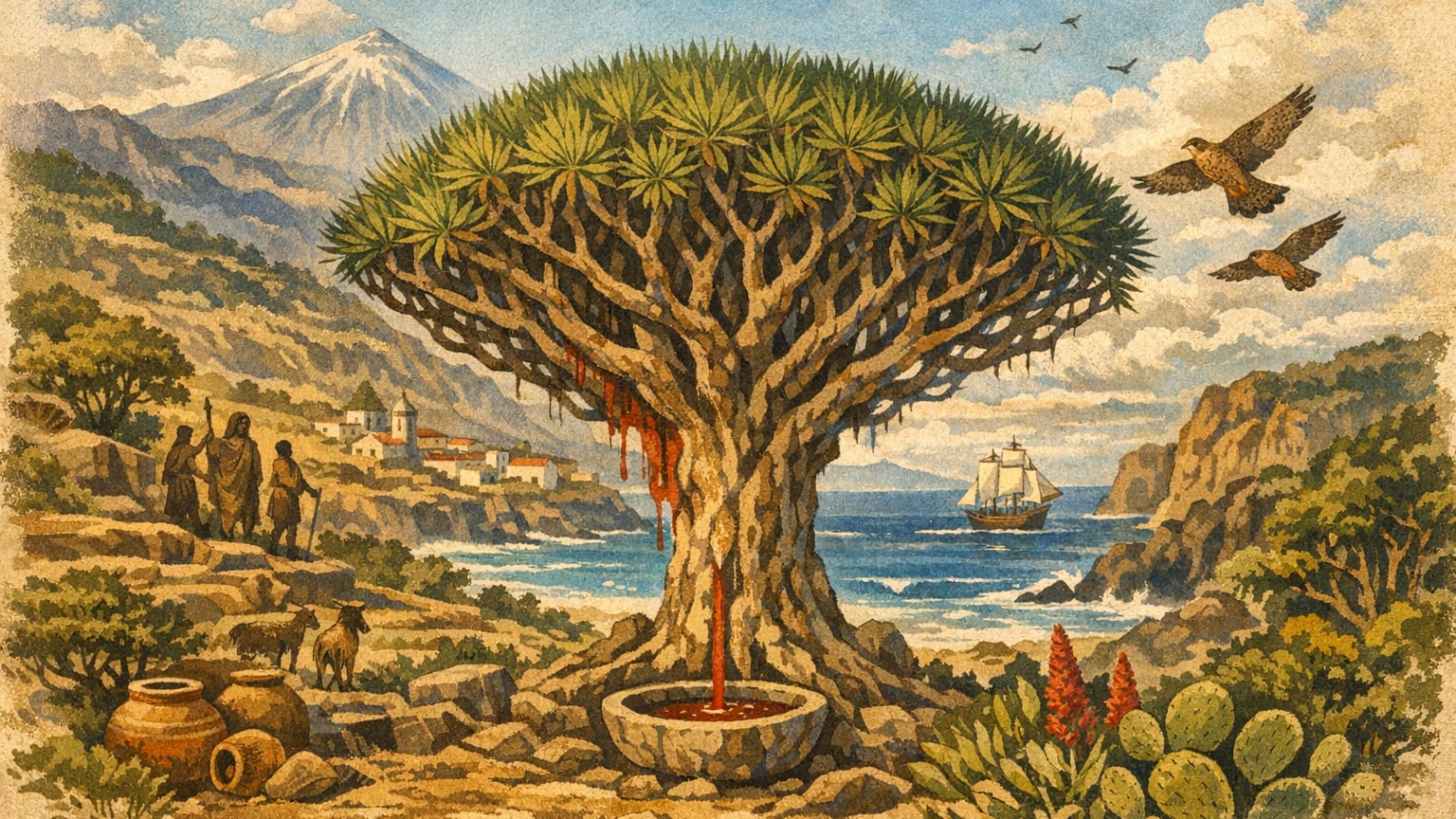
The millennial dragon tree of Icod de los Vinos, described as Spain's oldest living being according to the source, is a historical symbol and a setting for discussions about Canarian language and culture.
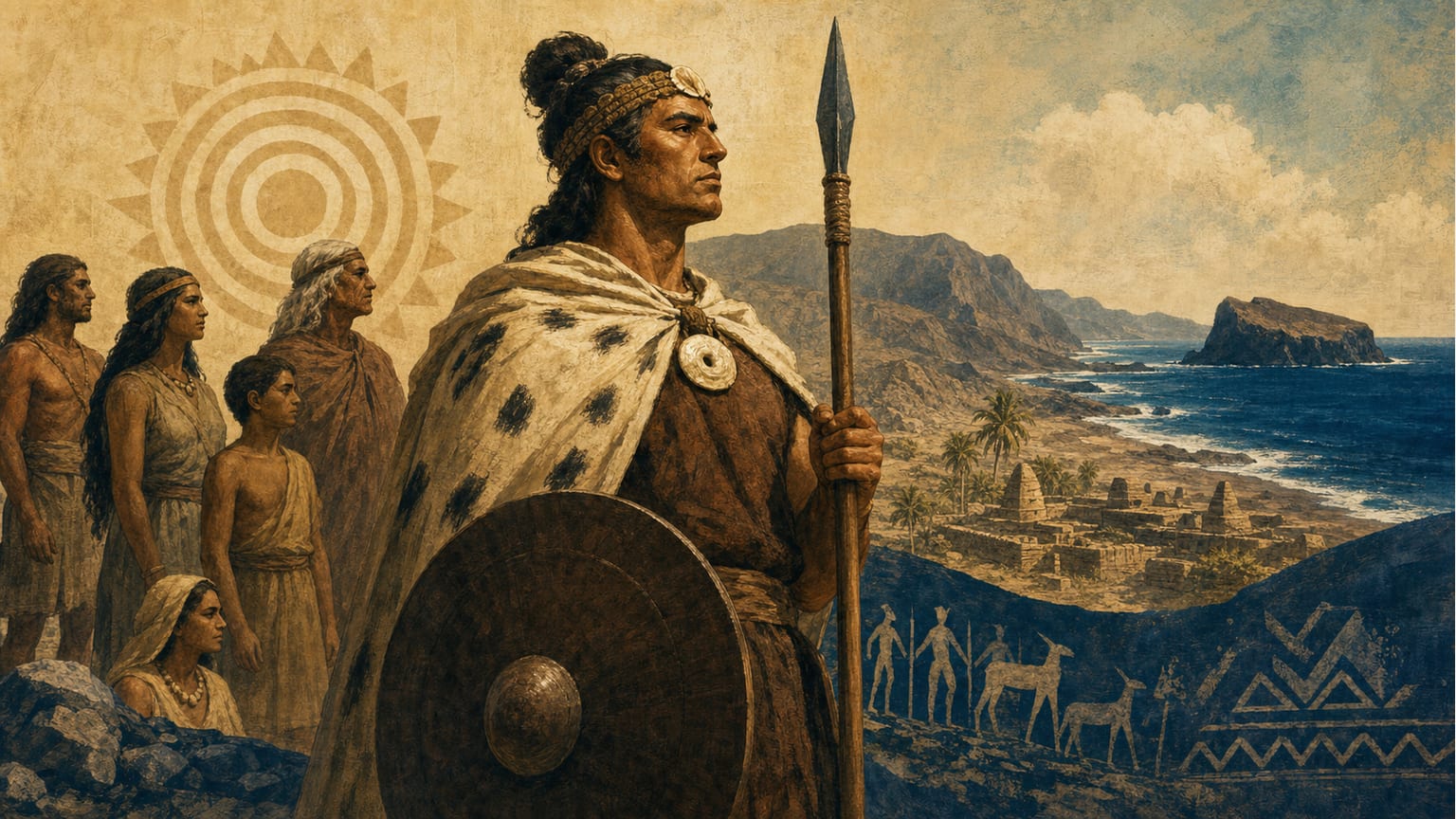
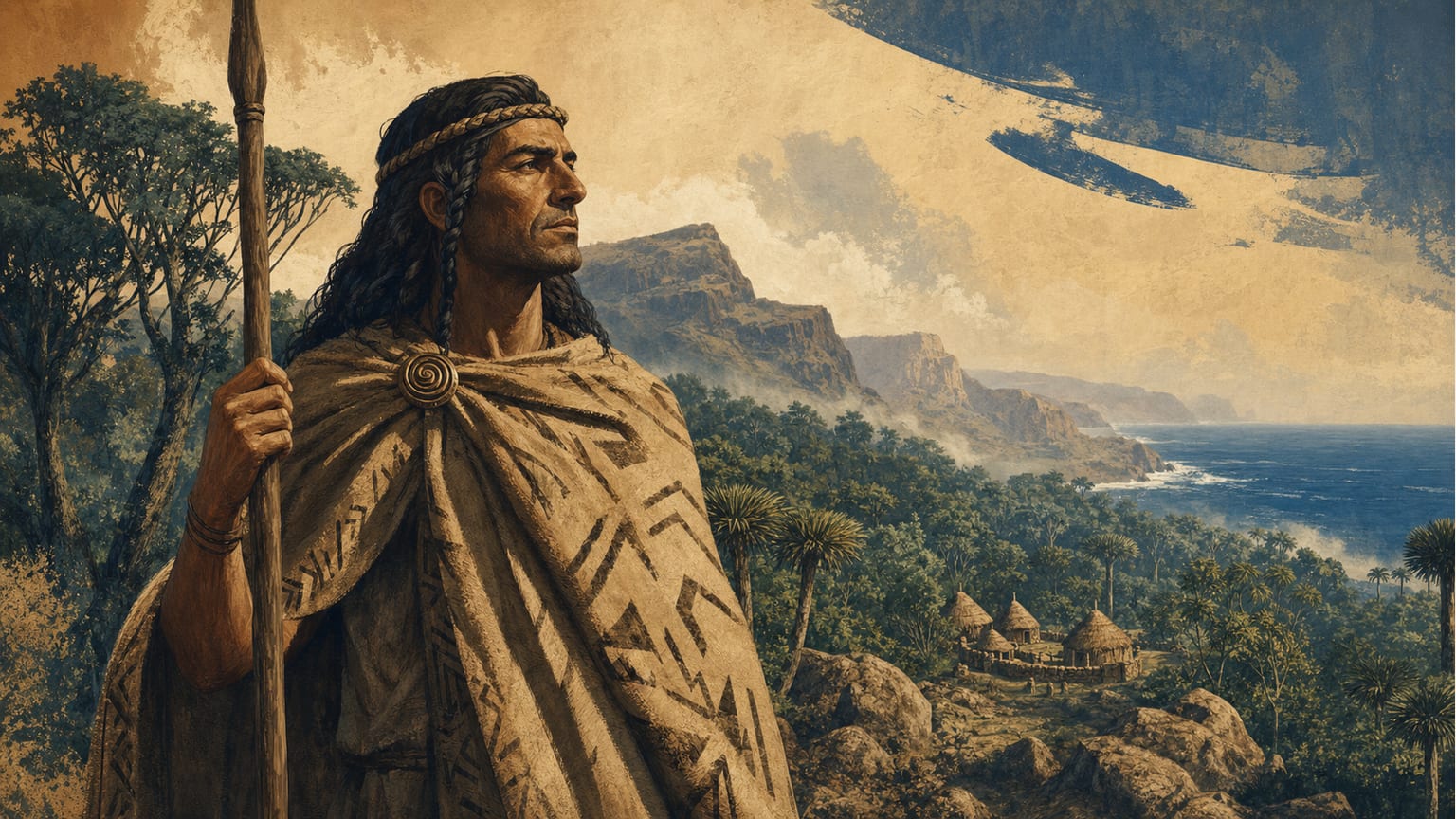
An exploration of Agustín Millares Torres' description of the caste system and the role of the warrior nobility in indigenous Gran Canaria society before the conquest.
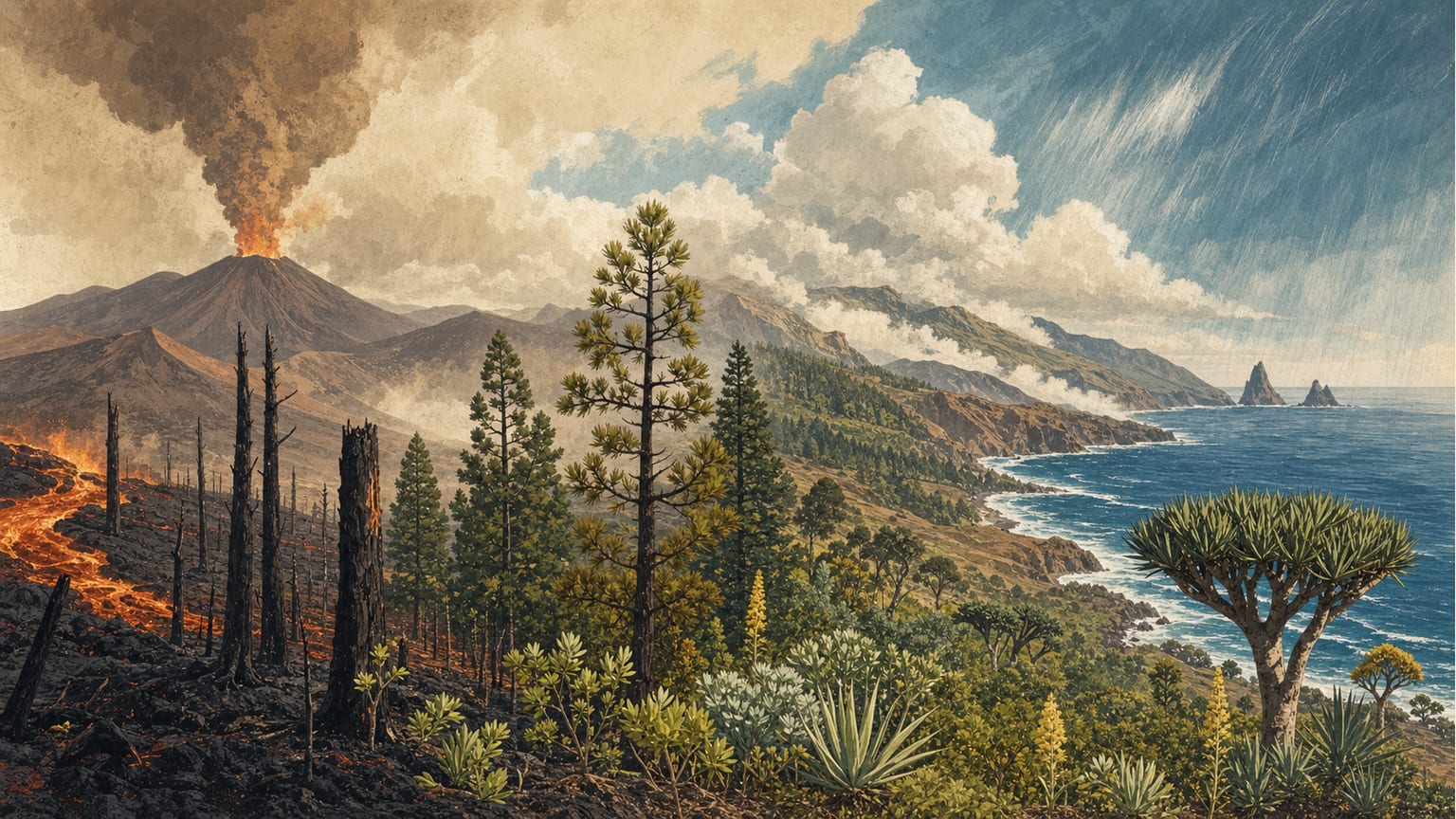
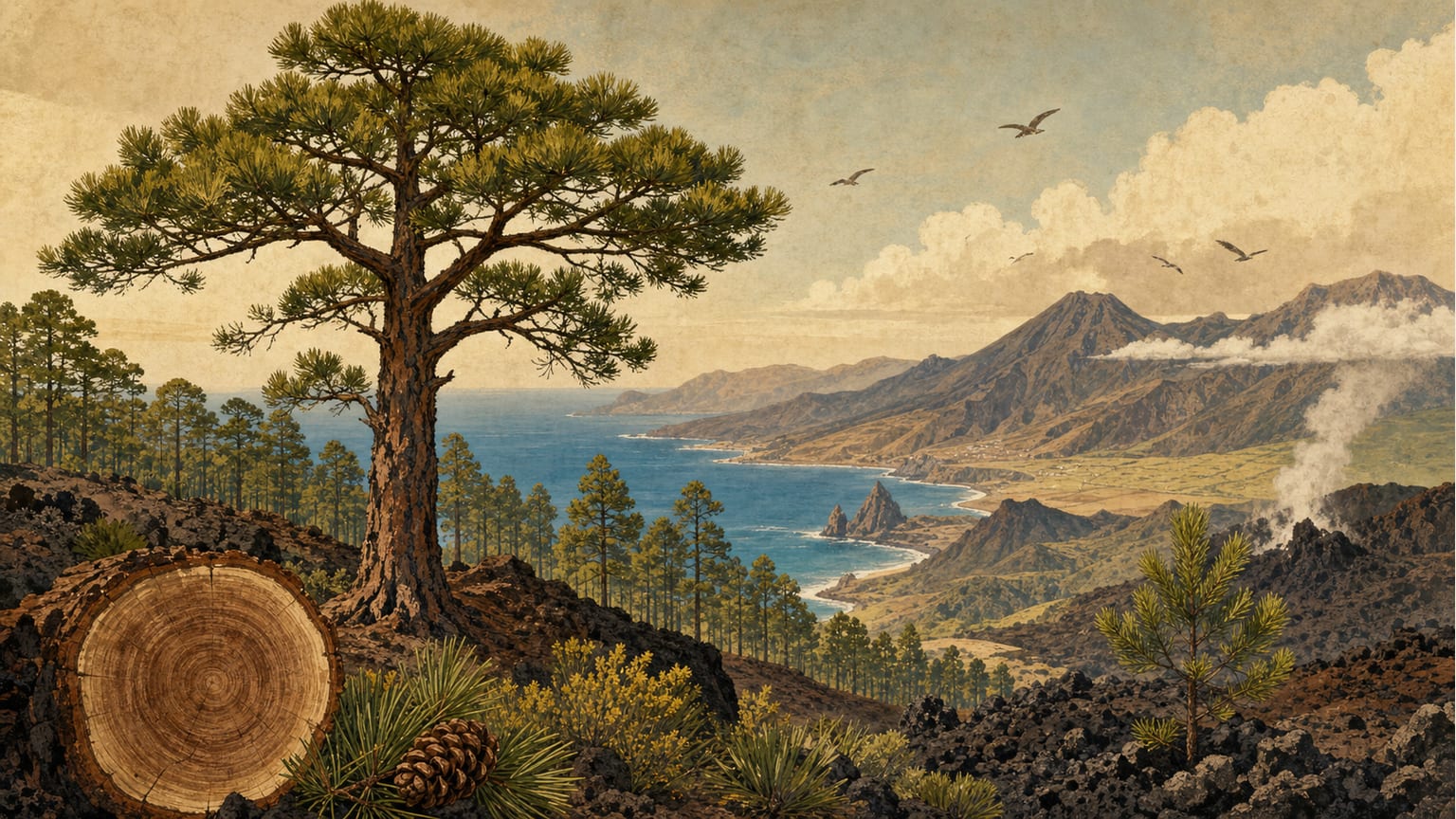
Volcanic eruptions and extreme weather have profoundly shaped the history and distribution of forests in the Canary Islands, according to the analysis by Fernando Pardo Navarro, Ángel Velasco Sánchez, and Luis Gil Sánchez.
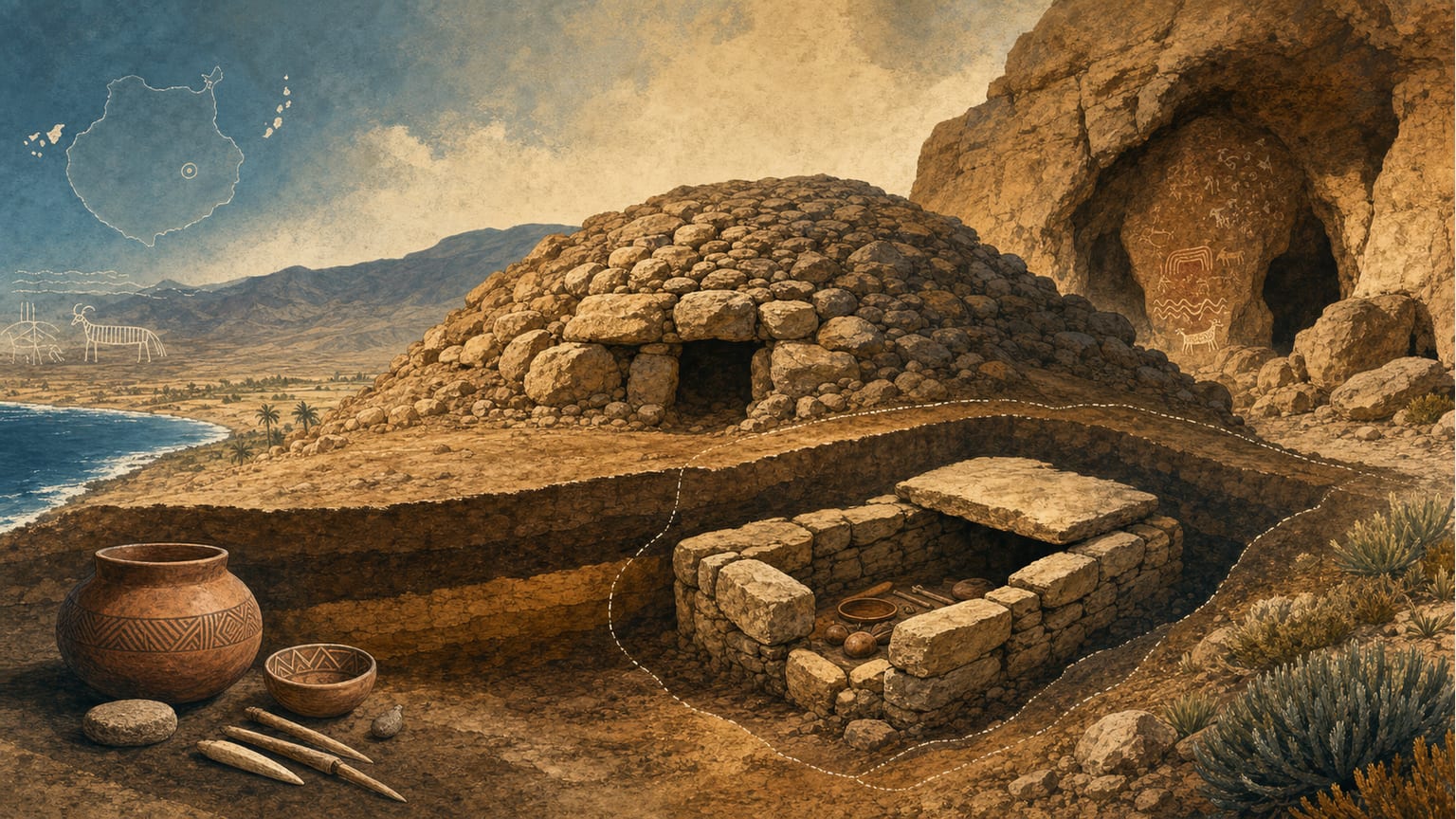
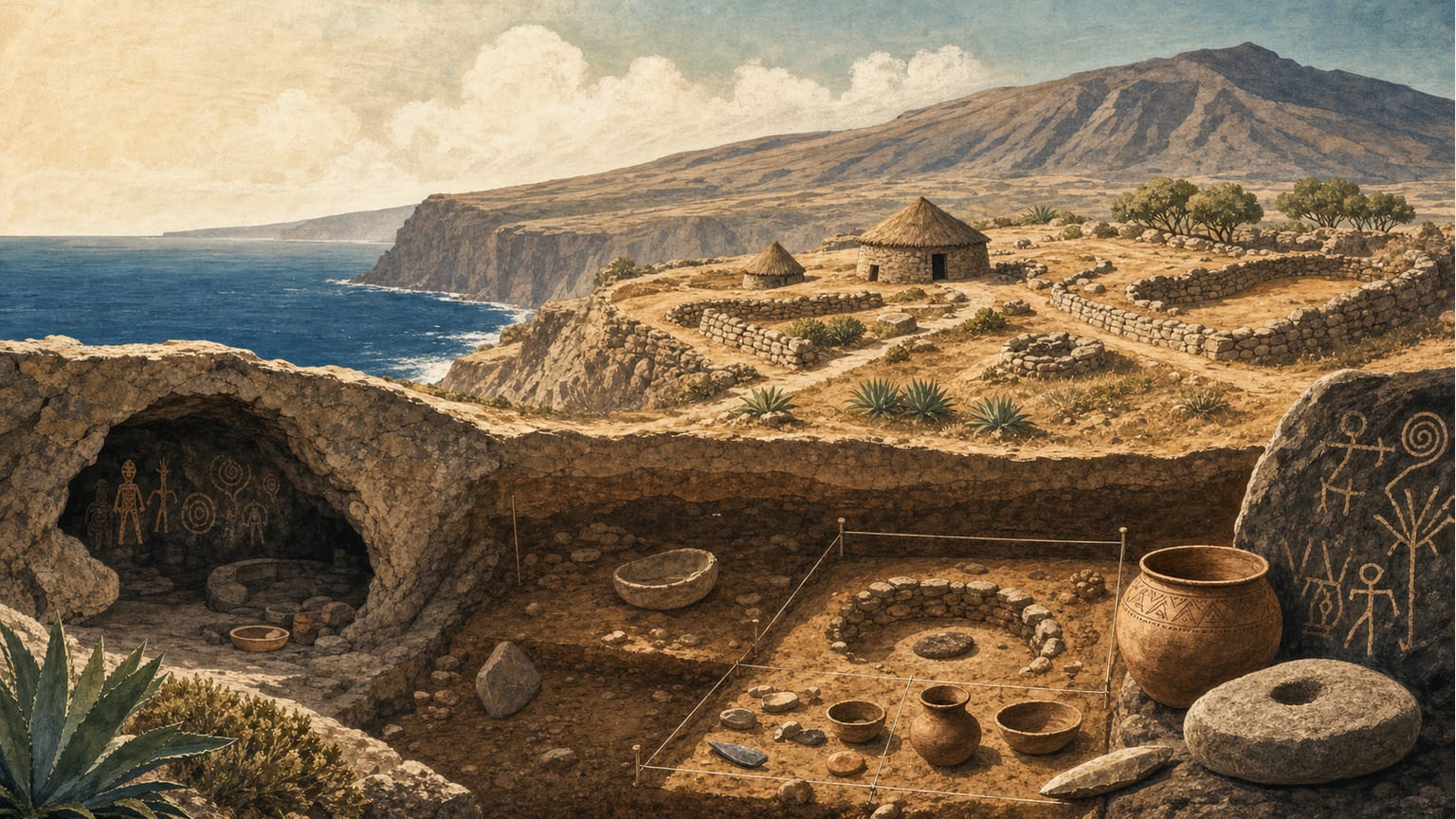
A detailed analysis of the construction and typology of tumuli and cists in the Arteara Necropolis, the largest pre-Hispanic cemetery in the Canary Islands.
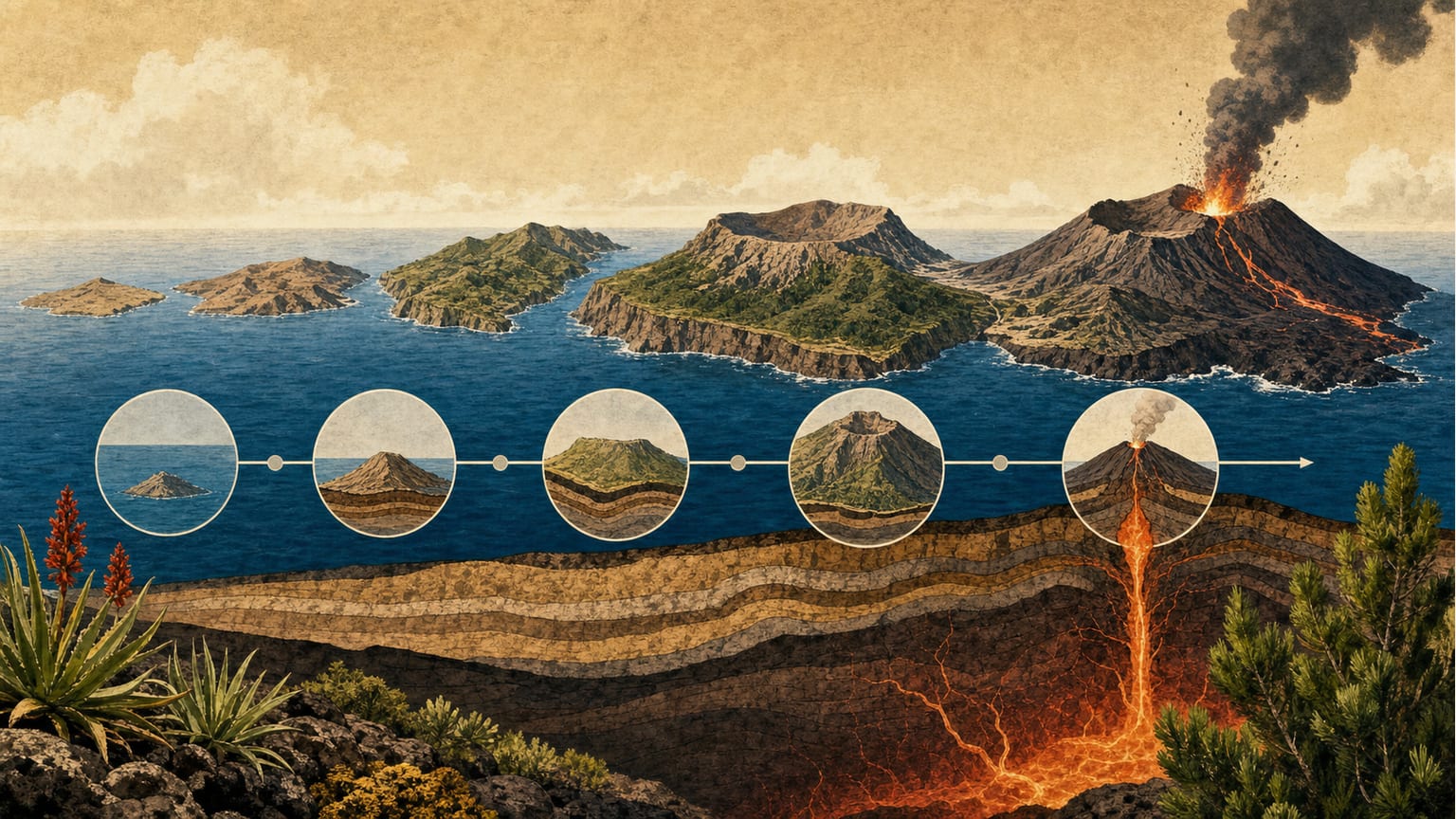
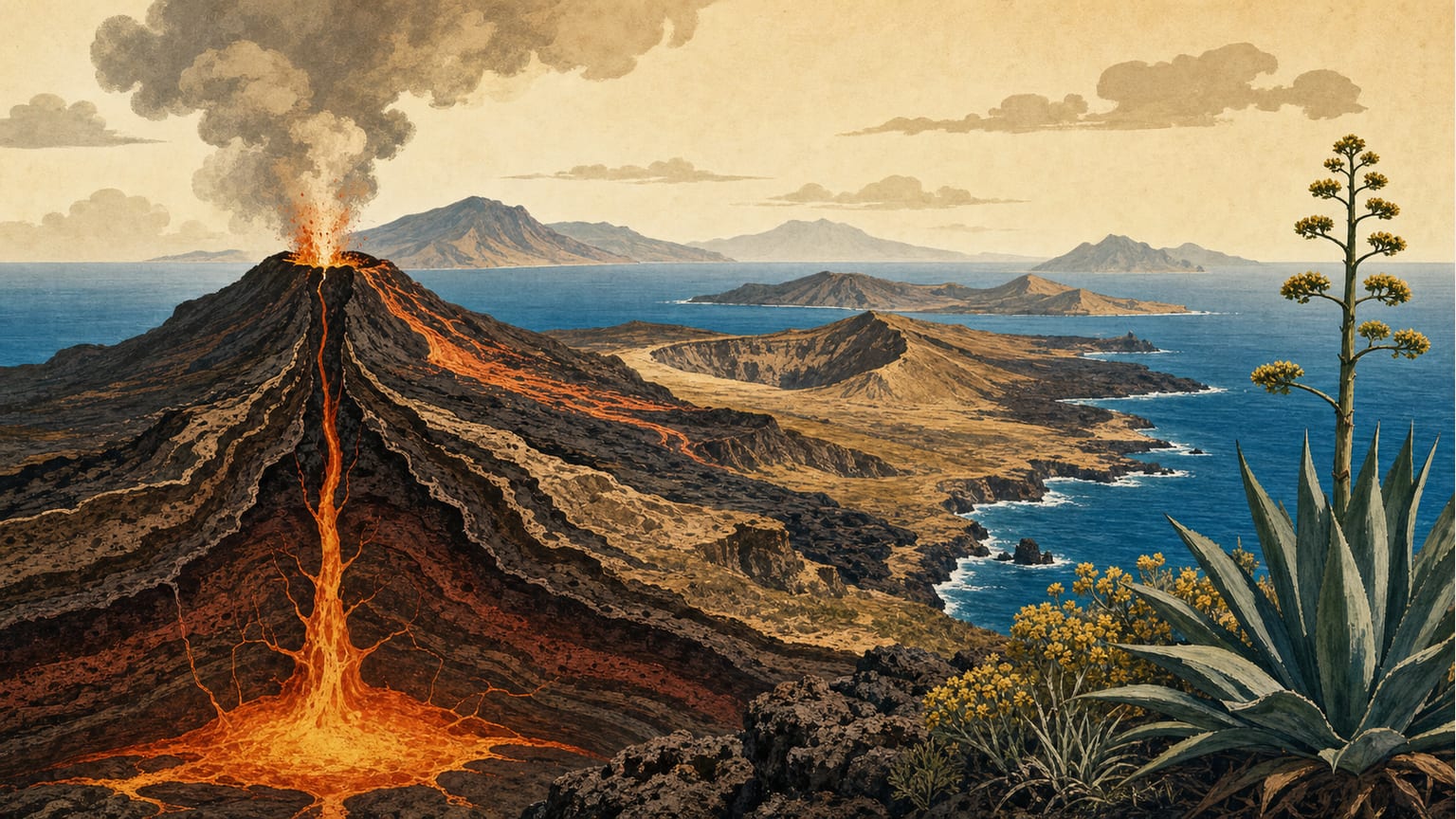
The temporal evolution of volcanism in the Canary Islands reveals a clear progression of ages and stages, fundamental for understanding the archipelago's formation and current volcanic risk.
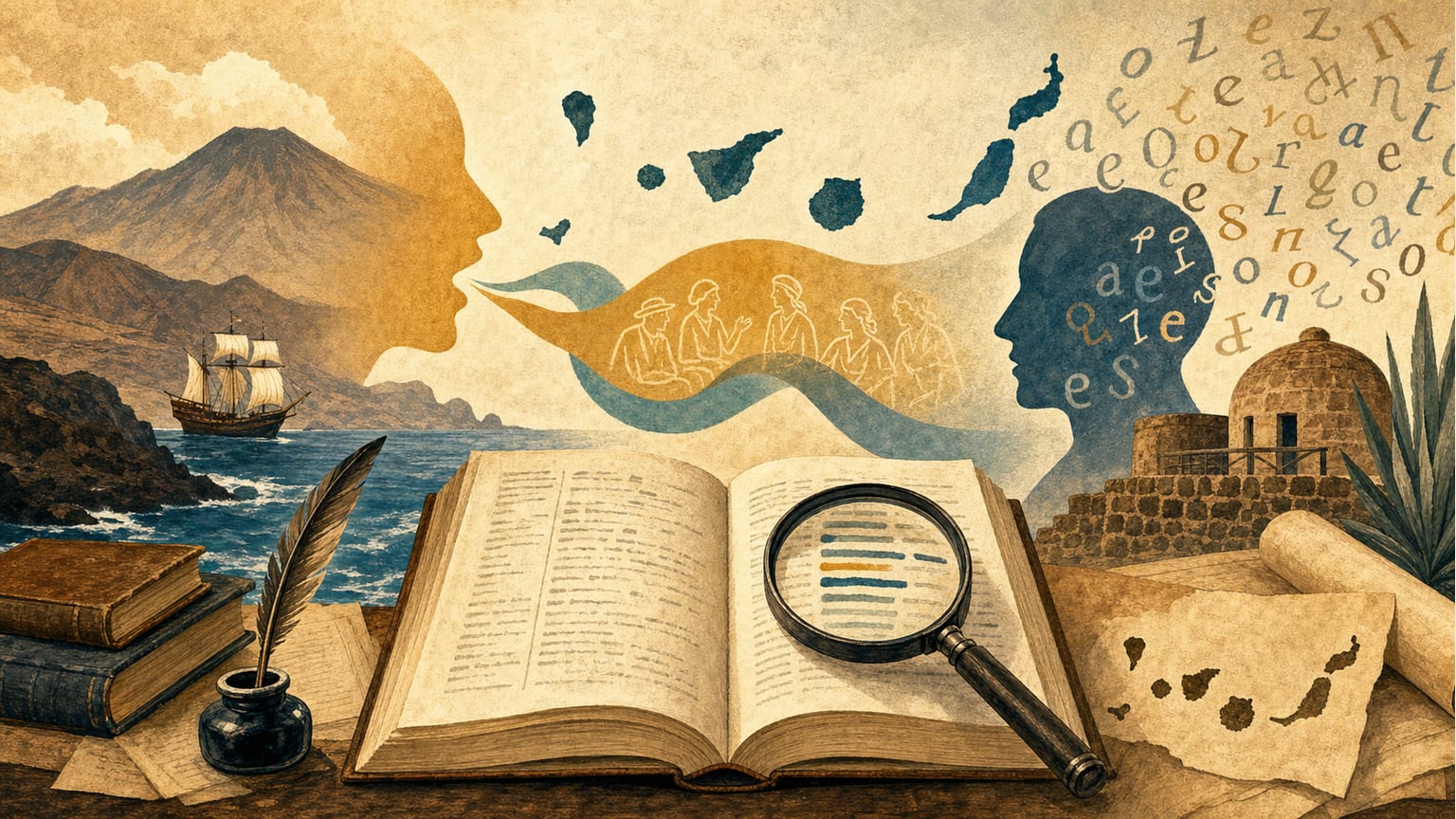
Gonzalo Ortega Ojeda's *Catálogo de los gentilicios canarios* analyzed the DRAE's treatment of Canarian gentilics in 2008. Eighteen years later, the DLE has corrected some of his critiques, but other omissions and nuances remain relevant.
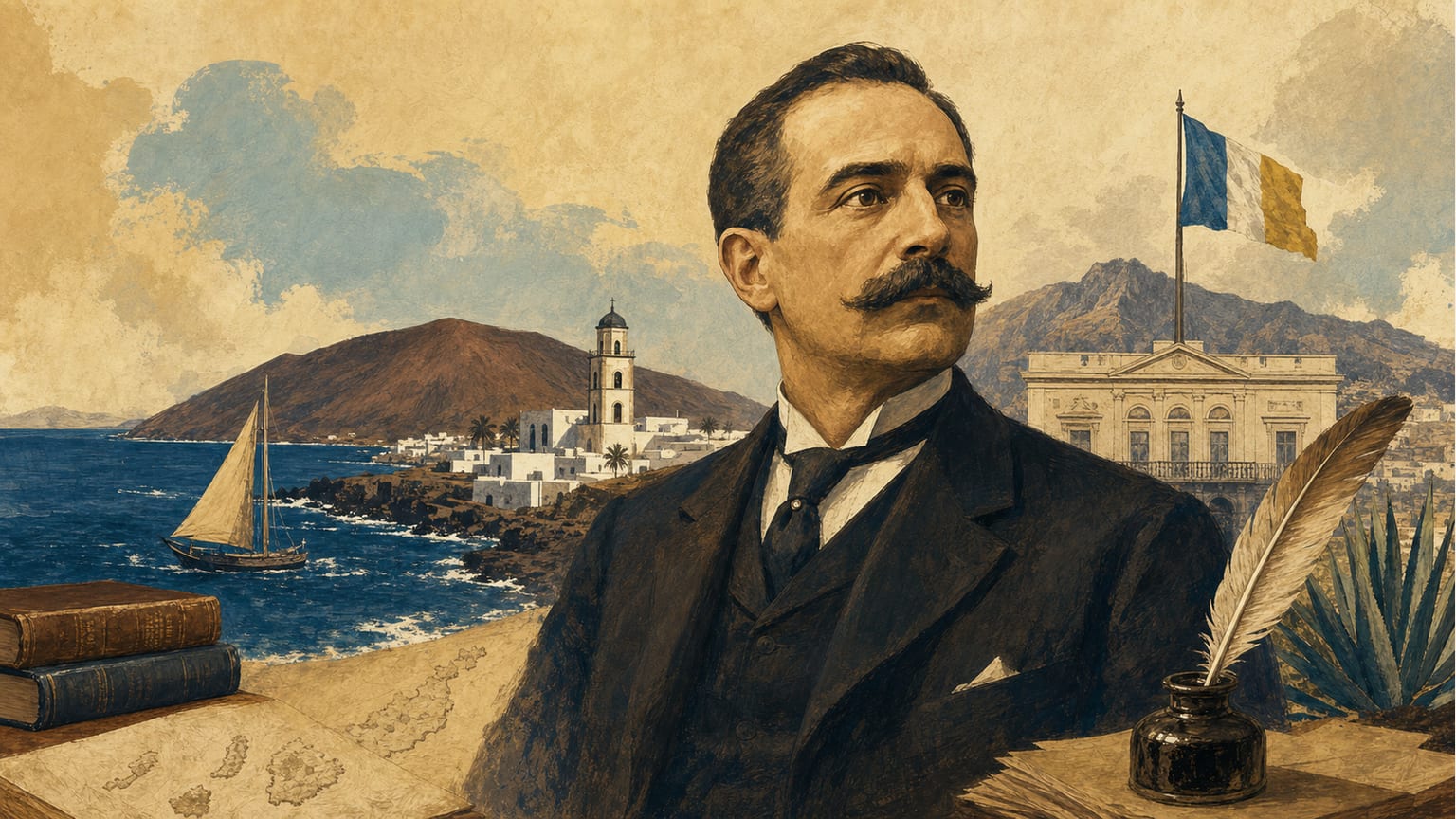
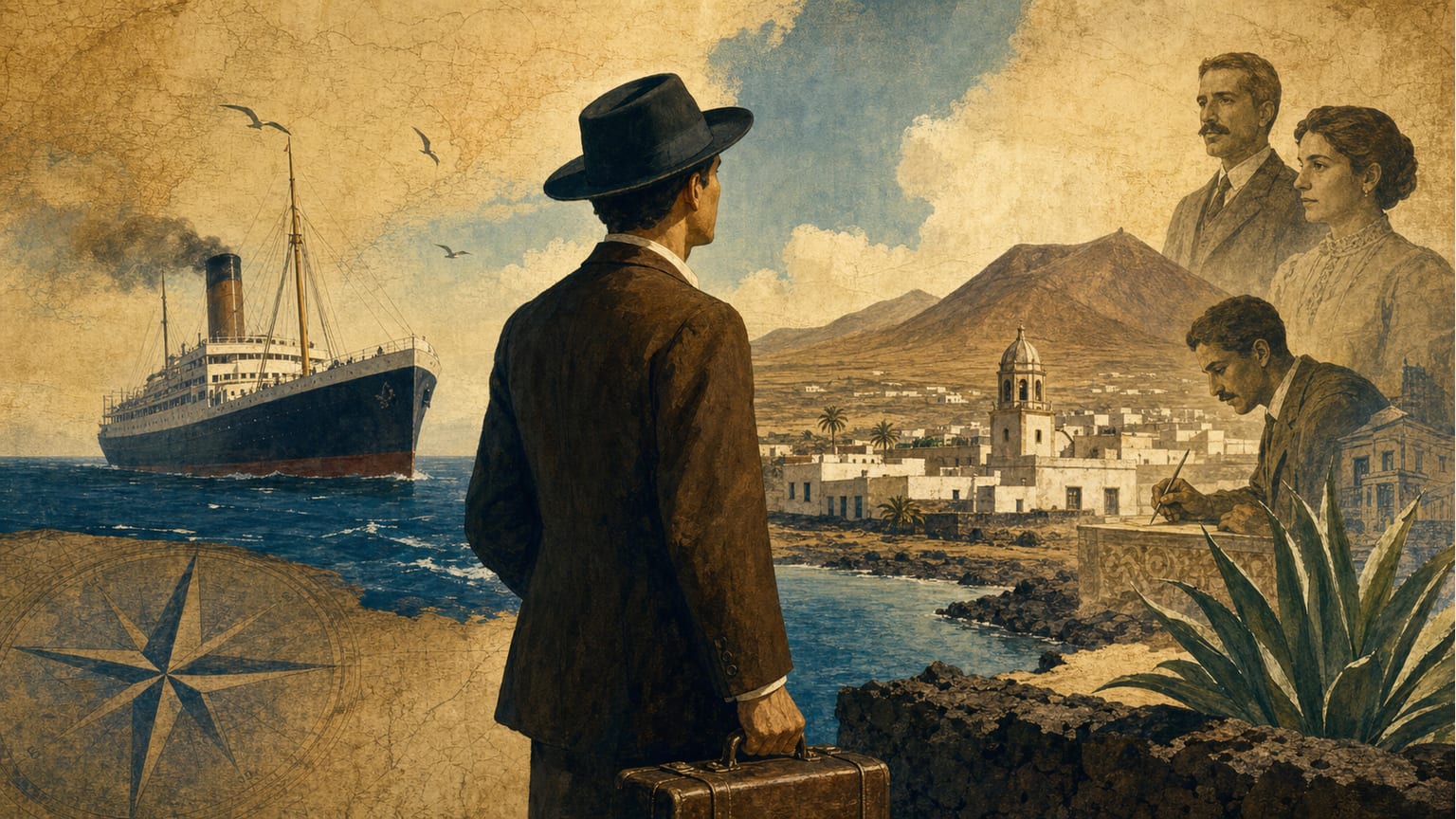
Benito Pérez Armas, born in Lanzarote, played a key role in Canarian politics and culture during the transition from the 19th to the 20th century, contributing to the development of regionalism and island identity.
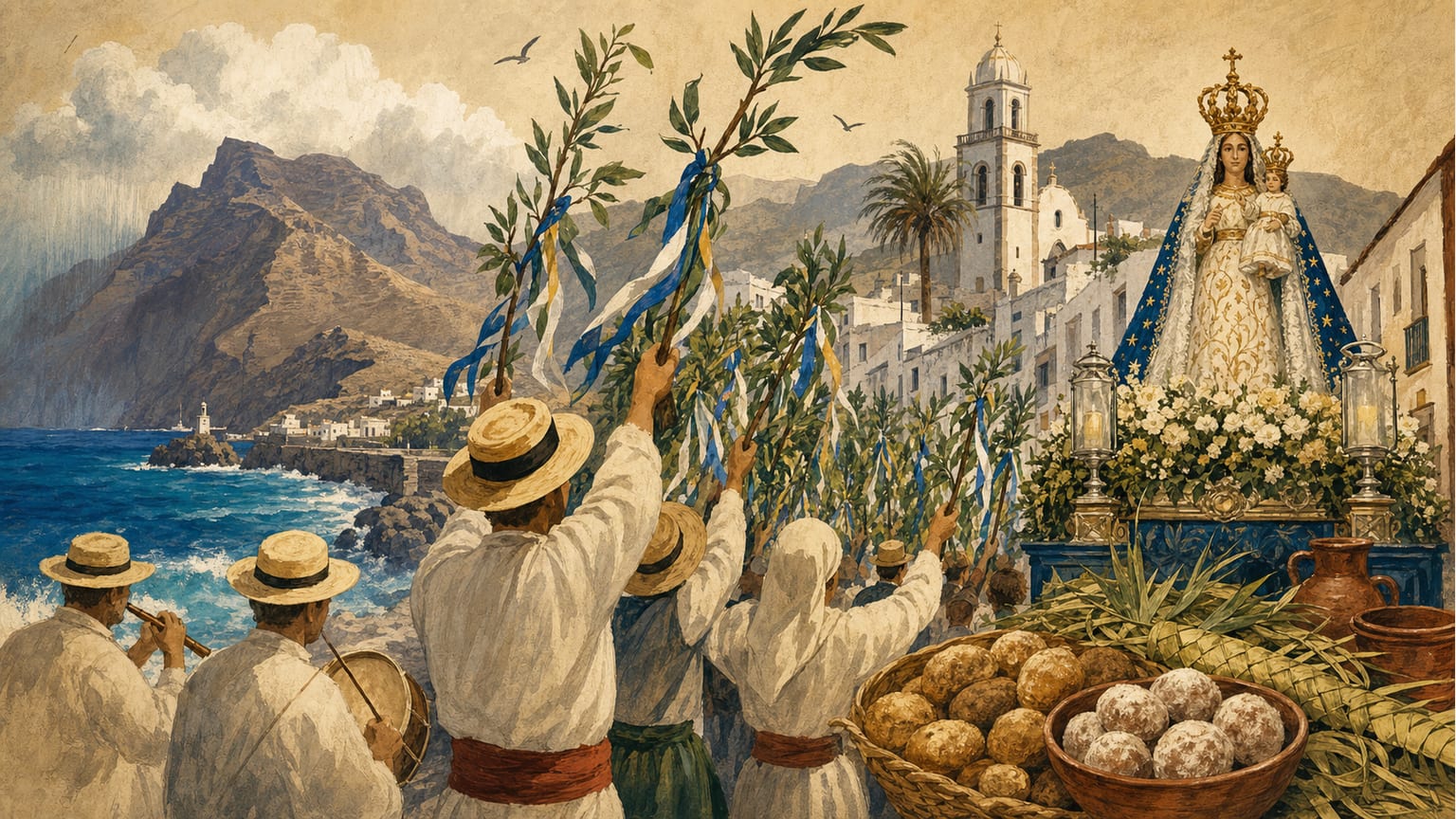
Every 4 August, thousands of people dance through Agaete carrying branches in a festival that brings together Indigenous imagery and devotion to Our Lady of the Snows.
The Doramas Forest, a vast woodland in northern Gran Canaria, was a key natural and historical landmark in the 15th century, noted for its lush vegetation and its association with the figure of Doramas.
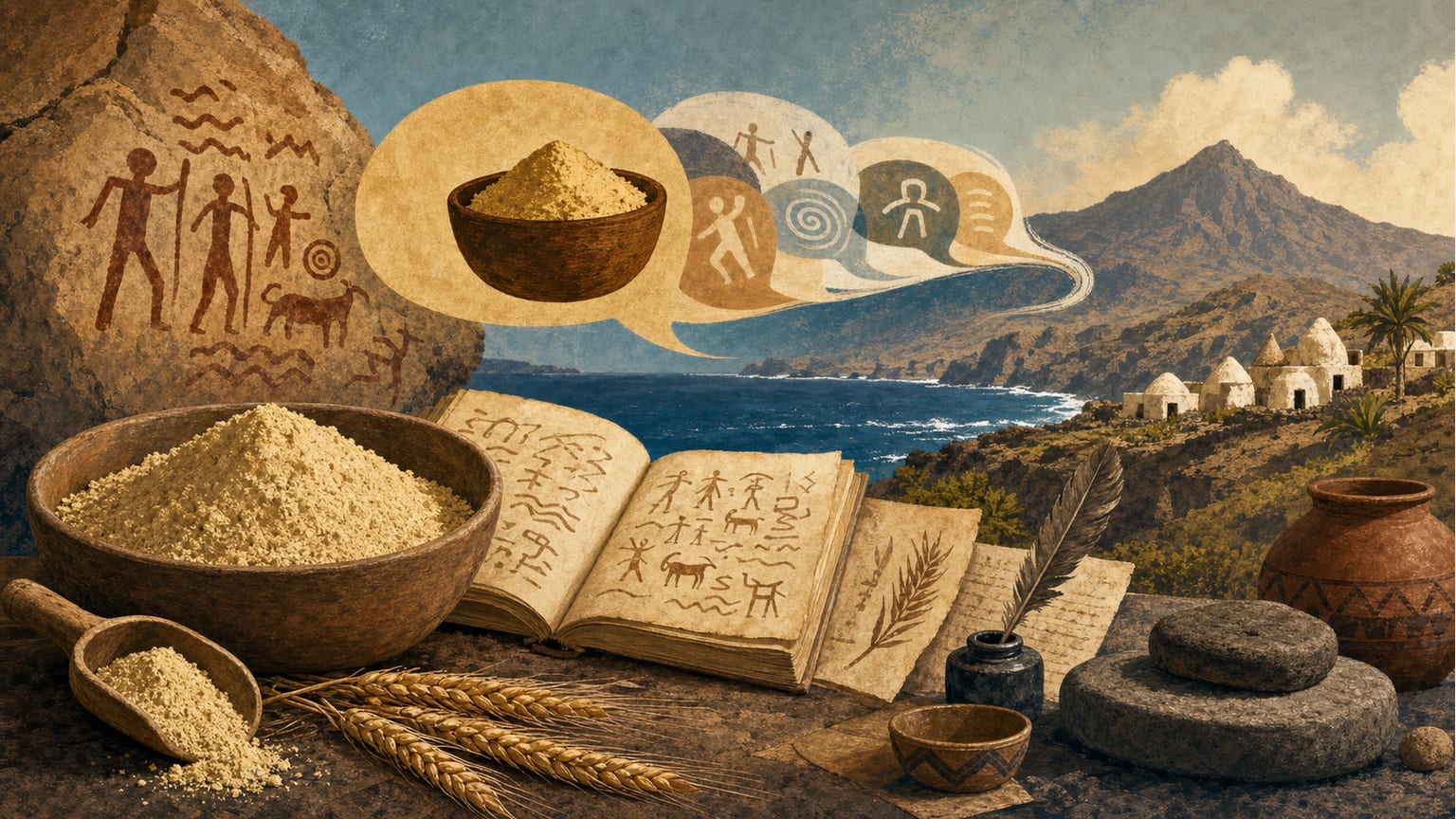
Gofio, heir to the roasted grains that fed the indigenous peoples of the Canary Islands, preserves a vocabulary of its own that reflects its cultural and social importance.
The Libro Vivo de la Educación Ambiental en Canarias gave the dragon tree its opening chapter and turned it into classroom material: how it was picked from the archipelago's symbols, and what pupils were asked to do with it in the field, in gardens, and in front of a painting by Bosch.
Archaeological research in Guía de Isora has revealed that the Guanches preferred surface settlements over caves, challenging traditional views of their habitation.
The Canary Island pine has played a key role in the forest history of the Canary Islands, adapting to volcanic conditions and human intervention from pre-Hispanic times to the present.
An analysis of the emigration of prominent Lanzarote figures in the 19th and 20th centuries, their destinations, and the impact of their return on the island.
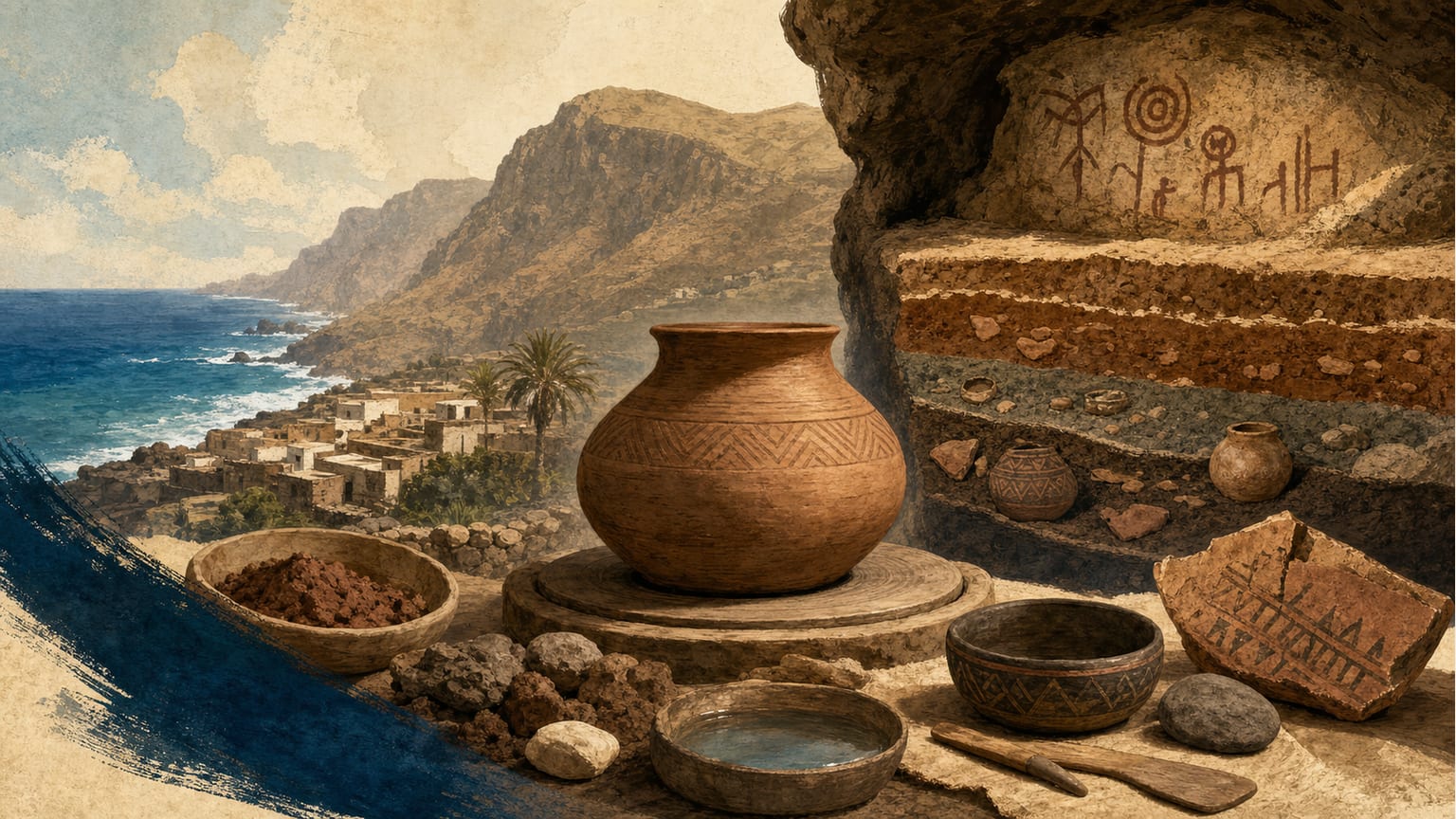
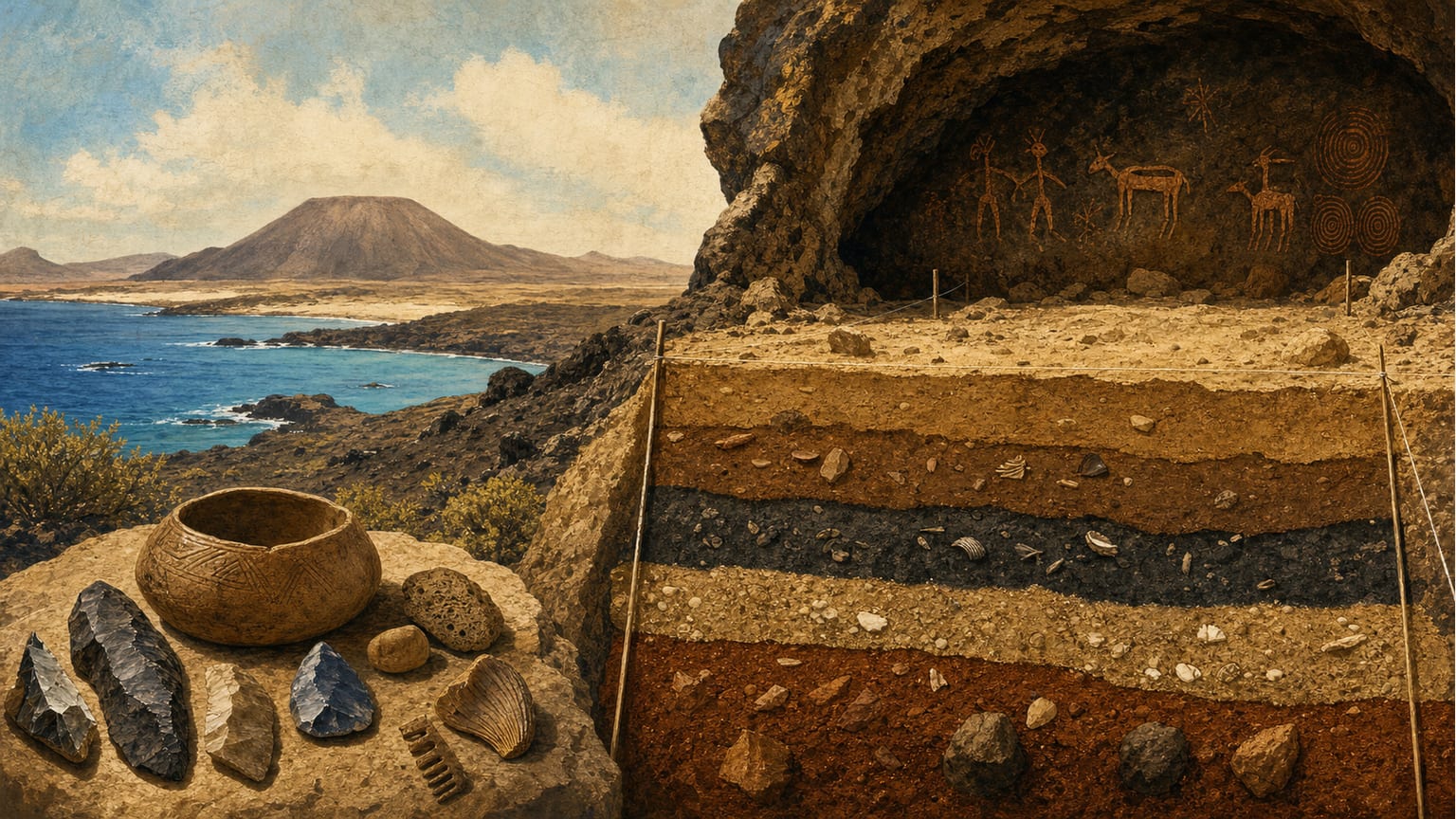
The stratigraphic sequence at El Bebedero reveals five distinct layers, providing key information about the cultural and environmental evolution of aboriginal Lanzarote.
An exploration of how seseo and other phonetic features shape the Canarian popular lexicon, based on Pablo Artiles' analysis of Gran Canaria's vernacular expressions.
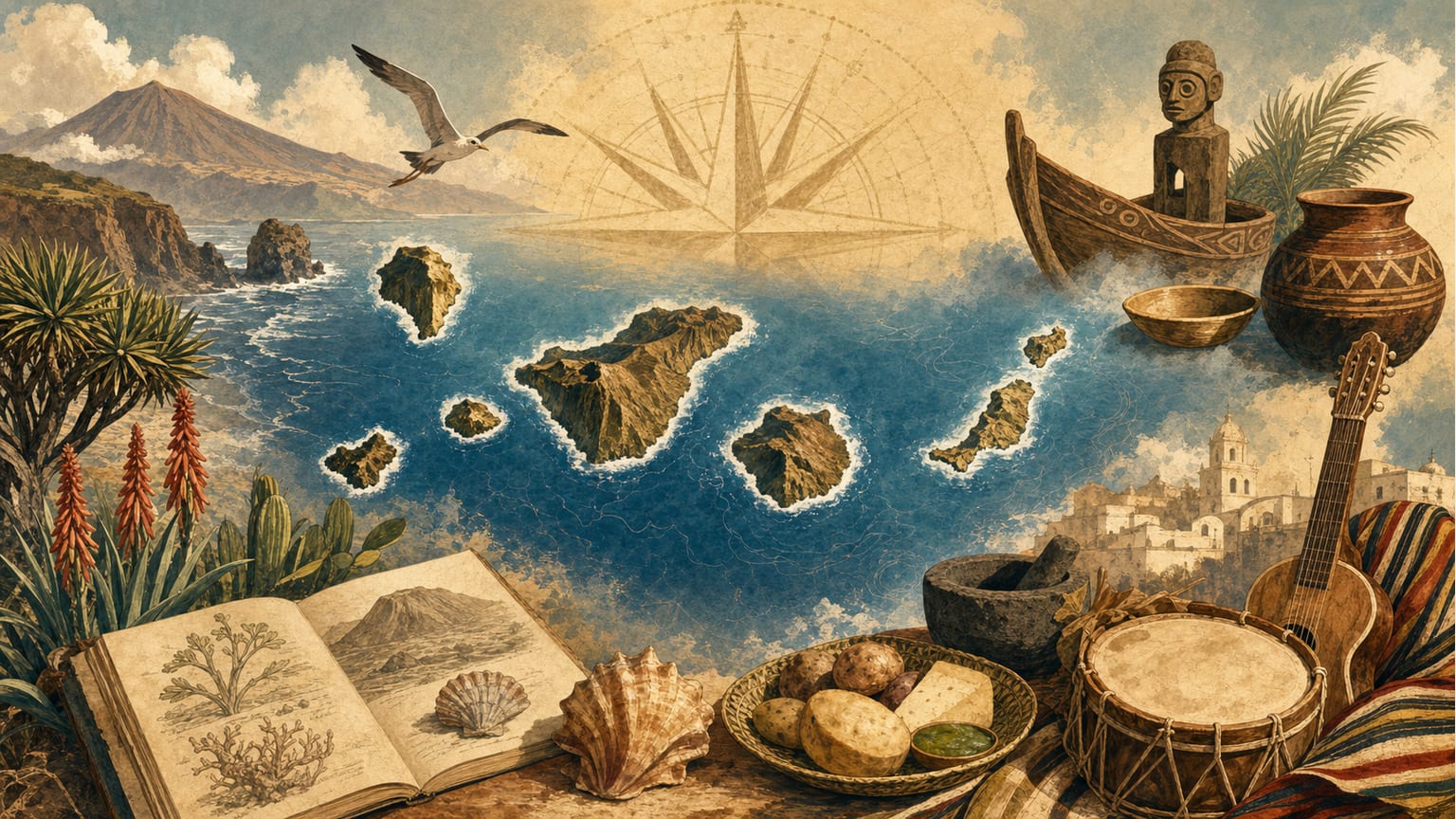
Nesology, or the science of islands, offers a multidisciplinary approach to the study of insular spaces, with special attention to the Canary Islands and their rich mythological and nomenclatural heritage.
Canarias Historia
Cookies and analytics
We use consent choice to decide whether usage analytics should be enabled. You can accept or reject analytics cookies; strictly necessary technical elements will still operate.