

Literature
A route through works, authors and readings showing how literature has narrated the Canaries, their absences, myths and forms of memory.
Writers, island myths and cultural memory in the construction of Canarian identity.
A route through works, authors and readings showing how literature has narrated the Canaries, their absences, myths and forms of memory.
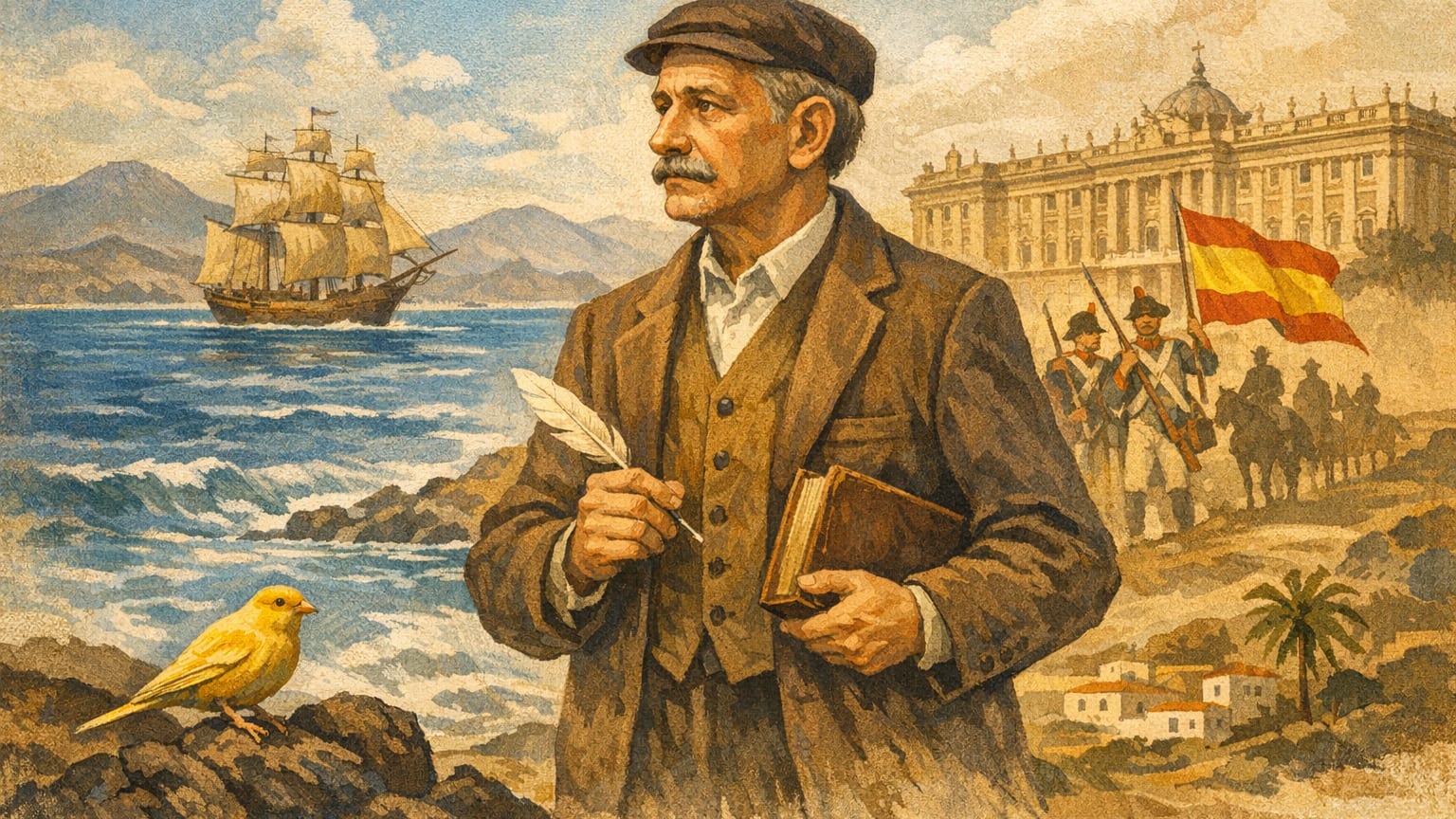
Benito Pérez Galdós rarely highlights his fellow Canarians in the Episodios Nacionales, a literary choice that reflects both his personal ties to the islands and his vision of Spanish history.
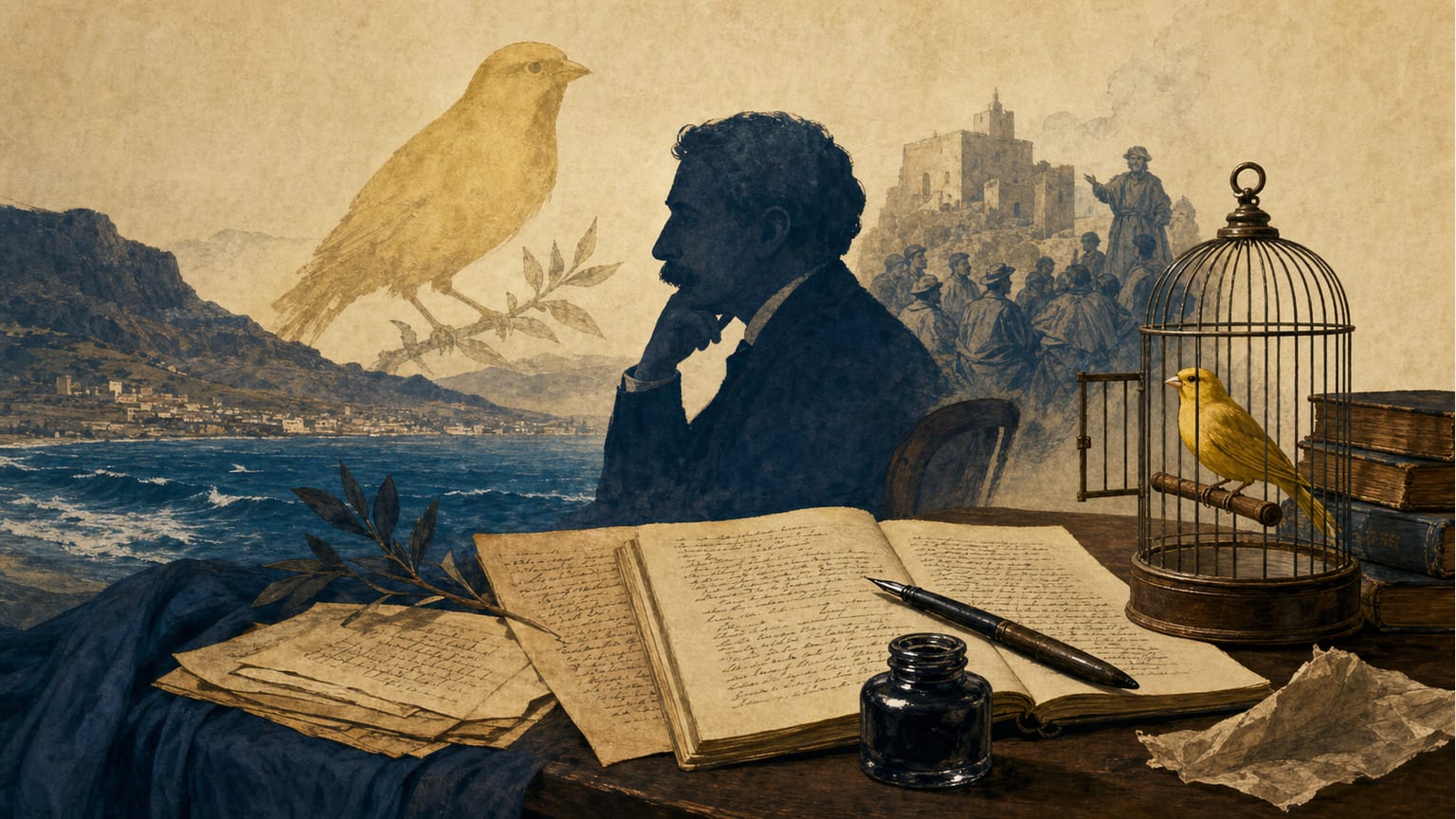
The canary bird, a symbol of the islands, is almost absent from Galdós' National Episodes, reflecting both his relationship with his homeland and his literary caution.
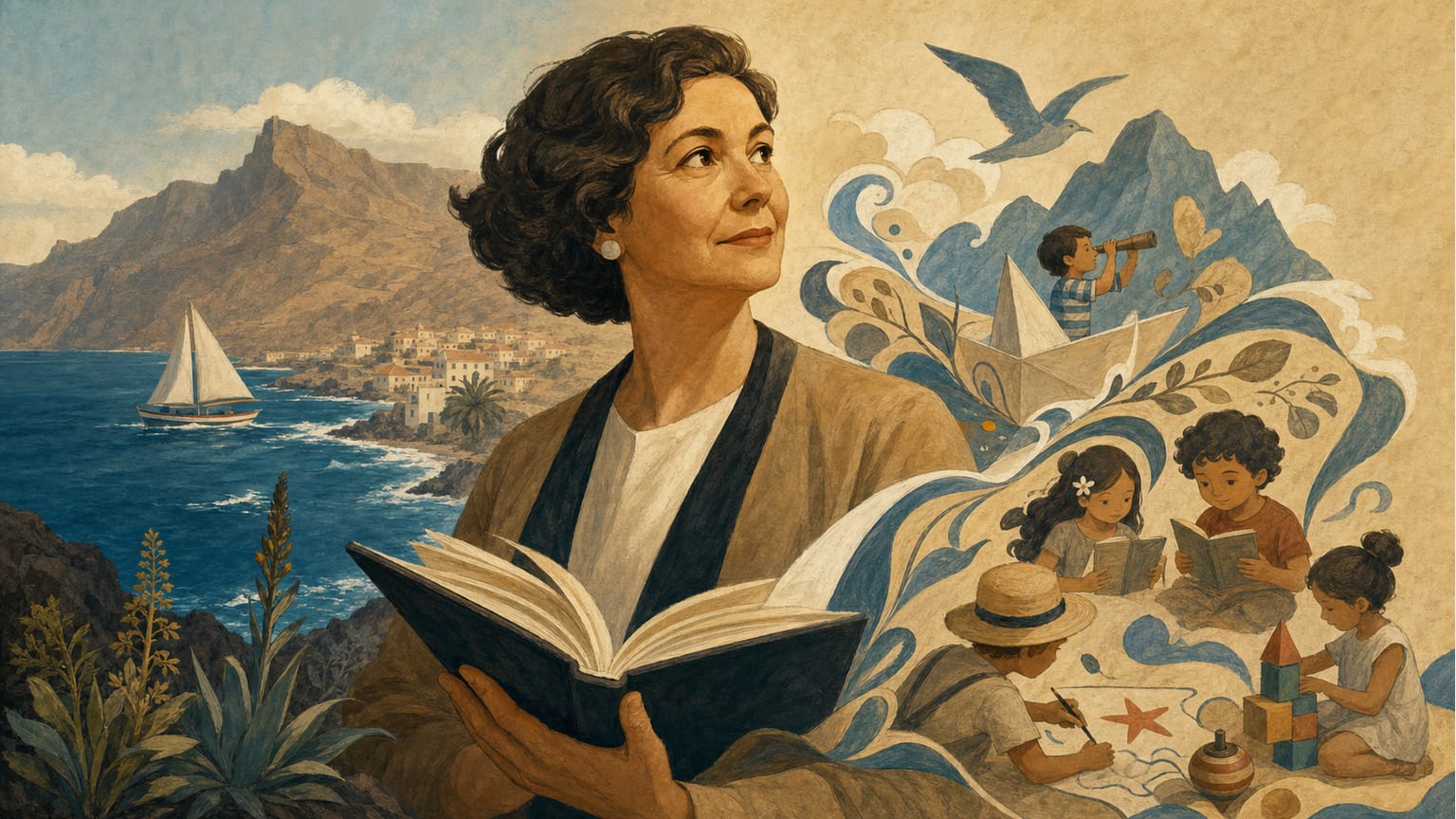
Pepa Aurora has transformed children's literature in the Canary Islands, creating a vibrant world of stories and poems that have inspired generations of children and educators.
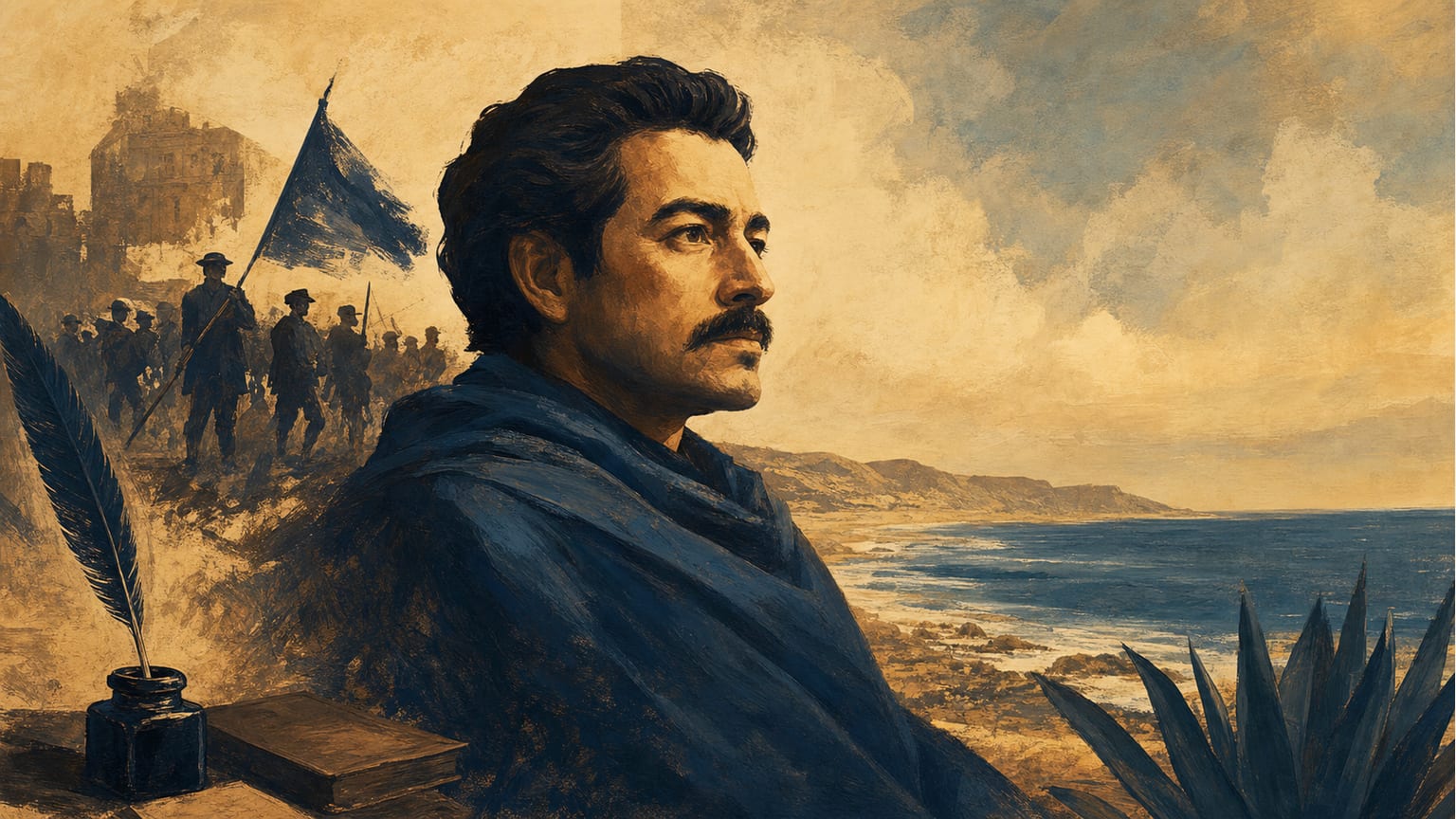
Saulo Torón’s long public silence as a poet was a personal and political response to historical upheaval, revealing his deep commitment to poetry and freedom.
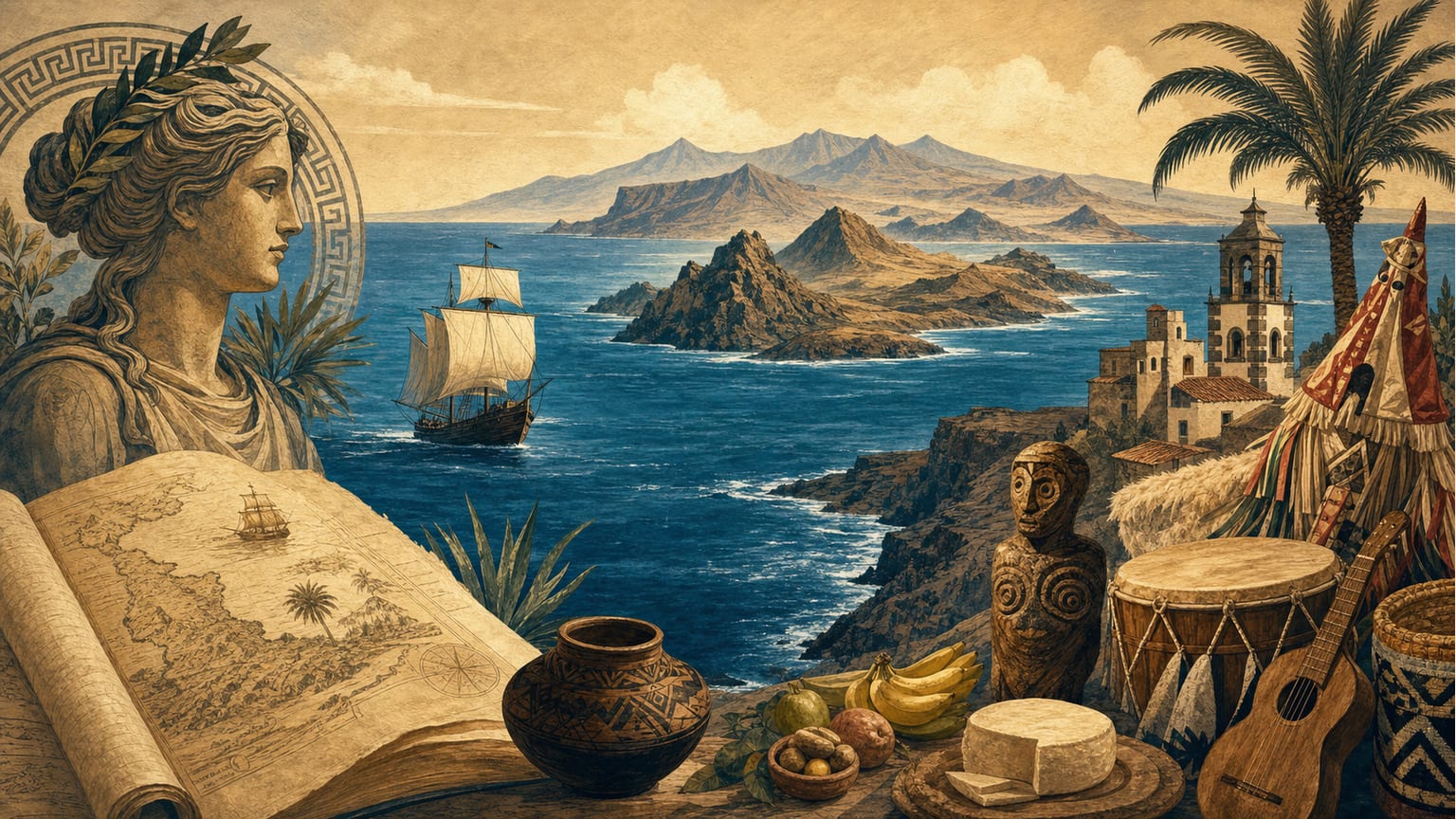
Discover how the myth of the Isles of the Blest shaped the identity and perception of the Canary Islands from ancient Greek literature to modern times.
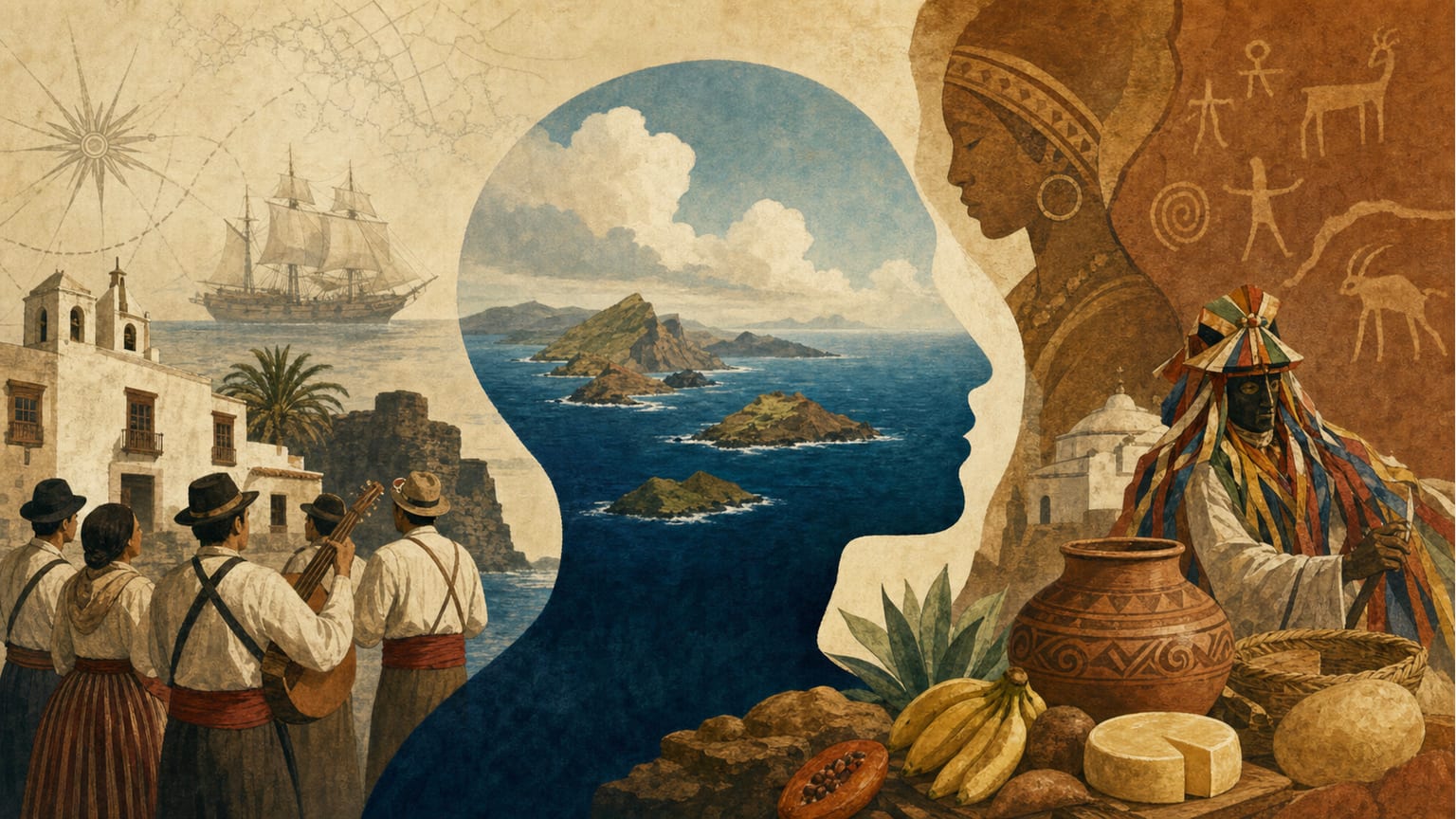
The insularity of the Canary Islands has long been a myth that conceals their complex social reality and African ties. This article explores how this image has shaped Canarian identity and its representation.
Canon and poet
1538 - 1610
Meet figures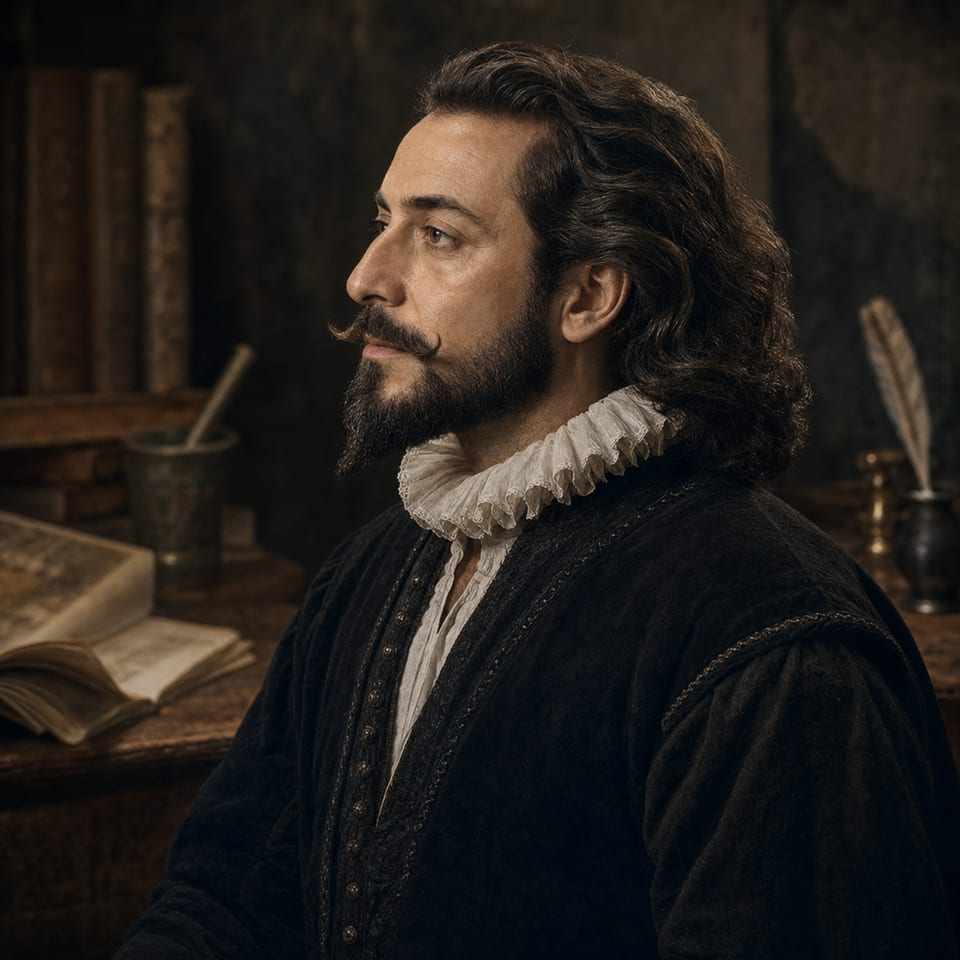
Physician and poet
1578 - c. 1650
Meet figures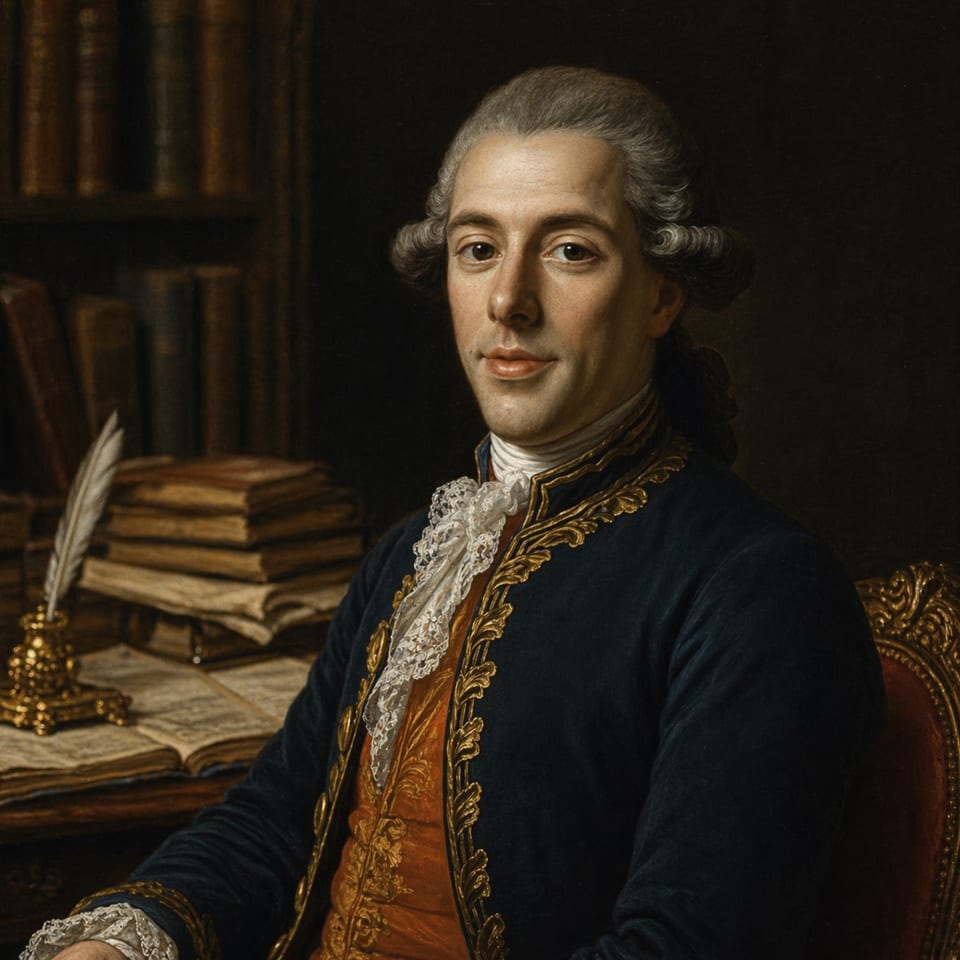
Neoclassical poet and fabulist
1750 - 1791
Meet figures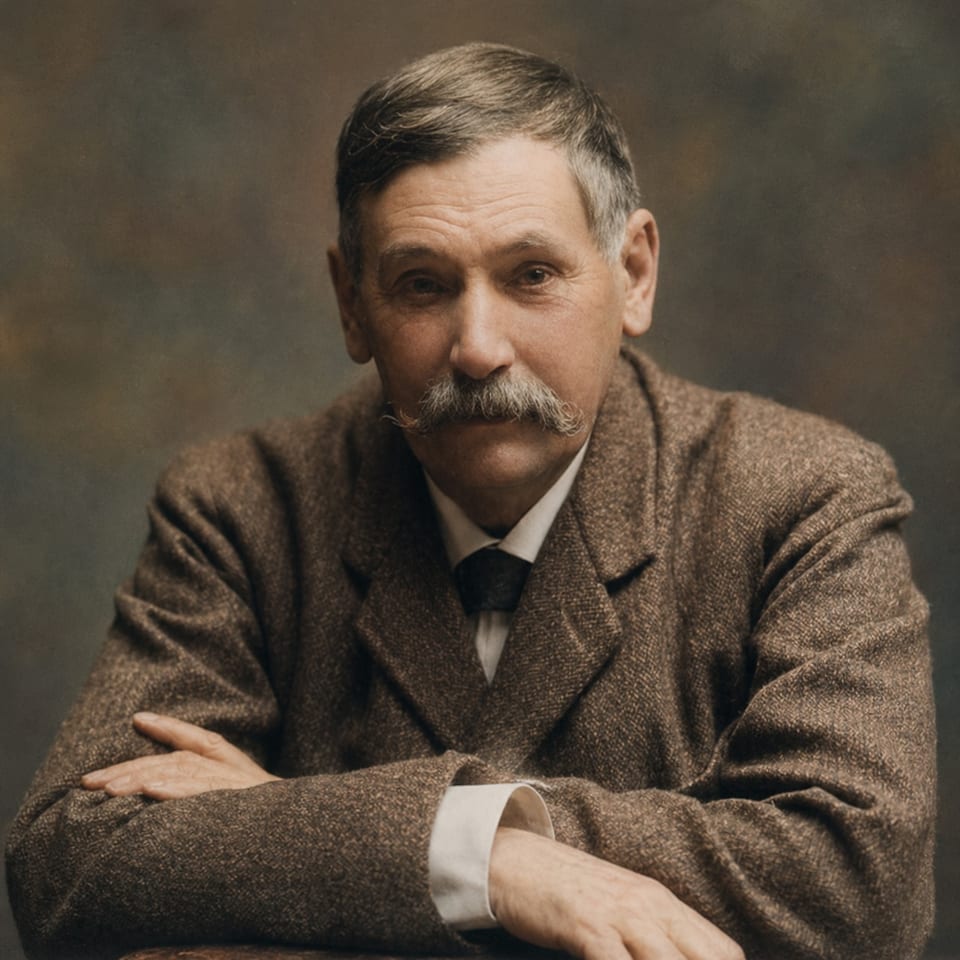
Writer and politician
1843 - 1920
Meet figures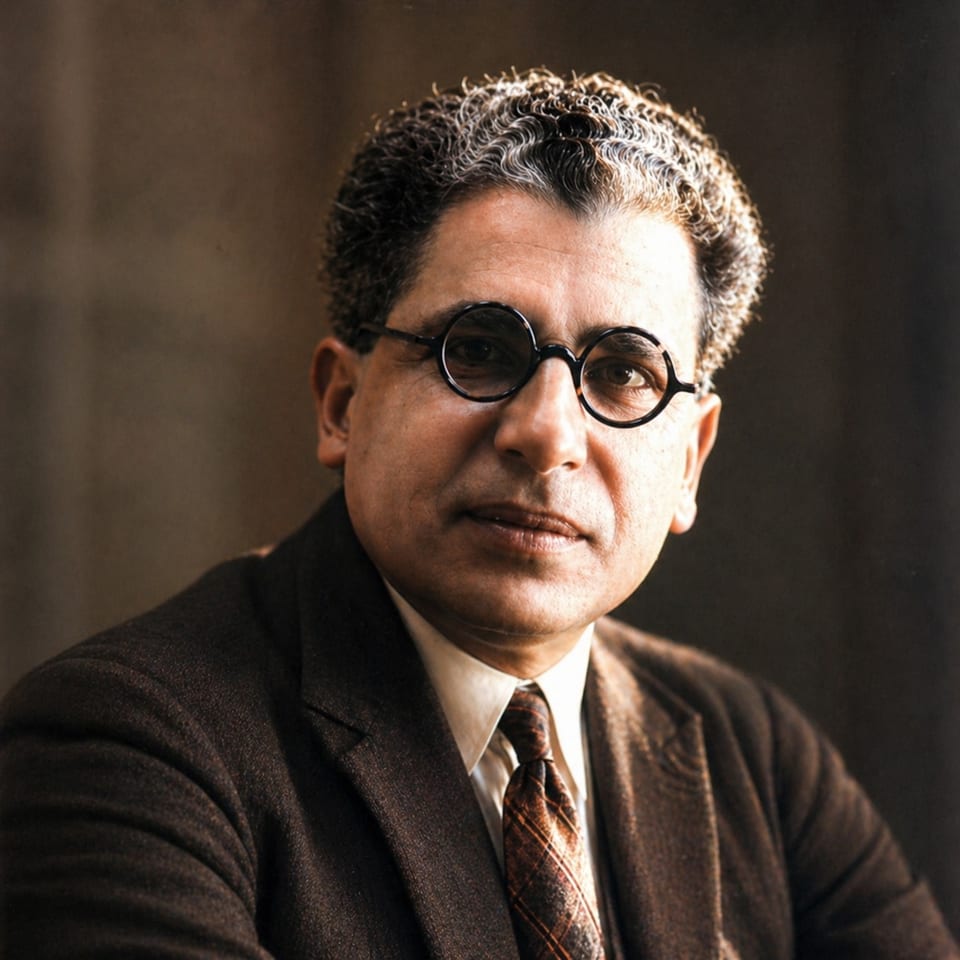
Poetry
1885 - 1974
Meet figures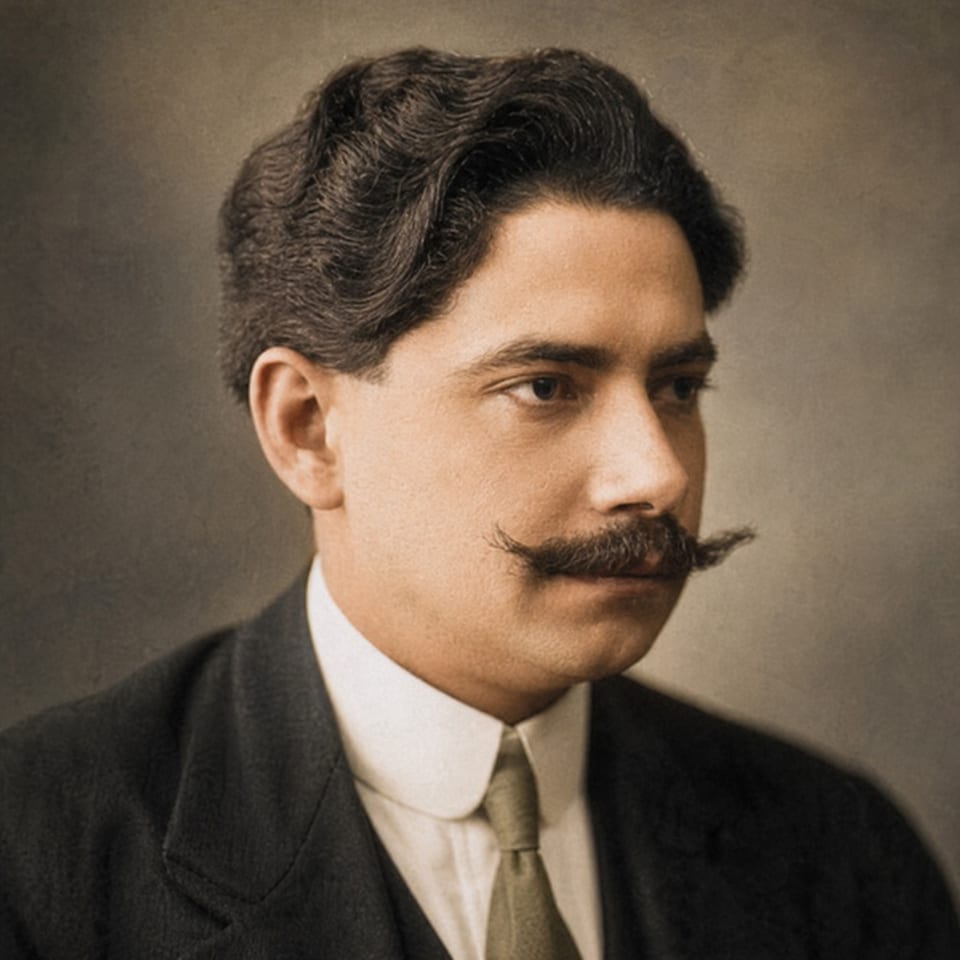
Poetry
1884 - 1921
Meet figures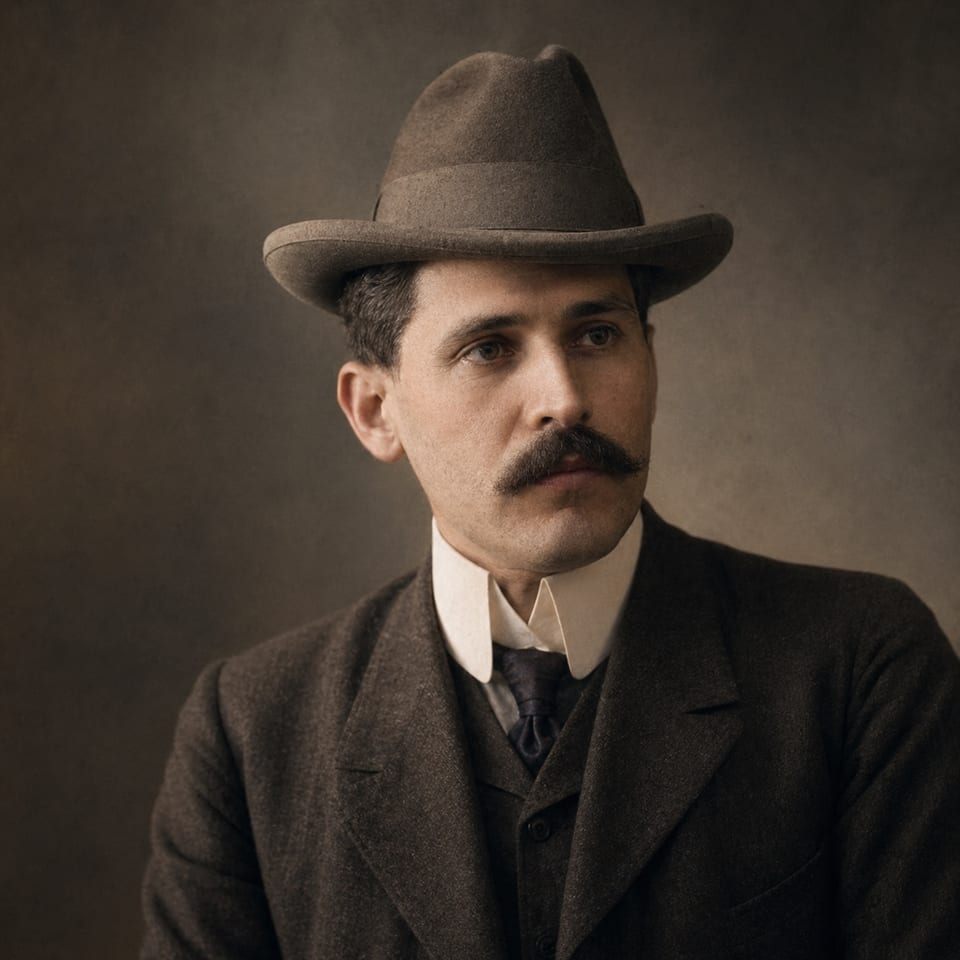
Writer, politician
1874 - 1950
Meet figures