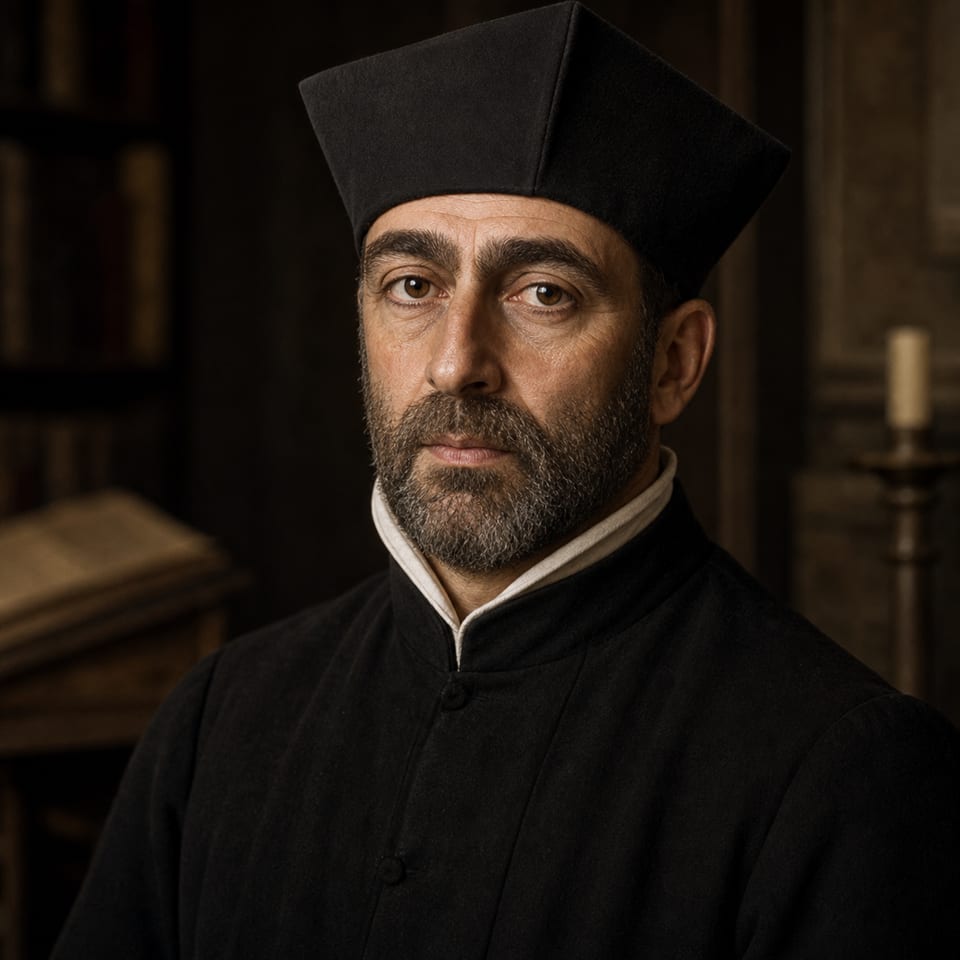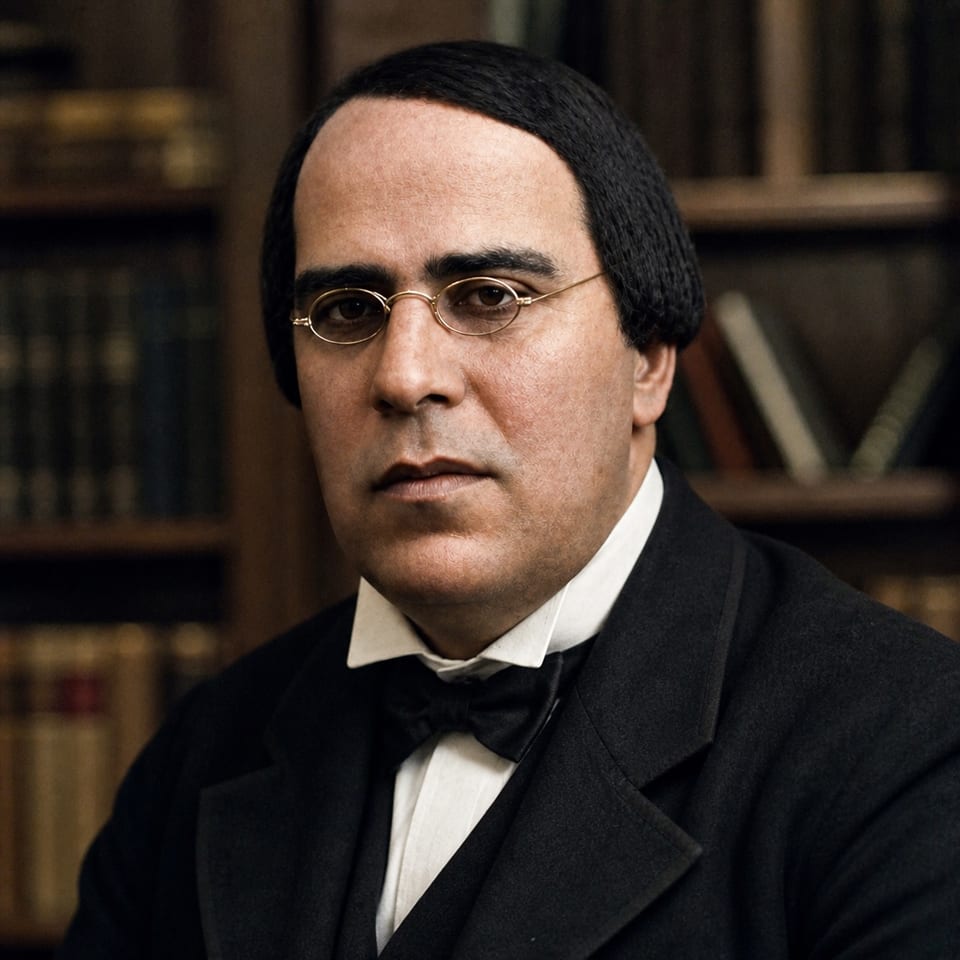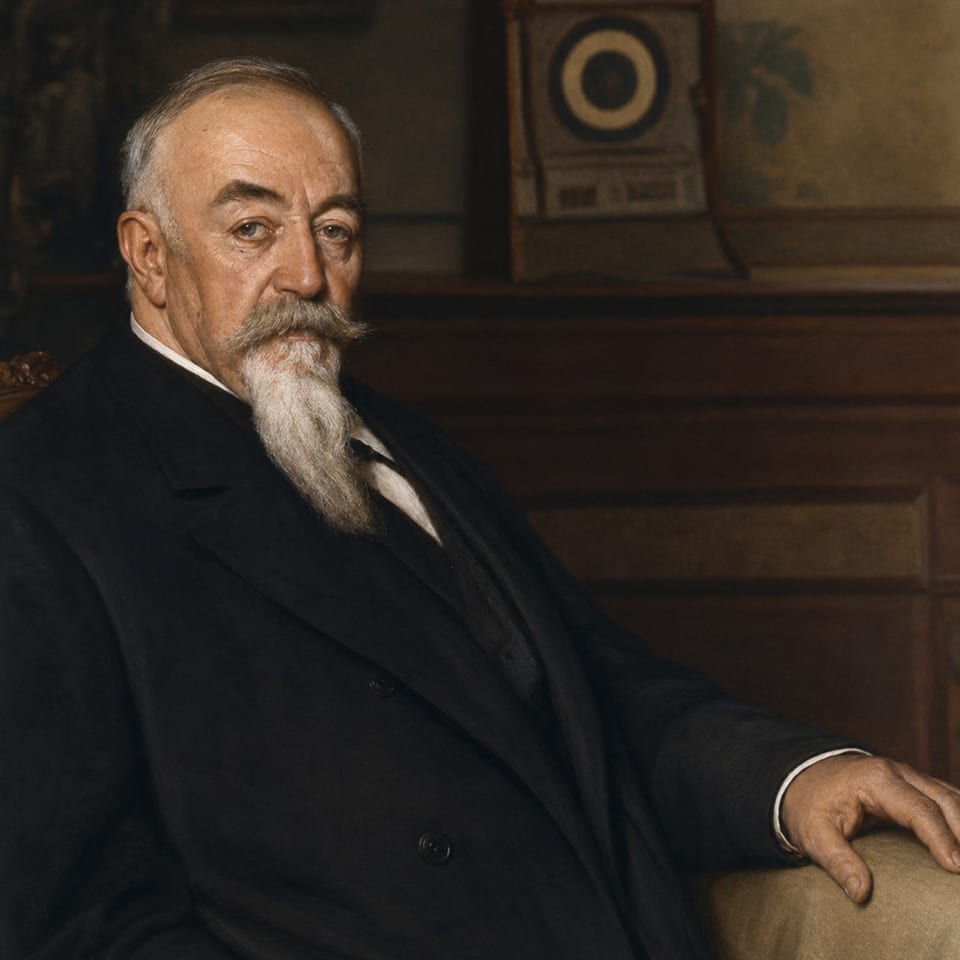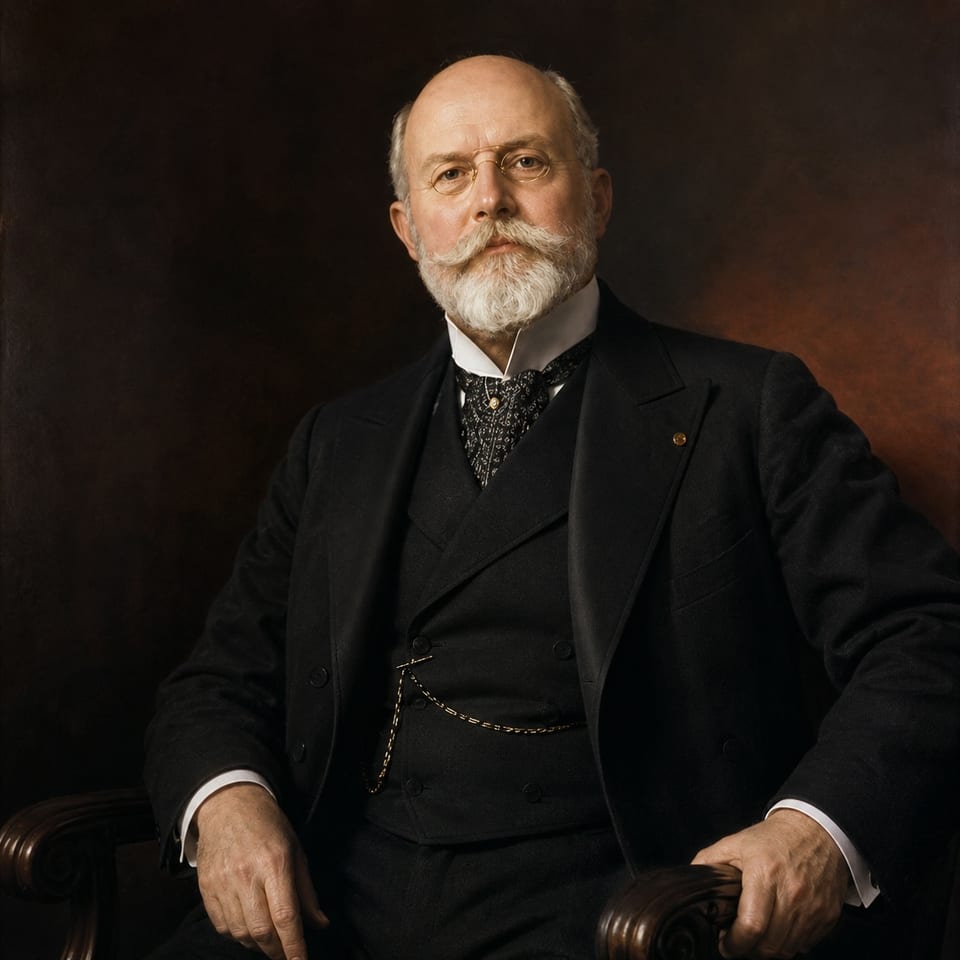
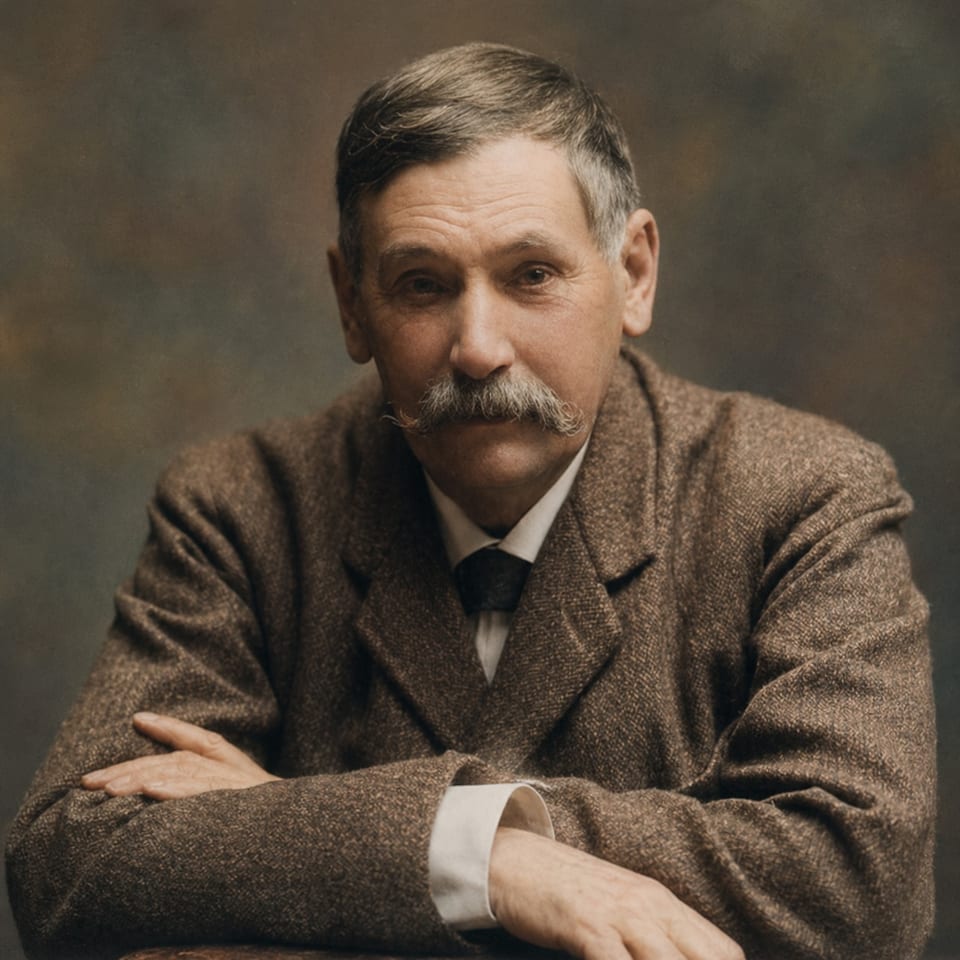
Writer and playwright born in Las Palmas, considered one of the greatest Spanish novelists after Cervantes. Author of "National Episodes".
Benito Pérez Galdós was born in Las Palmas de Gran Canaria in 1843 and moved to Madrid at nineteen to study law. He soon abandoned his studies to devote himself to journalism and literature. His first major novel, La Fontana de Oro (1870), already displayed the historical and social concerns that would run through his entire work. What distinguished him immediately was his ambition: to portray Spain in its entirety, with its miseries, its fanaticism and its transformative potential.
The National Episodes — forty-six novels in five series — constitute the greatest narrative enterprise in Spanish literature after Don Quixote. Galdós reconstructed a hundred years of Spanish history, from the Battle of Trafalgar to the Restoration, combining fictional characters with real figures. Simultaneously he wrote novels of profound social analysis: Fortunata and Jacinta, Miau, Misericordia. His vision of Madrid as a complete moral universe has no parallel in nineteenth-century Hispanic letters.
Despite his monumental work, Galdós did not receive the Nobel Prize, partly due to opposition from conservative and ecclesiastical sectors who accused him of anticlericalism. He died in Madrid in 1920, nearly blind and impoverished. Las Palmas de Gran Canaria honours him permanently: the Pérez Galdós House Museum in his birthplace, the park bearing his name, and the island's airport are all dedicated to his memory.