

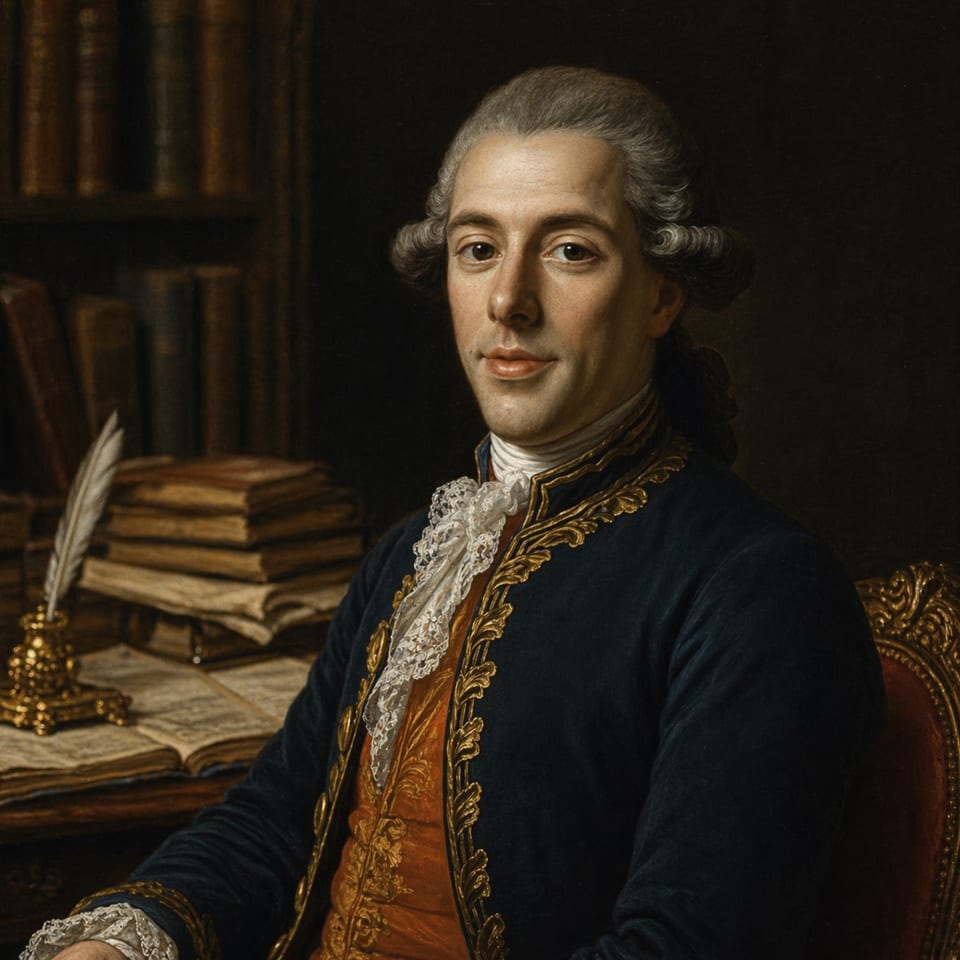
Conquista Literature 18th Century Enlightenment poet and fabulist
Neoclassical poet and fabulist
Neoclassical fabulist and poet born in Puerto de la Cruz. Author of "Literary Fables" and a prominent figure of the Spanish Enlightenment.
Neoclassical poet and fabulist · 1750–1791
Neoclassical poet and fabulist
Neoclassical fabulist and poet born in Puerto de la Cruz. Author of "Literary Fables" and a prominent figure of the Spanish Enlightenment.
Tomás de Iriarte was born on 18 September 1750 in Puerto de la Cruz, Tenerife. He belonged to an educated family with important connections at the Spanish court: his uncle Juan de Iriarte was Royal Librarian and a renowned Hellenist. At fourteen he went to Madrid to complete his education and never returned to the Canaries. In the capital he became a central figure in the literary and intellectual life of 18th-century Spain.
He worked as a translator at the Secretaría de Estado and was archivist of the Secretaría de la Interpretación de Lenguas, which gave him privileged access to European culture. He translated works by Voltaire, Metastasio and other Enlightenment authors. His most celebrated work is the 'Fábulas literarias' (1782), a collection of 76 verse fables that use animals to criticise the vices of the literary world and defend the aesthetic principles of neoclassicism. They were translated into several languages and brought him international fame.
A sharp polemicist and defender of neoclassicism against baroque theatre, he engaged in noisy literary disputes with contemporaries such as Forner. He also wrote the didactic poem 'La música' (1779), the first work in Castilian devoted entirely to music theory. He died in Madrid on 17 September 1791, barely 40 years old. His precocity and versatility make him one of the most brilliant figures of the Spanish Enlightenment.
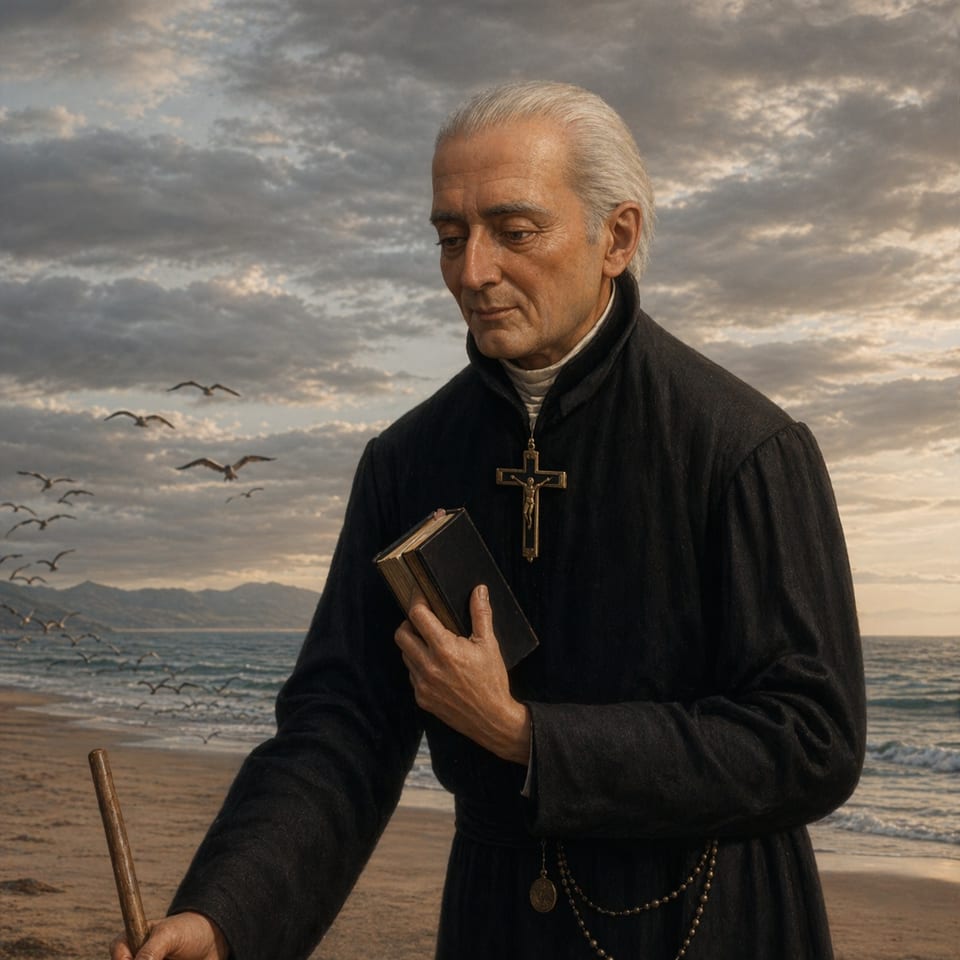
Jesuit missionary and saint
1534 - 1597
Meet figures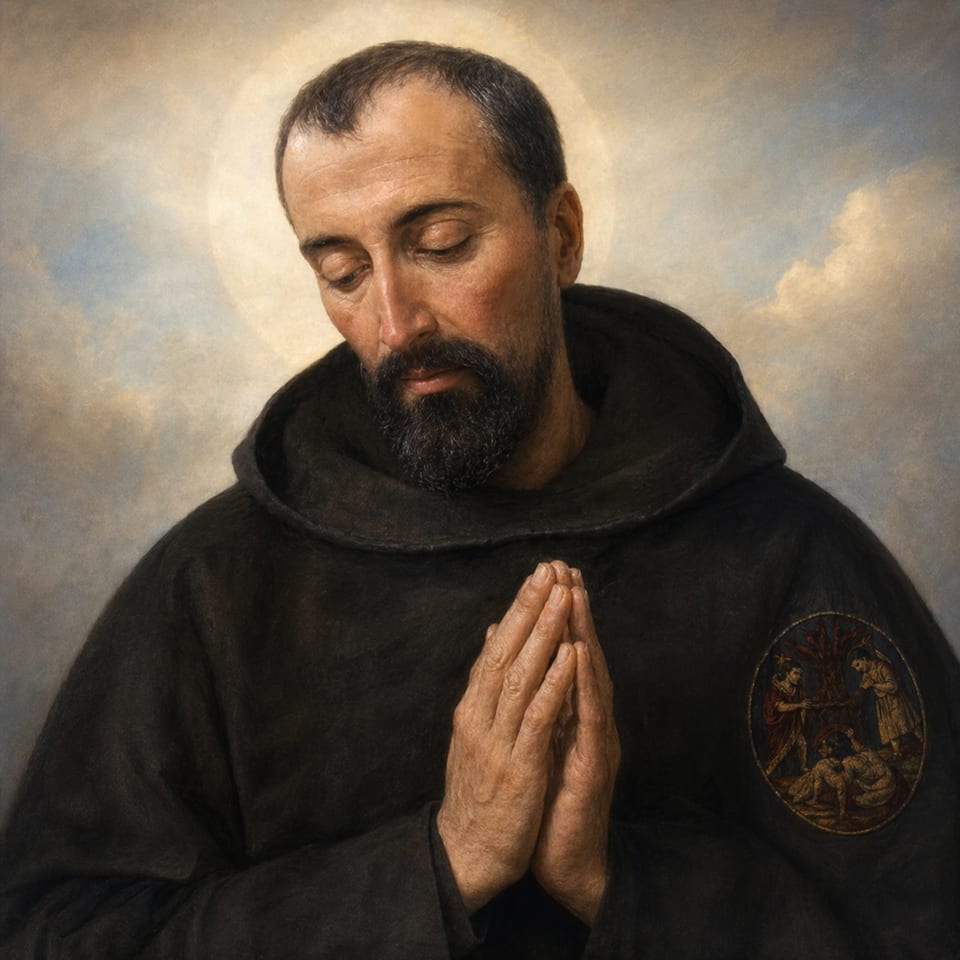
Missionary and saint
1626 - 1667
Meet figures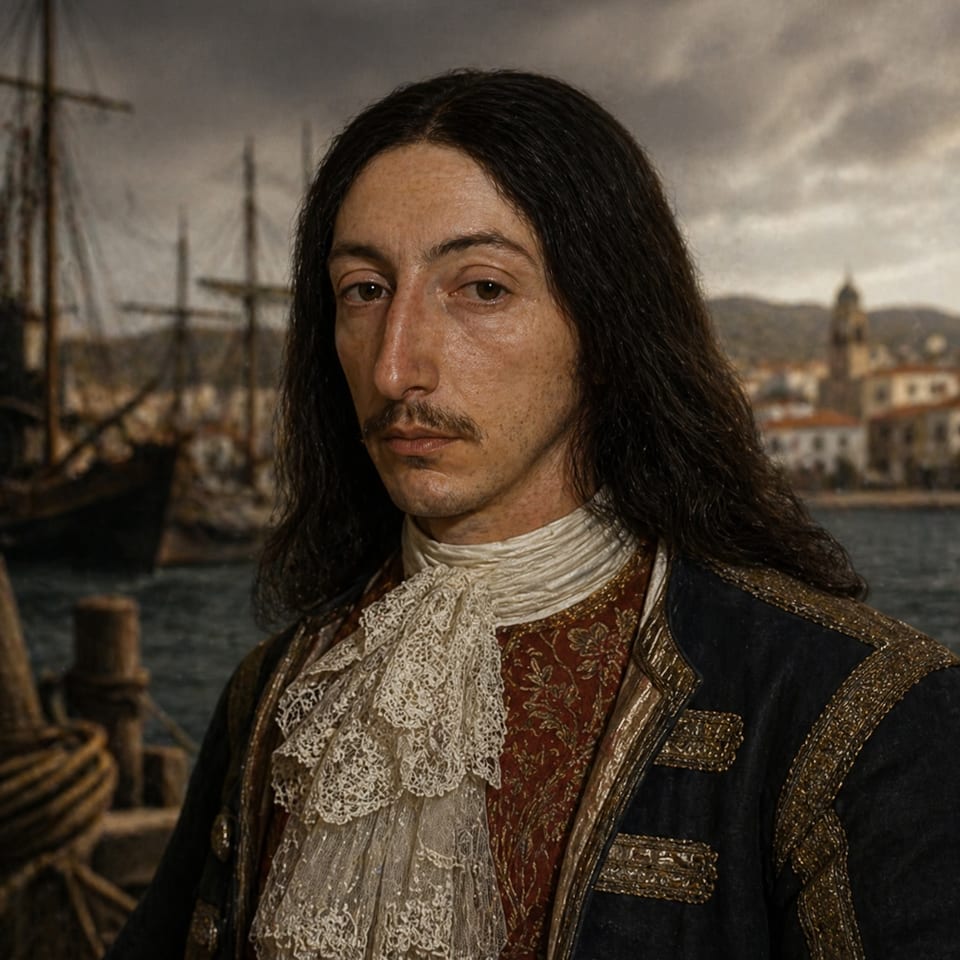
Privateer and merchant
1678 - 1747
Meet figures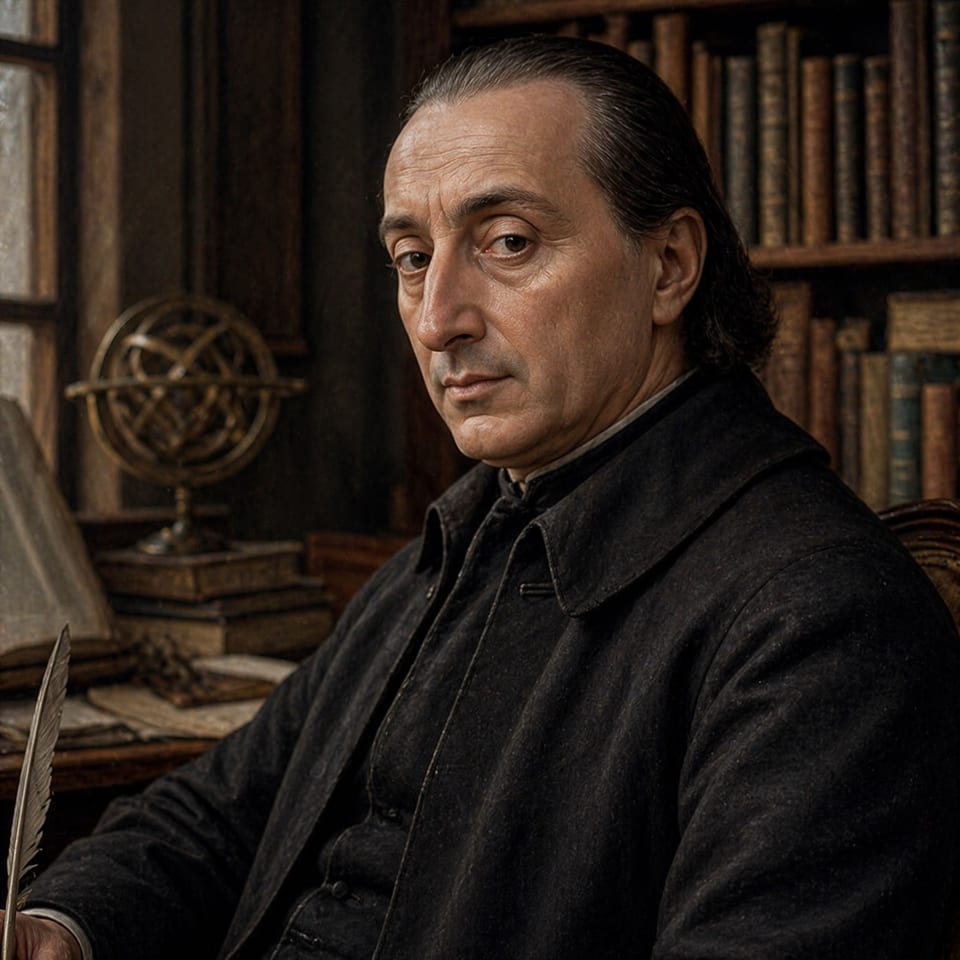
Enlightenment historian and naturalist
1731 - 1813
Meet figures