

Permanent settlement came relatively late compared with other islands in the archipelago, and for a long time it functioned as a territory linked to seasonal uses, navigation and the exploitation of marine resources. Its official recognition as the eighth inhabited island in 2018 reinforced an identity already deeply rooted among its inhabitants.
Permanent settlement came relatively late compared with other islands in the archipelago, and for a long time it functioned as a territory linked to seasonal uses, navigation and the exploitation of marine resources. Its official recognition as the eighth inhabited island in 2018 reinforced an identity already deeply rooted among its inhabitants.
Among its main reference points are Domestic scale, Protected landscape, Recent recognition, which connect landscape, memory and everyday life. This historical reading connects settlement, conquest, economy, institutions, migrations and cultural memory rather than reducing the island to isolated dates.
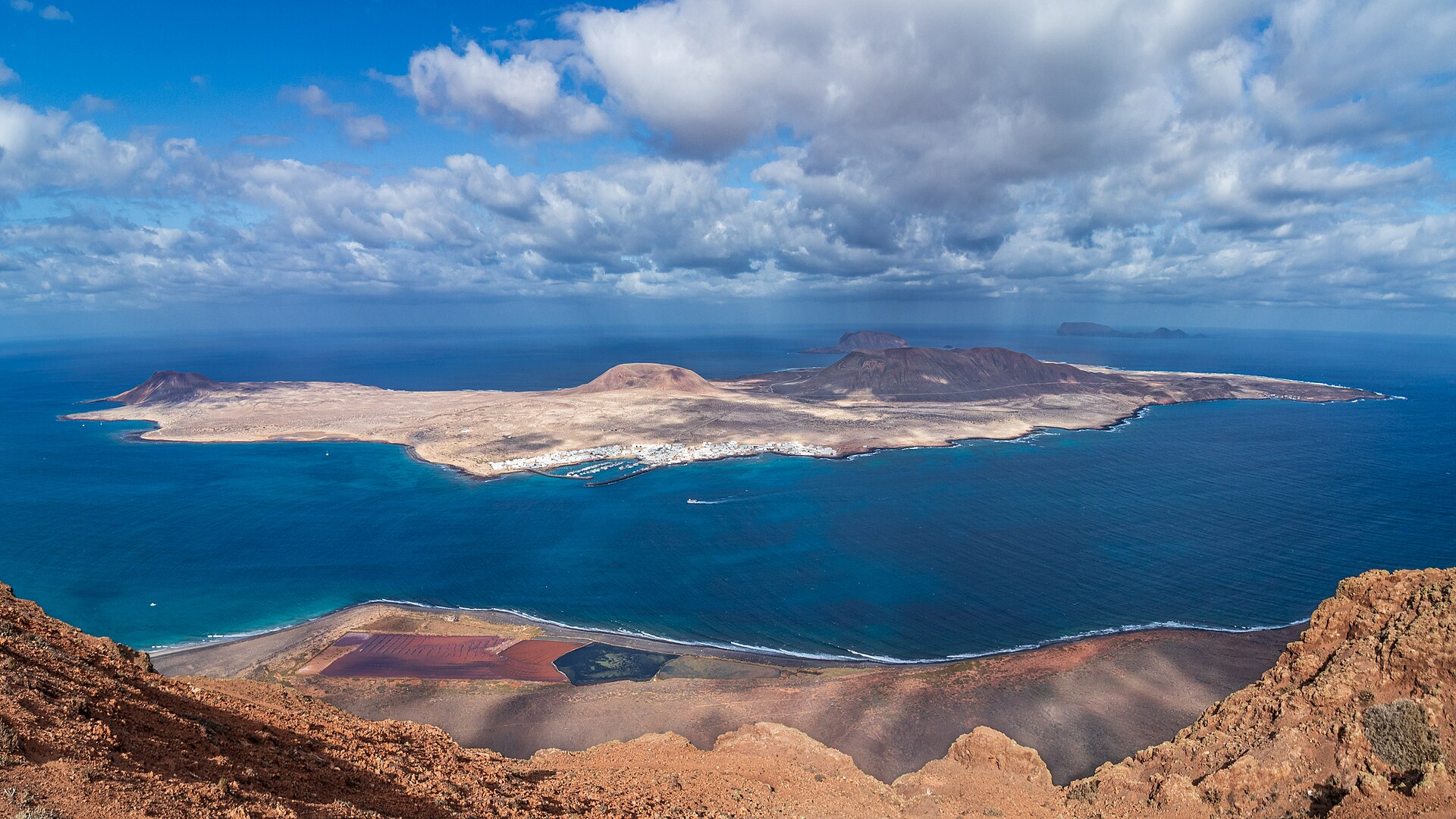
Key points
Usos estacionales y pesca historica
Durante siglos, La Graciosa fue usada como base estacional de pesca por pescadores de Lanzarote; el poblamiento permanente solo se consolido a lo largo del siglo XX.
Integracion en el municipio de Teguise
Administrativamente, La Graciosa forma parte del municipio de Teguise (Lanzarote); su relacion con la capital señorial de la isla mayor define su marco juridico e institucional desde la conquista.
Reconocimiento como octava isla habitada (2018)
En 2018, la Ley de Territorio del Parlamento de Canarias reconocio a La Graciosa como la octava isla habitada del archipielago; el reconocimiento fue simbolico y reivindicativo.
Proteccion ambiental temprana
El Archipielago Chinijo fue protegido como Reserva Natural Integral desde los años 90; La Graciosa tiene el acceso y las actividades controladas para preservar su fragilidad ambiental.