
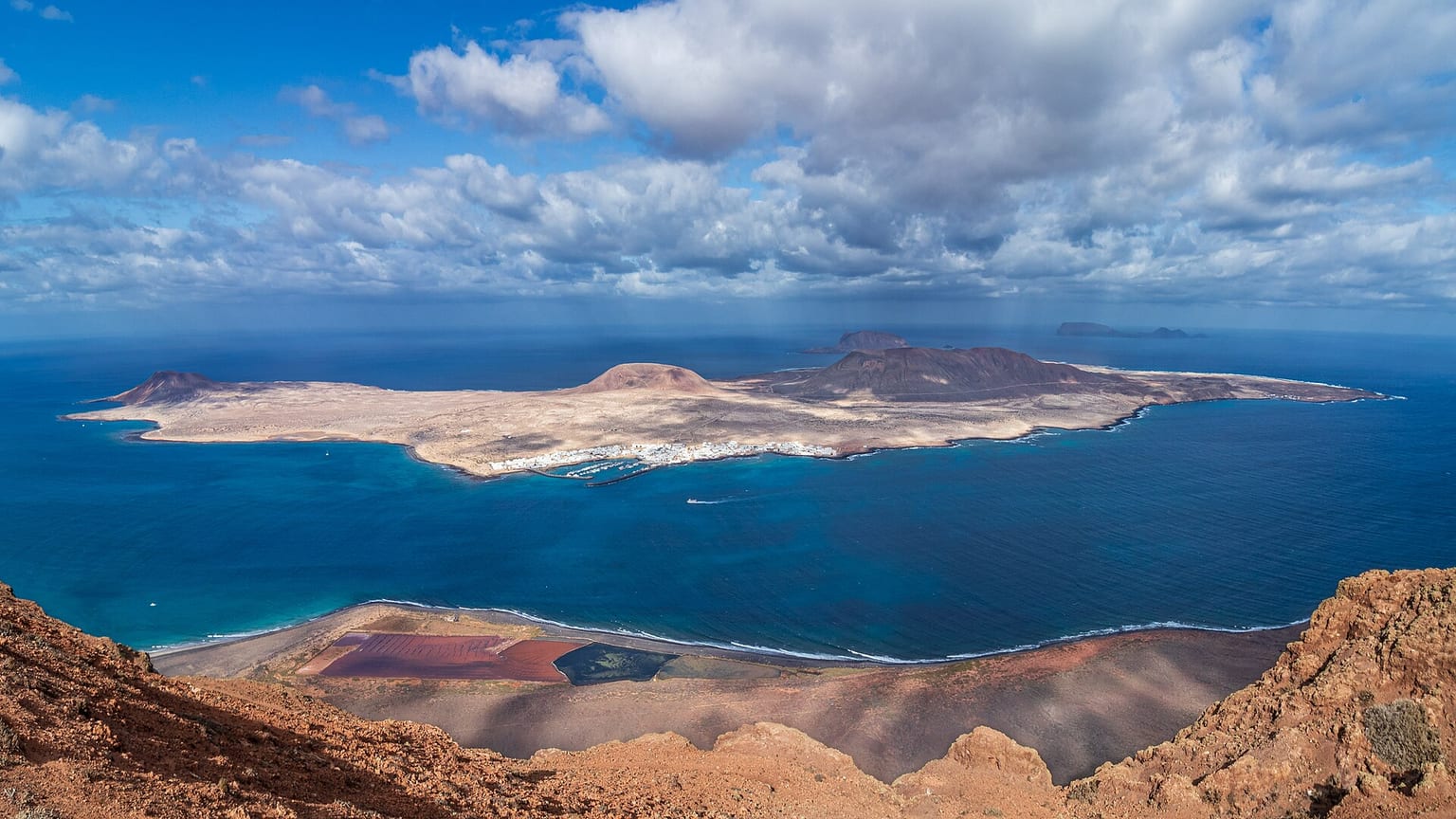
Why this island matters
La Graciosa muestra otra escala de lo insular: pequena poblacion, fuerte dependencia del mar, fragilidad ambiental y una relacion historica estrecha con Lanzarote. Su reconocimiento reciente como isla habitada refuerza una identidad que ya existia en la practica cotidiana.
Su importancia reside en hacer visible un patrimonio menos monumental y mas paisajistico: arena, conos volcanicos, pesca, movilidad lenta y vida comunitaria. La isla plantea preguntas sobre conservacion, pertenencia y limites del crecimiento en un territorio extremadamente sensible.
Cultural landscape
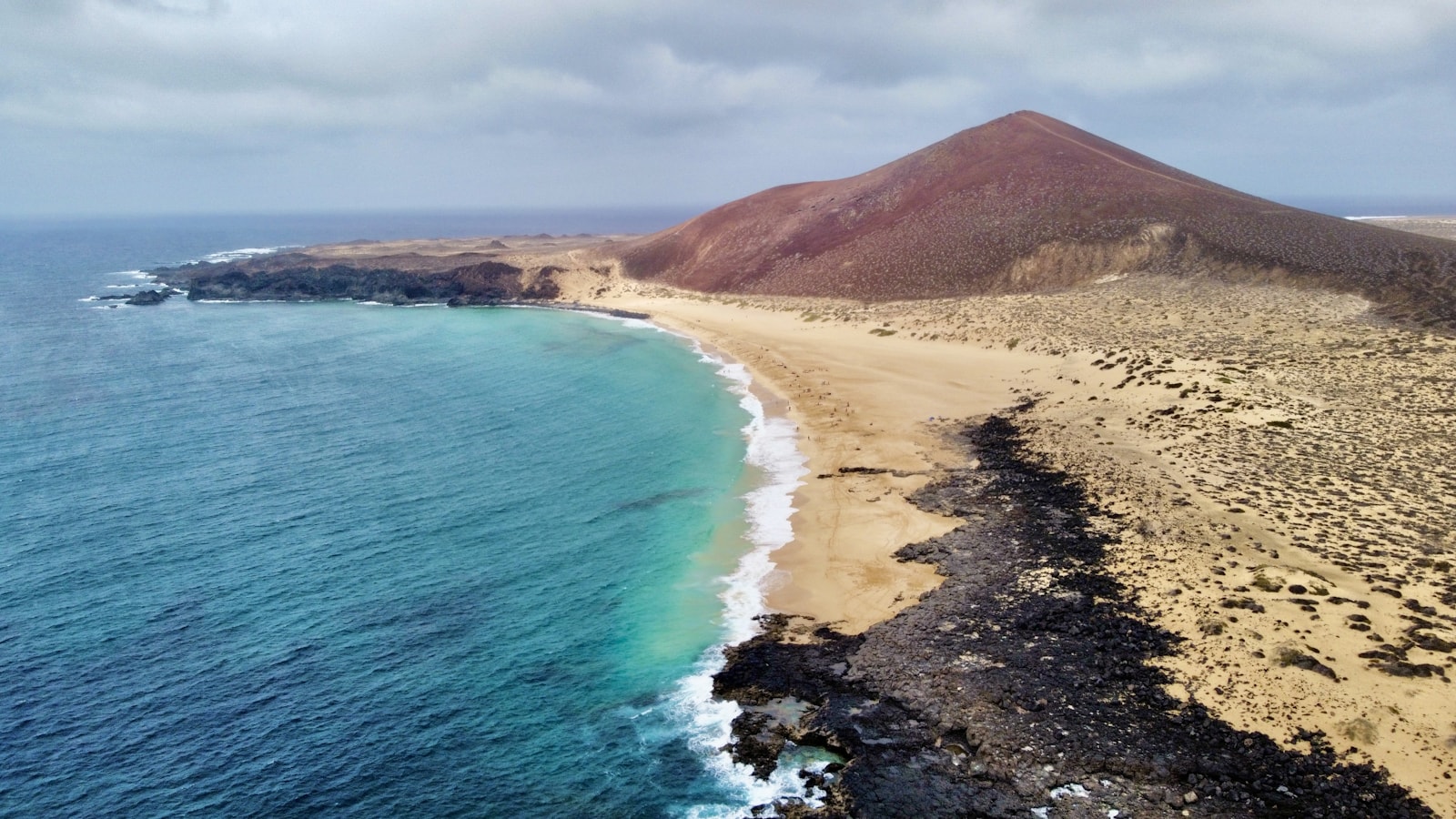
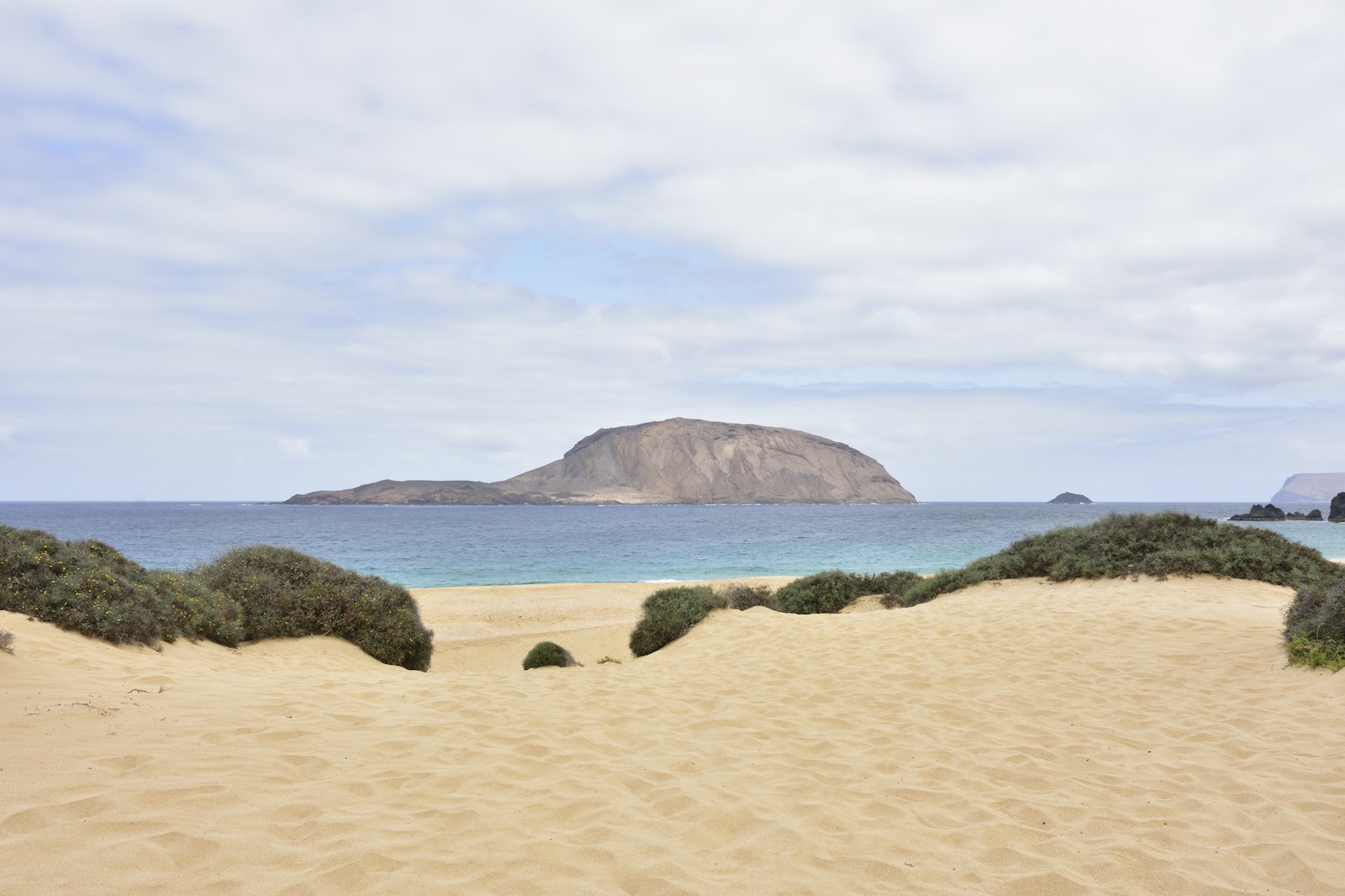
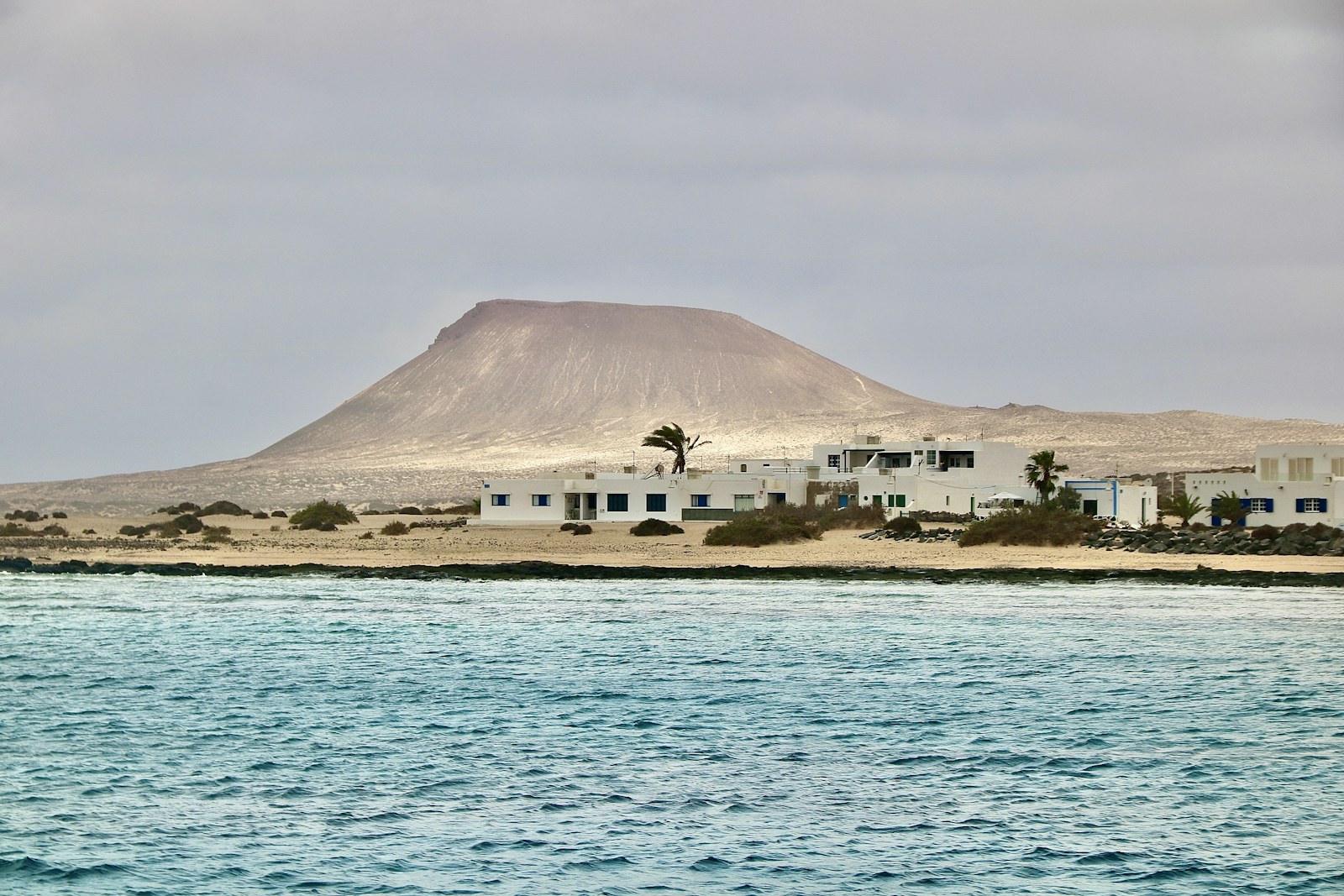
La Graciosa stands out for its untouched beaches, gentle volcanic cones and mobility still far removed from intensive urbanisation. More than monumental, its heritage is landscape-based and everyday: sand, lime, boats, unpaved streets and a rhythm of life very different from the larger islands.
Explore the island
Themes to understand La Graciosa
Each block summarises a line of interpretation and links to its own page. The main island page works as an entry point; the sections expand geography, history, nature, heritage and social life without turning this hub into a single long article.
Geography
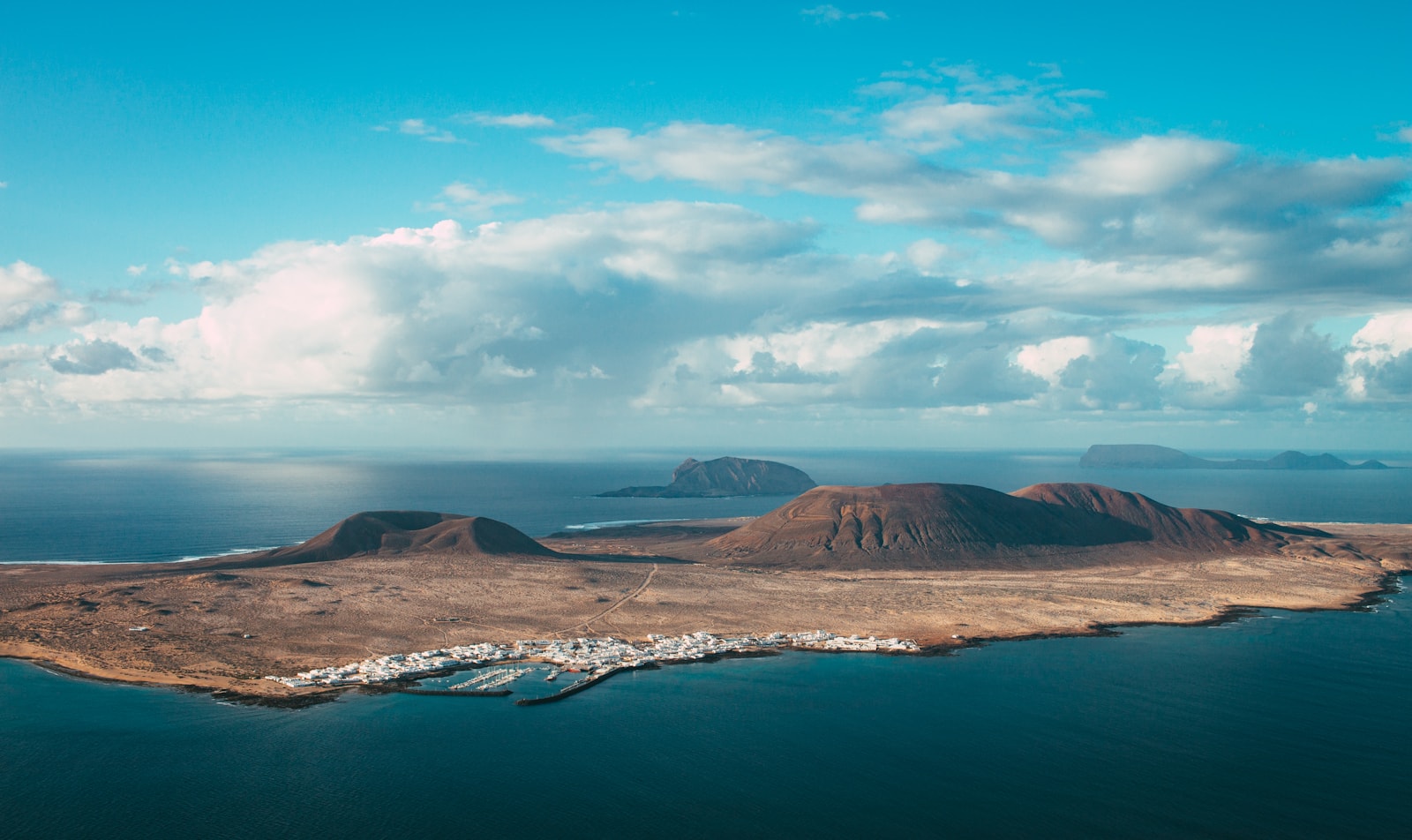
La Graciosa, the eighth island and the smallest inhabited one, is a plain of windblown sand interrupted by four volcanic edifices, separated from the Famara cliff by El Río and the head of the Chinijo Archipelago, protected as a Natural Park since 1994.
Explore sectionHistory
The history of La Graciosa spans from the Norman arrival of 1402 and centuries of piracy around El Río to the fishing foundation of Caleta de Sebo around 1880, the protection of the Chinijo Archipelago and its recognition as the eighth inhabited island in 2018.
Explore sectionNature
The island is part of a highly fragile marine and land environment, with beaches, seabeds, islets and coastal habitats.
Explore sectionFlora
The vegetation is adapted to salinity, wind, sand and drought, with coastal plant communities of great ecological interest.
Explore sectionFauna
Seabirds, coastal wildlife, fish, reptiles and invertebrates connect the island with the protected area of the Chinijo.
Explore sectionHeritage
Caleta de Sebo, sand tracks, seafaring culture and a protected landscape make up an everyday and environmental heritage.
Explore sectionCulture and Traditions
The culture of La Graciosa is bound up with fishing, small-scale sociability, local festivities and oral memory.
Explore sectionEconomy and Society
From a territory ceded in usufruct in 1618 to a fishing community born of a nineteenth-century salting factory, La Graciosa lived off fishing and water carried from Famara until the modernisation of the 1970s; today, with some 700 inhabitants, it combines artisanal fishing, regulated tourism and the 2018 recognition as the eighth island.
Explore sectionMunicipalities and Territories
Caleta de Sebo, Pedro Barba, the beaches and the tracks reveal a small yet highly recognisable territory.
Explore sectionKey Places
Caleta de Sebo, Las Conchas, Montaña Amarilla, Pedro Barba and the Chinijo surroundings are the main landmarks.
Explore sectionLinked Figures
This section covers community memory, seafaring families and figures linked to the island's recognition.
Explore sectionIsland Chronology
La cronologia graciosera recorre usos tradicionales, poblamiento estable, proteccion ambiental y reconocimiento como octava isla habitada.
Explore section