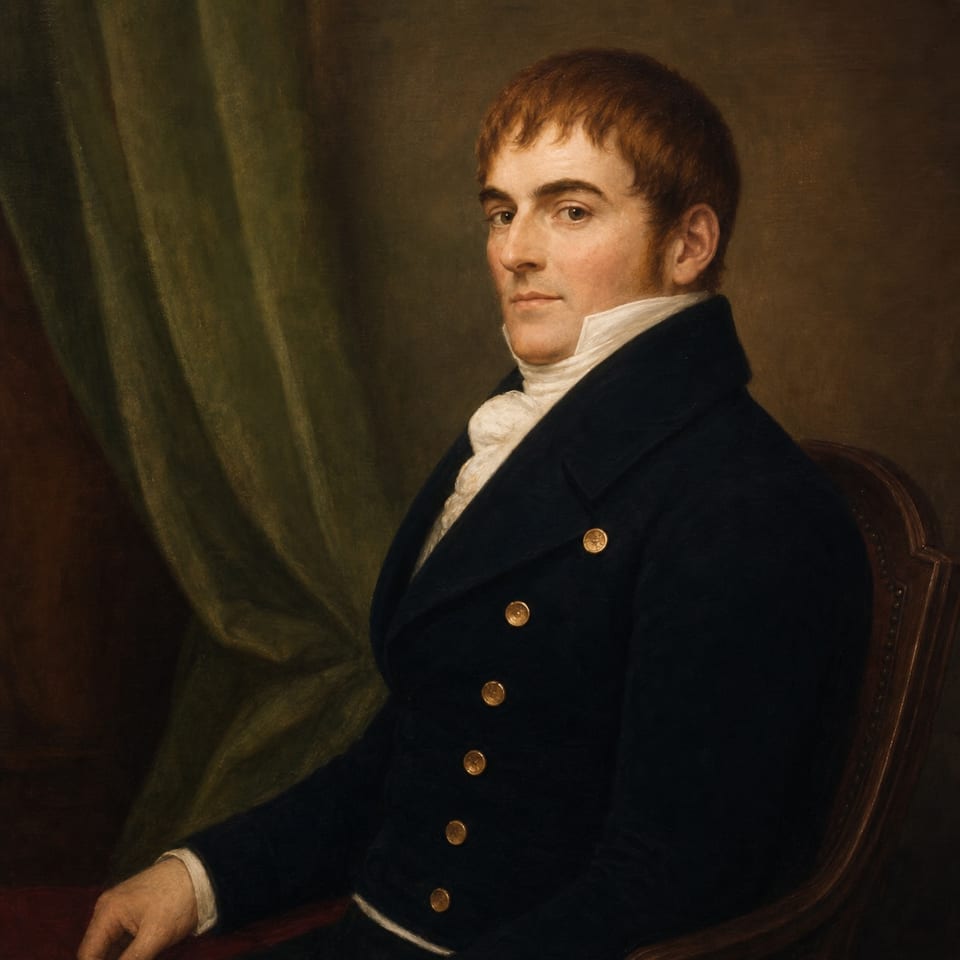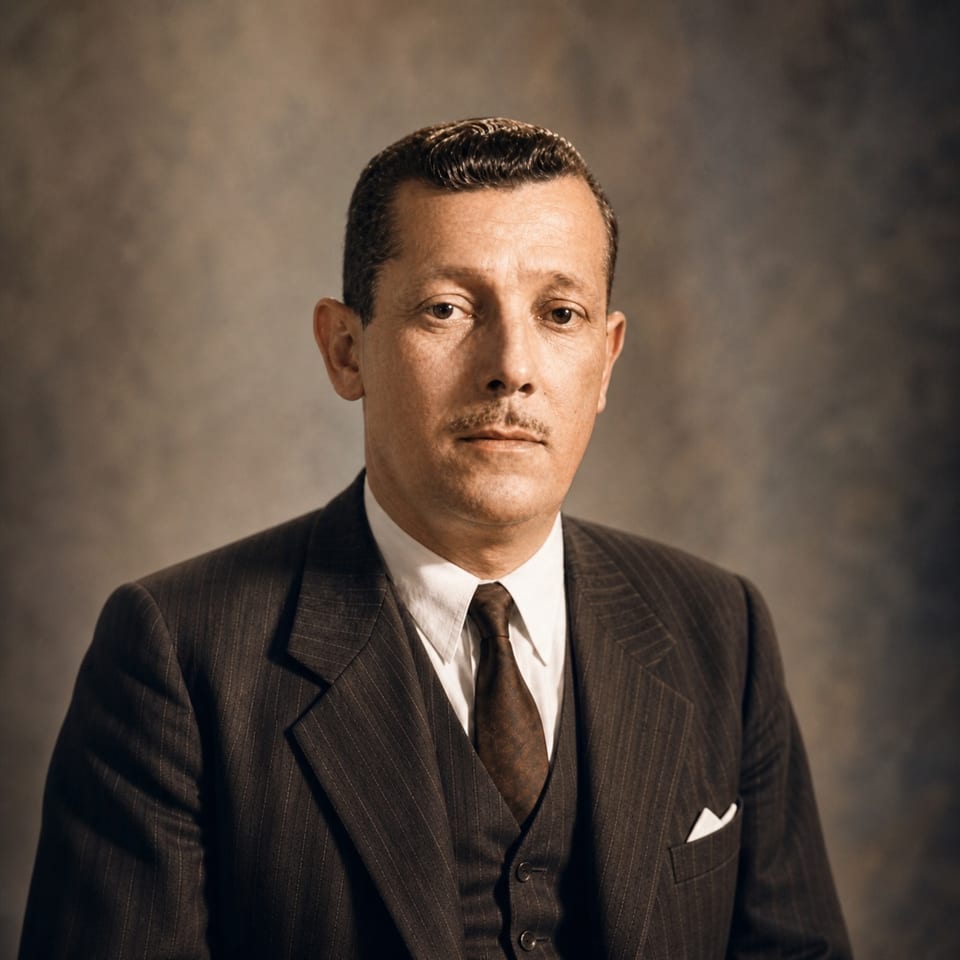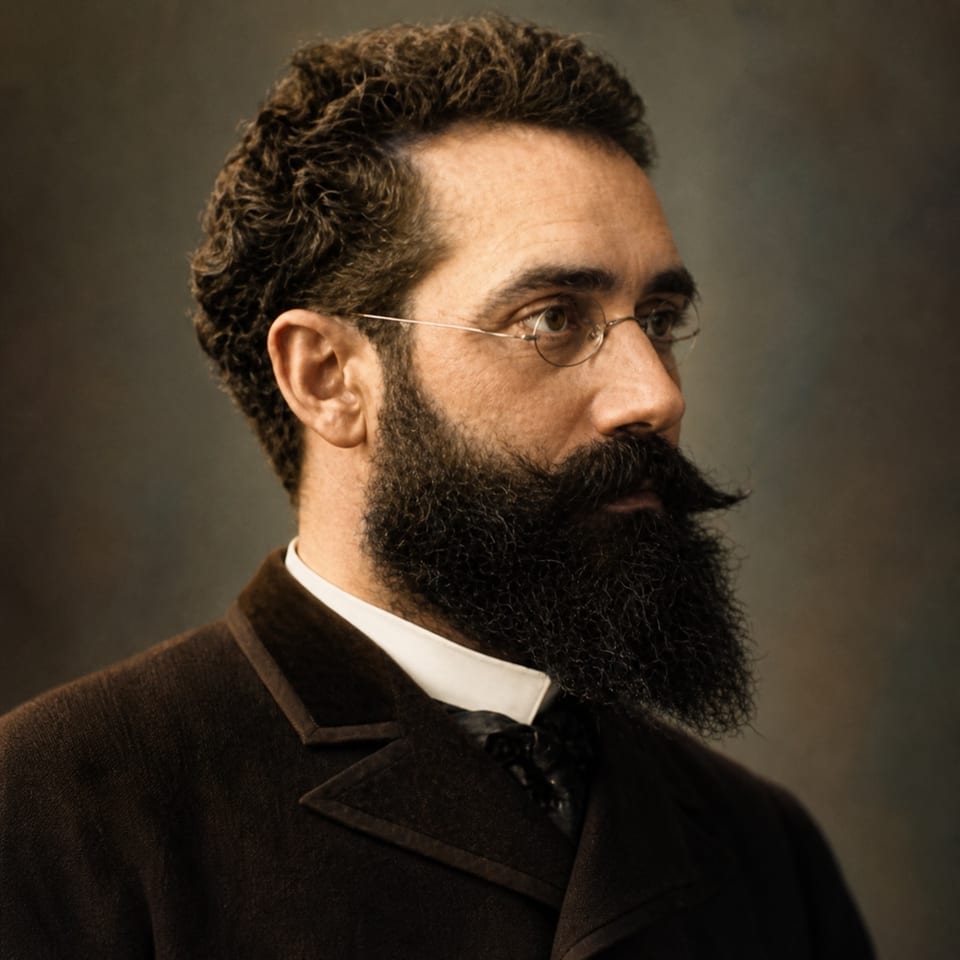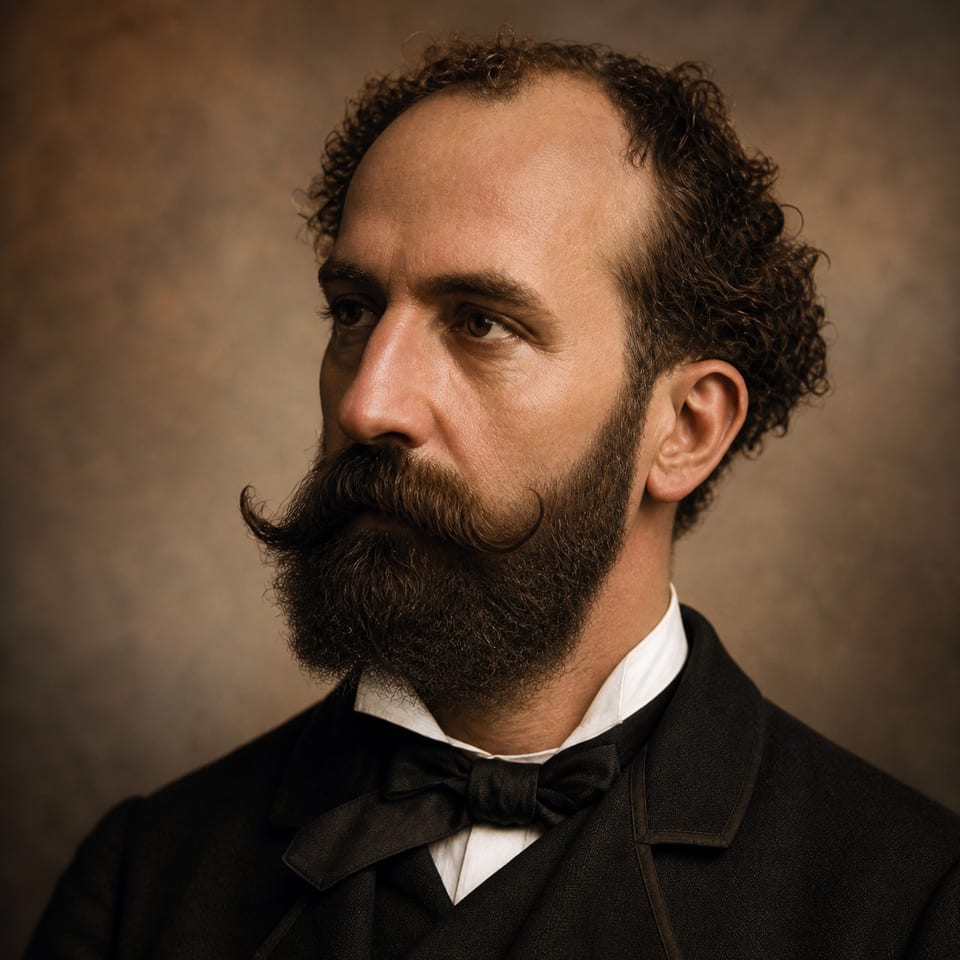
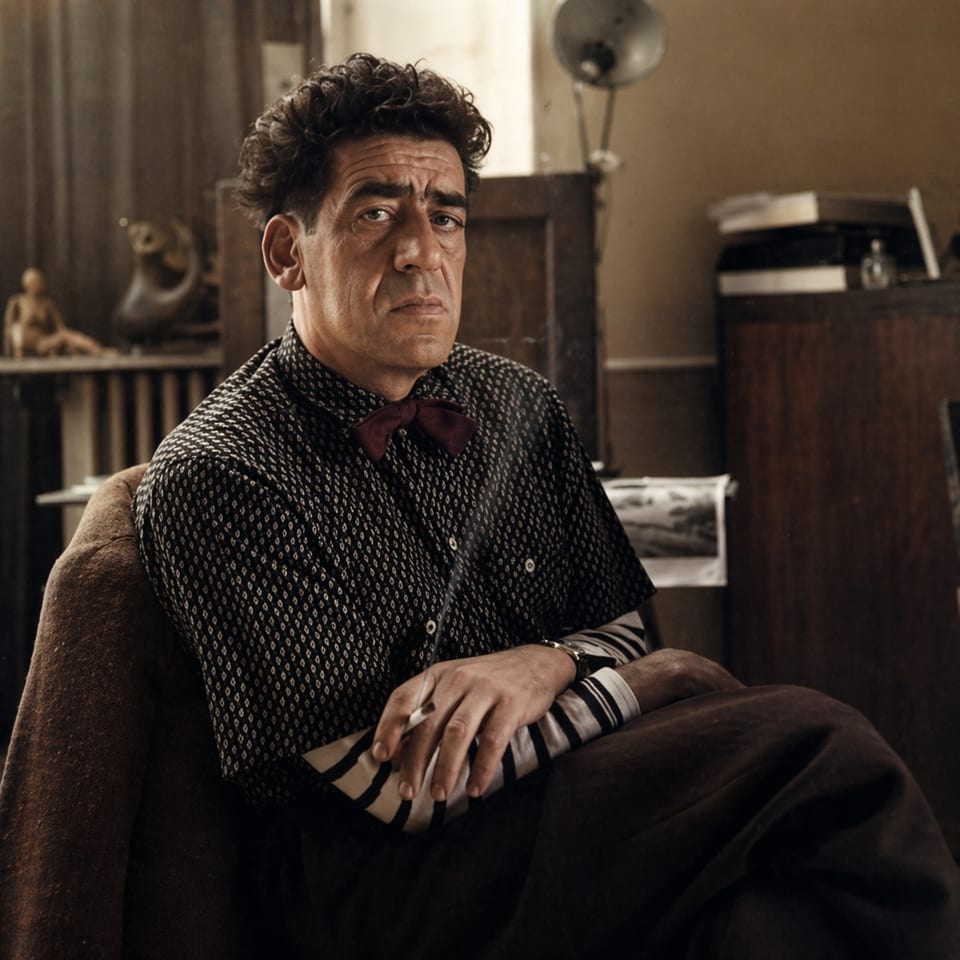
Surrealist painter born in San Cristóbal de La Laguna, inventor of the decalcomania technique. An important figure in international surrealism.
Óscar Domínguez was born in La Laguna in 1906, in a family that emigrated to Paris when he was a teenager. There he entered the surrealist circle of André Breton and was soon recognised as one of its most original members. His work of that period, marked by visions of the volcanic landscape of Tenerife transposed into a dream universe, caught the attention of the movement's greats: Salvador Dalí, Max Ernst and Breton himself considered him a genius.
His greatest technical contribution was the invention of decalcomania in 1936, a technique that consisted of pressing wet gouache between two surfaces and pulling them apart, generating random textures that suggested lunar landscapes, visceral organs or unexplored territories. The technique was adopted by other surrealist artists and became one of the movement's most influential procedures. Domínguez also cultivated sculpture, surrealist objects and design.
His private life was marked by alcohol, poverty and conflict. In 1957 he died in Paris in tragic circumstances, practically alone and forgotten by the general public, though not by the art world. He was rediscovered decades later, and today his works feature in museums around the world. Tenerife recognises him as one of its most illustrious sons: the Óscar Domínguez Cultural Space in Tenerife bears his name.