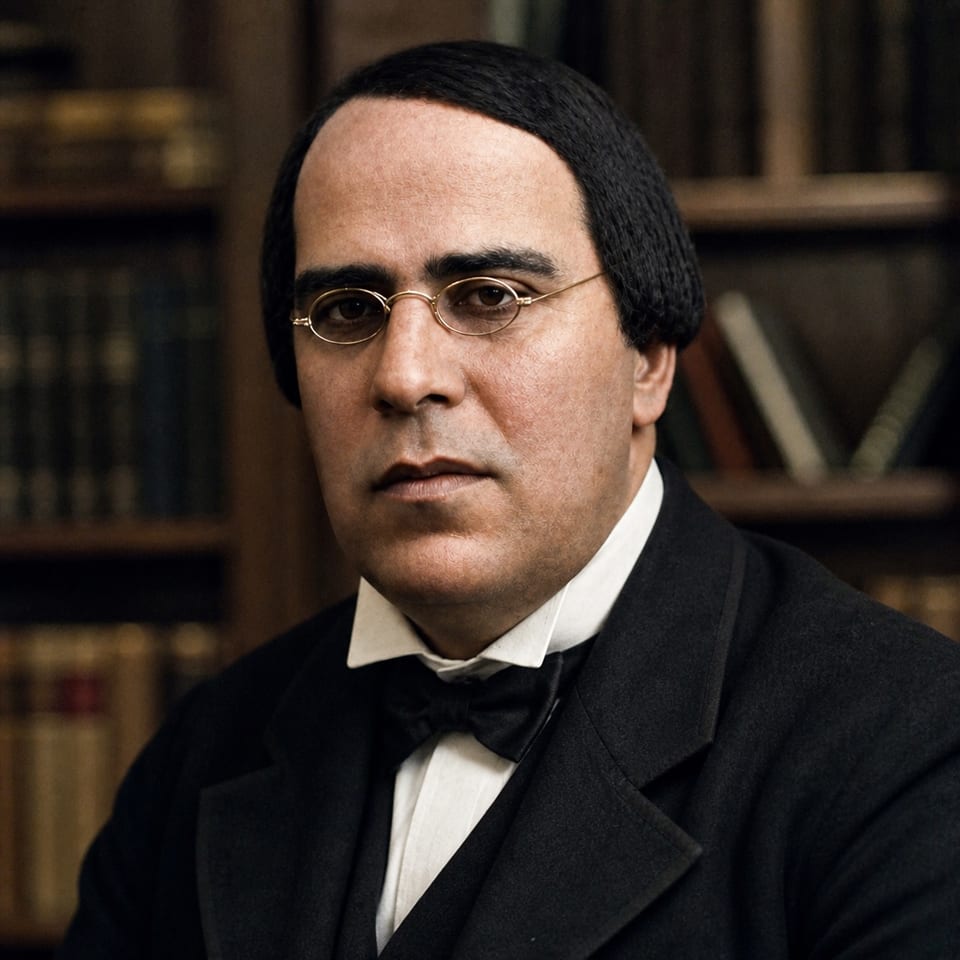
Juan Negrín
Contemporánea Politics 19th Century Last republican president

Physician and scientist

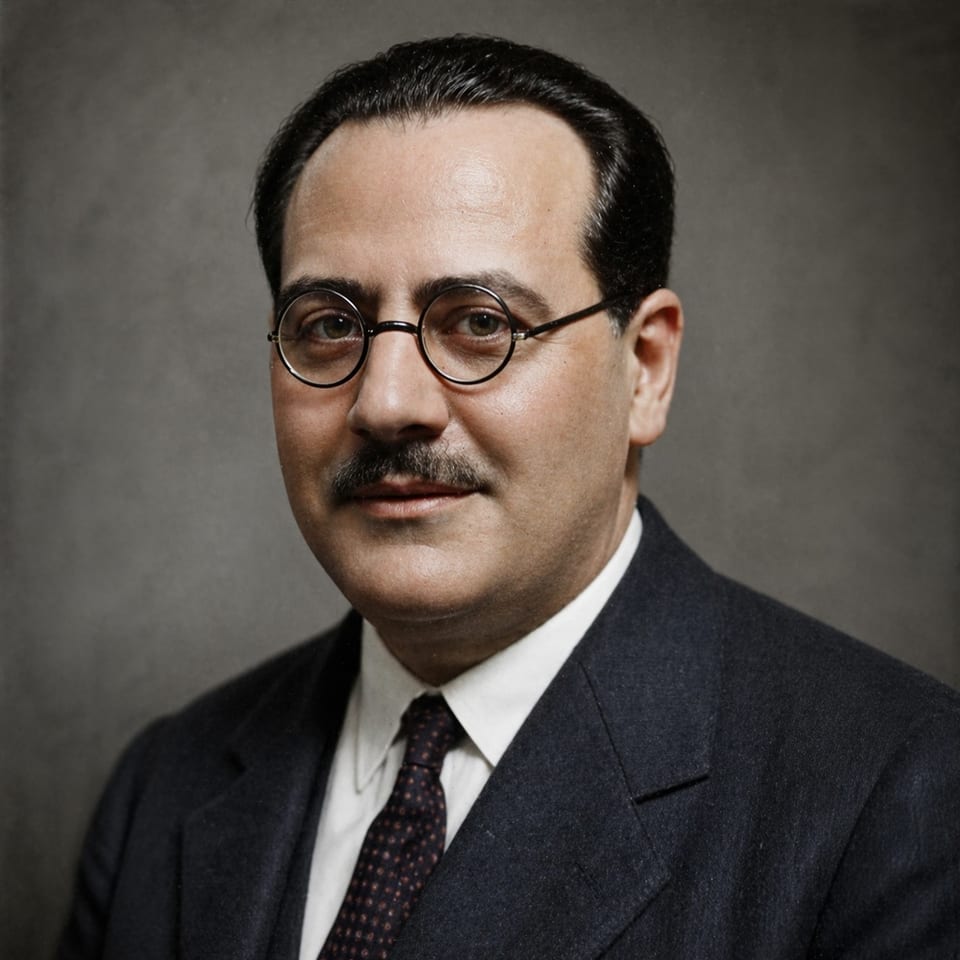
Physician and politician born in Las Palmas. Last president of the government of the Second Spanish Republic during the Civil War.

Early life

Juan Negrín was born in Las Palmas de Gran Canaria in 1892 into a middle-class family. He studied medicine in Germany, where he graduated with distinction, and returned to Spain to occupy the chair of Physiology at the Central University of Madrid. He was one of the most prominent Spanish scientists of his time: he worked with Nobel laureate Santiago Ramón y Cajal and created the Student Residence alongside figures of the stature of García Lorca, Dalí and Buñuel.

Historical role

His political life began in 1929 when he joined the PSOE. During the Second Republic he was a deputy for Las Palmas. When the Civil War broke out, he took on the Treasury portfolio and then, in 1937, was appointed President of the Government. He led the Republic during the hardest years of the war, making controversial decisions such as the transfer of gold reserves abroad. His motto was to resist until the international situation changed, but the collapse of Republican resistance in 1939 condemned him to exile.

Legacy

He spent the rest of his life in Paris and London, refusing to recognise the Franco regime and maintaining the Republican government in exile. He died in Paris in 1956 without returning to Spain. He was a passionately debated figure: for some, the last defender of democratic legality; for others, responsible for the pointless prolongation of a lost war. In 2002, his remains were transferred from Paris to the Almudena cemetery in Madrid, recognising his figure as a reference point of Spanish republicanism.

Timeline

  1. 1892 Juan Negrín is born in Las Palmas de Gran Canaria.
  2. 1937 Manuel Azaña asked him to form a government after Largo Caballero's resignation.
  3. 1937 He became prime minister of the Second Republic during the Spanish Civil War.
  4. 1956 Juan Negrín dies in Paris.

Sources and verification