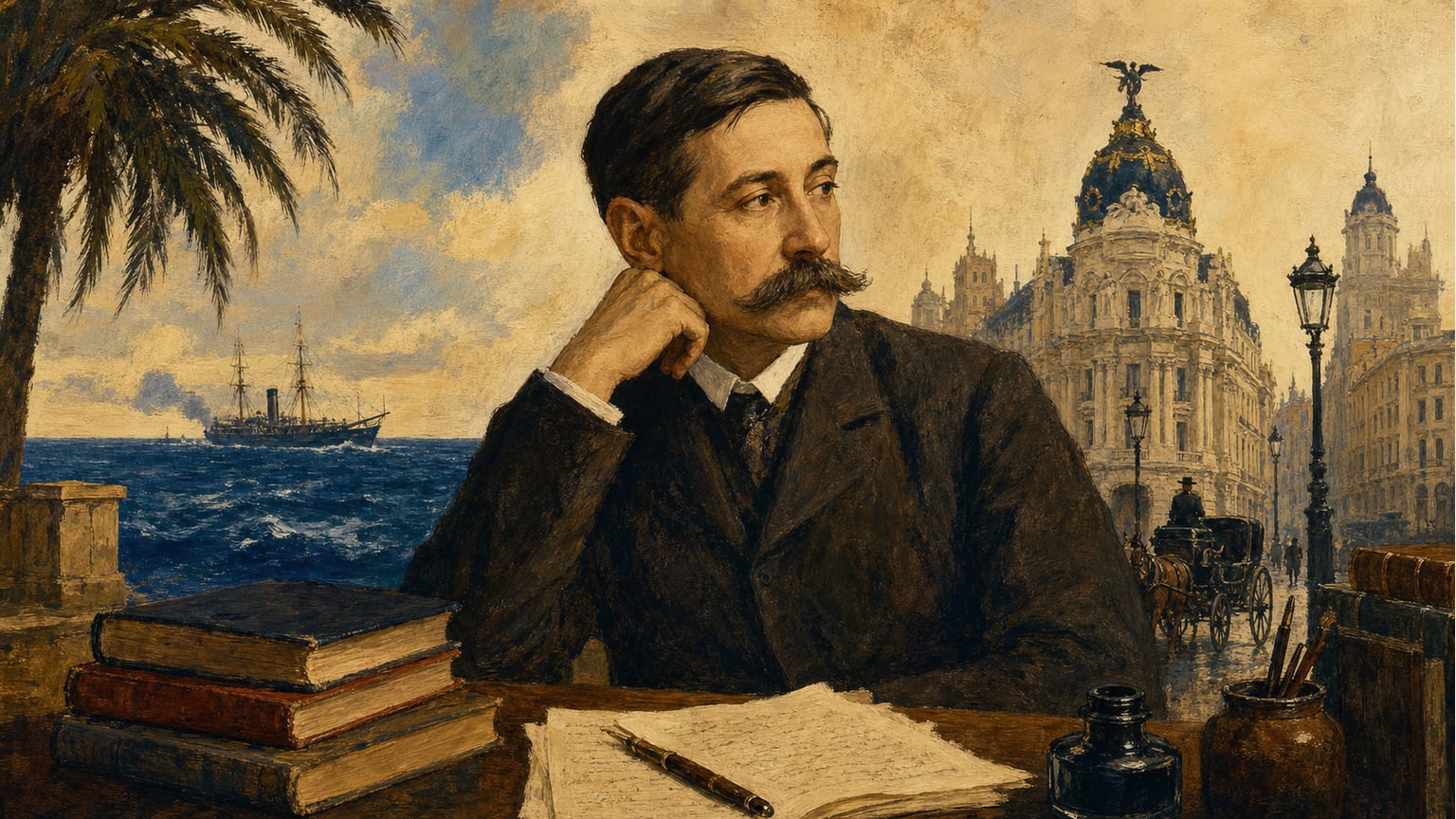
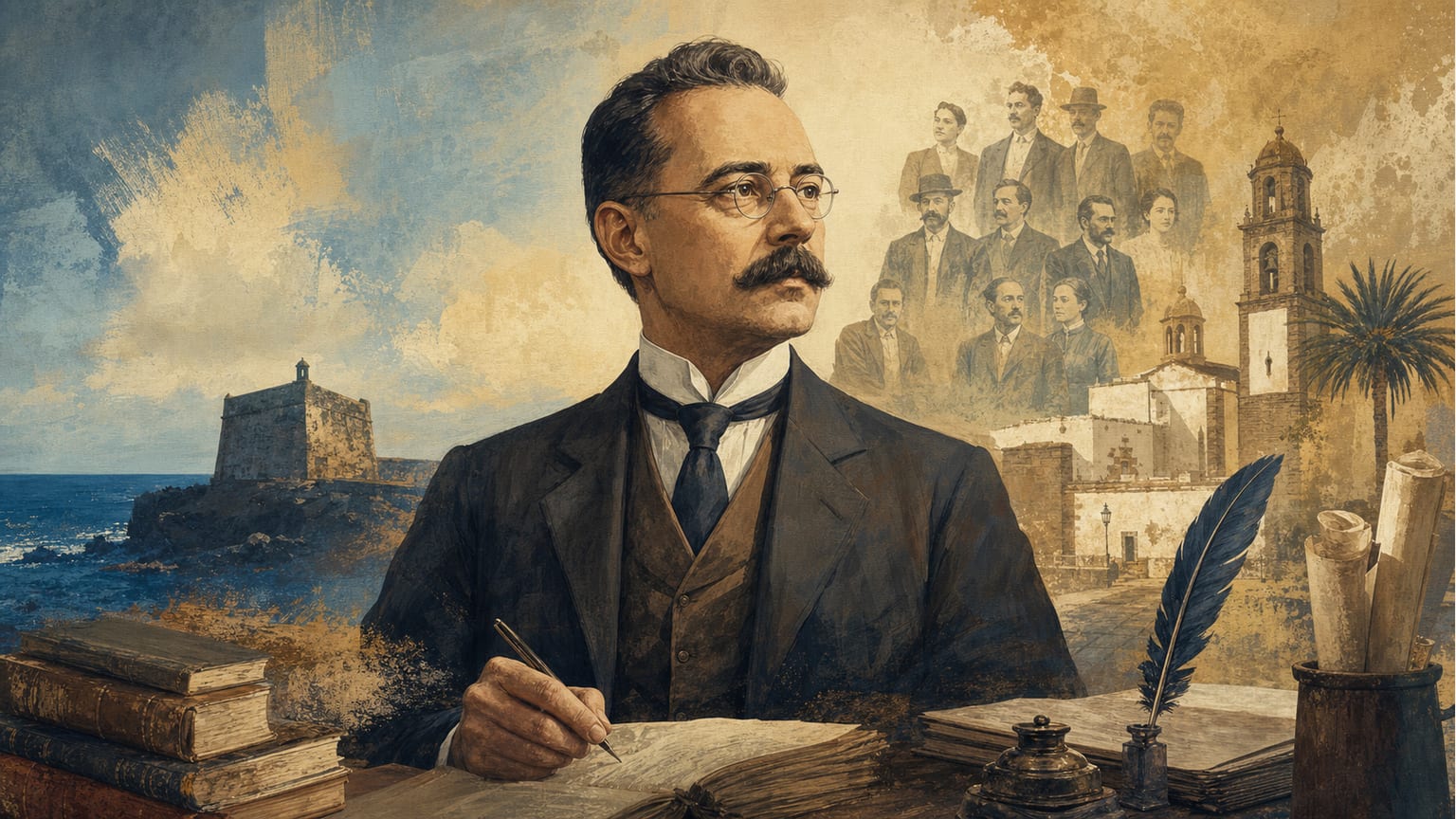
Benito Pérez Galdós, regarded as the greatest Spanish novelist after Cervantes, was born in Las Palmas de Gran Canaria in 1843 and became the chronicler of 19th-century Madrid without ever stopping to look across the Atlantic: the office of the publishing house he founded in 1897 was known as 'la canariera'.
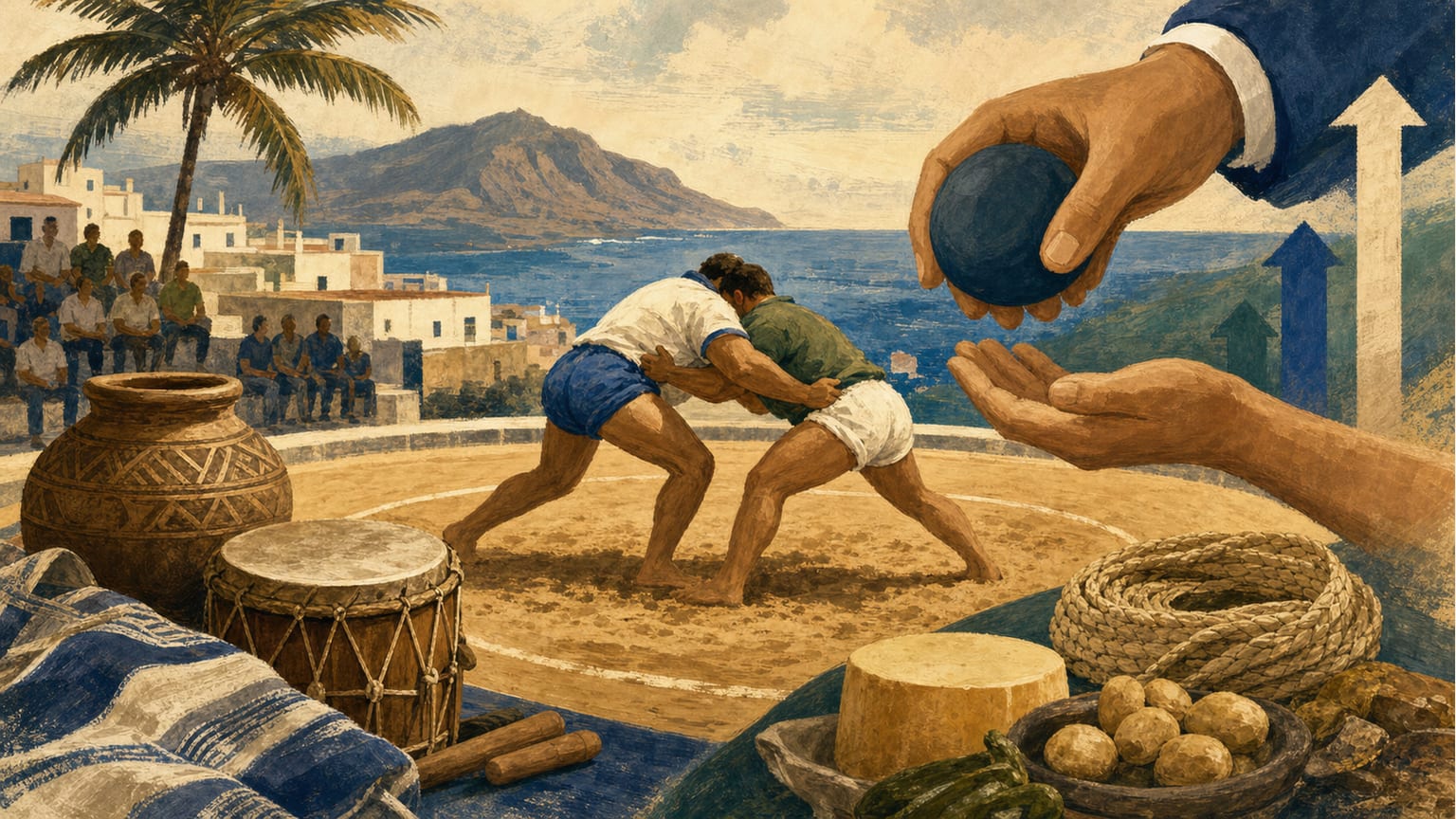
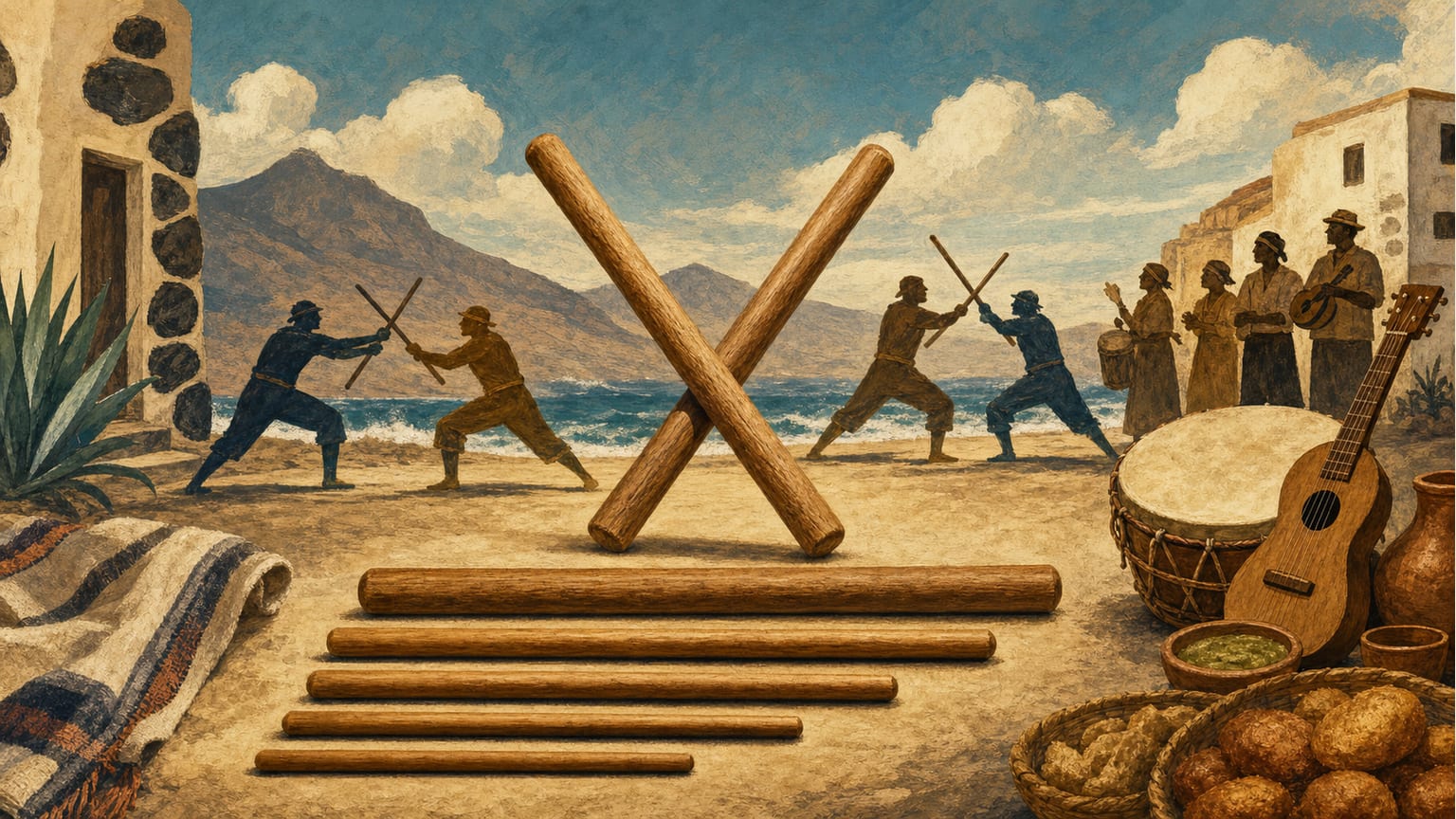
A detailed analysis of sponsorship forms in Canarian Wrestling during the 2006/07 season, highlighting challenges and opportunities as described by Emmerichs.
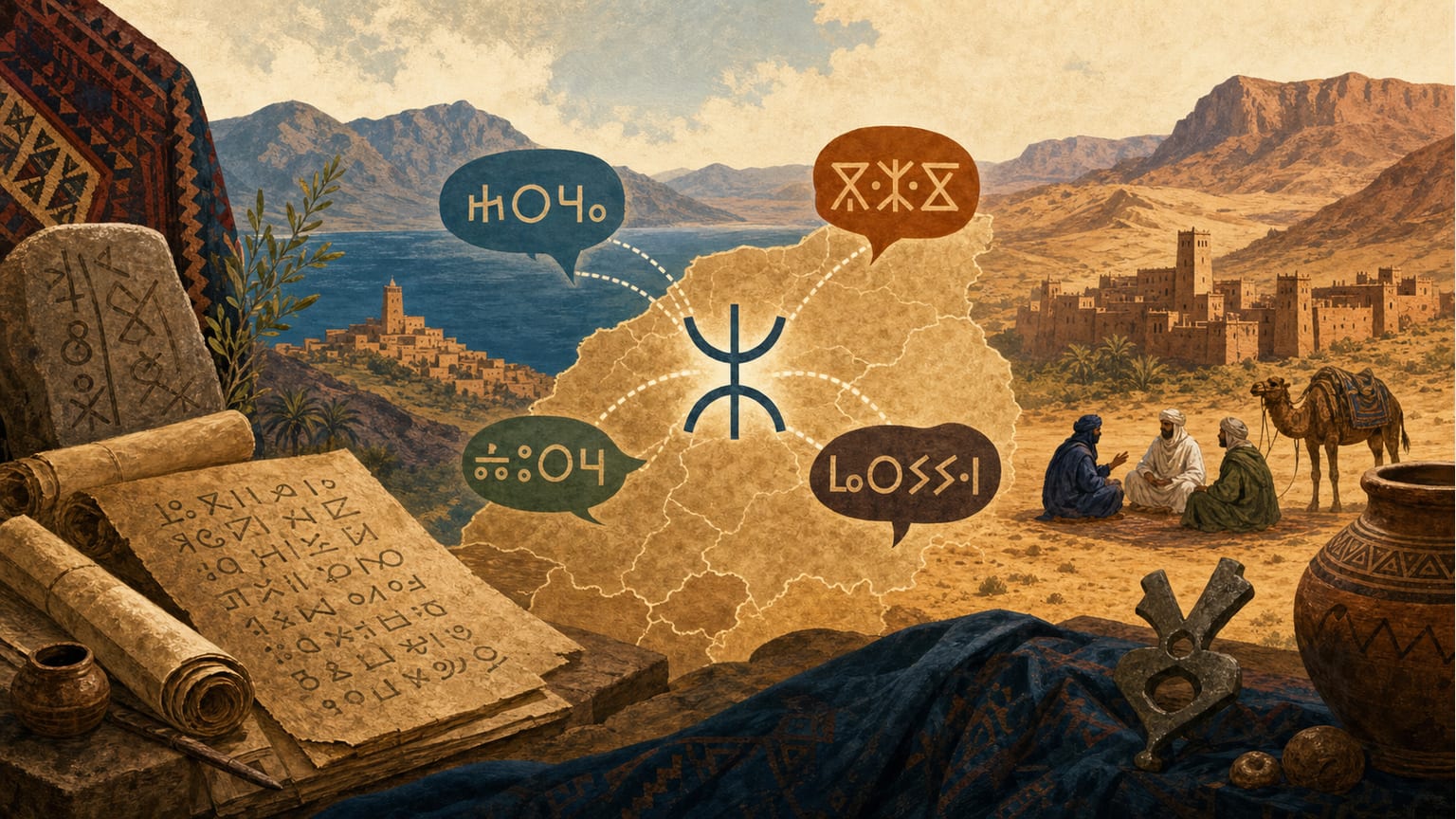
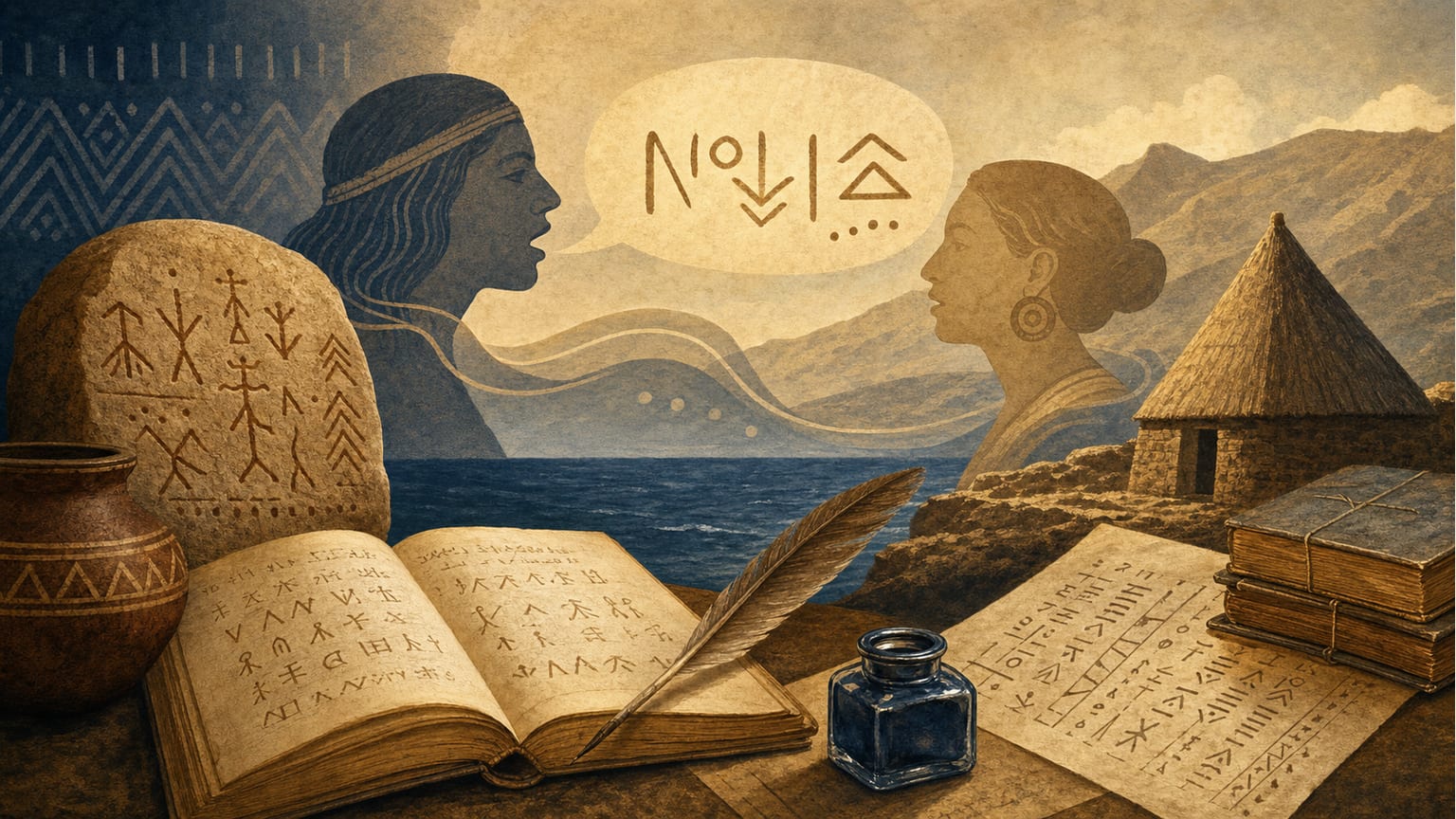
Amazigh, the language of the Imazighen, displays significant dialectal diversity across North Africa, with variants such as Riffian, Tamazigh, Tacelhit, and Tuareg Tamaceq, as detailed by GEA.
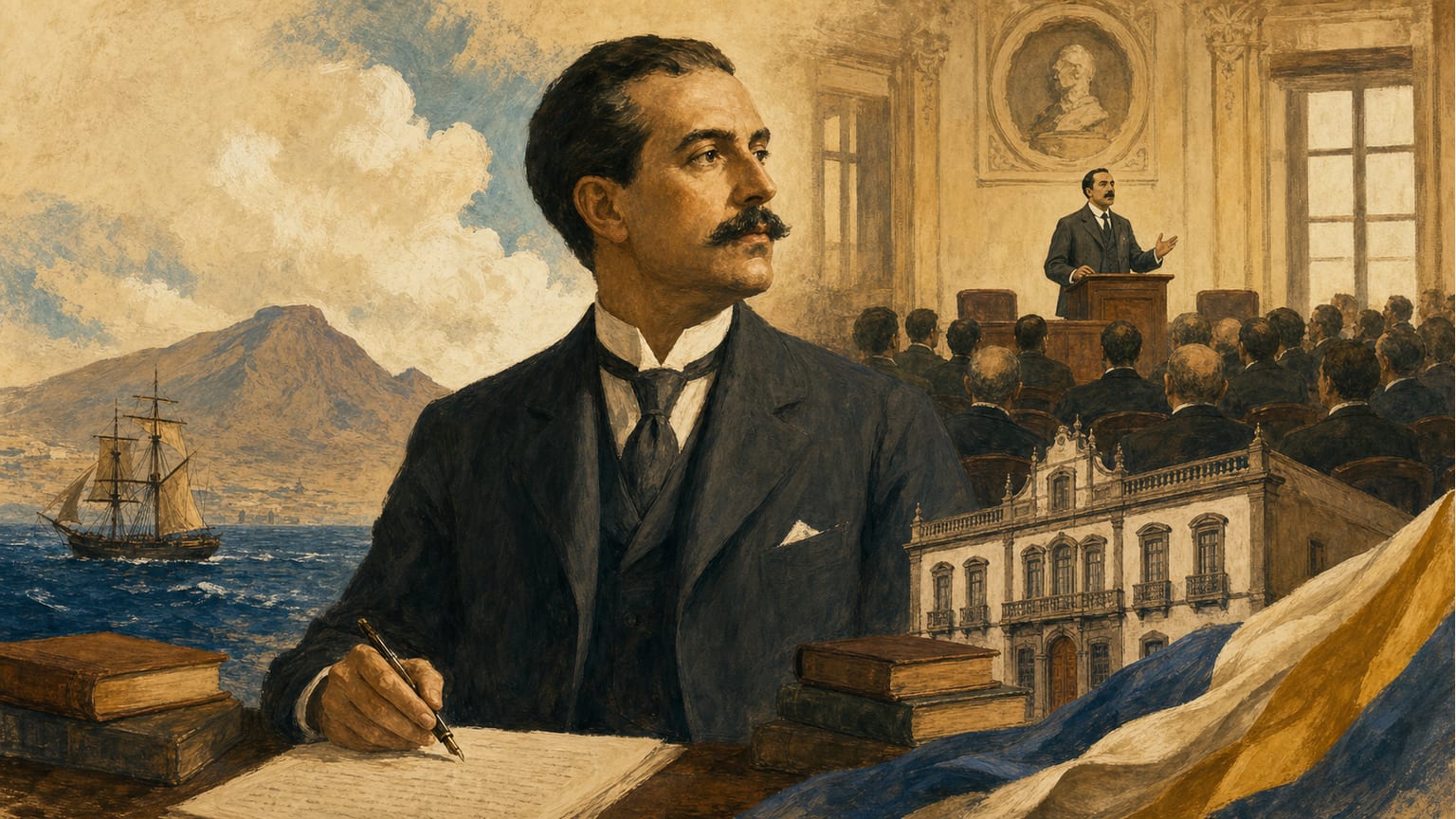
In 1906, journalist Leoncio Rodríguez González presented his perspective on Canarian regionalism at the Ateneo de La Laguna, advocating for administrative and economic autonomy and analyzing the role of island identity in Canarian history.
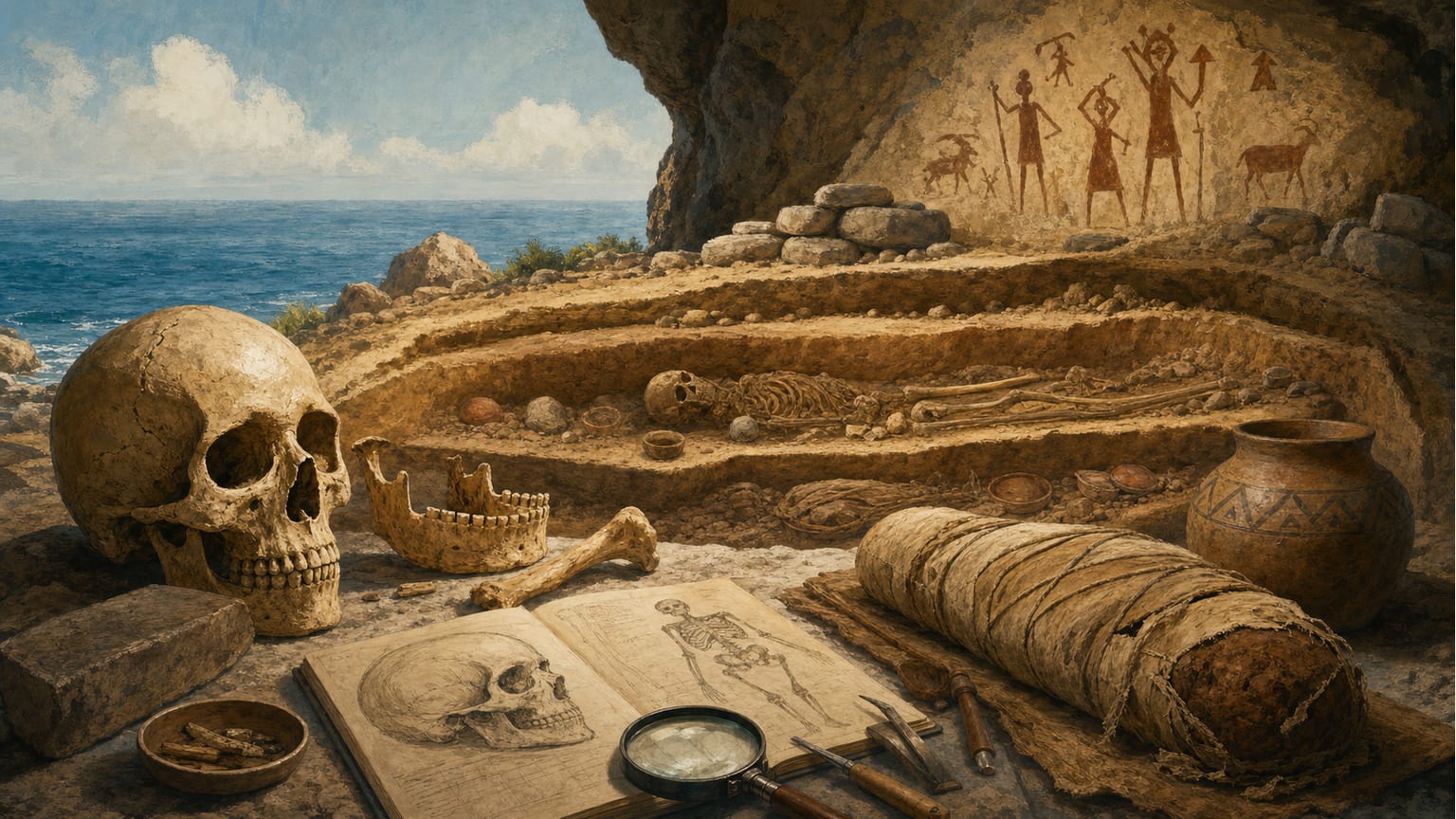
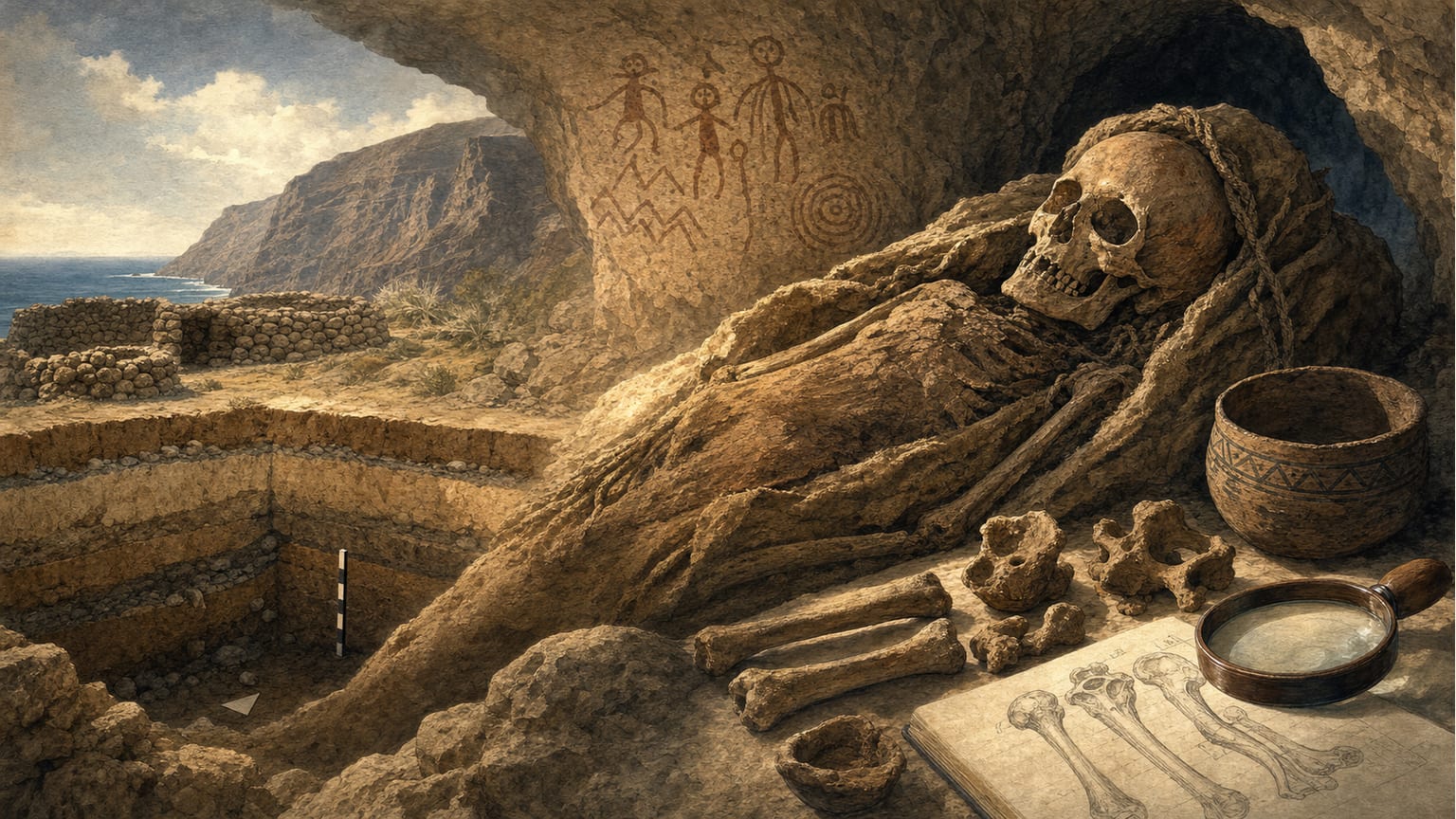
Paleopathology in the Canary Islands has evolved significantly since the 19th century, with researchers like Bosch Millares highlighting the importance of skeletal and mummy analysis to understand the health and diseases of indigenous populations.
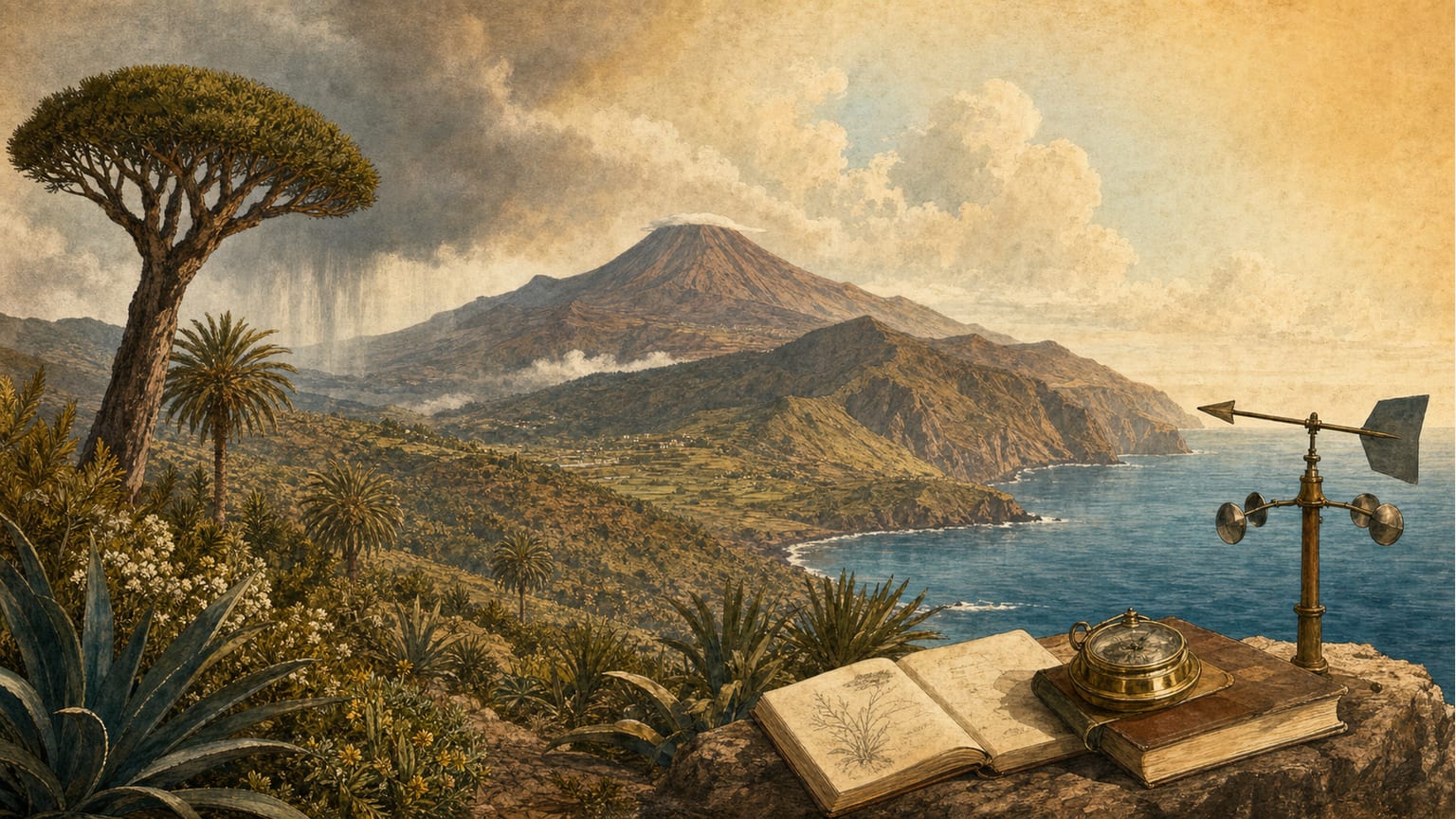
Graciosa Island's flora, as documented by Webb and Berthelot in 1829, is notable for its limited and distinctive composition, including several rare and localized species.
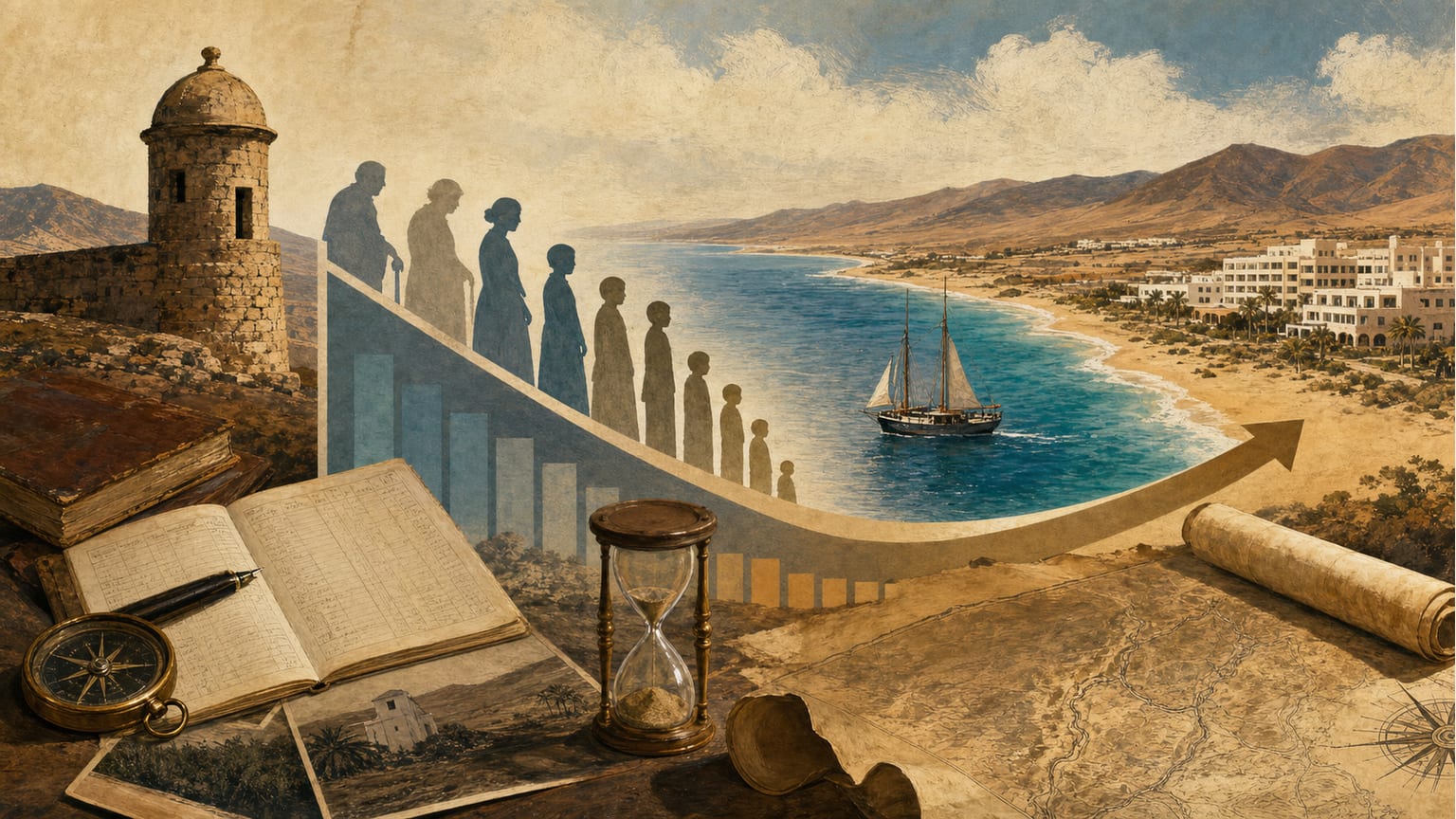
Between 1970 and 1991, Fuerteventura underwent a demographic transition marked by declining birth and death rates, the rise of tourism, and shifts in the age structure of its population.
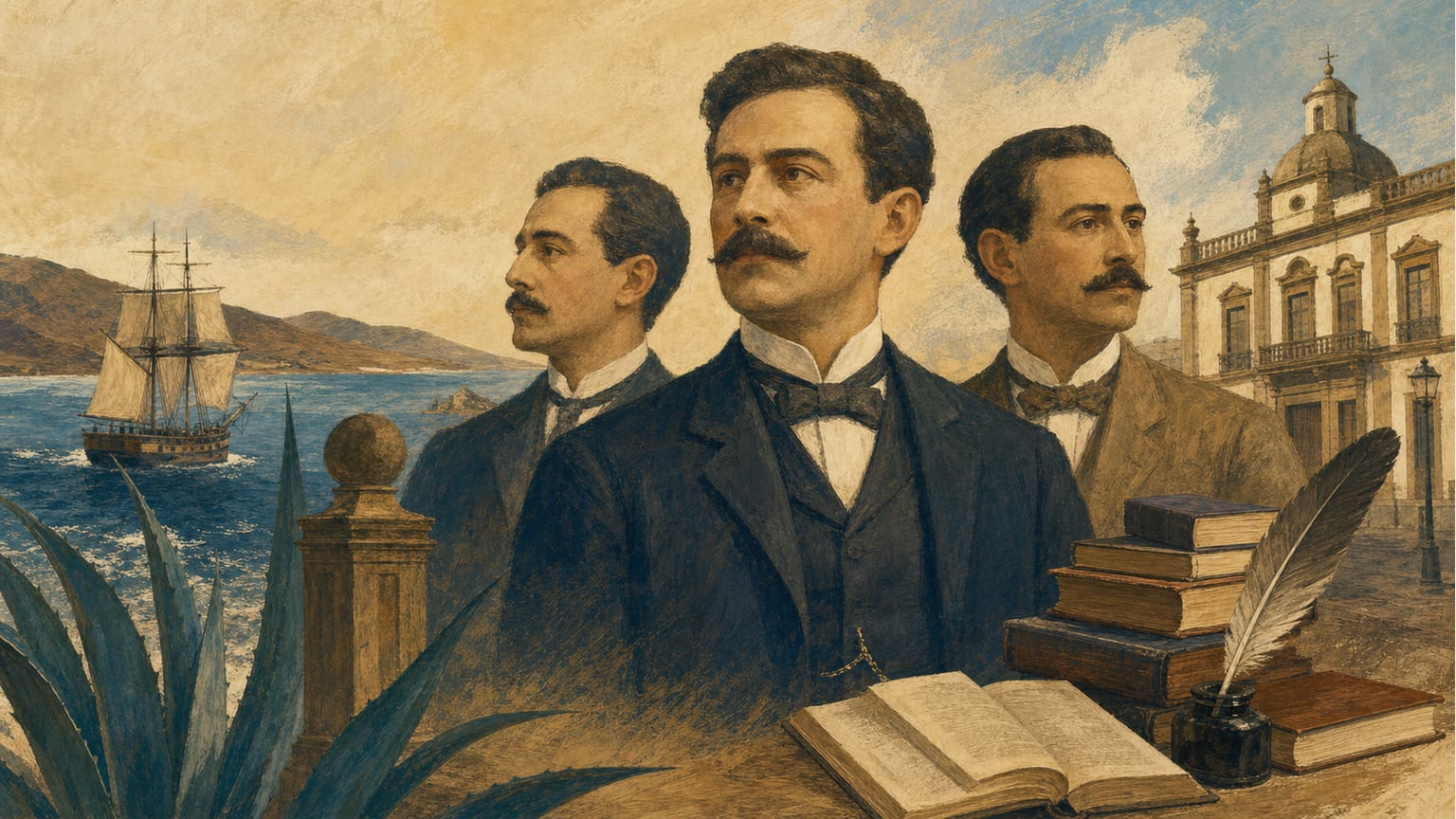
The Zerolo Herrera brothers from Lanzarote played a notable role in Canarian political and cultural life between the 19th and 20th centuries, according to the research of Nicolás Reyes González.
An overview of the first studies and contributions to paleopathology in the Canary Islands, from chronicles to the work of Gregorio Chil y Naranjo and European scientists.
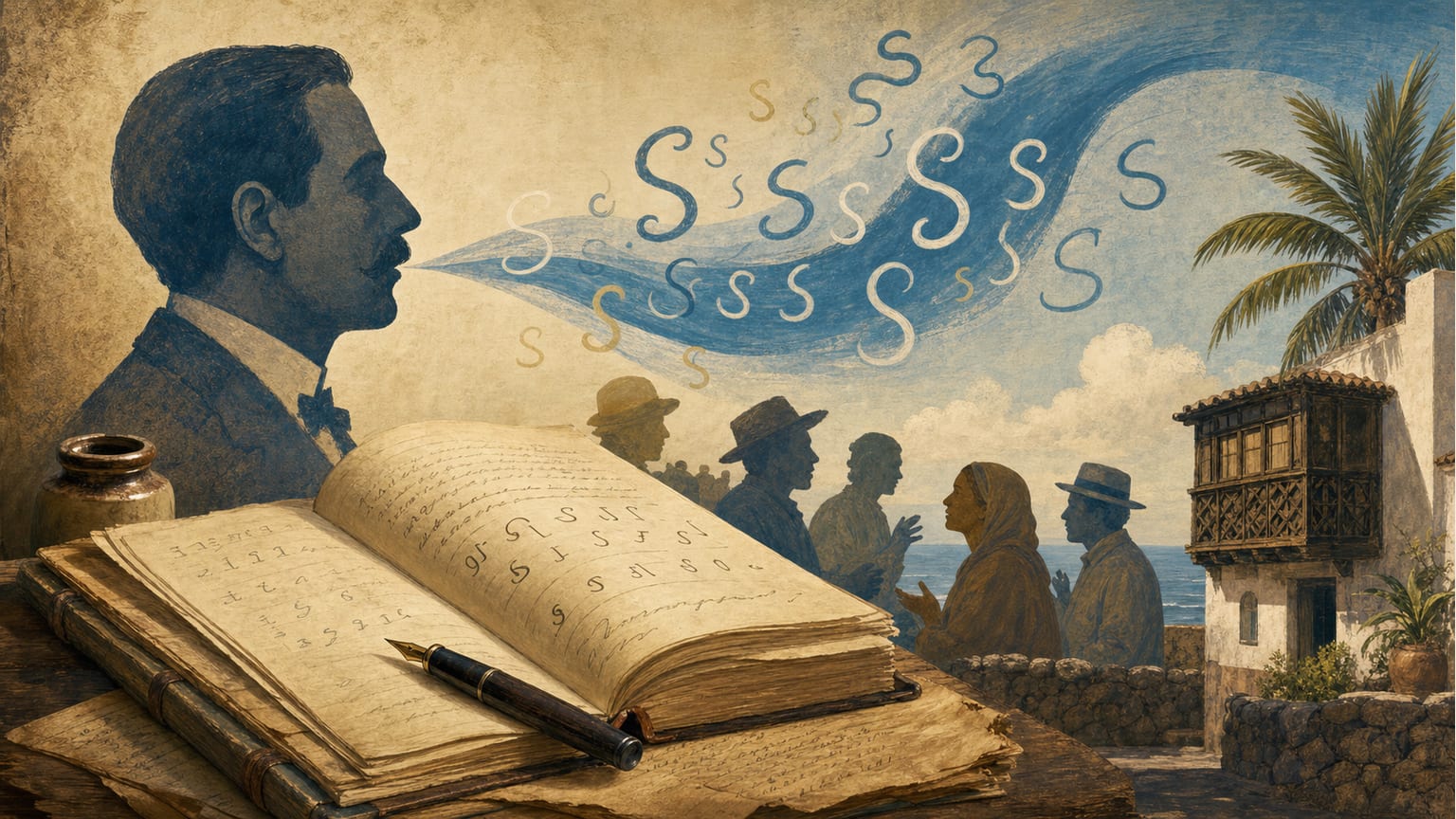
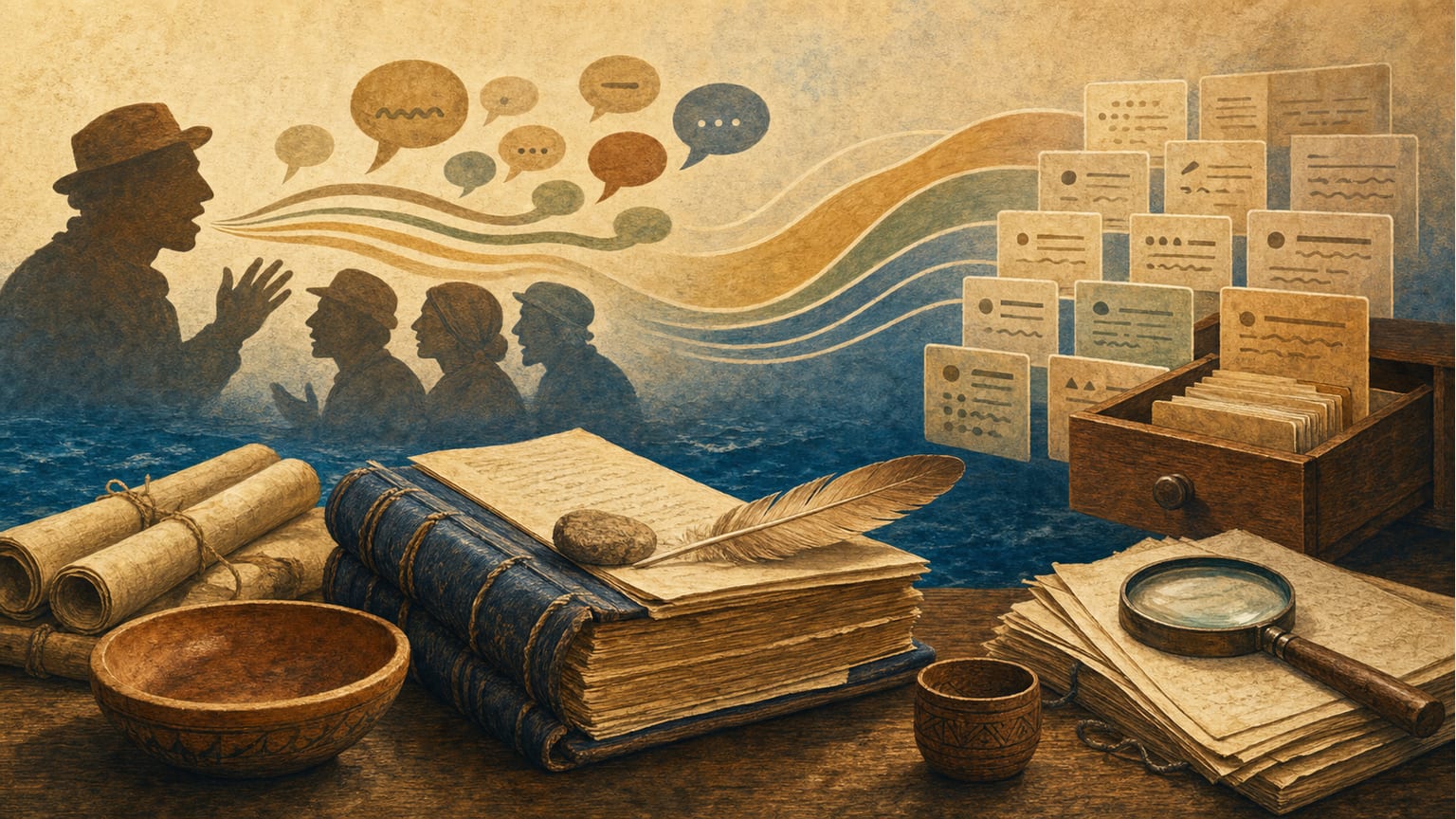
Seseo, a distinctive phonetic feature of Canarian Spanish, is thoroughly analyzed by Francisco Navarro Artiles, who documents its presence and characteristics in the islands' popular speech.
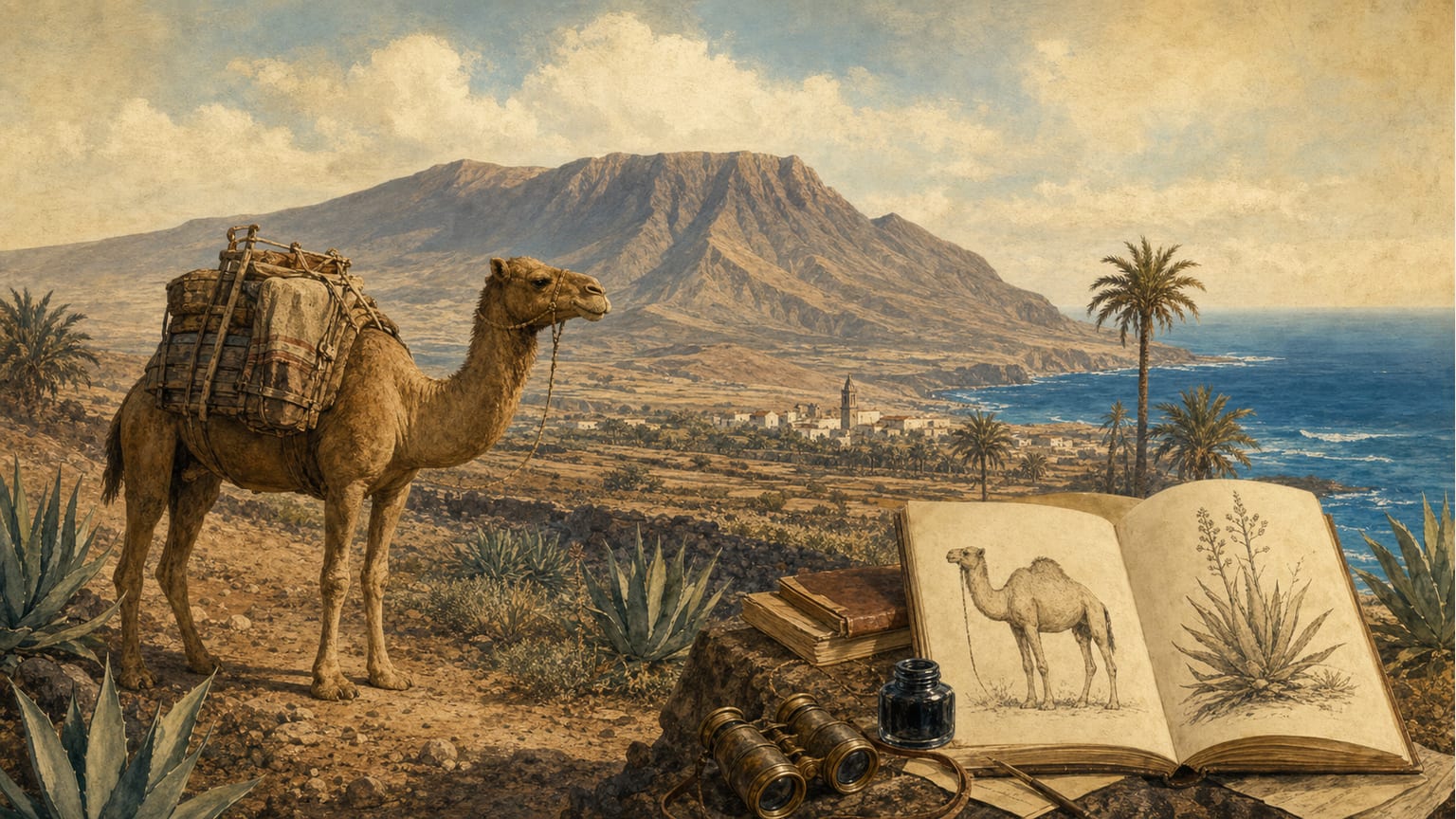
Webb and Berthelot described the introduction and adaptation of the camel in the Canary Islands, detailing its breeding, habits, and uses in the 19th century.
Francisco Fernández de Bethencourt was a prominent figure from Lanzarote in the 19th and 20th centuries, known for his work as a genealogist and politician, and his influence on Canarian identity according to Nicolás Reyes González.
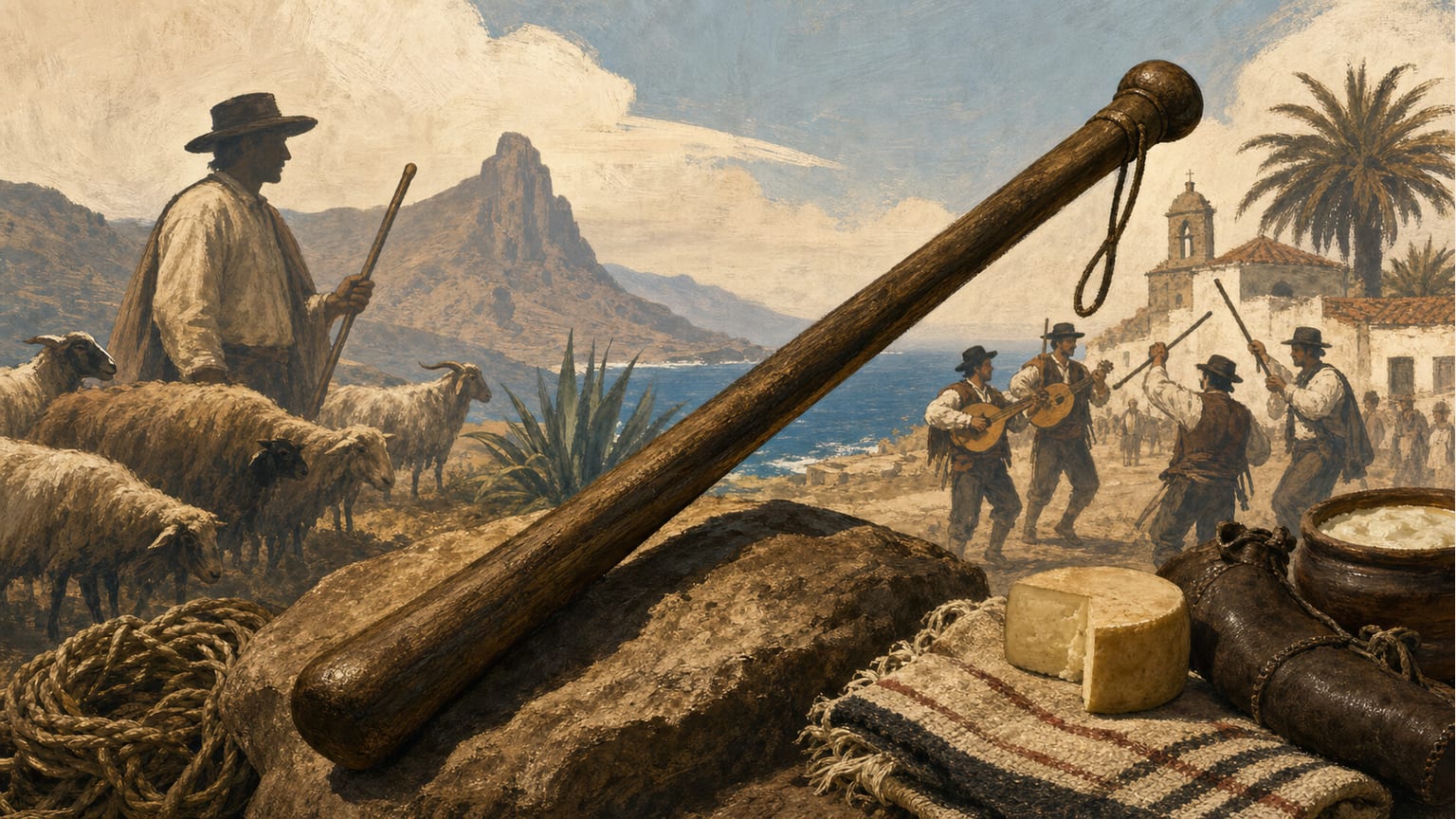
The Canarian Stick Game features several modalities and styles, mainly defined by stick size and traditional transmission, according to the Centro Universitario del Palo Canario (C.U.P.C.).
The Catalogue of Canarian Gentilics by Gonzalo Ortega Ojeda features a detailed structure and rigorous methodology for documenting and analyzing both regular and mock gentilics in the Canary Islands.
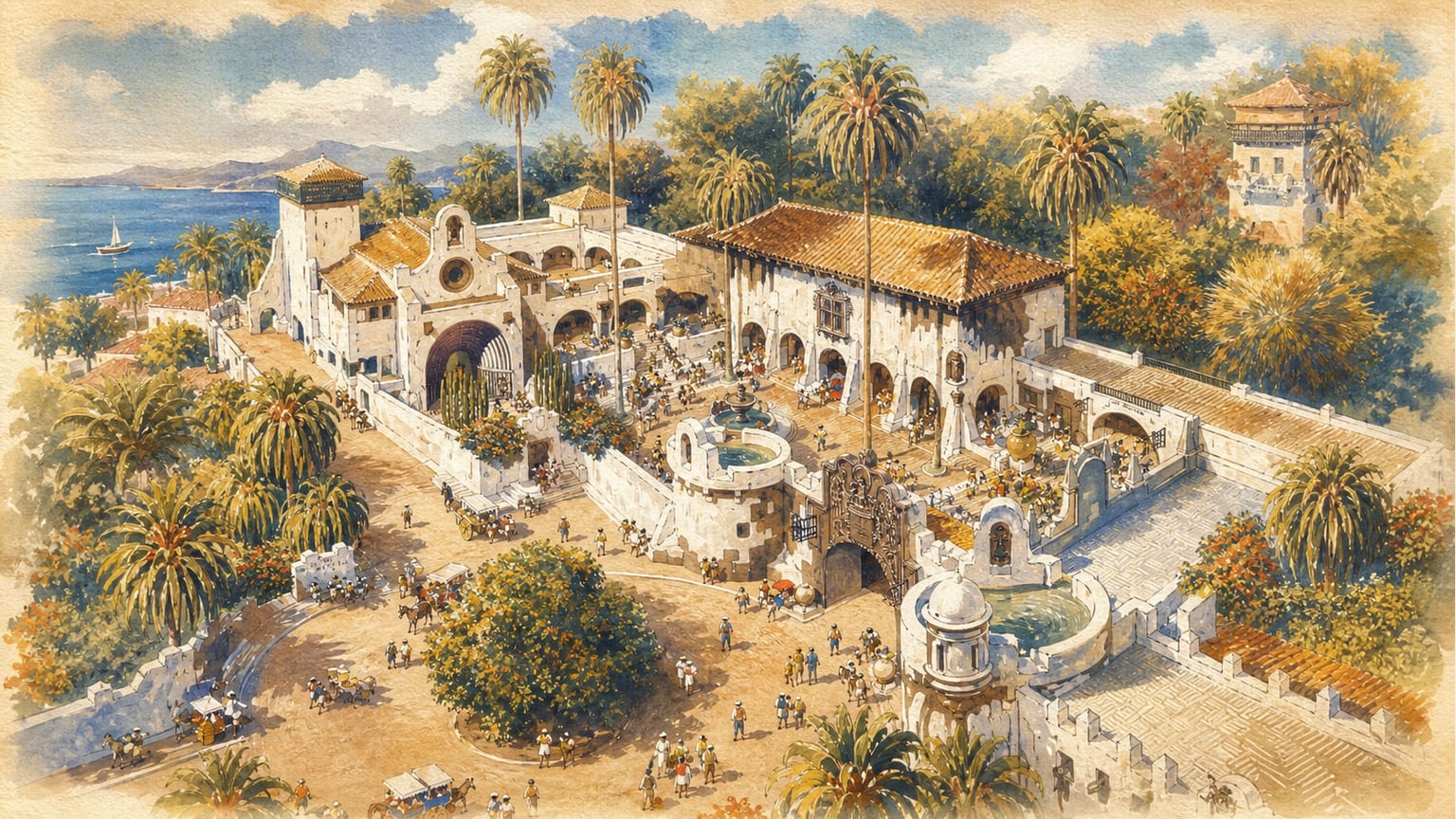
Néstor Martín-Fernández de la Torre was the modernist painter who, through his 'tipismo' campaign and the design of the Pueblo Canario, forged a distinctive and recognizable image of Canarian architecture and identity.
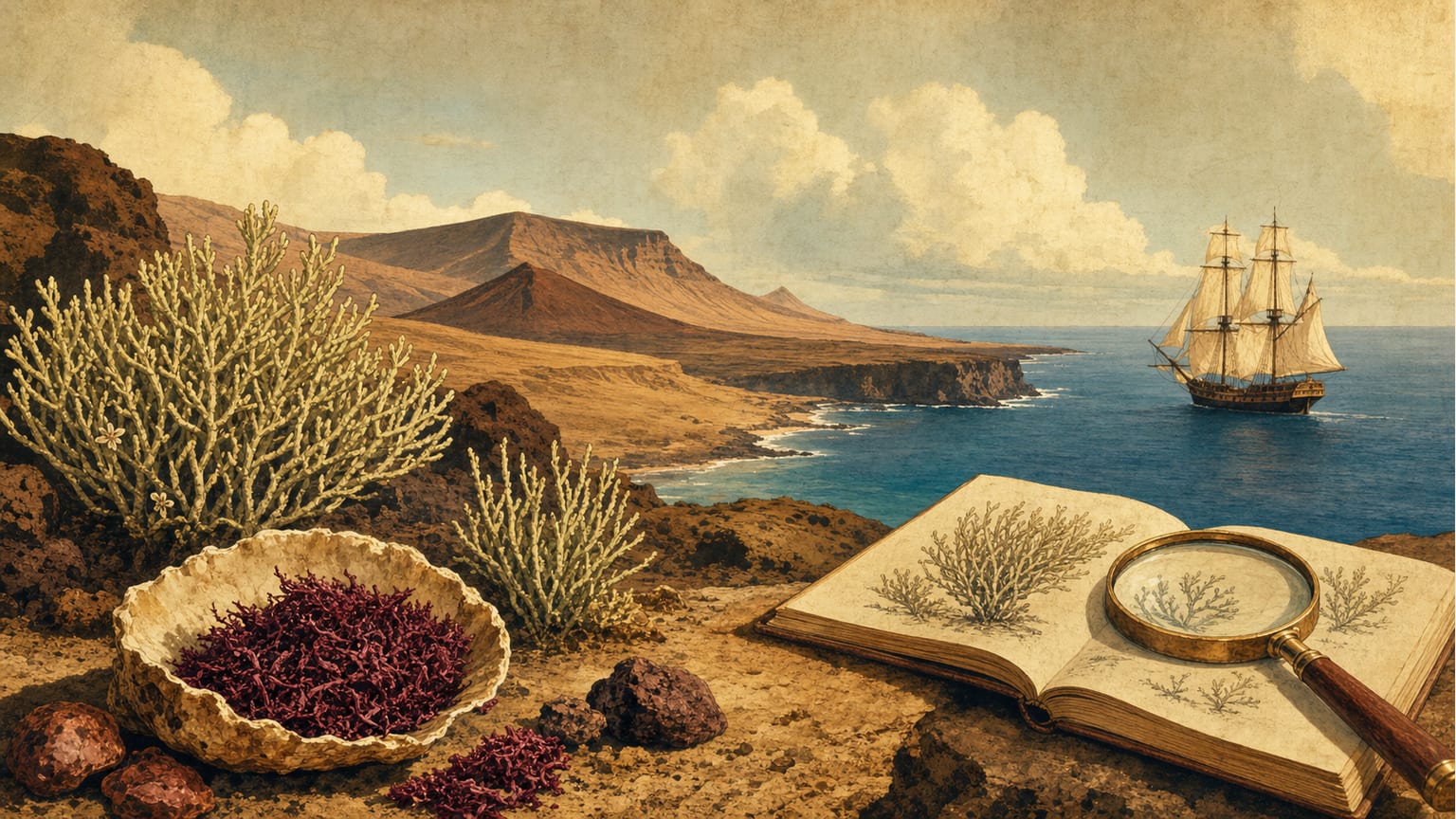
In the nineteenth century, Webb and Berthelot proposed identifying Lanzarote and Fuerteventura with the ancient Purpurariae Islands. Modern classical and archaeological research places those islands off Mogador (Essaouira, Morocco), not in the Canaries.
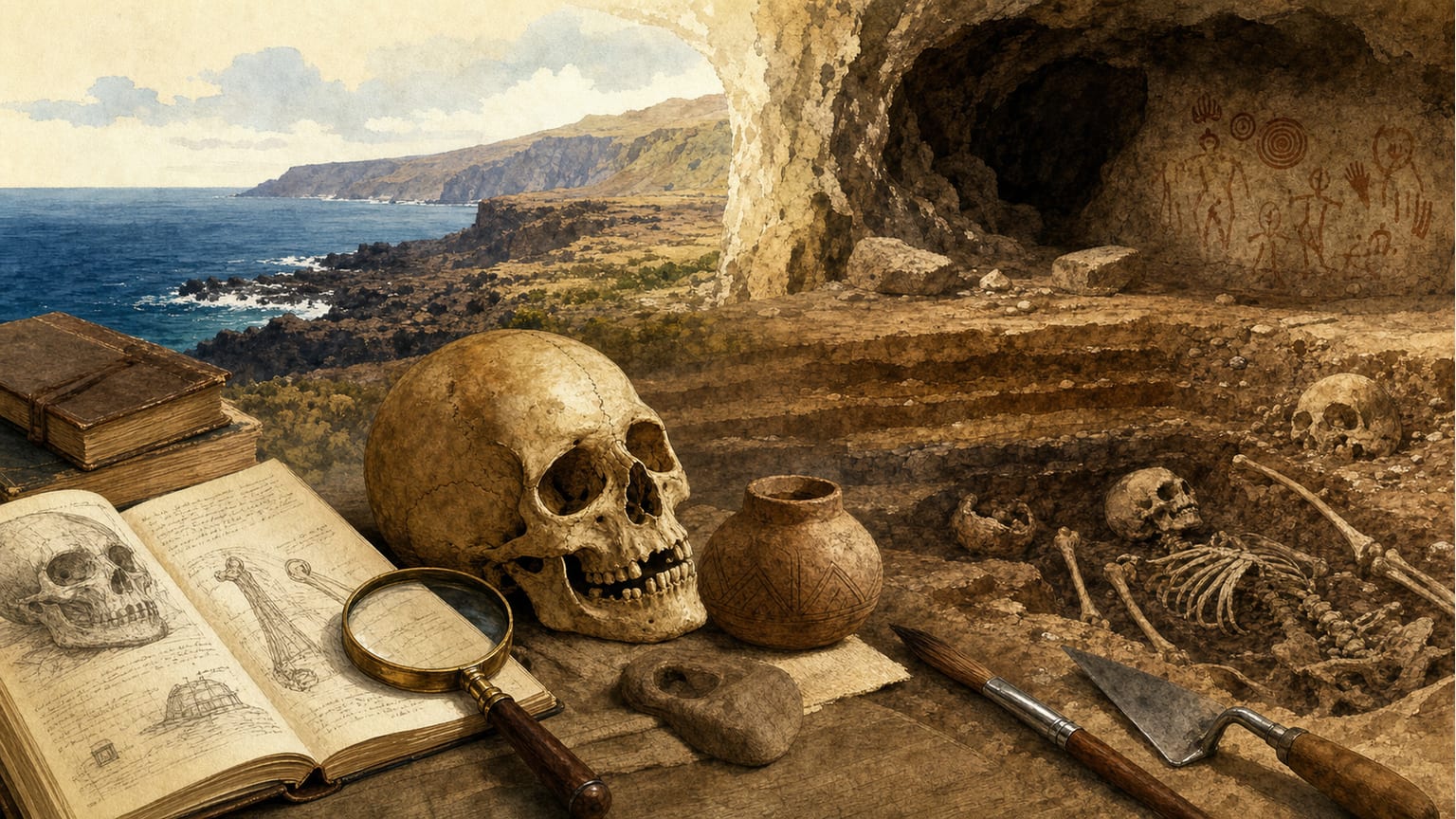
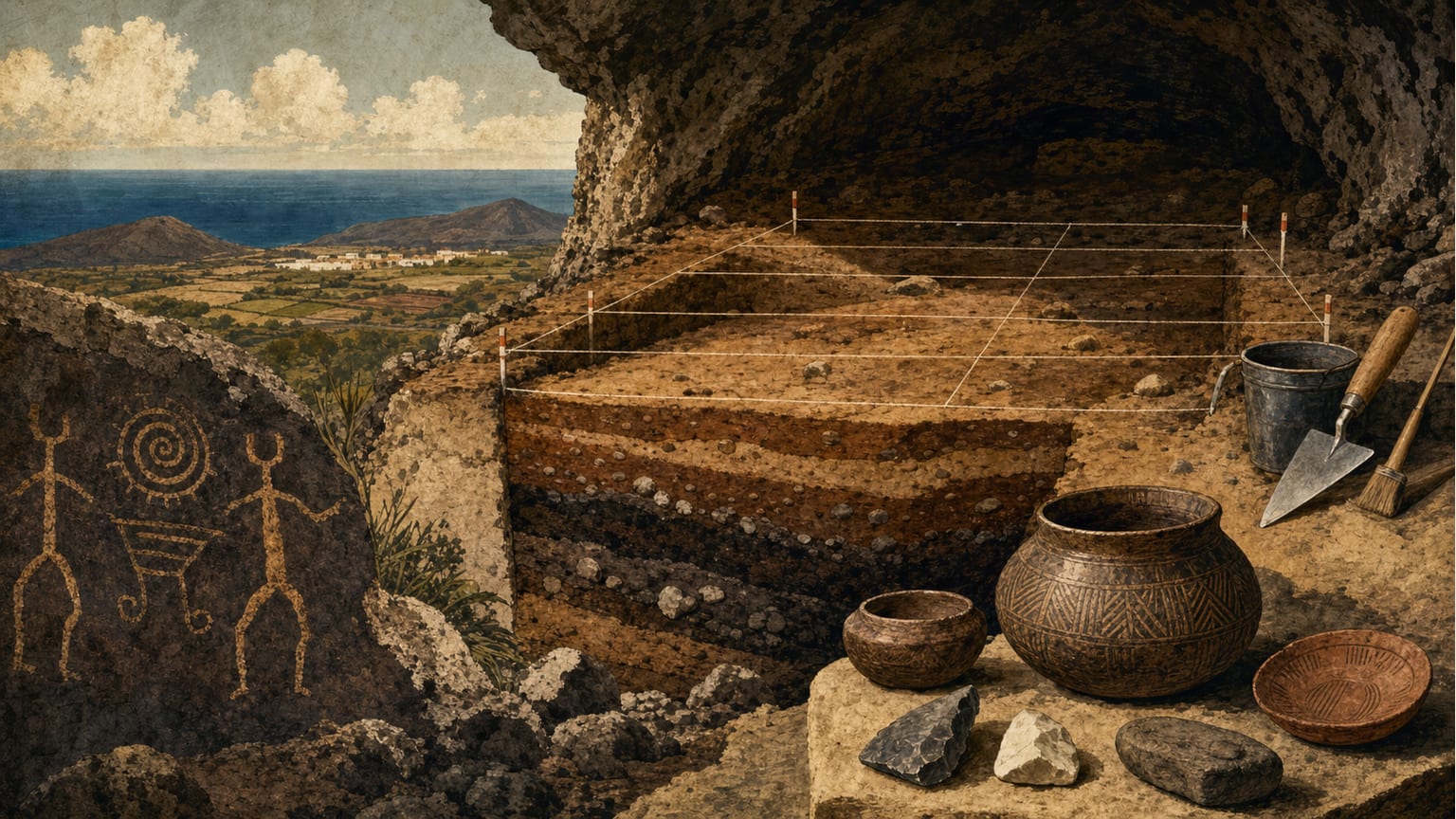
The Cave of La Enladrillada, excavated in 1969 by Diego Cuscoy in Tegueste, stands out for its stratigraphy and the application of new analytical methodologies in the archaeology of Tenerife.
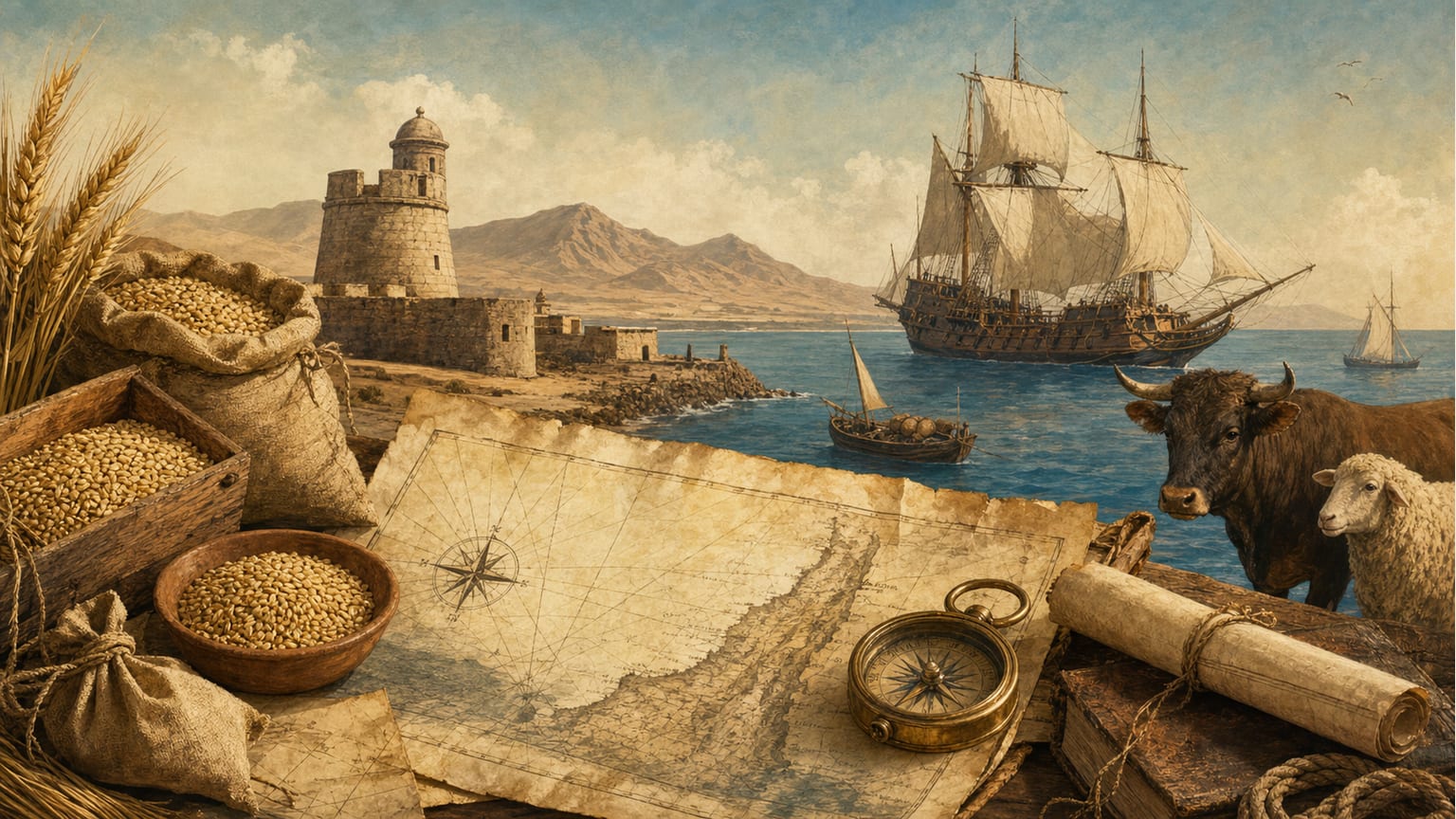
In the 17th century, Fuerteventura played a key role as a supplier of cereals and livestock to other Canary Islands, with inter-island trade shaped by climate vulnerability and reliance on external agents.
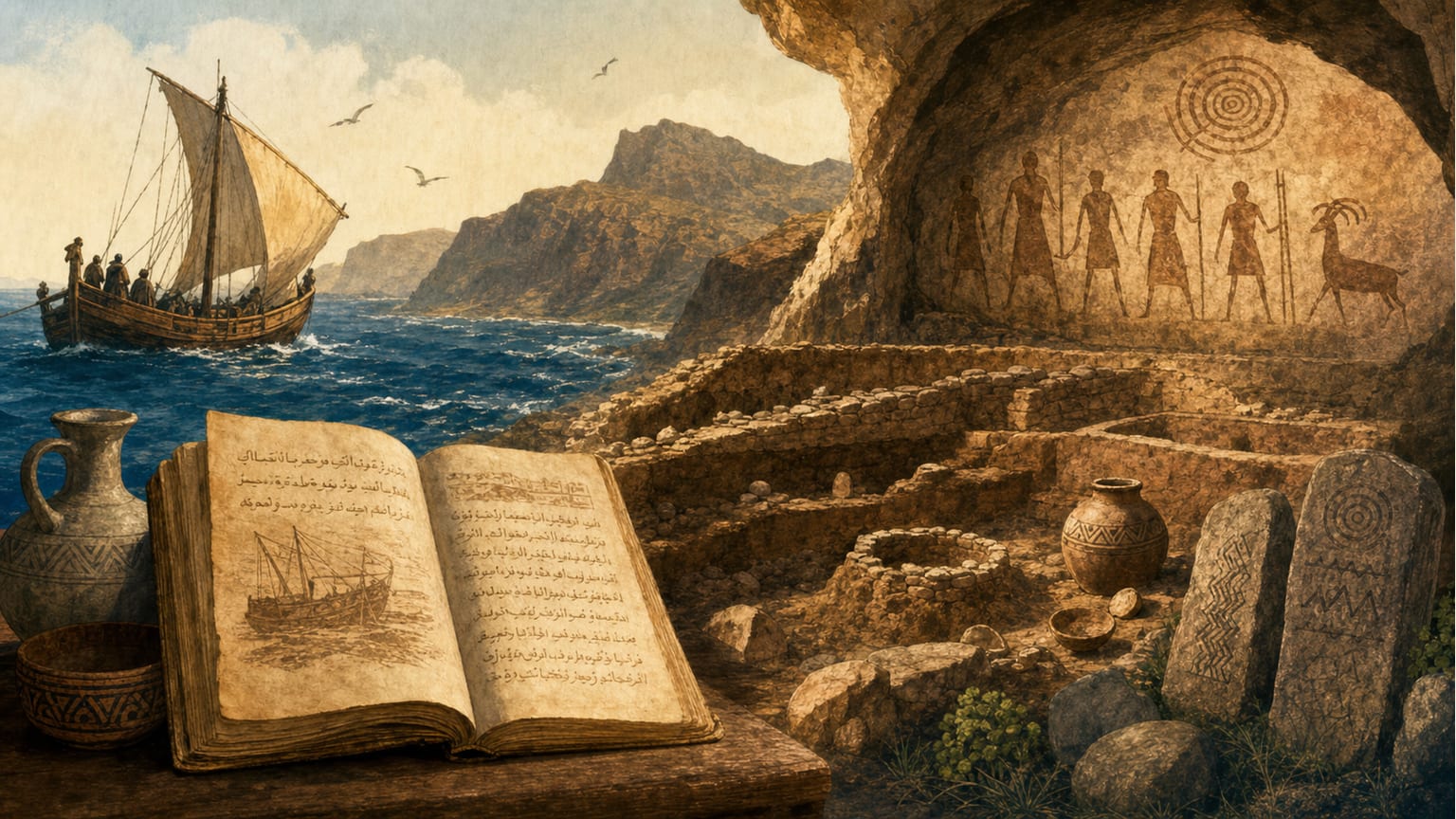
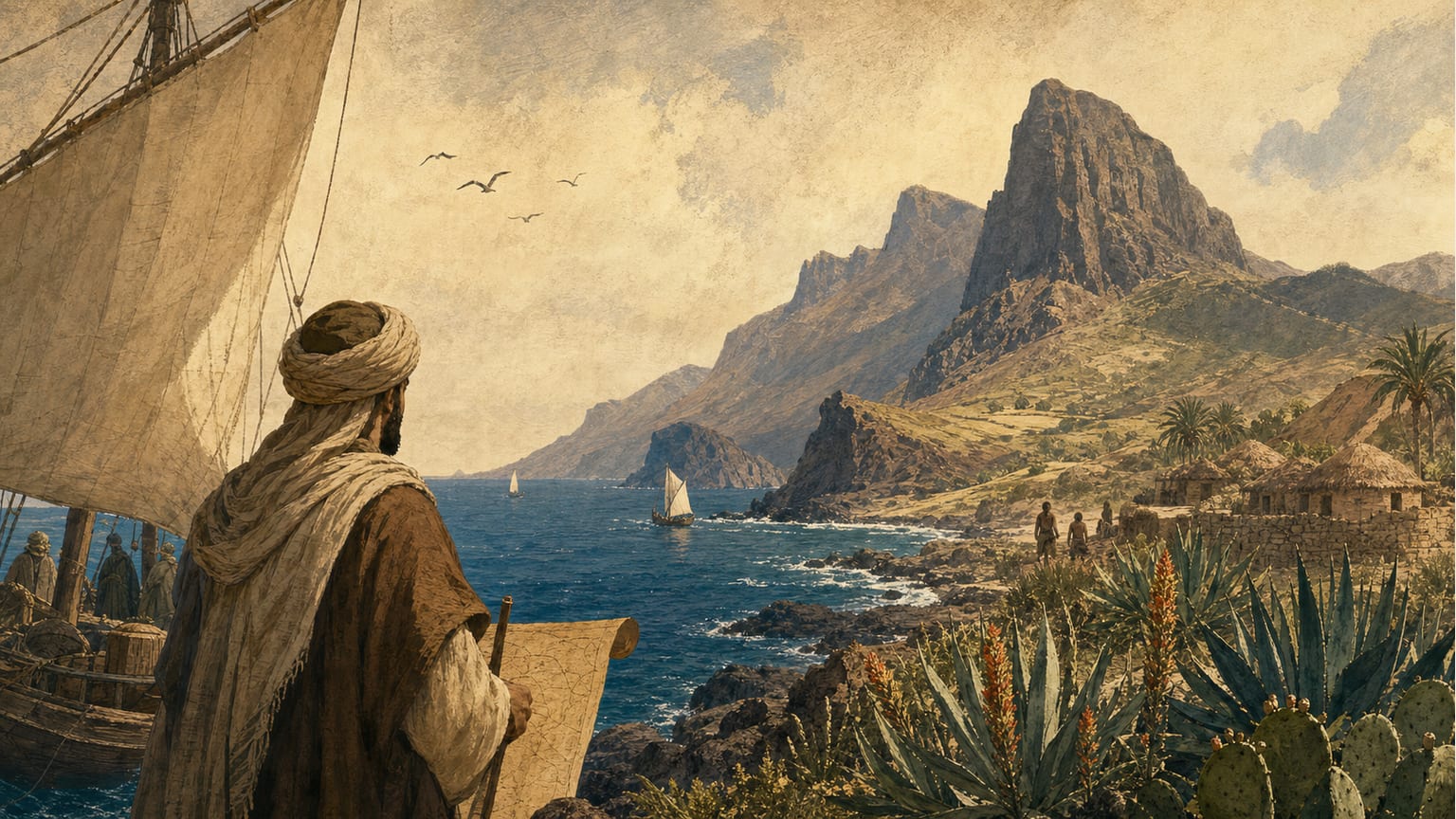
An Arab manuscript cited by Berthelot recounts Ben-Farroukh's expedition to the Canary Islands in 999, describing his encounter with the indigenous inhabitants and the social structure of Gran Canaria.
A detailed analysis of the forms and grammatical role of the definite article in the indigenous language of Tenerife, based on Crichton-Stuart's 1891 study.
The journey of the Maghrourins, as narrated by Edrisi and cited by Webb and Berthelot, provides one of the earliest external accounts of the indigenous populations of the Canary Islands.
Canarias Historia
Cookies and analytics
We use consent choice to decide whether usage analytics should be enabled. You can accept or reject analytics cookies; strictly necessary technical elements will still operate.