

Conquista History 15th Century Conqueror of Gran Canaria
Conqueror of Gran Canaria
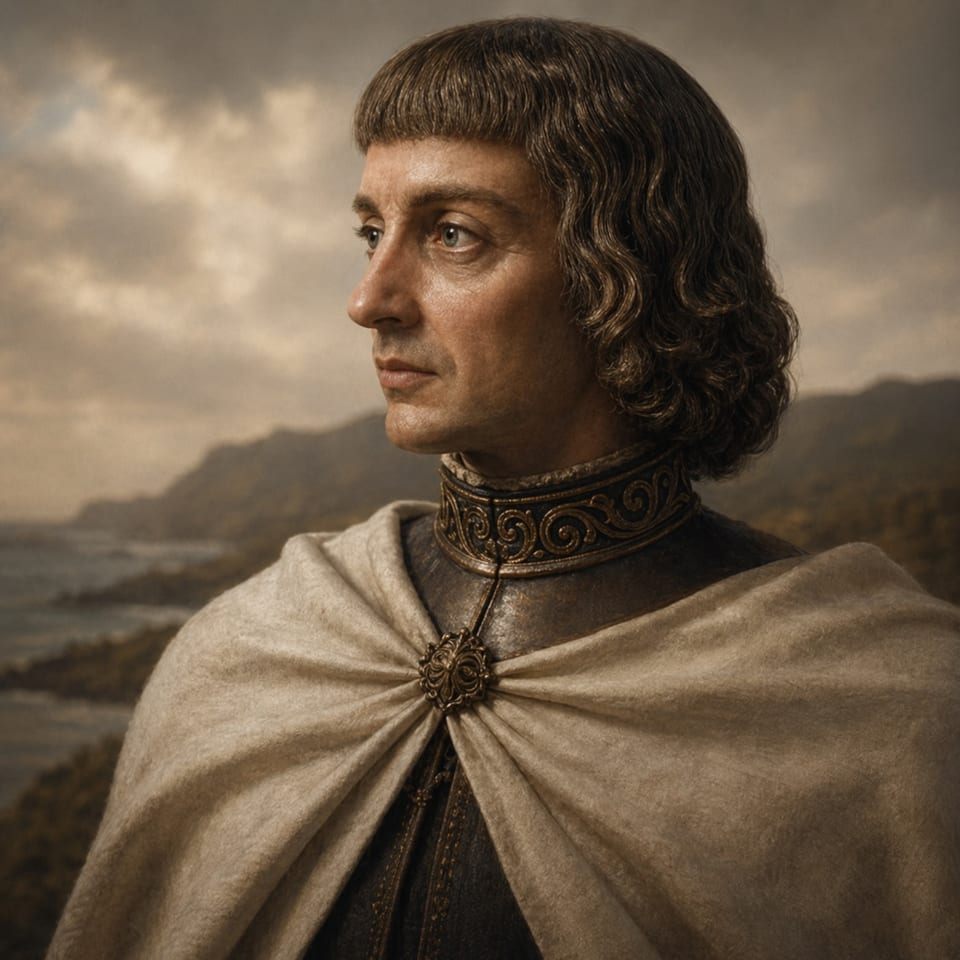
Conqueror of Gran Canaria, completed the conquest of the island in 1483. Known for his harshness towards the Canarian aborigines.
Conqueror of Gran Canaria · c. 1430–c. 1506
Conqueror of Gran Canaria
Conqueror of Gran Canaria, completed the conquest of the island in 1483. Known for his harshness towards the Canarian aborigines.
Pedro de Vera arrived in Gran Canaria in 1480 as governor and captain general sent by the Catholic Monarchs to complete the conquest that Pedro de Algaba and Juan Rejón had begun in 1478. The island had been resisting for two years and the campaign had become bogged down. Vera reorganised the Castilian forces and adopted a strategy of attrition: destruction of crops, capture of livestock and prolonged sieges.
In 1483 he captured the guayre Tenesor Semidán and secured the surrender of the last holdout. The conquest of Gran Canaria was completed on 29 April 1483. However, his government was marked by a brutality that scandalised even by the standards of the time: he massively enslaved the Canarian population, even those who had surrendered under promises of peace, and was accused of having executed more than a thousand Canarians in collective punishments. The Catholic Monarchs had to intervene to curb his excesses.
Despite his questionable methods, Pedro de Vera was rewarded with land and positions in Gran Canaria, where he lived until his death around 1506. His figure embodies the contradiction of the conquistador: effective on the military level but brutal on the human one, an instrument of a historical process that forever transformed the demographic and cultural reality of the archipelago.

Guayre of Gran Canaria
c. 1440 - 1496
Meet figures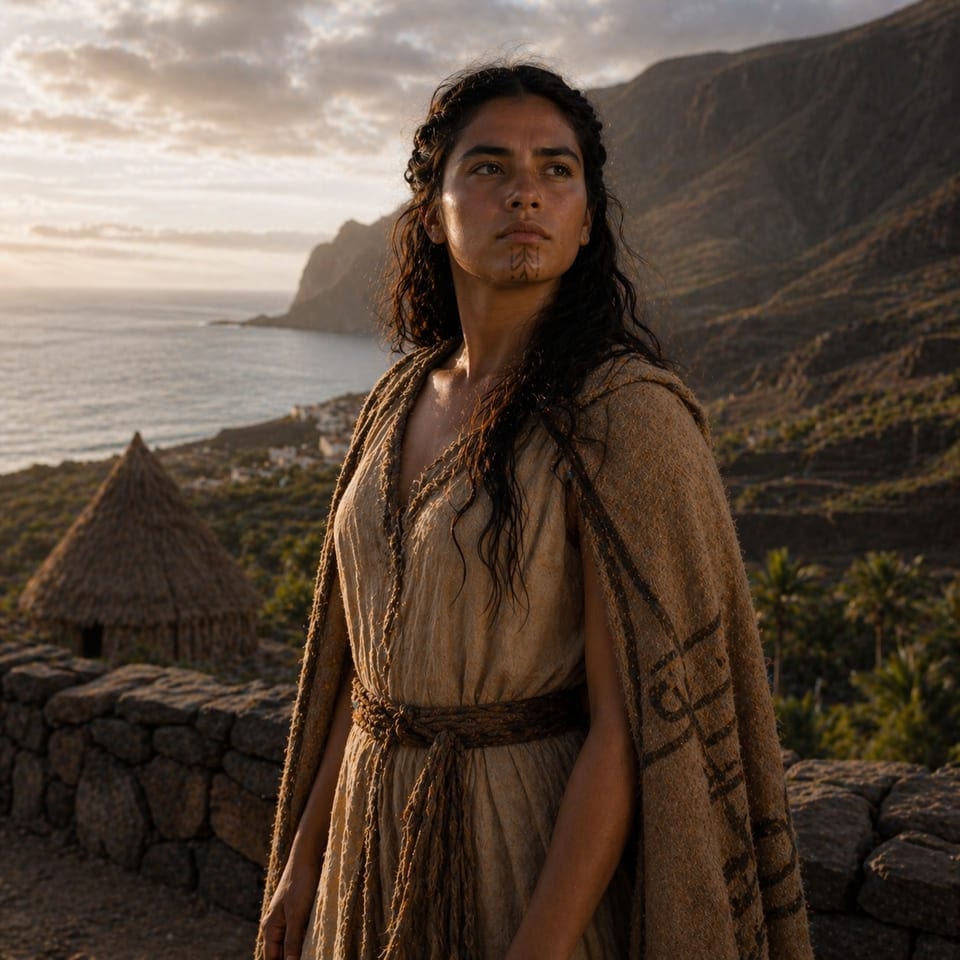
Canarian princess
c. 1470
Meet figures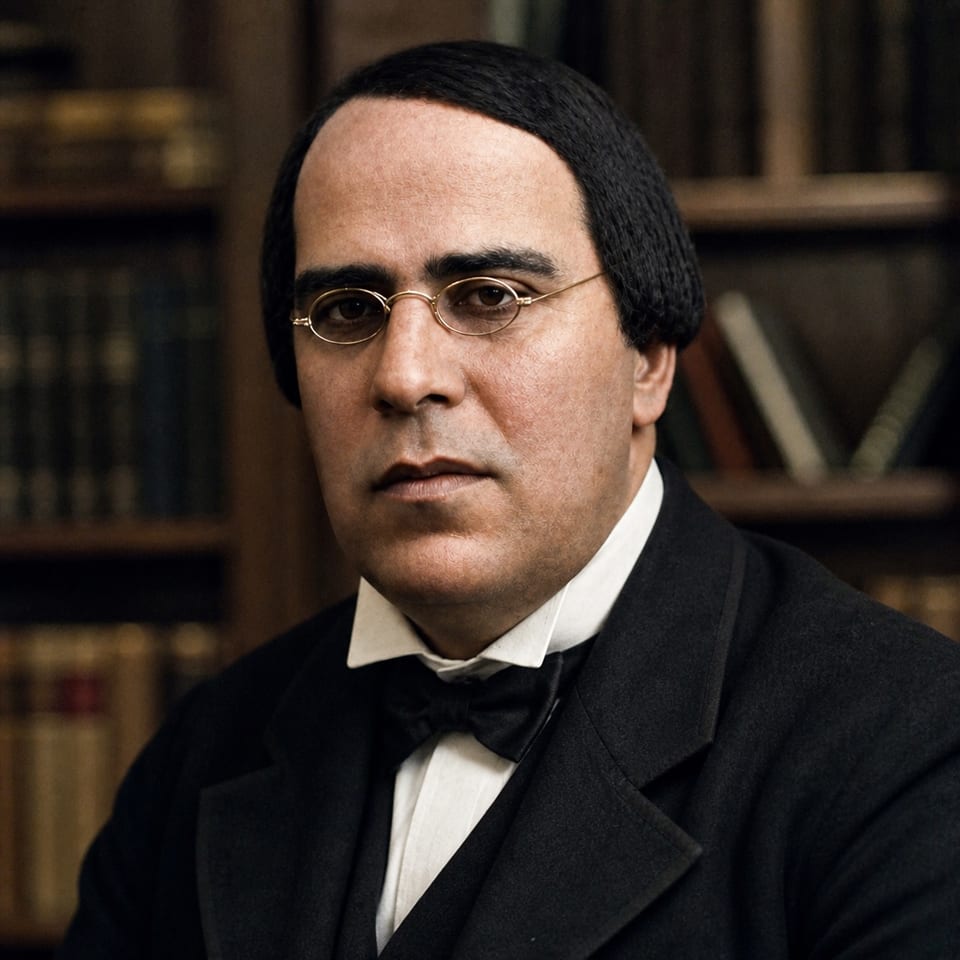
Historian, Musician
1826 - 1896
Meet figures
Historian and Cultural Figure
1913 - 2014
Meet figures