
ContemporaryLiterature19th CenturyCulture
Writing / activism
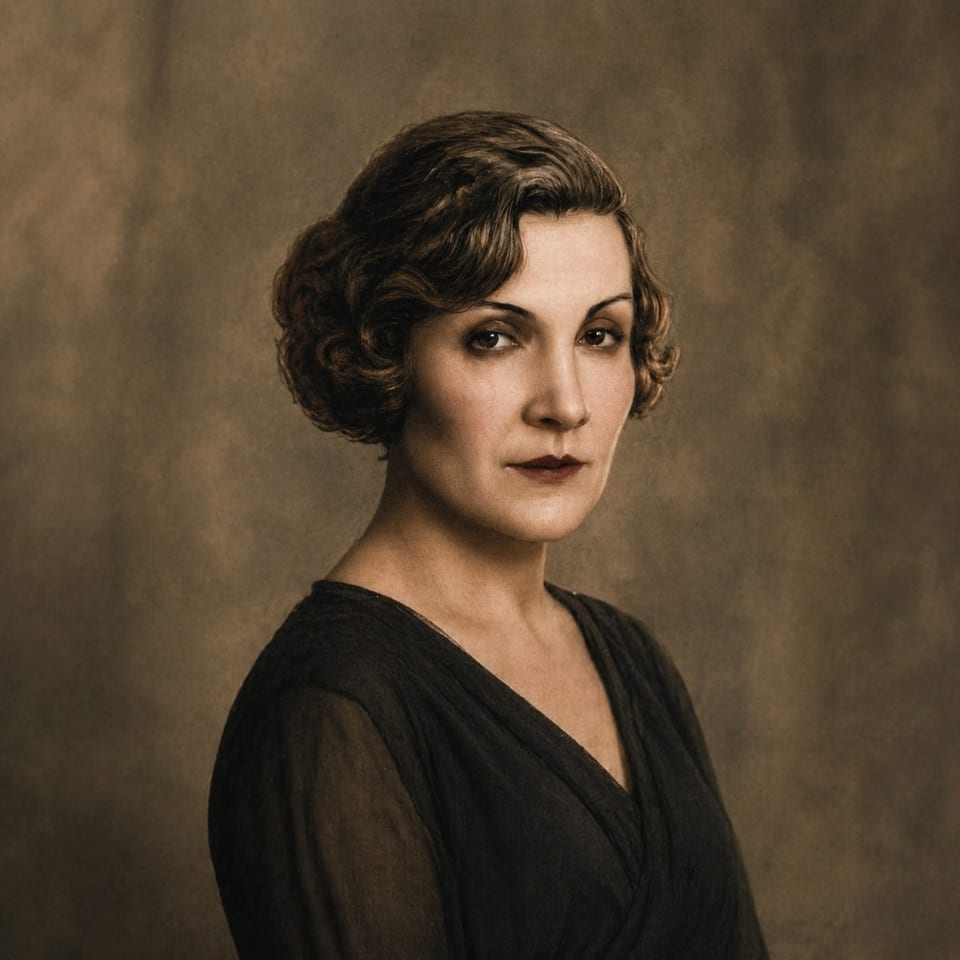
Mercedes Pinto Armas was a writer, speaker and journalist born in San Cristóbal de La Laguna in 1883.
Writing / activism · 1883–1976
Writing / activism
Mercedes Pinto Armas was a writer, speaker and journalist born in San Cristóbal de La Laguna in 1883.
María de las Mercedes Pinto Armas de la Rosa y Clós was born in San Cristóbal de La Laguna on 12 October 1883. A writer, speaker and journalist, her career was marked by public advocacy for social reforms and by cultural activity in Hispanic America.
In 1923 she gave the lecture El divorcio como medida higiénica at the Universidad Central de Madrid. The controversy surrounding that intervention became linked to her departure into exile during Primo de Rivera's dictatorship.
In 1924 she arrived in Uruguay, where she continued her activity as a journalist, lecturer, educator and writer. Her novel Él, published in 1926, is her best-known work. Luis Buñuel's film adaptation was presented in competition at the 1953 Cannes Film Festival. Mercedes Pinto died in Mexico on 21 October 1976.