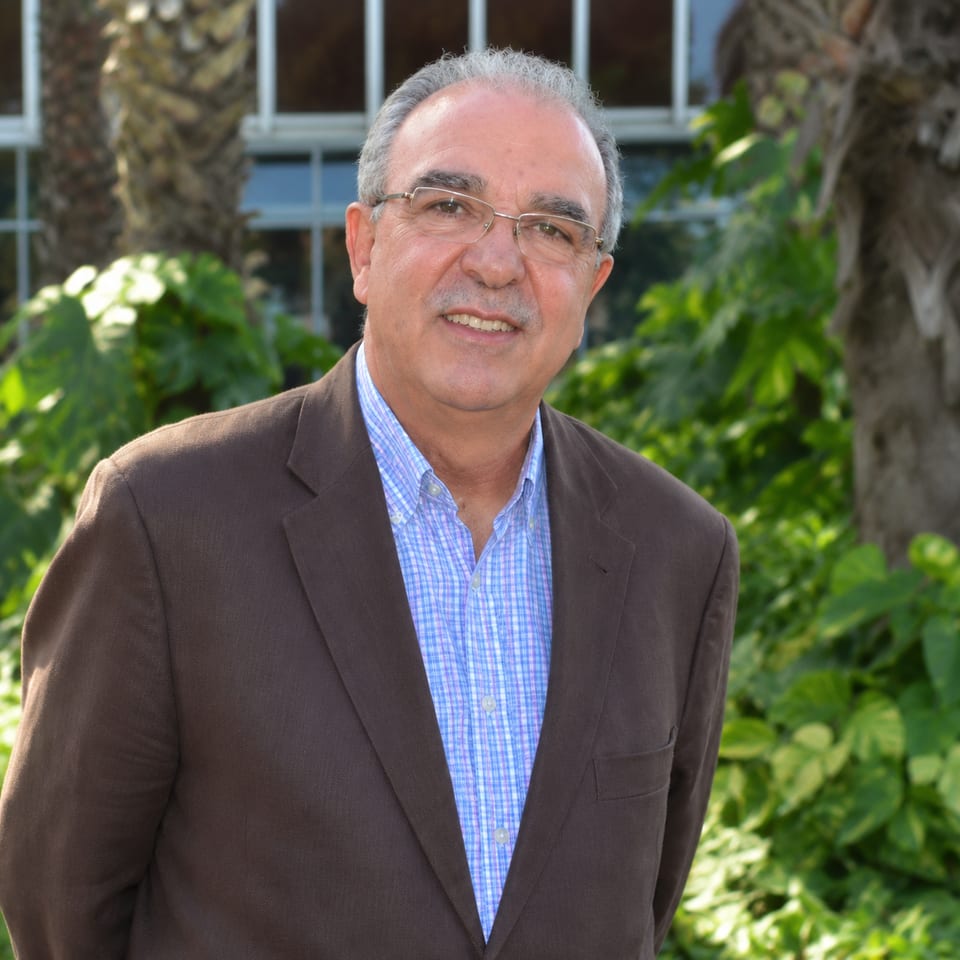
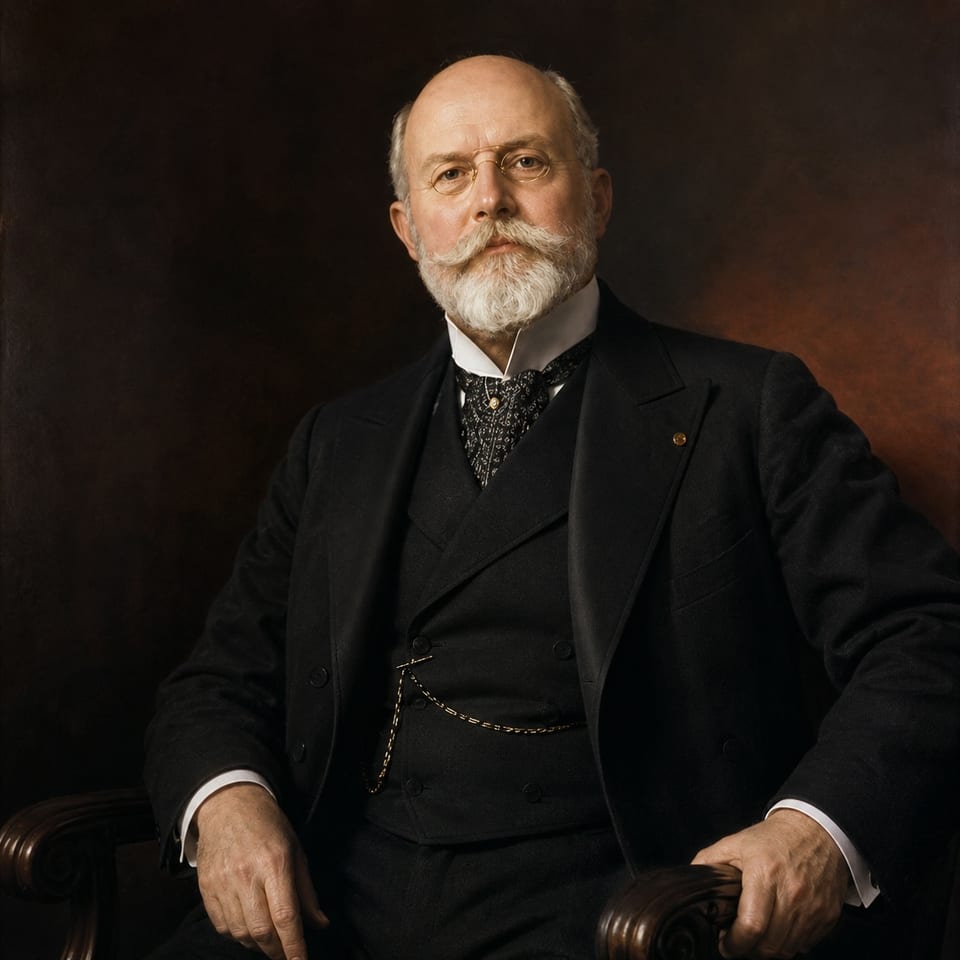
His professional life was closely tied to education. He taught at the Pérez Galdós Secondary School in Las Palmas de Gran Canaria, served on the board of the Las Palmas College of Doctors and Graduates, and worked for fifteen years as a planning and innovation officer in the Canary Islands Government's Department of Education. That educational experience shaped his writing: his texts do not merely preserve data, but organise, explain and make readable the history of a small community without reducing it to folklore or anecdote.
As official chronicler of Artenara, he took on the task of interpreting a mountain municipality through its institutions, trades, festivals, landscapes and family memories. He was founder, president and secretary of the Board of Official Chroniclers of the Canary Islands, coordinated the yearbook Crónicas de Canarias and belonged to the Instituto Canario de Estudios Históricos Rey Fernando Guanarteme, the Gran Canaria island heritage commission and the Canarian Writers' Association. He also gave lectures and papers on history and cultural heritage, wrote prologues for Canarian authors and delivered festival opening speeches for La Cuevita, Santo Domingo de Guzmán in Juncalillo, the third centenary of the Cristo de Acusa and Nuestra Señora del Carmen in Hoya de La Plata.
From 1995 he wrote the Piedra Lunar column in LA PROVINCIA, a series that grew into hundreds of chronicles and that he associated with the highlands, reality and dreams. In his Pellagofio interview he explained that the heading came from his surroundings and from the song Sombras del Nublo, and that it gave him a journalistic identity for three decades. These were not simple local notes: they were pieces of cultural reflection, island memory and literary prose, built on the idea that chronicle should align facts, places, words and shared values.
His bibliography covered several fronts. In local history he published Aspectos Históricos de Artenara, Aportación para la historia de la alfarería de Lugarejos, La voz de la memoria. Conversaciones en Artenara, La toponimia de Artenara and Guía turística de Artenara. In literary studies he published La obra poética de José Cástor Quintana Sánchez and El paisaje de Gran Canaria en la literatura. He also promoted the Ruta de Unamuno in Gran Canaria in 1999, coordinated the catalogue Unamuno, encuentro con la isla and took part in teaching materials and literary routes about Miguel de Unamuno's presence on the island. That Unamuno line connects with Tempestad de piedra and with his reading of the highlands as an intellectual landscape, not only a geographical one.
His output also included short stories, articles, monographs, books of chronicle and more literary works. LA PROVINCIA recalled titles such as 10 paseos con Pepe Dámaso, Roca excavada... y habitada, Zaragoza, la mujer que hablaba con los muertos, Tiempo y palabras, Piedra lunar (2015-2020) and Salmodia atlántica (opus XXI, d.c.). This range shows an author who worked with local research, oral memory, cultural criticism, journalistic chronicle and poetic experiment without keeping those registers fully separate.
In his final months he was still imagining cultural projects for the Sacred Mountains of Gran Canaria. In Pellagofio he spoke about setting the highland landscapes to organ music, an idea that extended his wish to universalise Artenara and to read its geography through art, language and heritage. After his death on 26 December 2025, LA PROVINCIA remembered him as Artenara's chronicler, a prose writer, columnist, cultural promoter and writer committed to his land.