

Contemporánea Literature 19th Century Avant-garde and surrealist
Poet
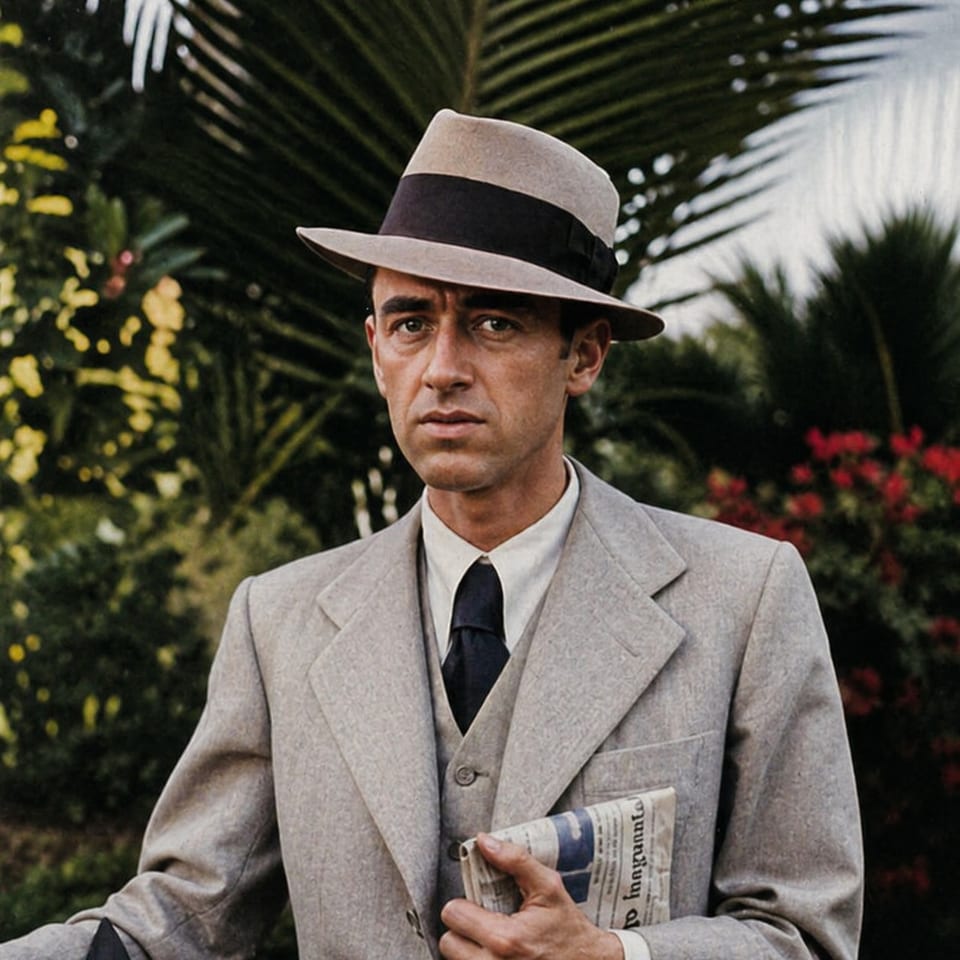
Avant-garde poet from Tenerife, a key figure in Spanish surrealism. Author of "Lancelot, 28º-7º", a fundamental work of Canarian literature.
Poet · 1897–1939
Poet
Avant-garde poet from Tenerife, a key figure in Spanish surrealism. Author of "Lancelot, 28º-7º", a fundamental work of Canarian literature.
Agustín Espinosa was born in Puerto de la Cruz, Tenerife, in 1897, in a family of intellectual tradition. He studied at the University of La Laguna and then in Madrid, where he came into contact with the avant-garde movements shaking Spanish culture in the 1920s. He returned to the Canary Islands to teach Literature at the Instituto de La Laguna and became the pivot of the Tenerife surrealist group, which organised the historic Surrealist Exhibition of Tenerife in 1935, with the participation of André Breton and Paul Éluard.
His main work, Lancelot, 28°-7° (1929), is an ironic and visionary guide to Lanzarote presented as a travel book, but in reality it is a surrealist, erotic and blasphemous artefact that subverts every genre. It challenged bourgeois morality, religion and conventional tourism with a language of feverish and unusual images. The work was censored and barely circulated at the time; today it is considered one of the great rarities of twentieth-century Spanish literature.
The Civil War destroyed his world: he was purged, lost his post and fell into serious nervous illness. He died in 1939, aged forty-two, without having been able to fully develop the enormous potential he had shown. He was rediscovered decades later by critics and readers, and his works have been reprinted and studied as capital documents of Hispanic surrealism and Canarian cultural identity.
Neoclassical poet and fabulist
1750 - 1791
Meet figures
Politician
1774 - 1841
Meet figures
Organist and composer
1844 - 1927
Meet figures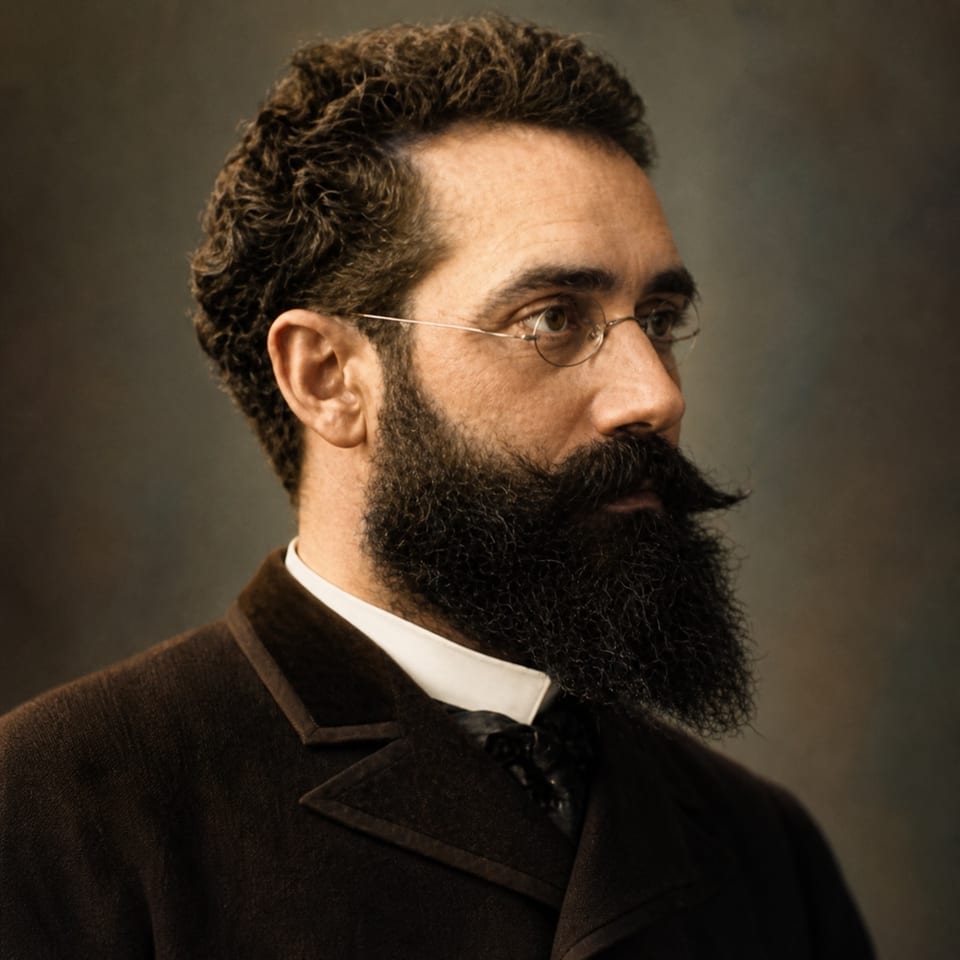
Anthropologist and Historian
1847 - 1913
Meet figures