
Why this island matters
El Hierro representa la idea historica del confín y, al mismo tiempo, una lectura contemporanea de sostenibilidad y pequena escala. Su posicion extrema, su baja densidad y sus paisajes volcanicos han producido una cultura de adaptacion muy marcada.
La isla permite pensar la relacion entre recursos limitados, memoria legendaria, autosuficiencia y futuro energetico. En El Hierro, patrimonio, naturaleza y sociedad se entienden mejor desde la continuidad entre aislamiento, creatividad y gestion cuidadosa del territorio.
Cultural landscape
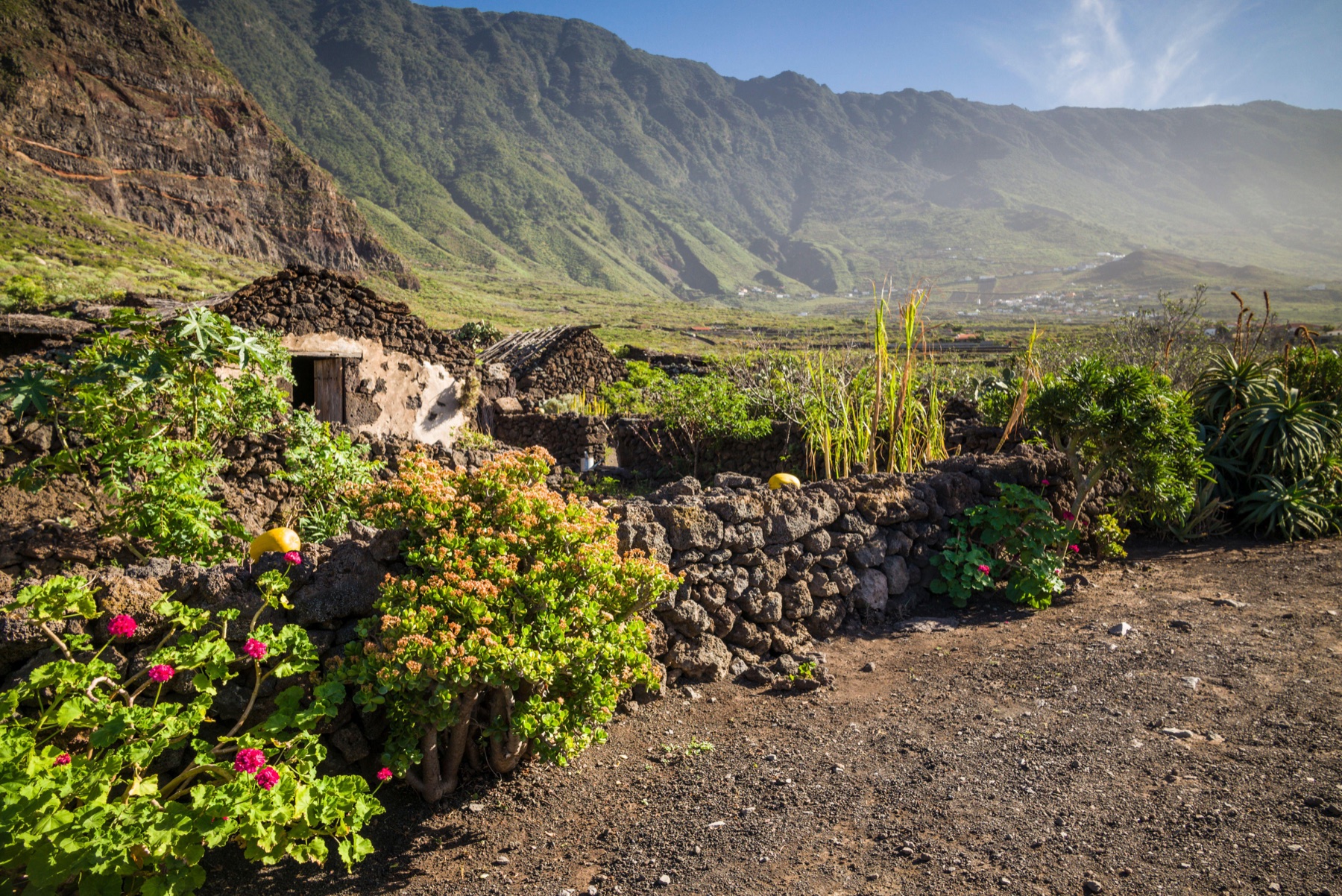
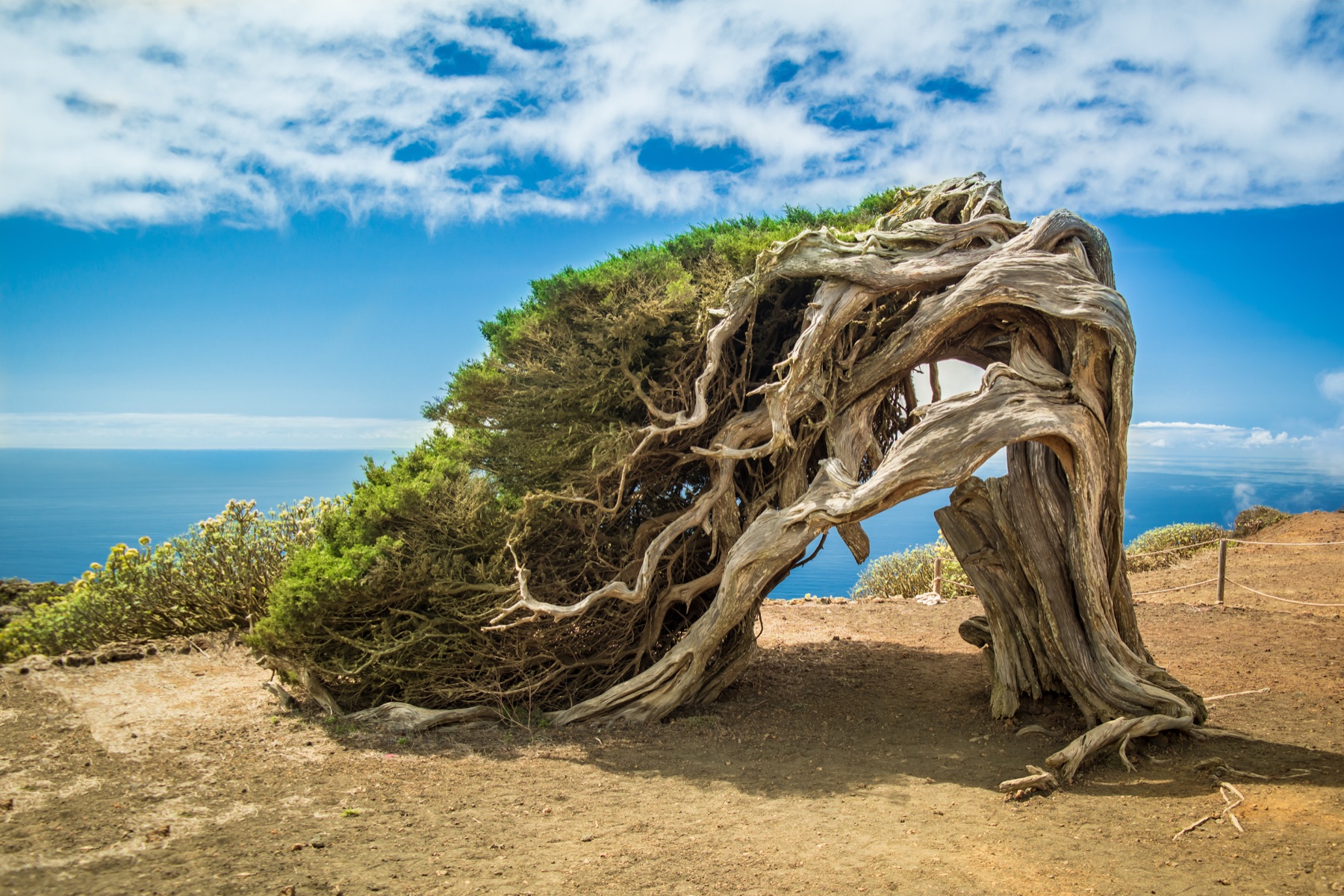
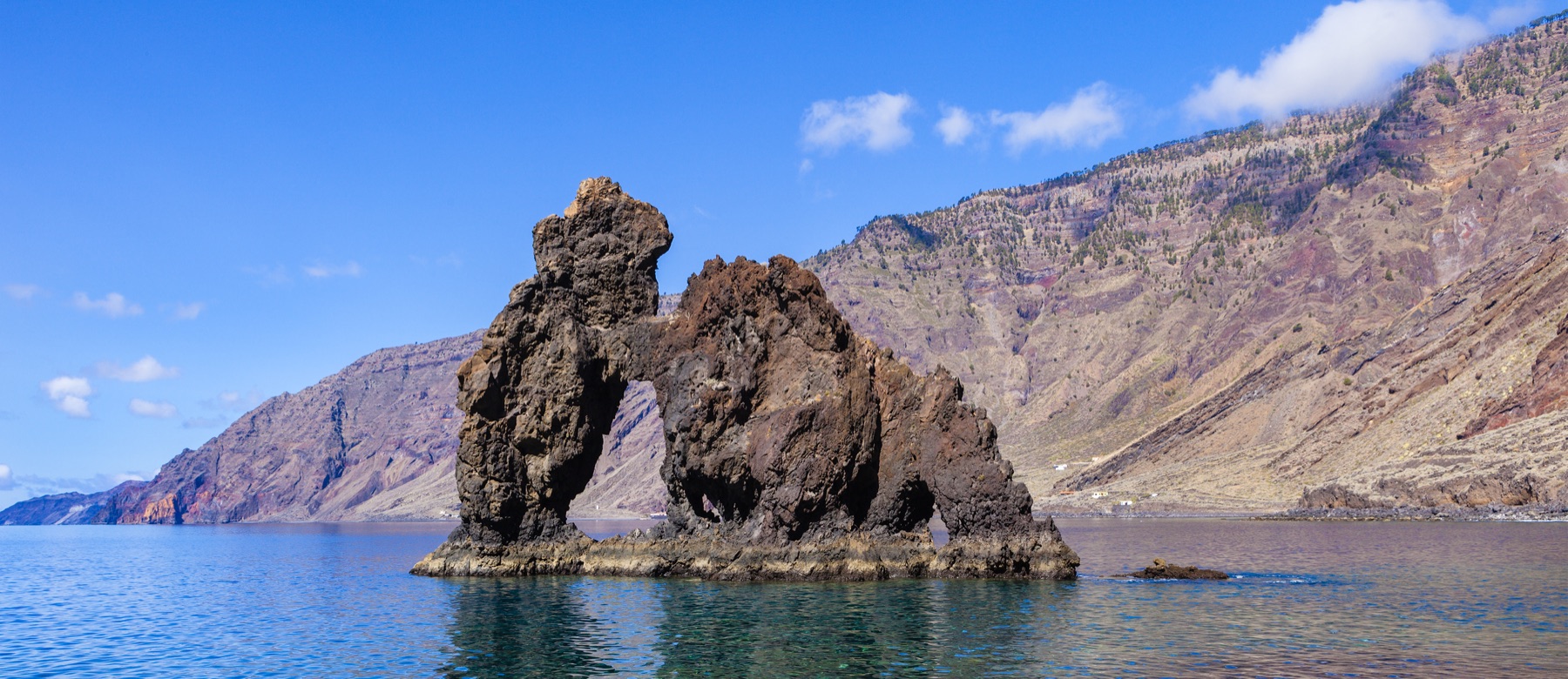
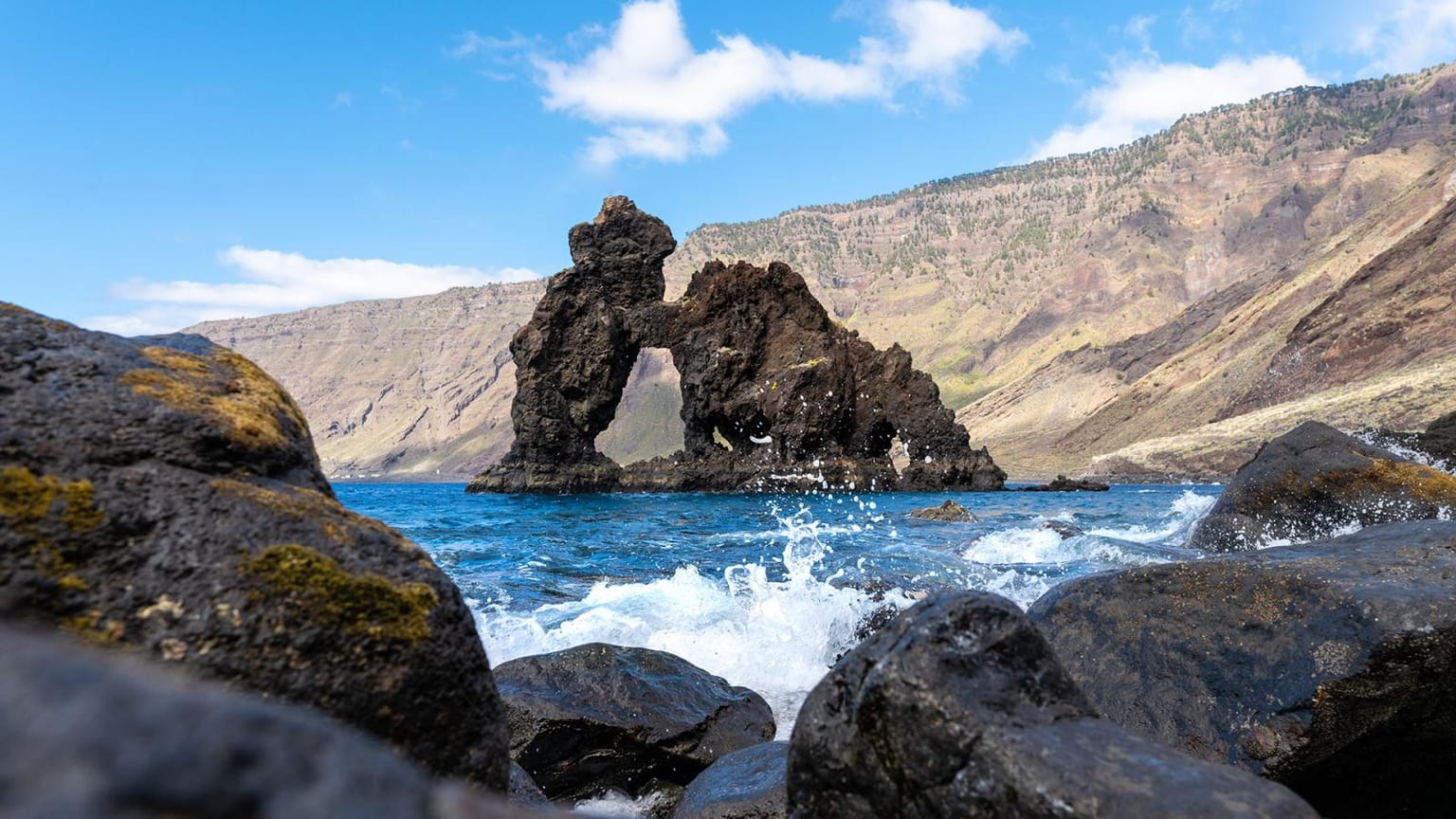
Today El Hierro is presented as a reference in sustainability thanks to pioneering energy initiatives, yet this contemporary discourse connects with a historical tradition of adaptation and self-sufficiency. Its volcanic landscapes, viewpoints and marine environments complete a very singular insular image.
Municipalities and territories
See all 3 municipalities of El Hierro →- El Pinar de El HierroEl Pinar de El Hierro is a municipality of El Hierro, presented through settlement, landscape, local memory and its links with the rest of the island.
- FronteraFrontera is a municipality of El Hierro, presented through settlement, landscape, local memory and its links with the rest of the island.
- ValverdeValverde is a municipality of El Hierro, presented through settlement, landscape, local memory and its links with the rest of the island.
Explore the island
Themes to understand El Hierro
Each block summarises a line of interpretation and links to its own page. The main island page works as an entry point; the sections expand geography, history, nature, heritage and social life without turning this hub into a single long article.
Geography
El Hierro, the youngest and westernmost of the Canary Islands, is a three-armed volcanic ridge shaped by the El Golfo mega-landslide, Pico de Malpaso, the 2011-2012 submarine eruption off La Restinga, the juniper woodland of La Dehesa, the Garoé and the historic prime meridian at Orchilla; UNESCO recognises it as a Biosphere Reserve and Geopark.
Explore sectionHistory
El Hierro connects the Bimbache world, the Garoé tree, the peaceful conquest of 1405, the Orchila meridian, Atlantic isolation and recent debates on sustainability and submarine eruption.
Explore sectionNature
The island stands out for its volcanic landscapes, seabeds, juniper woodlands (sabinares), pine forests, remnant laurel forest and nature reserves.
Explore sectionFlora
Junipers, pine woods, monteverde, coastal scrub and wind-adapted species make up a flora that is small in scale but of great value.
Explore sectionFauna
Reptiles, birds, invertebrates and marine life take on particular importance thanks to the conservation of both land and underwater habitats.
Explore sectionHeritage
The Garoé, old trails, rural architecture, viewpoints, churches and farming landscapes sustain the collective memory of El Hierro.
Explore sectionCulture and Traditions
The Bajada de la Virgen, oral tradition, herding culture, music and food all show the continuity of community life.
Explore sectionEconomy and Society
The economy of El Hierro is a history of managed scarcity: Bimbache herding, extensive livestock farming and dry crops on an island without irrigation, where the Garoé tree and cisterns supplied the water; cheese, figs, hides and orchil lichen as the only exportable goods; a constant emigration to the Americas that held the population at around seven thousand for most of the twentieth century; the small-scale fishery of La Restinga in the Sea of Las Calmas; and today vineyards, diving and the Gorona del Viento wind-hydro power plant.
Explore sectionMunicipalities and Territories
Valverde, Frontera, El Pinar, the coasts and the medianías (mid-altitude belt) sum up a compact yet diverse territorial structure.
Explore sectionKey Places
The Garoé, La Dehesa, El Golfo, La Restinga, the viewpoints and the juniper woodlands are keys to reading the island's history and nature.
Explore sectionLinked Figures
Religious figures, local leaders and people linked to sustainability help tell the island's recent history.
Explore sectionIsland Chronology
La cronologia herreña enlaza poblamiento indigena, conquista, meridiano, emigracion, volcan submarino e innovacion energetica.
Explore section